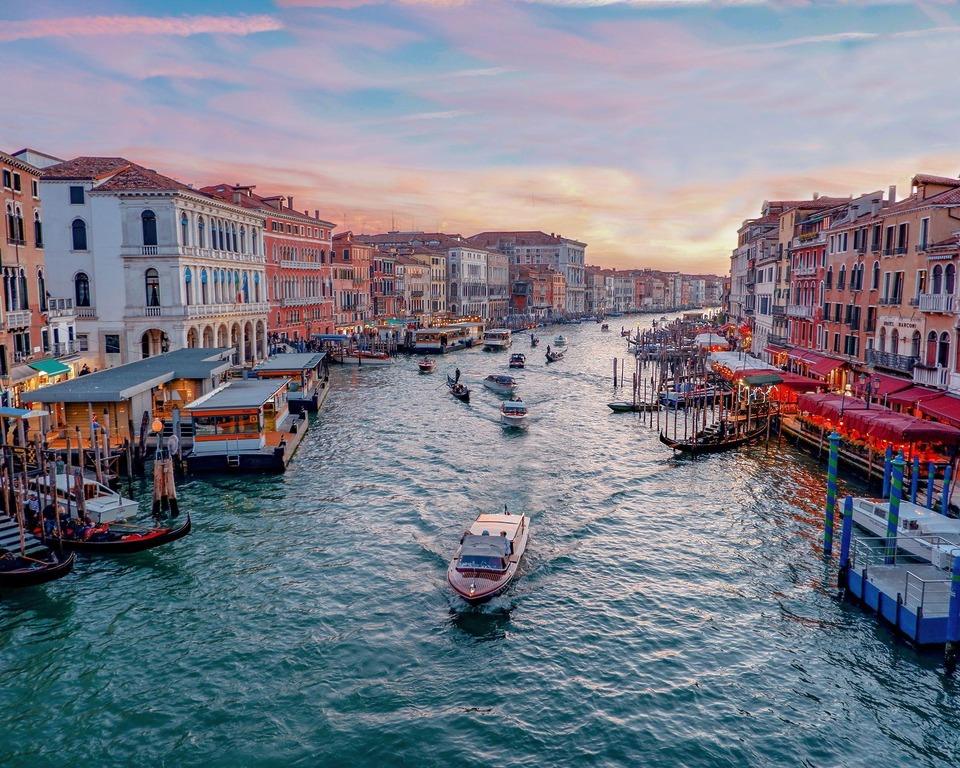

Venice is one of the most famous and unique cities in Italy, and it’s on the bucket list of travelers from all over the world.
Built on water, Venice has canals instead of roads, elegant bridges, historic palaces, and small squares hidden between old buildings. Gondolas move through the canals, boats pass constantly, and the city is full of life from early morning until late evening.

Venice can feel overwhelming at first. There are crowds, narrow streets, and many people trying to see everything at once. At the same time, just a few turns away from the main routes, you can still find quieter corners, small canals, and hidden gems that make the city feel special.
You could easily spend several days in Venice, but many travelers only have one or two days, especially when Venice is part of a longer Italy trip.
Ready to travel to Venice?
Here are my quick tips on what to book for your trip:
Best places to stay in Venice:
- Canaletto Luxury Suites – San Marco Luxury
- Carnival Palace – Venice Collection
- Best Western Plus Hotel Bologna
Best things to do in Venice:
That’s why I created this 2-day Venice itinerary: a realistic plan that helps you see Venice’s main highlights while avoiding unnecessary backtracking and leaving room to enjoy the city without rushing all the time.
First, we’ll see whether two days in Venice is really enough. Then I’ll give you a quick overview of how I would spend 2 days in the city, followed by a detailed itinerary with the main attractions for each day.
At the end of the article, you’ll also find practical travel tips, like the best time to visit, where to stay, and how to get around.
Let’s go step by step!
Is two days enough to visit Venice?
To be honest, two days are not enough to see everything in Venice, but many visitors simply don’t have more time. This guide is for them and helps plan the best possible short trip to Venice.
So if you only have 48 hours in the city and want to see the most important places for the first time, this itinerary is for you.
Here you’ll find my personal suggestions on what to see in Venice in 2 days, focusing only on the most interesting and must-see places.
Benefits of visiting Venice for 2 days
Spending just two days in Venice also has some advantages:
- Lower costs: Fewer hotel nights and less transportation mean a more affordable trip, even in an expensive city like Venice.
- Time efficiency: You focus only on the main highlights and skip less important areas, without feeling rushed.
- Perfect for first timers: Two days are ideal for a first visit, especially if Venice is part of a longer Italy itinerary.
- Less planning stress: You don’t need to organize a long vacation, but you still return home with unforgettable memories.
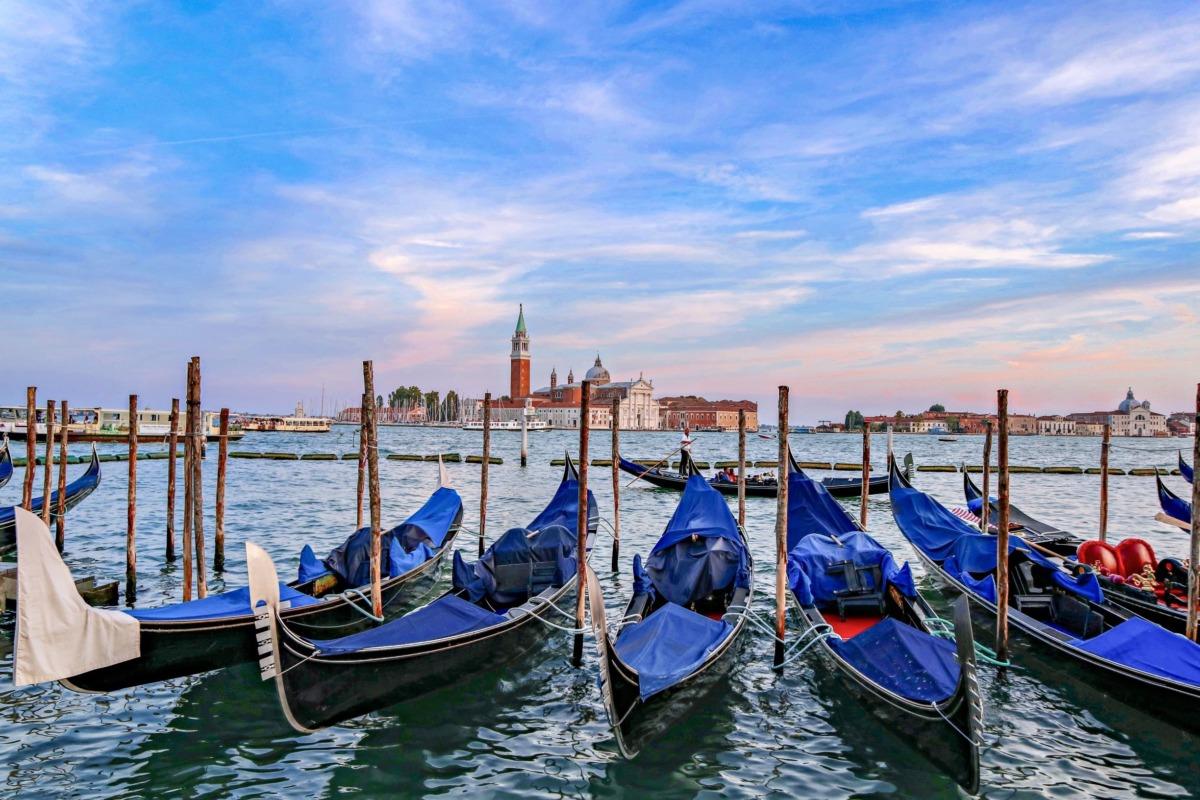
Now let’s see the overview. I’ll show you the main places worth visiting during your 2 days in Venice:
Quick overview of this 2-day Venice itinerary
- Day 1: St. Mark’s Square, St. Mark’s Basilica, Doge’s Palace, St. Mark’s Campanile, Rialto Bridge, Grand Canal
- Day 2: Burano & Murano
After the overview, I’ll show you all the details: a full two-day itinerary for the city of Venice with the main attractions, based on my personal tips and experiences from many visits to the city.
Detailed 2-day Venice itinerary: How I would spend 2 days in Venice
So here’s how I would spend 2 days in Venice and make the most of my time, focusing on the city’s must-see sights and enjoying the atmosphere along the way:
Day 1: St. Mark’s Square, St. Mark’s Basilica, Doge’s Palace, St. Mark’s Campanile, Rialto Bridge, Grand Canal
On the first day, we explore the most important sights of the historic city center by vaporetto and on foot, visiting the true must-see attractions both from the outside and the inside.
Morning: St. Mark’s Square, St. Mark’s Basilica, Doge’s Palace
Start your morning with Venice’s most famous sights. Your main destination is St. Mark’s Square.
Whether you walk or take the vaporetto, head first toward the Dorsoduro area, then cross the Accademia Bridge. From the bridge, you can enjoy one of the best views in Venice over the Grand Canal. Nearby, you’ll also find sights like the Gallerie dell’Accademia and Palazzo Cavalli-Franchetti.
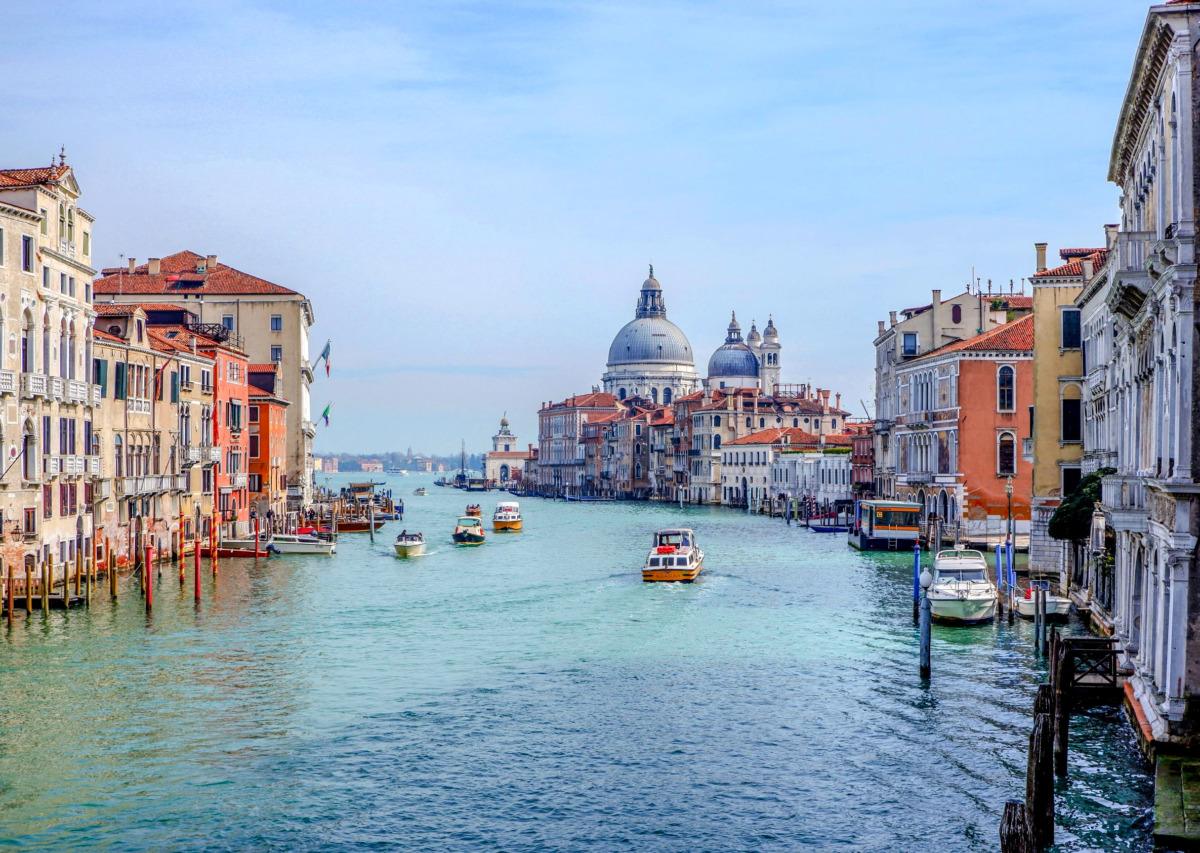
From here, continue on foot toward St. Mark’s Square. On the way, you’ll pass Campo Santo Stefano, a lovely square worth a short stop. In summer, you’ll find many outdoor cafés and restaurants here, while in winter there is usually a Christmas market.
As you keep walking, you’ll pass several interesting hotels, restaurants, and shops before finally arriving at St. Mark’s Square.
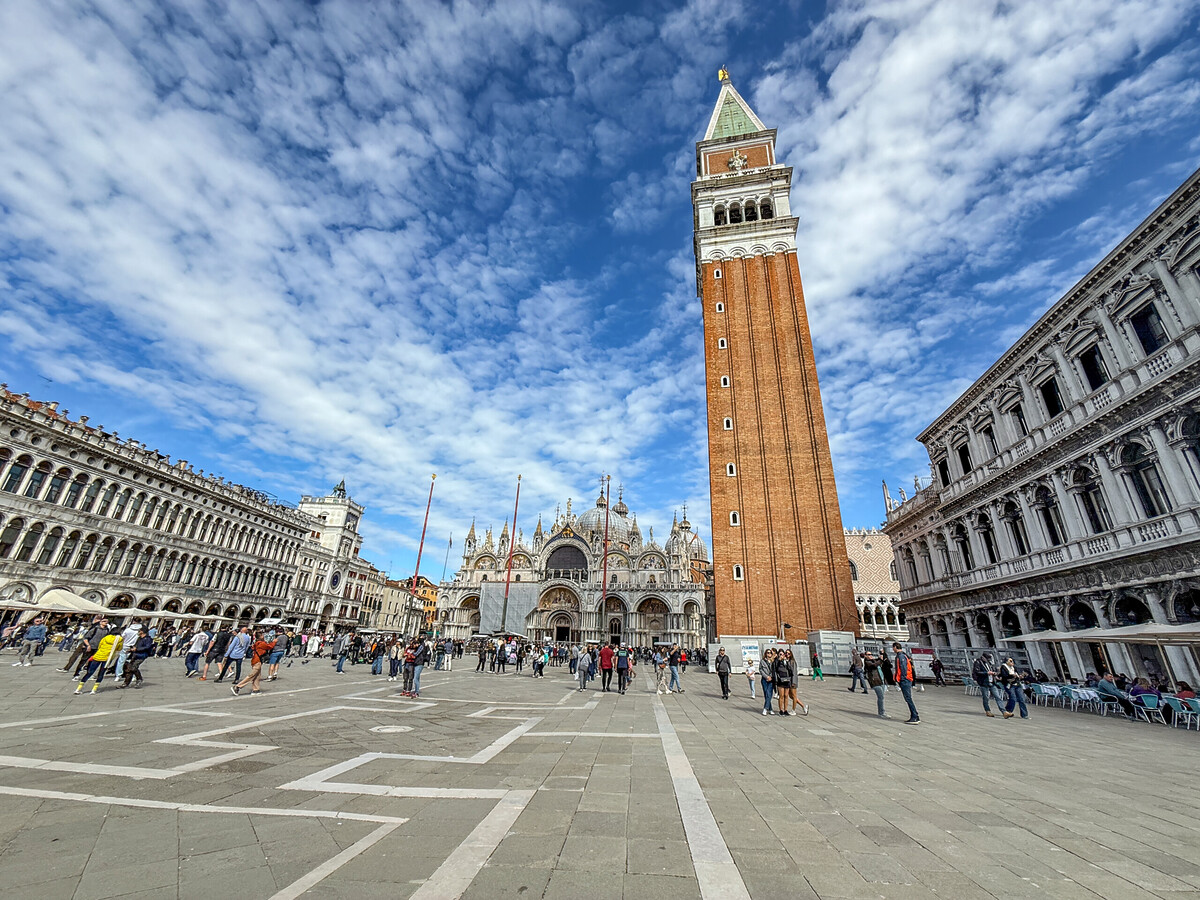
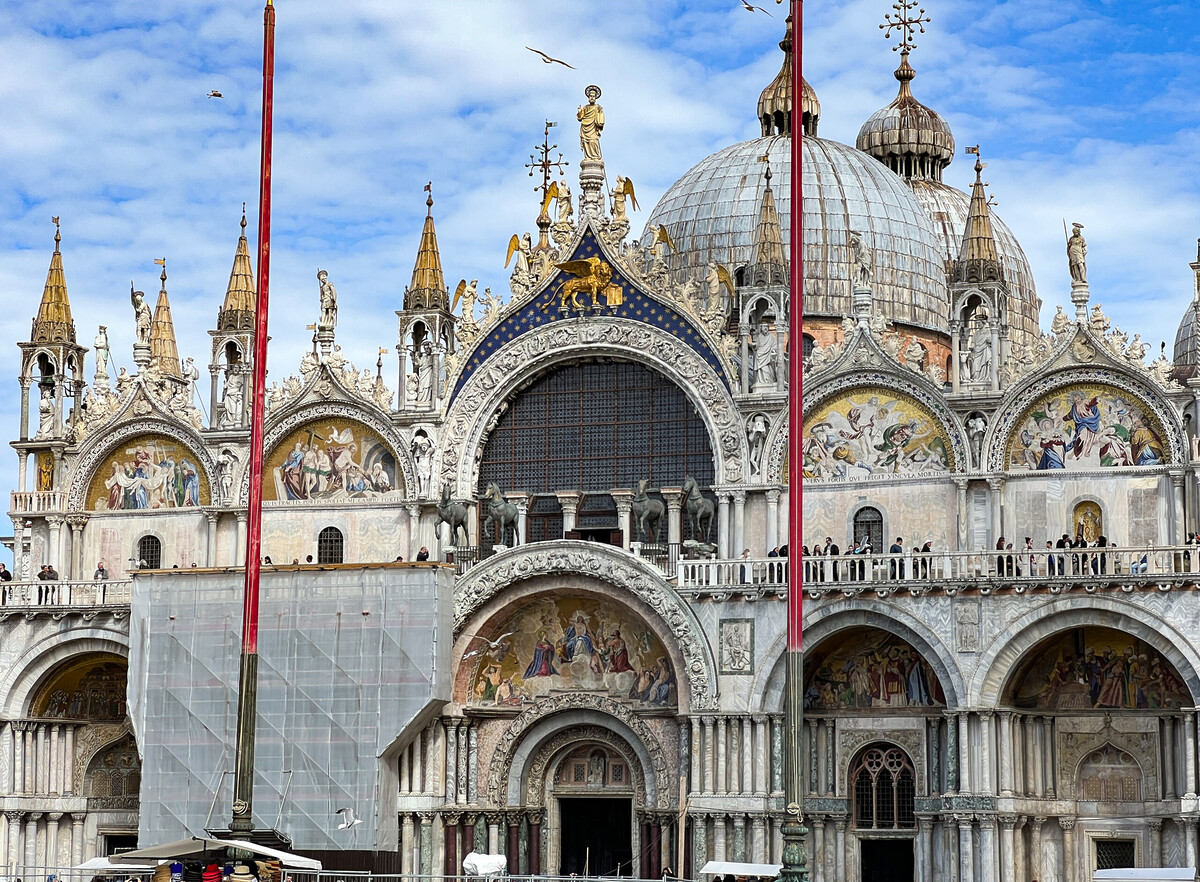
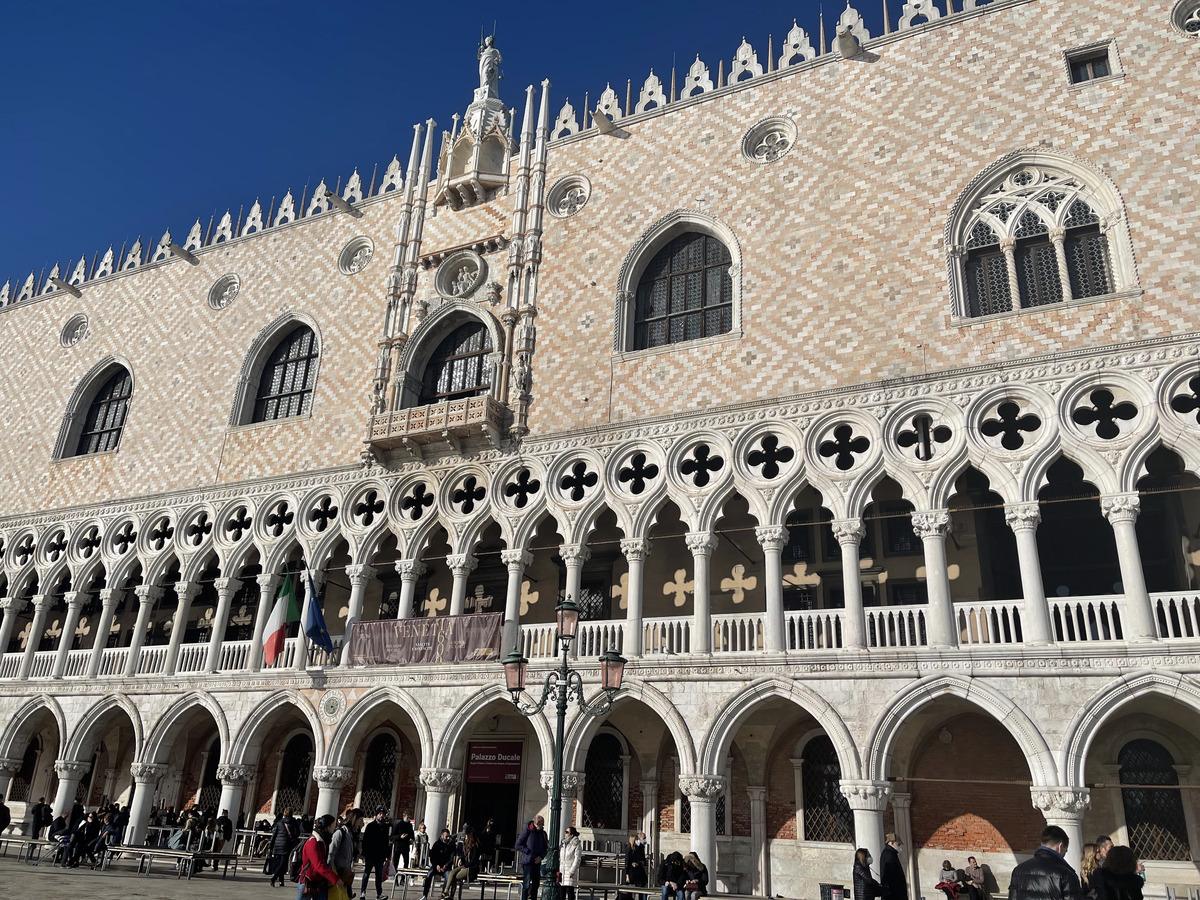
Take some time to walk around the square. Then visit St. Mark’s Basilica. You can enter the basilica with a ticket and see the interior as well. If you like history and art, I also recommend visiting Doge’s Palace, which is right next to the basilica. Both buildings are impressive from the outside, but the interiors are worth seeing if you have time.
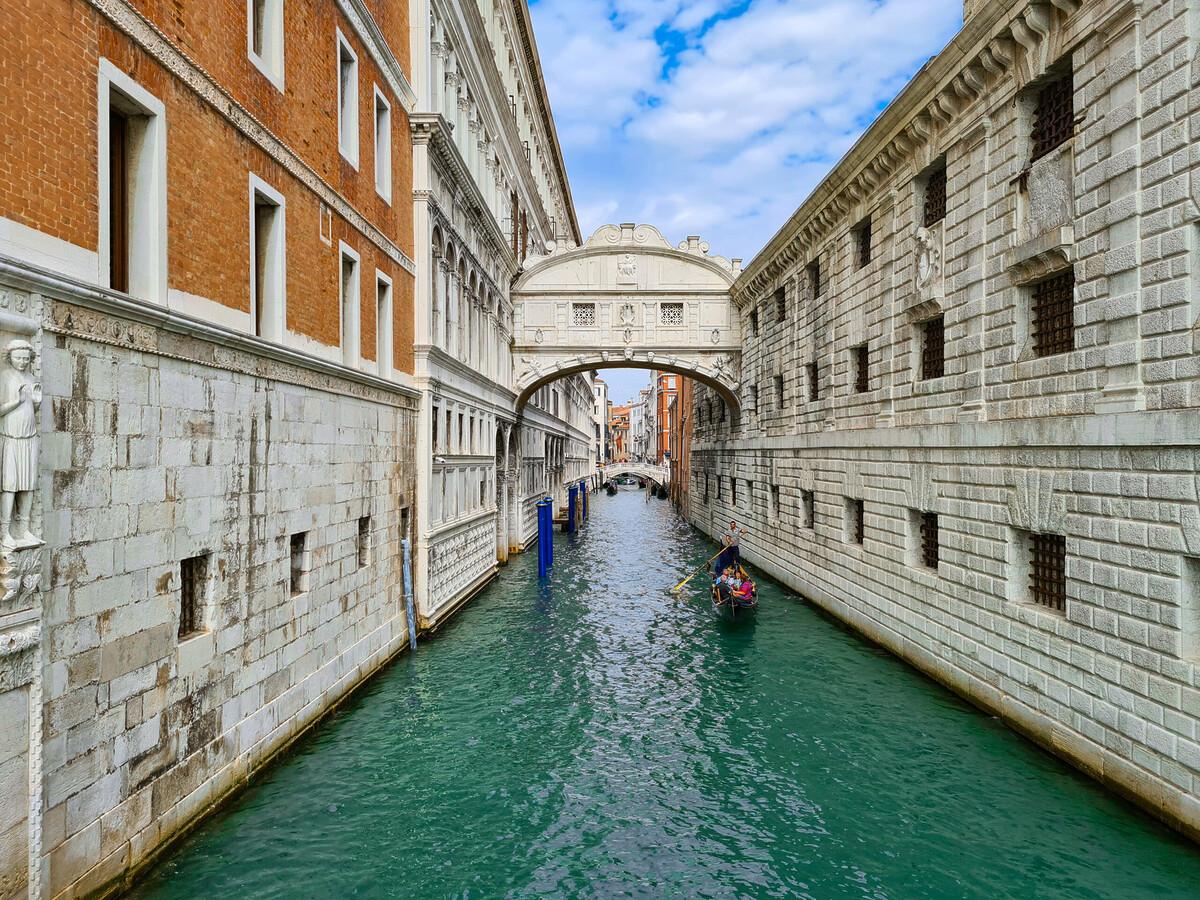
Next to Doge’s Palace, you’ll find the iconic Bridge of Sighs. You can see it for free from Ponte della Paglia (this spot is often very crowded), or you can view it from inside the palace.
Since walking to the square, exploring the area, and visiting the basilica and the palace can take several hours, it’s usually lunchtime or early afternoon by the time you finish.
Afternoon: St. Mark’s Campanile, Rialto Bridge, Grand Canal
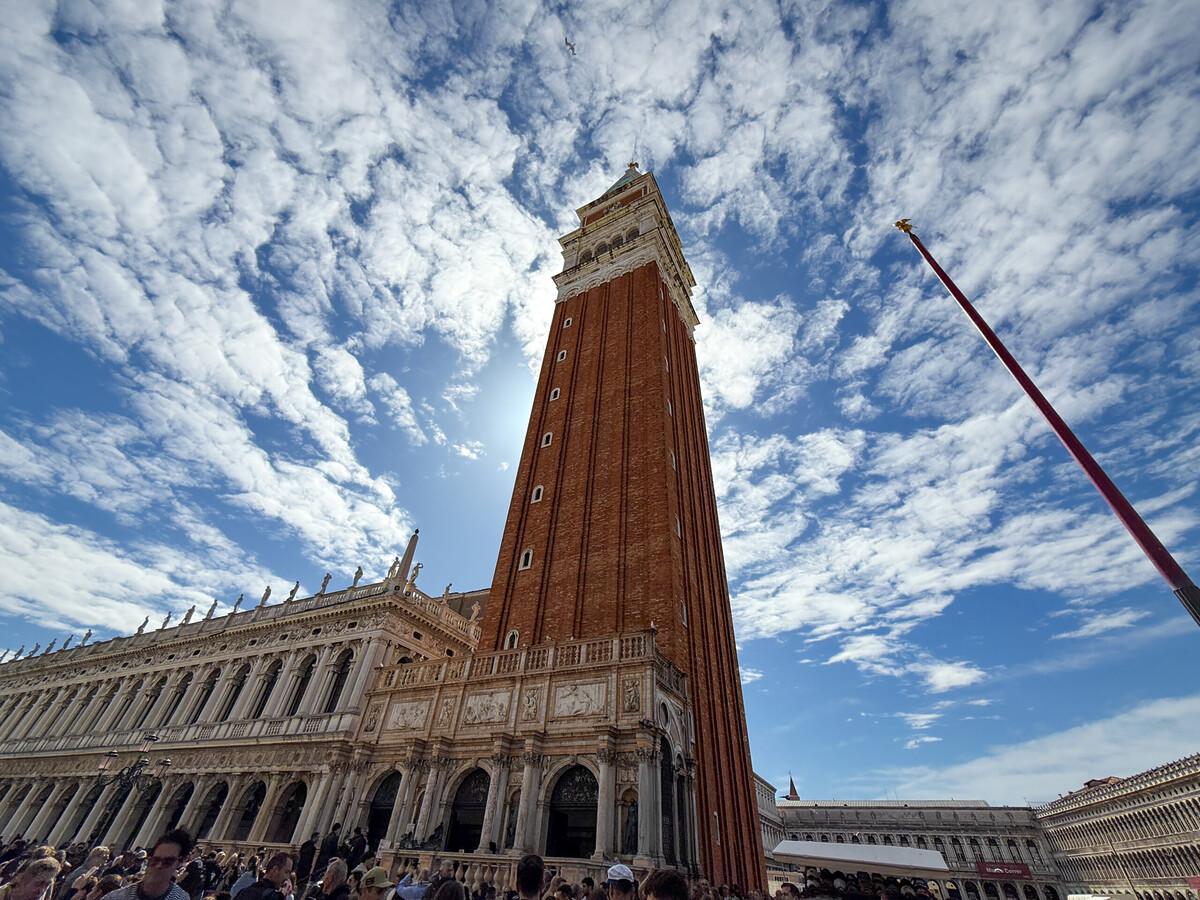
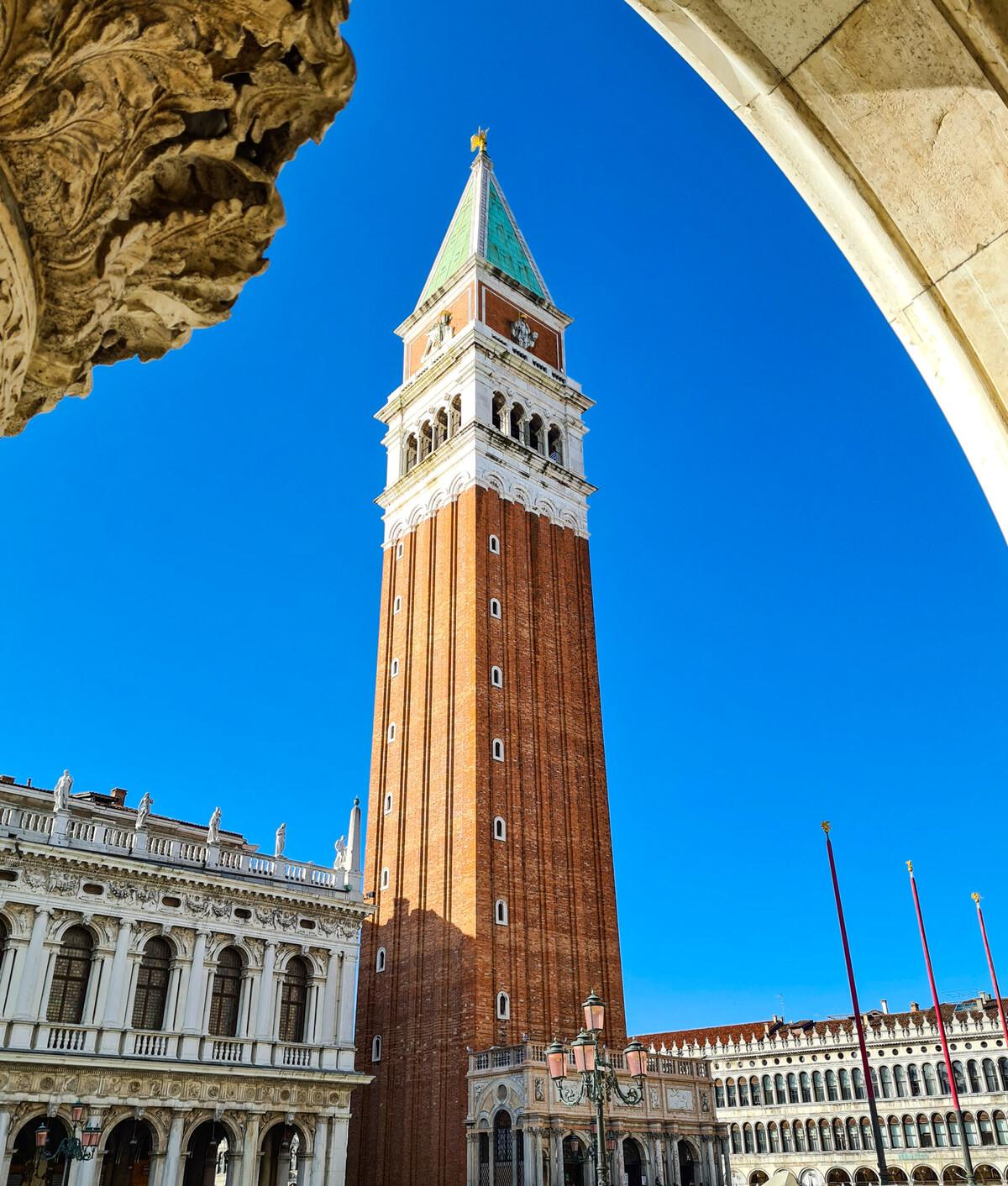
Optionally, if you have time and feel like it, you can also go up St. Mark’s Campanile. The tower offers beautiful views over Venice from above. You can take an elevator to the top, so the visit doesn’t take much time if there are no long lines. If you’re less interested in churches, another good option is to skip the basilica interior and visit the bell tower instead.
Around lunchtime or early afternoon, sit down at a restaurant near the square and enjoy Italian food. I don’t usually recommend eating directly on the square, but just a few minutes’ walk away you’ll find good options like Trattoria Da Gigi, Ristorante Noemi, and Rossopomodoro Venezia San Marco. All three are great choices for lunch.
After lunch, it’s worth heading toward the famous Rialto Bridge on foot or by vaporetto (walking is usually faster).
Just as a side note: almost all routes between Rialto Bridge and St. Mark’s Square are extremely crowded for most of the year. Even though the distance is short, this walk can feel slow and stressful because of the crowds.
Along the way, you’ll pass many interesting shops, a few gelato places, and some restaurants, but because of the number of people, browsing is often not very enjoyable.
Once you reach Rialto Bridge, take some time to explore the area. Enjoy the views from the bridge, looking both directions along the Grand Canal, and also walk around to see the bridge from below. The view is beautiful from every angle.

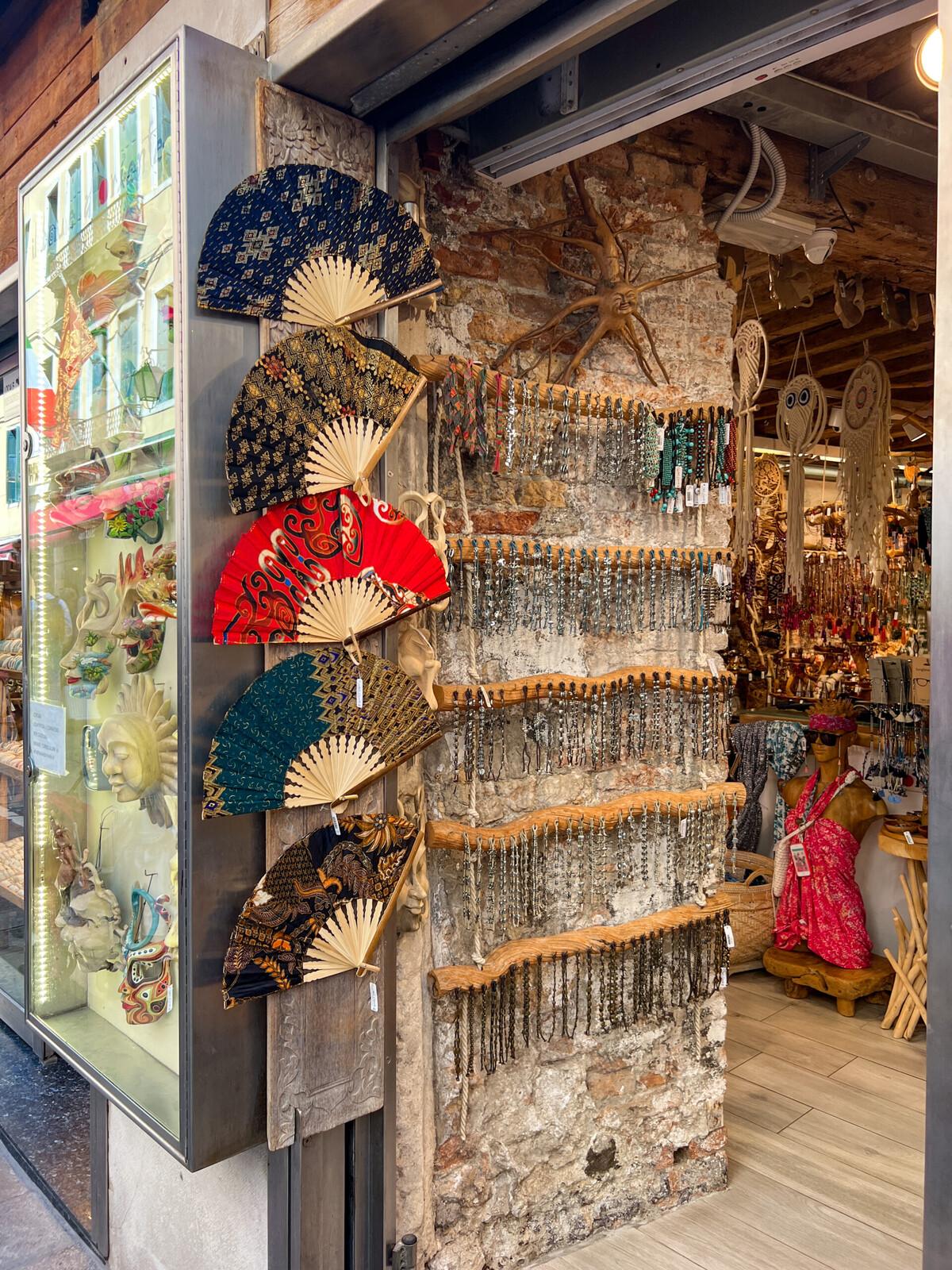
One important thing to keep in mind: the area around Rialto Bridge is known for pickpockets, so make sure to watch your belongings carefully in the crowds.
In the afternoon, you’ll likely still have a few free hours.
If you feel like something sweet, stop by Suso Gelatoteca. It’s one of the most famous gelato places in Venice.
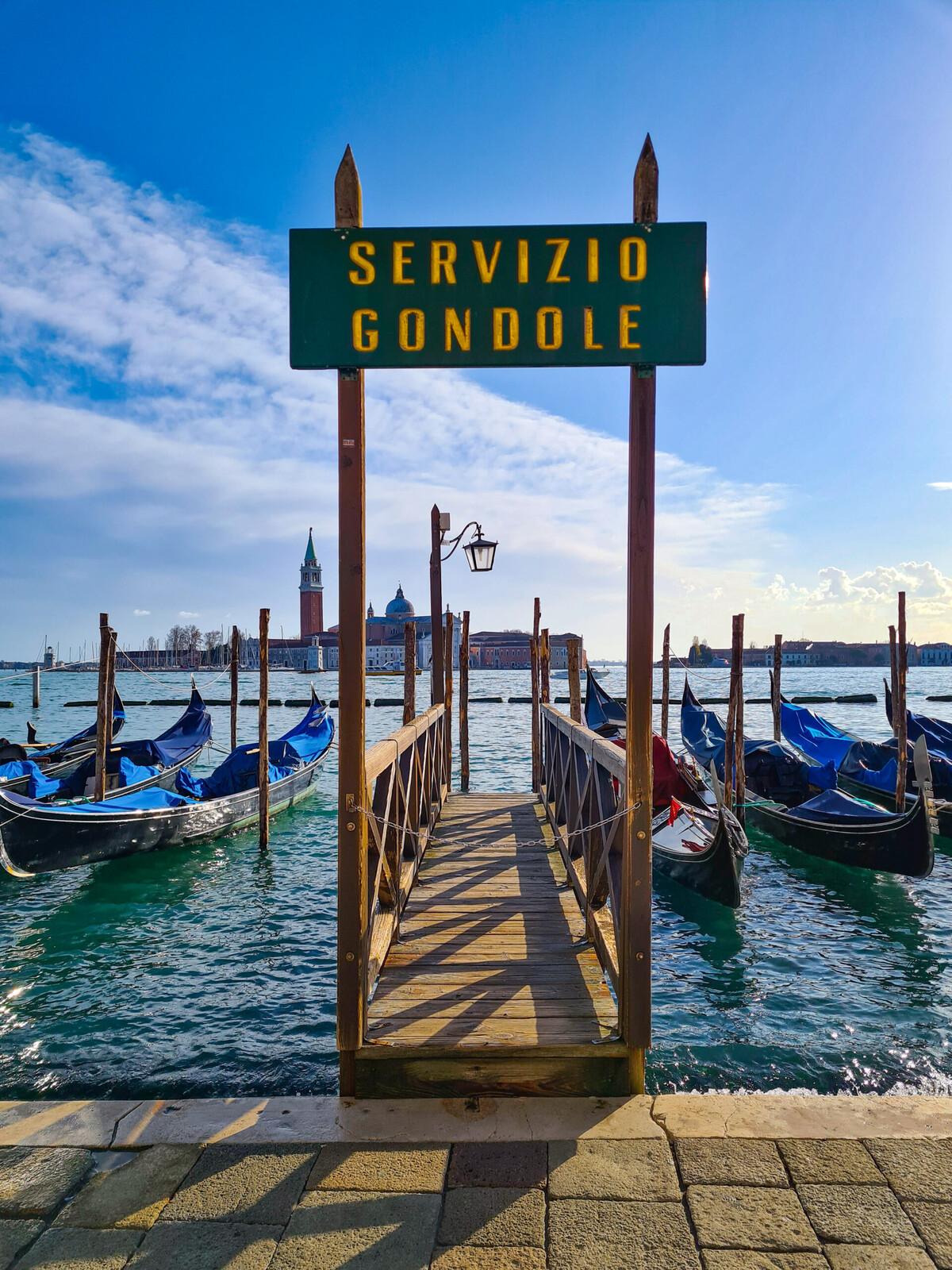
If you’re looking for a real Venice experience, try one of the gondola rides. Gondola tours are available at reasonable prices, and they offer a truly unique way to see the city. Riding through the smaller canals with a local gondolier is one of the most authentic experiences you can have in Venice.
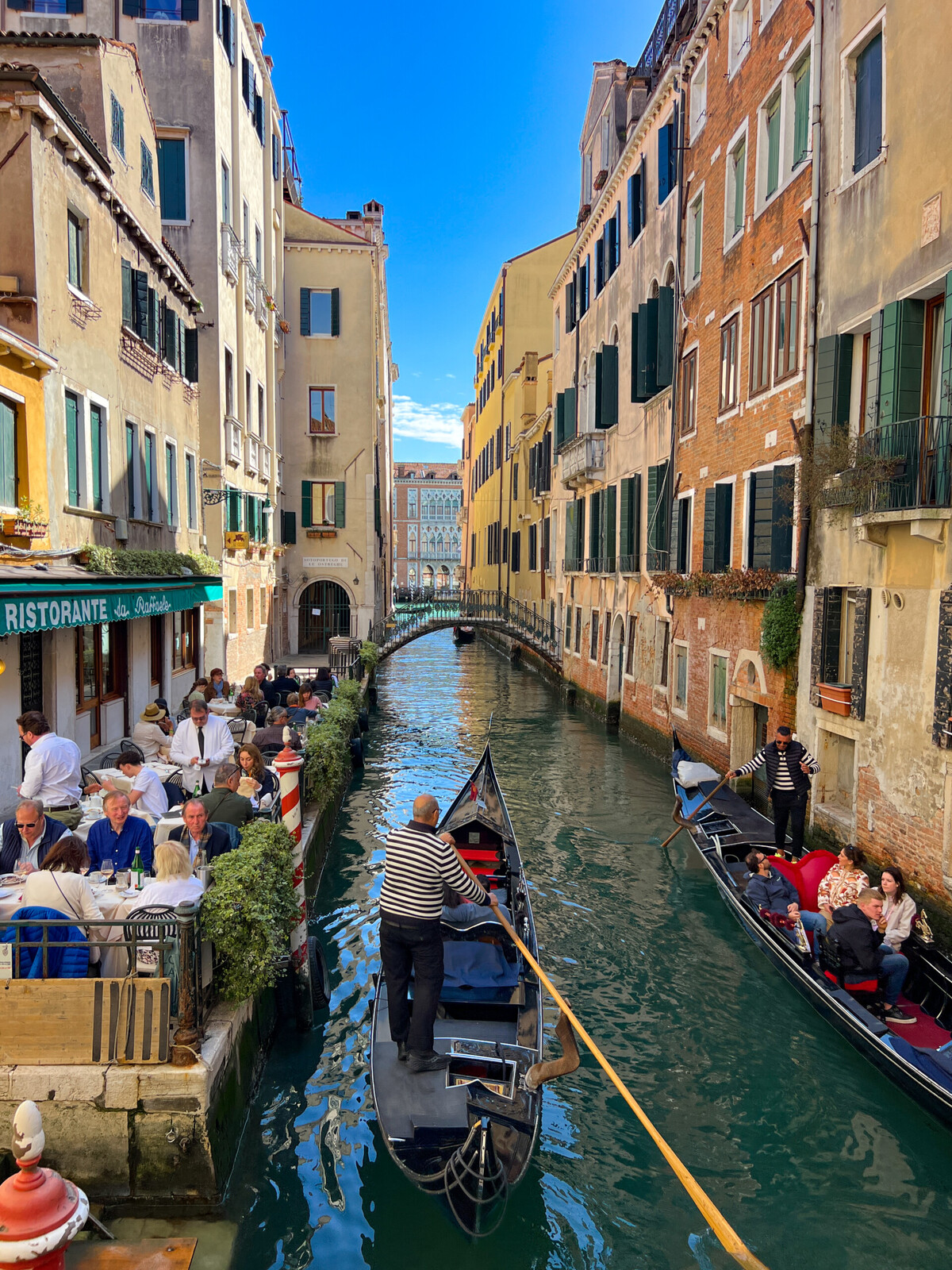
If you still have time and energy, continue exploring the city on foot. A good option is the Cannaregio area near Rialto. Here you’ll find many shops and restaurants, smaller canals, and a real local atmosphere. In some places, you can even enjoy views of the Grand Canal. It’s definitely worth the walk.

If you’re happy to walk a bit more, you can also visit the Arsenale di Venezia. This historic shipyard played an important role in Venice’s maritime power and is much quieter than the main tourist areas.
If you love art, Venice is the perfect place for you. There are many museums and exhibitions to choose from, including Ca’ Rezzonico, Peggy Guggenheim Collection, Gallerie dell’Accademia, Ca’ Pesaro International Gallery of Modern Art, and many others across the city.
If you enjoy shopping, the main routes between St. Mark’s Square, Rialto, and Piazzale Roma offer the widest selection of stores.
In the evening, sit down for a relaxed Italian dinner, maybe with an Aperol Spritz. You can choose one of the restaurants mentioned earlier or visit one of my personal favorites in Venice, Ae Oche.
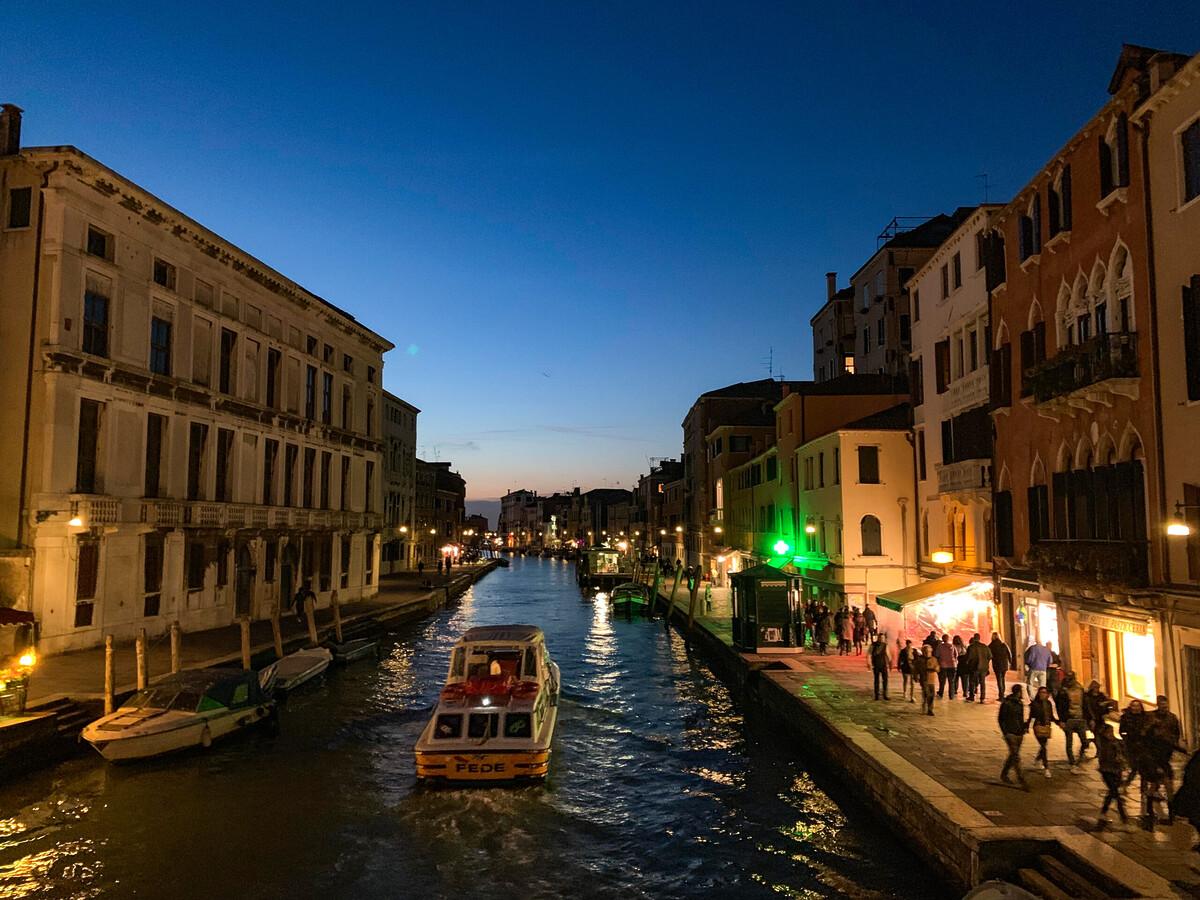
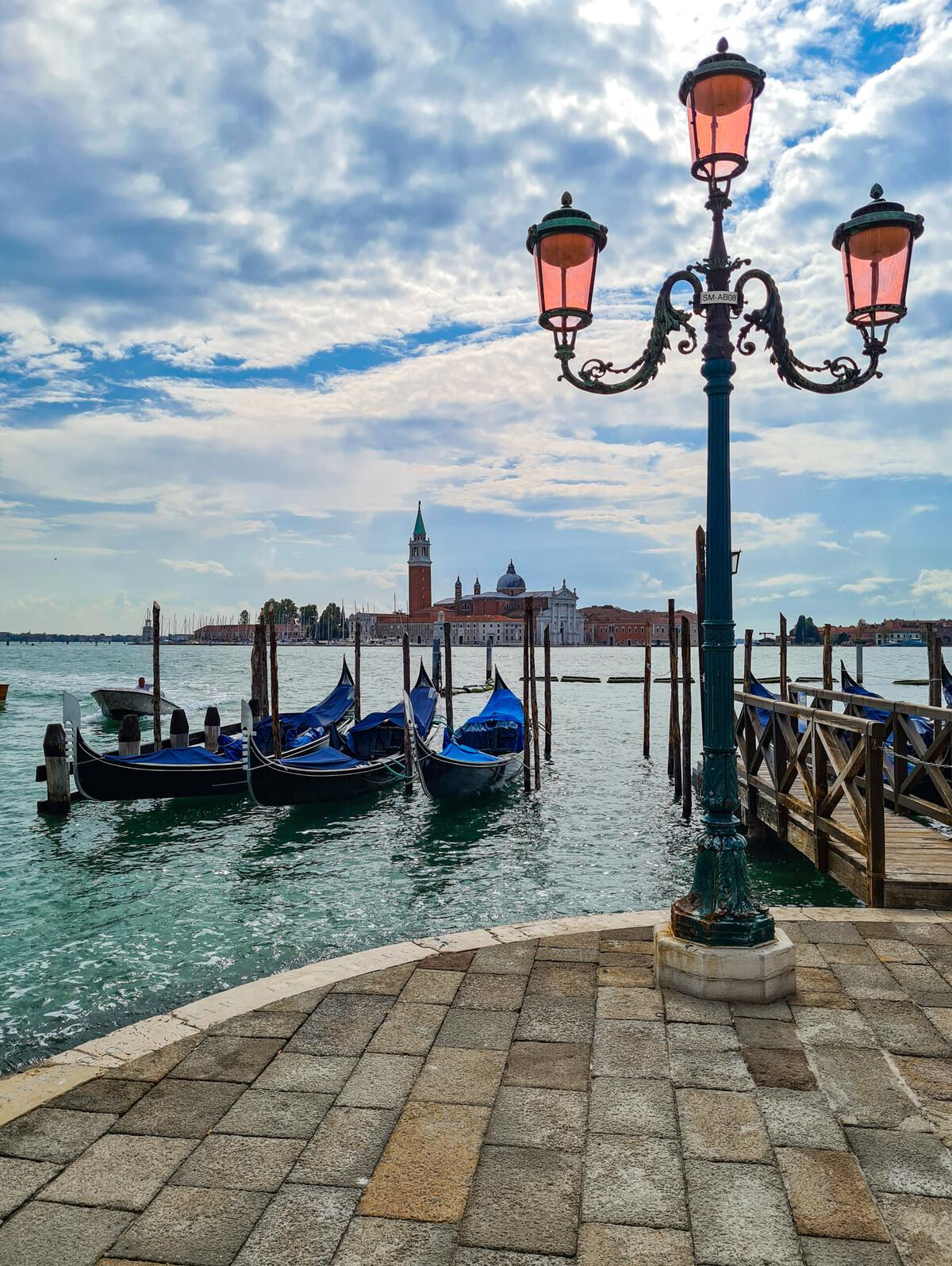
It’s worth staying in Venice until sunset. While there isn’t much sightseeing after dark, the city looks beautiful in the evening lights.
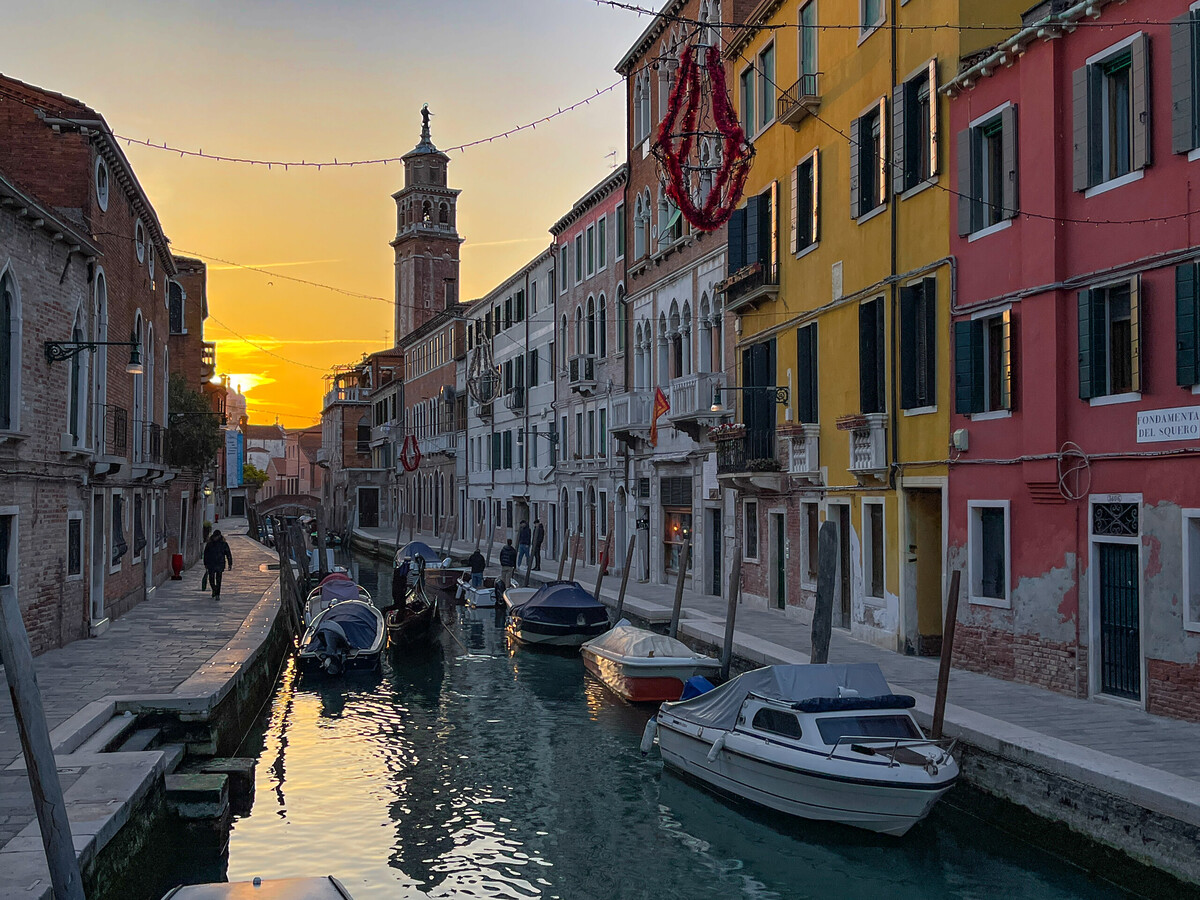
Evening pro tip: In the evening, head to Cannaregio or San Polo and look for small local bars called bacari.
Order an Aperol spritz and try cicchetti, the famous small Venetian snacks. This is one of the best ways to enjoy Venice after sunset.
After dinner, enjoy a short walk, then get some rest. Tomorrow will be another busy day.
Day 2: Burano and Murano
Start your second day by visiting Venice’s most colorful and interesting lagoon islands: Burano and Murano.
It’s best to visit Burano first, even though it’s farther away. Burano gets very crowded during the day, so going early in the morning (or late in the afternoon) helps you avoid the biggest crowds.
Morning: Burano
Burano is a small island in the Venetian Lagoon, made up of several tiny islands connected by bridges. You can reach it by vaporetto from Venice, Treporti, or other nearby islands.
From Venice, the trip takes a little over one hour by vaporetto (sometimes with a transfer in Murano). From Treporti, it’s only about 20 minutes.
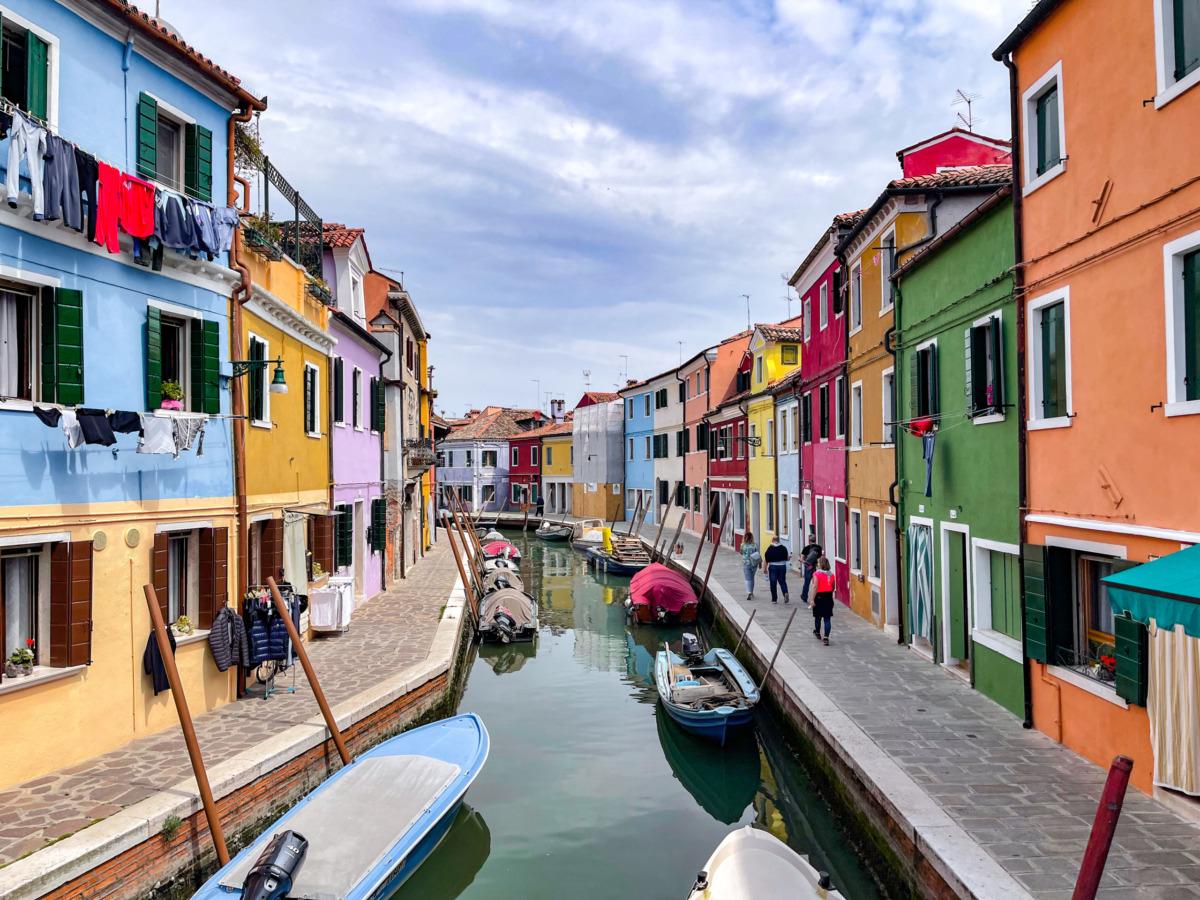
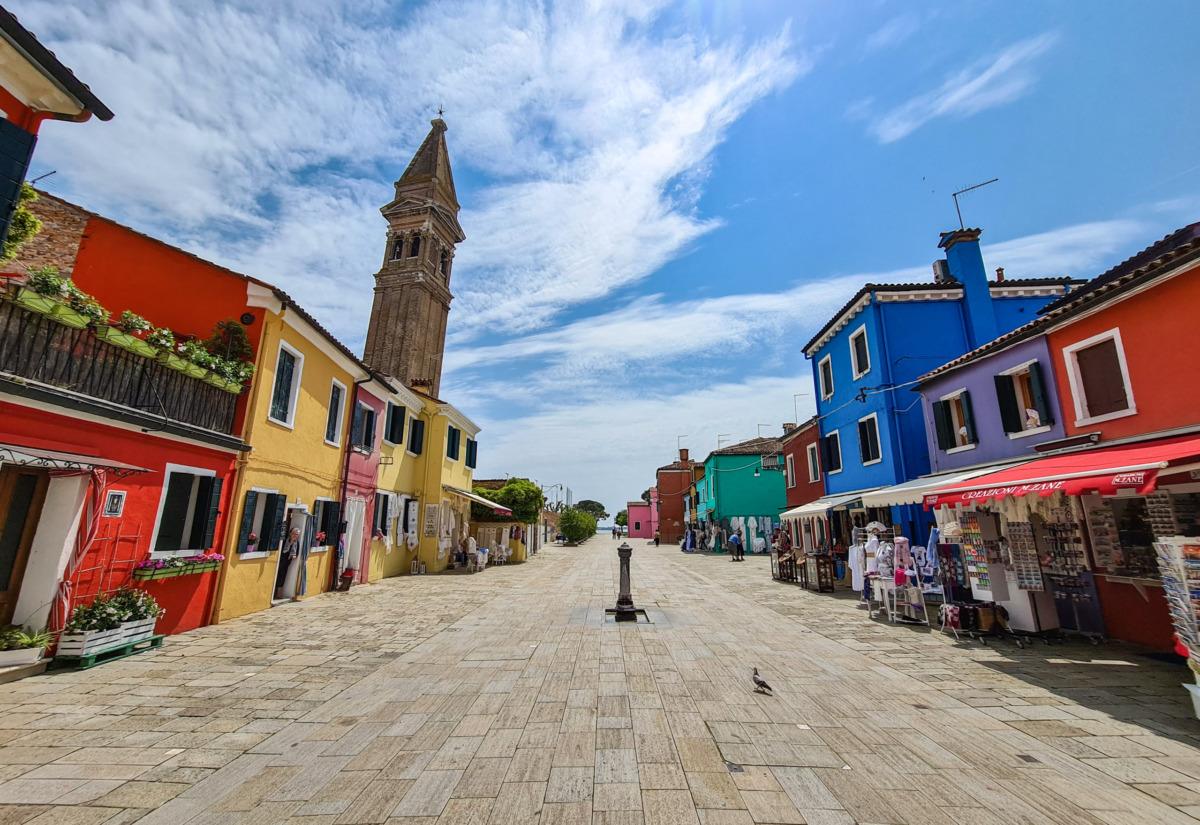
Burano is famous for its brightly colored houses and its long lace-making tradition. Some of the church towers even lean slightly, which makes the island feel a bit unique.
Walk along the canals, take photos, browse local shops, and look for handmade lace products. Burano is one of the most beautiful and photogenic places around Venice.
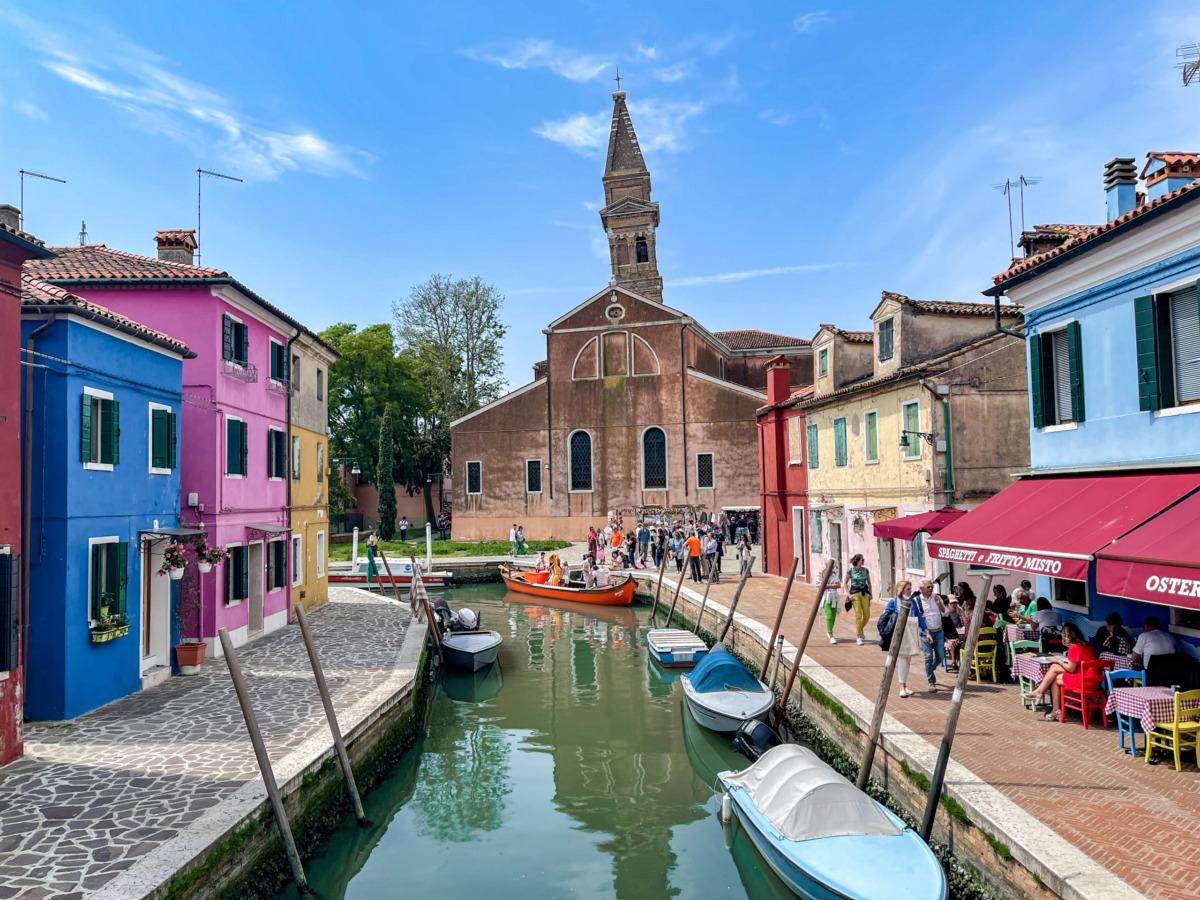
For lunch, choose one of the many pleasant Italian restaurants in the center of the island. Two good options are Ristorante Pizzeria Principe and Trattoria Da Primo.
Afternoon & evening: Murano
In the afternoon, take the vaporetto to Murano, the other famous island group in the lagoon. The ride from Burano takes about 30 minutes.
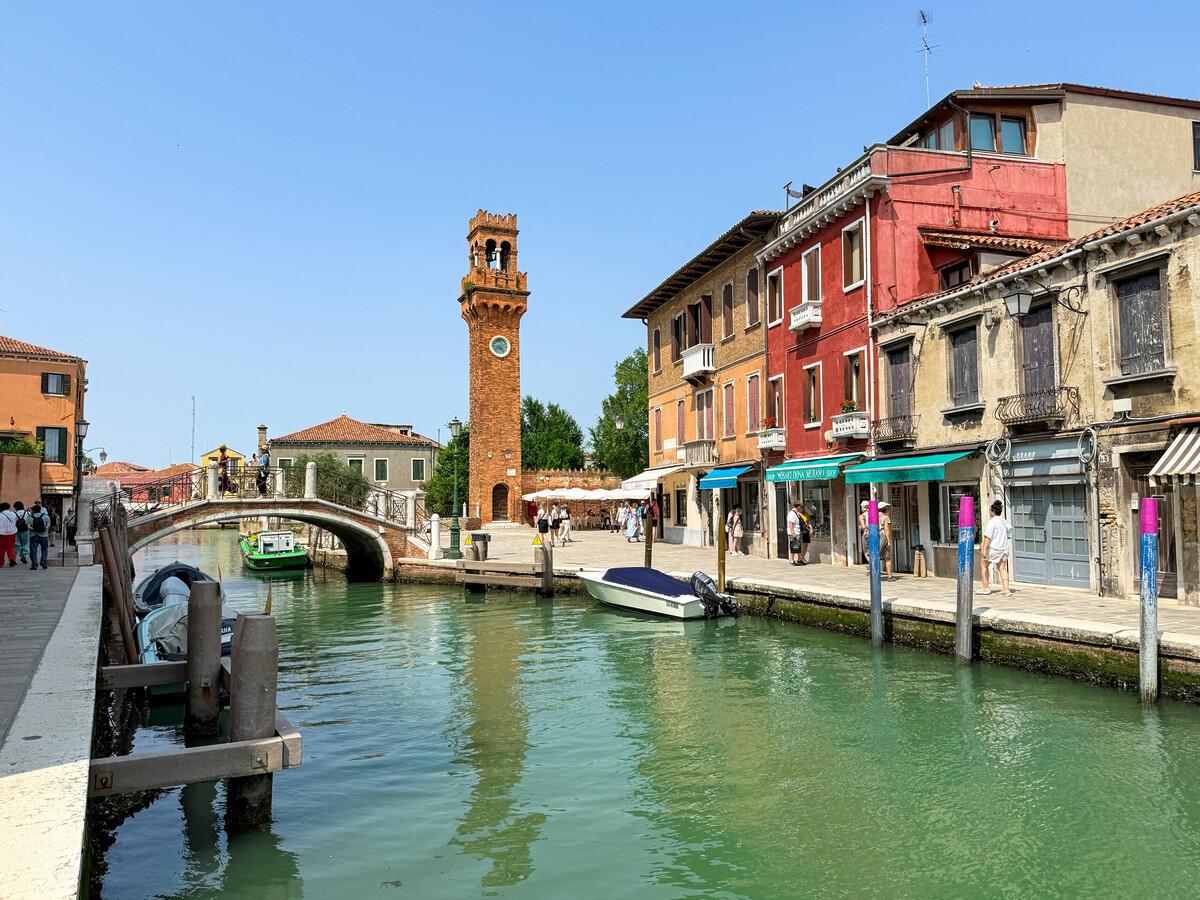
Murano is world-famous for glassmaking, and you’ll find beautiful glass products all over the island. My personal favorites are Murano glass jewelry, which also make great souvenirs.

Some of the best places to visit include glass workshops like Original Murano Glass OMG Factory & Showroom and AZ Vetri S.r.l..
For photos, I especially love the bridges over the Rio dei Vetrai canal.
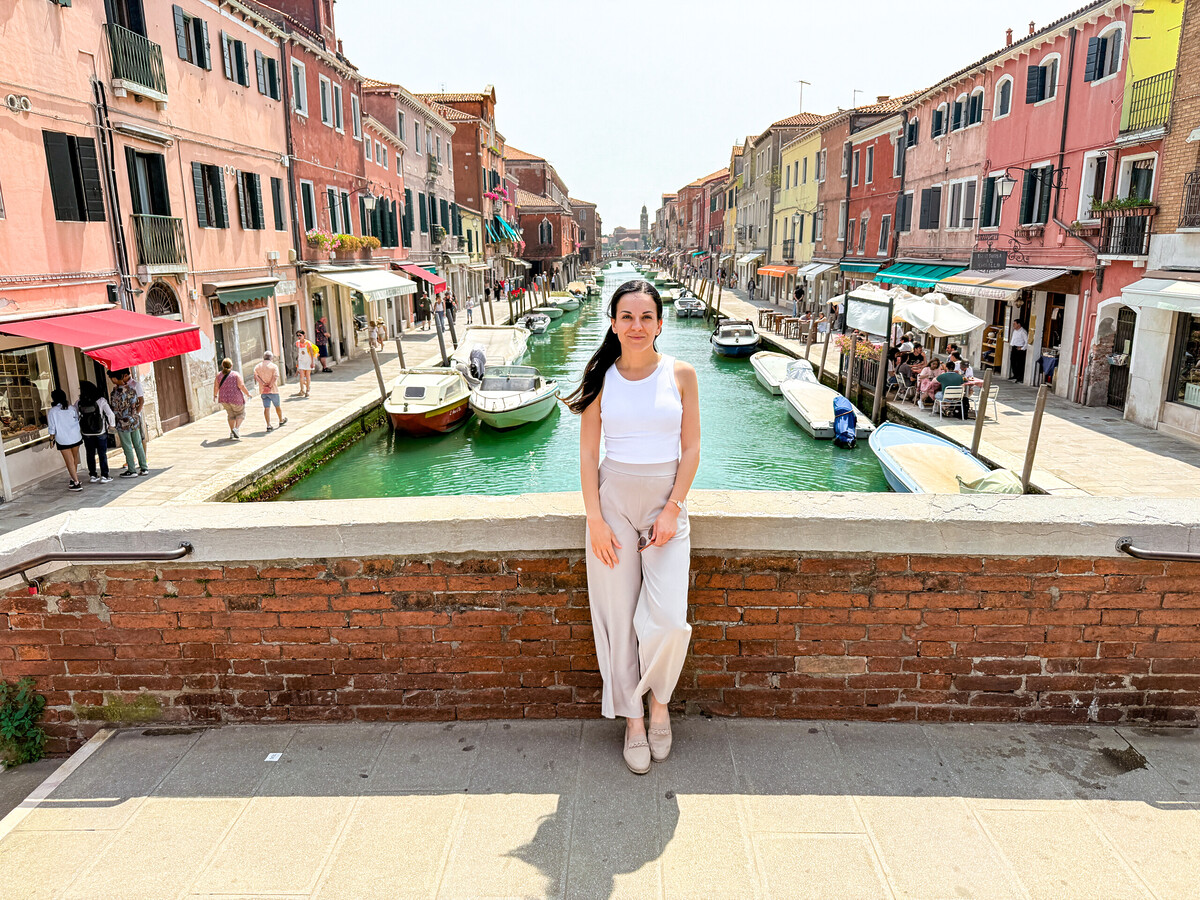
Other highlights include the Glass Museum and the Basilica dei Santi Maria e Donato, one of the oldest churches in the lagoon.
For dinner, stay on Murano and eat at one of the local restaurants. I recommend Pizzeria Marlin Ristorante in a central location or Approdo Pizzeria Ristorante, close to the vaporetto station.
Visiting Burano and Murano will likely take you until the evening. After dinner, return to Venice or head back to your hotel and enjoy your final moments after an event-filled second day.
The evening of Day 2 marks the end of this 2-day Venice itinerary.
But keep scrolling, because more useful travel tips for visiting Venice are waiting below!
What to know before planning your 2-day Venice trip
If you plan to visit Venice, it’s good to know a few things before you go.
Here are some general travel tips that will help you prepare for your trip:
What else to be prepared for when visiting Venice
- Acqua alta (high water): High water usually happens in winter and only occasionally. When it does, temporary walkways are installed, so it normally won’t ruin your trip.
- Parking problems: If you arrive by car, come early, as parking can be difficult. Tronchetto is a farther but cheaper parking option. Piazzale Roma is closer to the historic center but more expensive. Most parking garages charge a daily rate, except San Andrea Parking, which charges every two hours. If you stay less than 8 hours, this can be the better option.
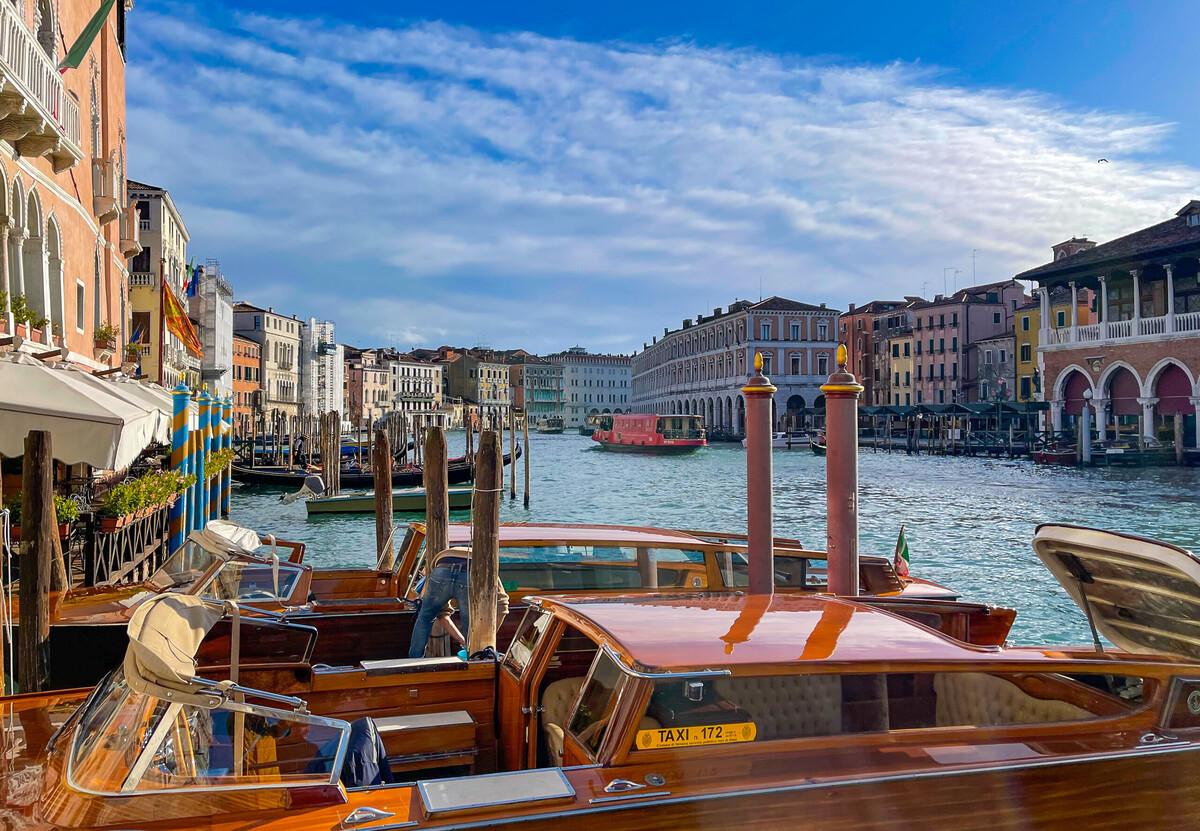
- Try a traghetto: A cheaper gondola option and a form of public transport. For a few euros, it takes you across the Grand Canal from one side to the other.
- A lot of walking: If you don’t want to wait for vaporettos all the time or pay high ticket prices, be prepared to walk a lot. Venice is best explored on foot.
- Find the best food: You’ll find many street food places along the way, but the best Italian restaurants are often hidden in quieter streets. Don’t hesitate to explore beyond the main routes.
- Try cicchetti: Cicchetti are small Venetian bar snacks, served in local bacari. Order a few bites and a spritz or a glass of local wine.
- Cash: Always carry some cash in Venice. You may need it in several places.
- Paid public toilets: Public toilets in Venice are paid. They cost a few euros, and cash is required.
Venice travel budget for 2 days
Setting a travel budget for Venice is not easy, and I can only give you approximate numbers. The prices below are calculated for two people.
If you travel outside the peak season, accommodation usually starts from around €80–100 per night, and there is no real upper limit. In the historic city center of Venice, average 3–4 star hotels cost about €200–400 per night, and usually a bit more in high season. If you stay farther away, for example in Mestre, you can find good hotels for €100–200 per night.
Transportation costs depend a lot on how much time you spend in the historic center, whether you arrive by car or public transport (parking is very expensive), and whether you are willing to walk a lot or prefer using the vaporetto.
Food costs also depend on your preferences. Venice has many street food places where you can eat a large slice of pizza or a sandwich for a low price, but there are also great Italian restaurants where you should expect to pay at least €20–30 per person per meal. It’s important to note that many restaurants charge a coperto (table service fee), and a 10–15% service charge is also common.
Overall, in shoulder season, for two people spending two days in Venice, you can expect an average cost of around €300–600, plus transportation to and from the city.
During peak season, it’s even more, somewhere between €400 and €800 for two people for two days.
Venice is not a cheap destination, but if you pay attention to your spending, you can manage your trip on a reasonable budget.
Where to stay in Venice
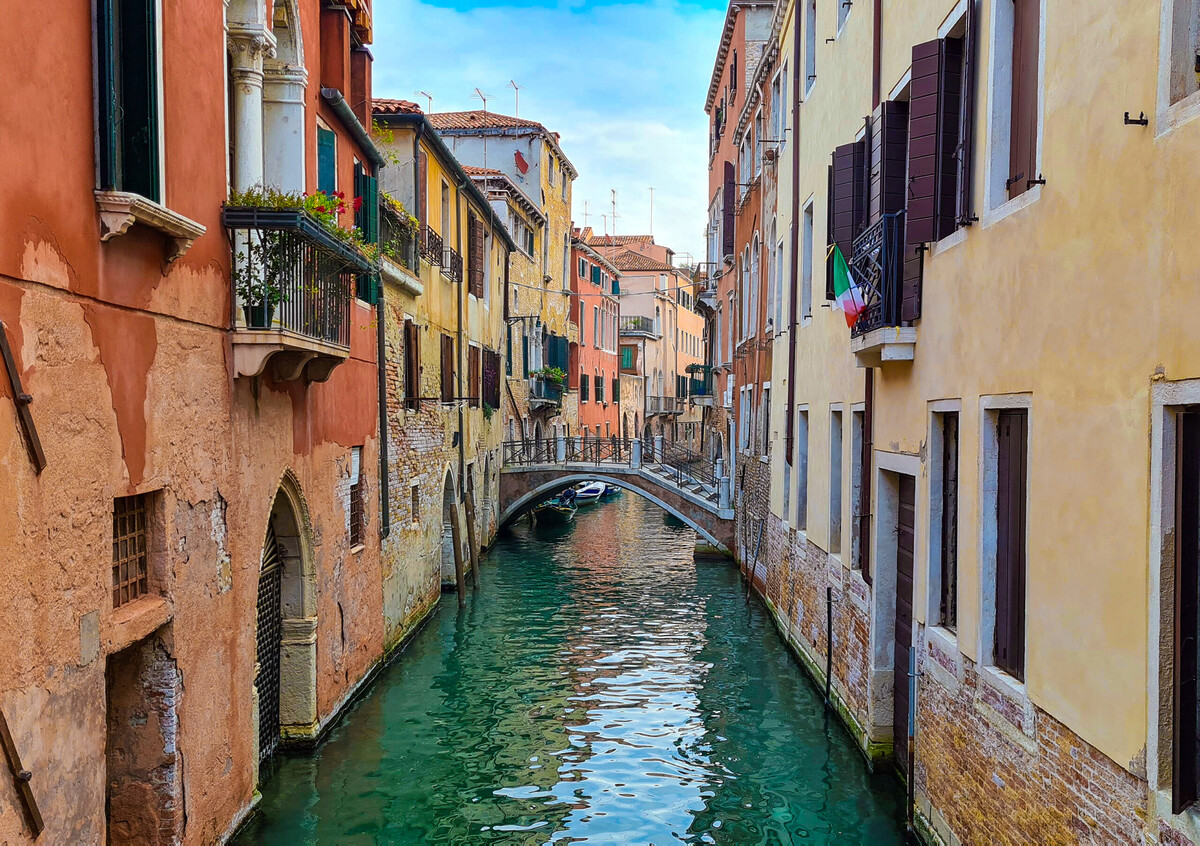
Where to stay in Venice depends on your budget and travel plans.
Staying in the historic city center is usually more expensive, and parking can be difficult. However, it saves you time, and with the right hotel, you may even enjoy beautiful views directly from your room.
If you would like to stay in the city, I recommend the following areas and hotels:
- Canaletto Luxury Suites – San Marco Luxury: A 4-star hotel with stunning views over St. Mark’s Square, excellent facilities, and a very central location. It’s not cheap, so I mainly recommend it if you’re looking for one of the best views in Venice and want to stay right in the heart of the city.
- Carnival Palace – Venice Collection: A more affordable 4-star hotel located in the Cannaregio district, just a few streets from the train station. A good choice if you want a comfortable stay in Venice without paying luxury prices.
If you want to save money or plan to spend only one day in the historic city center, I suggest staying outside the historic islands of Venice. We often choose this option ourselves, as it’s much more convenient when traveling by car.
Areas like Mestre or Marghera are officially part of Venice, but they are located on the mainland. From here, you can reach the historic center easily by train or bus.
Hotels in these areas are usually much cheaper than on the islands, making them a great option for budget travelers.
For this option, I also have two recommendations:
- Best Western Plus Hotel Bologna: A 4-star hotel in Mestre, and one of our frequent choices when visiting Venice. It offers excellent value for money and has its own parking, which is very convenient if you’re traveling by car.
- voco Venice Mestre – The Quid by IHG: Another good option in Mestre, located a bit farther from Venice’s main sights, next to a shopping center. It also has a good price-to-quality ratio. I recommend it mainly if you’re arriving by car and don’t mind staying slightly outside the center.
Best time to visit Venice
Many people first think about summer when planning a trip to Venice. In my honest opinion, summer is extremely crowded, often uncomfortable, and too hot for sightseeing. Walking around the city and enjoying the sights can feel exhausting during this time.
Personally, my favorite months to visit Venice are April, May, and October.
In April and May, the weather is pleasant and ideal for sightseeing and photography. Prices are usually lower than in the peak summer season, and the city feels lively without being overcrowded.
October is another great month to visit Venice. While crowds and prices can still be higher than in spring, the first half of October is especially nice, with comfortable temperatures and a good atmosphere for exploring the city.
I only recommend winter if you’re visiting Venice for the Christmas markets, New Year’s celebrations, or the Venice Carnival, and if you don’t mind cold weather. Otherwise, winter is not the best time to visit.
Overall, if you’re looking for the best time to visit Venice, my personal recommendation is April, May, or early October.
How many days to spend in Venice ideally
In my opinion, two days are enough to get a good first impression of Venice.
We often visit the city even on day trips. Of course, with only one day, you can see fewer sights. But if you have the chance to return to Venice, even 1–2 days per visit can work well.
If you’re a big fan of history and culture, you might want to spend 3–4 days in Venice.
Still, for most travelers, 2 days are enough to see the main highlights.
How to get around Venice in 2 days
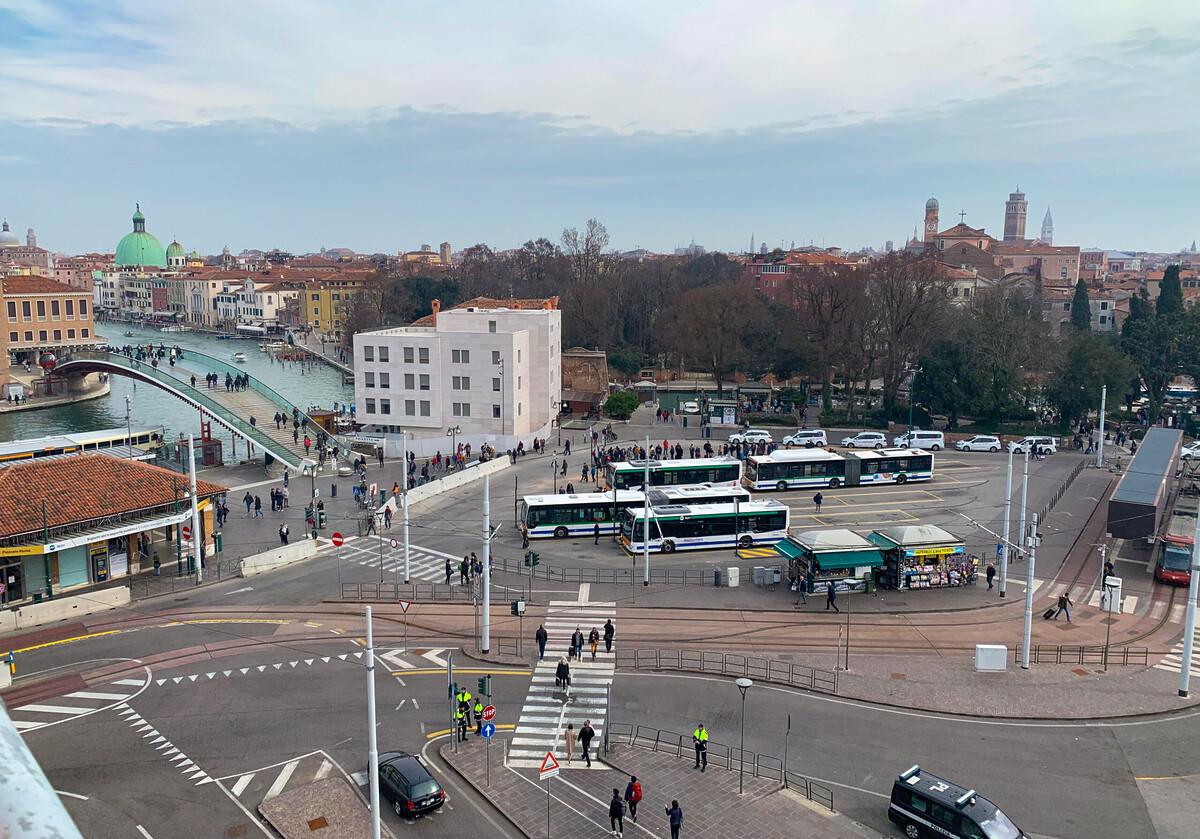
You can reach Venice’s historic area up to the Piazzale Roma by car, bus, boat (including water taxi), or train.
Parking by car can be difficult. Parking garages are often full, and police sometimes redirect drivers to the Tronchetto Parking, which is farther away.
For this reason, if you don’t need to use a car, it’s usually better to choose another way to get into the city.
From Piazzale Roma, there are only two ways to move around the islands: on foot or by vaporetto. Vaporetto tickets are not cheap, and waiting times can be long. When walking is an option, I usually choose that.
This is why it’s important to be prepared for a lot of walking in Venice. Walking is often the easiest and fastest way to explore the city.
The only exceptions are Murano and Burano, which you can reach only by vaporetto or water taxi.
Is there an entrance fee to Venice?
After a long planning period, Venice has recently introduced an entrance fee for the historic city center, also called the “Ancient City.”
The fee is €5 or €10 per person per day, depending on when you buy it. It mainly applies on weekends and public holidays.
At the moment, the fee is only valid for the historic city center. If you stay in a hotel inside Venice, the entrance fee is free, but you may need to register.
It’s a good idea to buy the ticket in advance, as the price is lower when purchased early.
You can check the exact dates when the fee applies and buy the ticket here.
Is the Venezia Unica City Pass worth it?
Venezia Unica is the official city pass of Venice.
You can use it to add and manage different services, such as:
- public transport tickets (ACTV)
- airport shuttle tickets
- museum entrance tickets
- digital city guide
- even public toilet access
Whether it’s worth buying depends on how you plan to travel.
If you’re spending 2 days in Venice and plan to use the vaporetto several times, then buying an ACTV 1-day or 2-day public transport pass is definitely worth it.
Since this itinerary includes trips to Murano and Burano, a 1-day ACTV pass is especially good value for that day. Within Venice itself, the pass is worth it if you plan to use the vaporetto more than once.
So yes, if you follow this itinerary, I recommend buying a 1-day or 2-day ACTV pass.
You can purchase it through the Venezia Unica system and add the services you need.
More places to visit near Venice
If you have more time in the area, it’s worth planning a few day trips from Venice. Northern Italy offers many interesting cities and beautiful natural places that are easy to reach.
Here are my suggestions:
Trieste
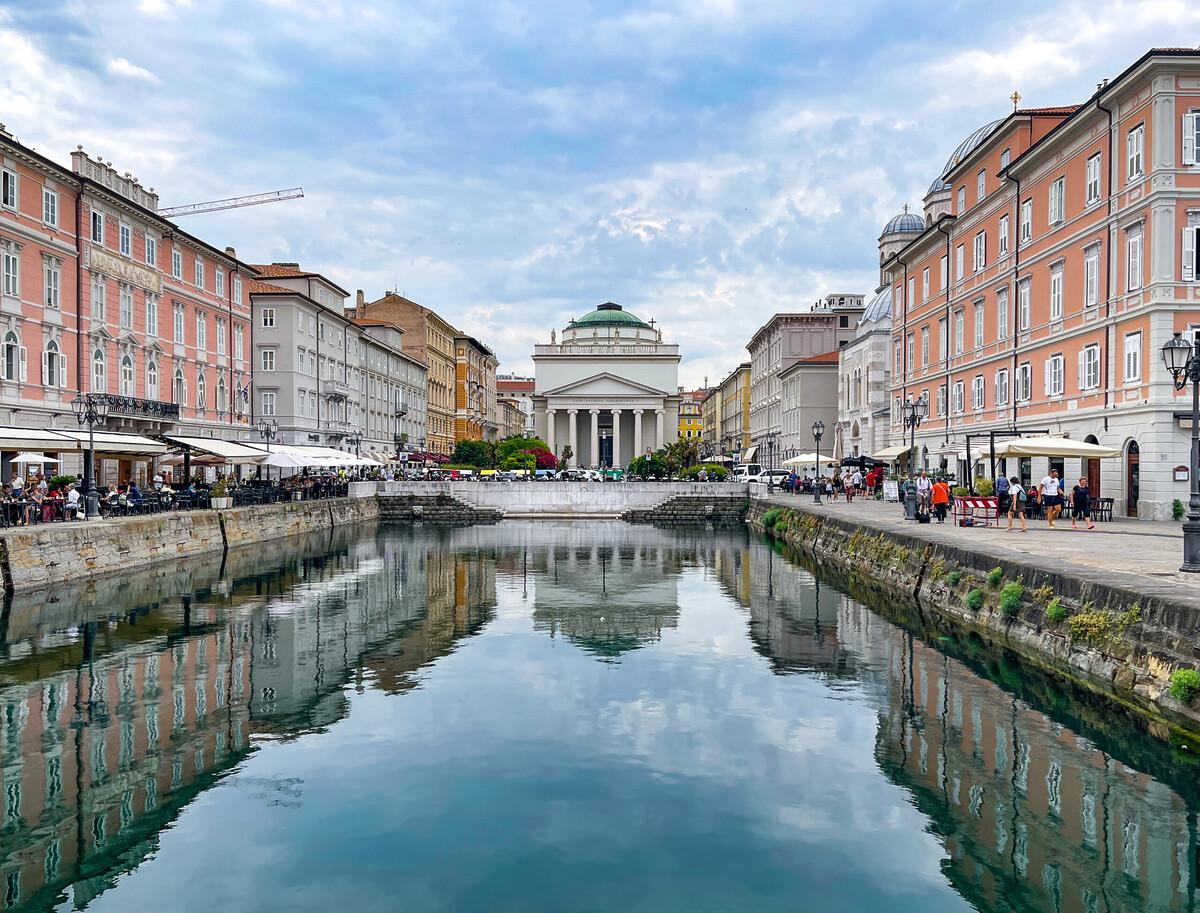
Trieste is Italy’s easternmost city and the capital of the Friuli-Venezia Giulia region. It’s a historic port city close to the Slovenian border.
There are many sights, so I recommend spending 1–2 days here. Don’t miss the Canal Grande, Piazza Unità d’Italia, Piazza della Borsa, and the Roman Theatre. Just outside the city, Miramare Castle is a must-see for its gardens and sea views.
For a relaxing walk, visit the Barcola seaside promenade. If you have extra time, nearby Slovenian towns like Koper, Izola, and Piran also make easy day trips.
Dolomites
The Dolomites are one of the most unique natural regions in Italy and a must for nature lovers. The area is known for dramatic mountain peaks, alpine meadows, scenic roads, and beautiful lakes.
Highlights include Tre Cime di Lavaredo, Alpe di Siusi, Seceda, and Cadini di Misurina. My personal favorites are Lake Braies, Lake Sorapis, and Lake Carezza. Towns like Cortina d’Ampezzo and Ortisei are great bases for exploring the area.
The Dolomites are popular in winter for skiing, but they’re worth visiting in any season for the views alone.

Verona
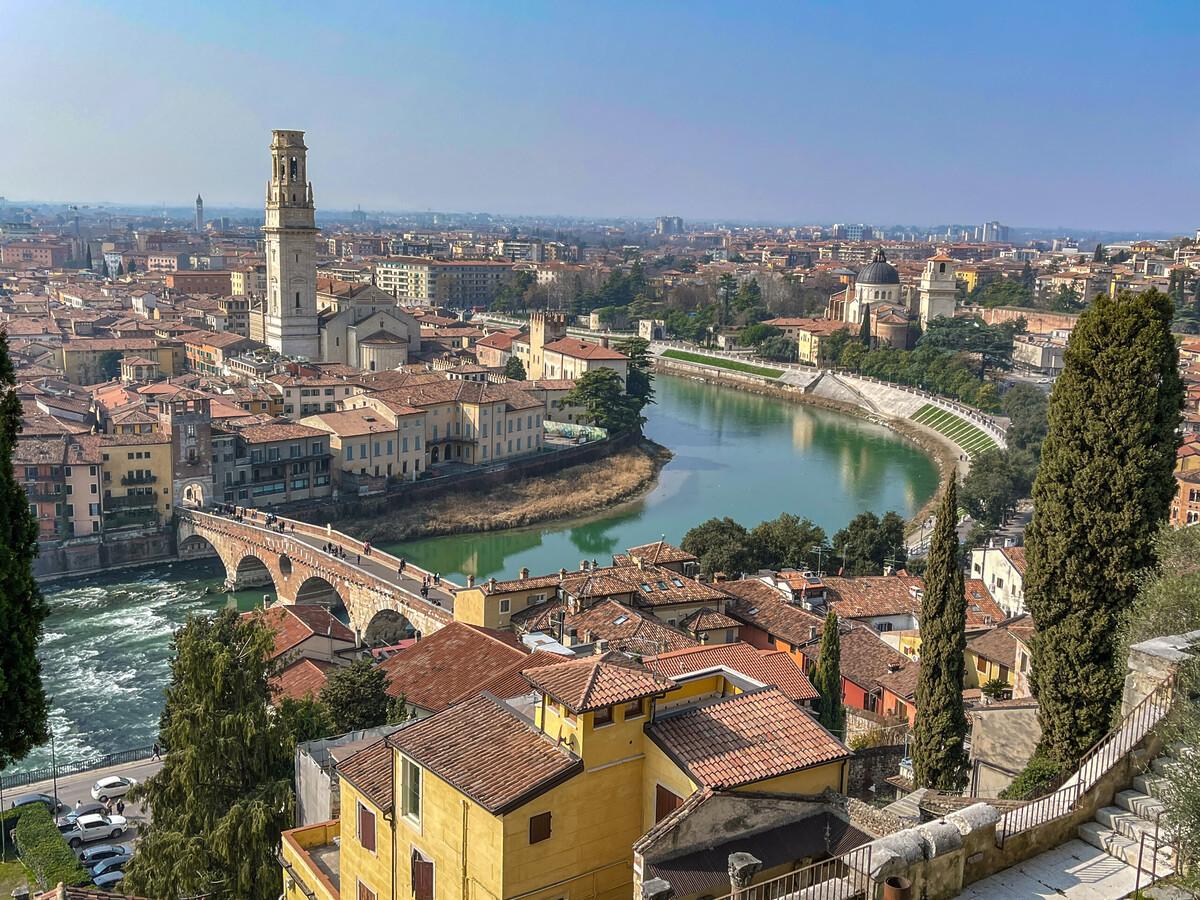
Verona is a beautiful historic city near Lake Garda and perfect for a one-day trip from Venice.
Explore the old town, a UNESCO World Heritage Site, and don’t miss Juliet’s House, the Verona Arena, and Piazza delle Erbe. For the best views, walk up to Castel San Pietro and enjoy the panorama over the city and the Adige River.
Lake Garda
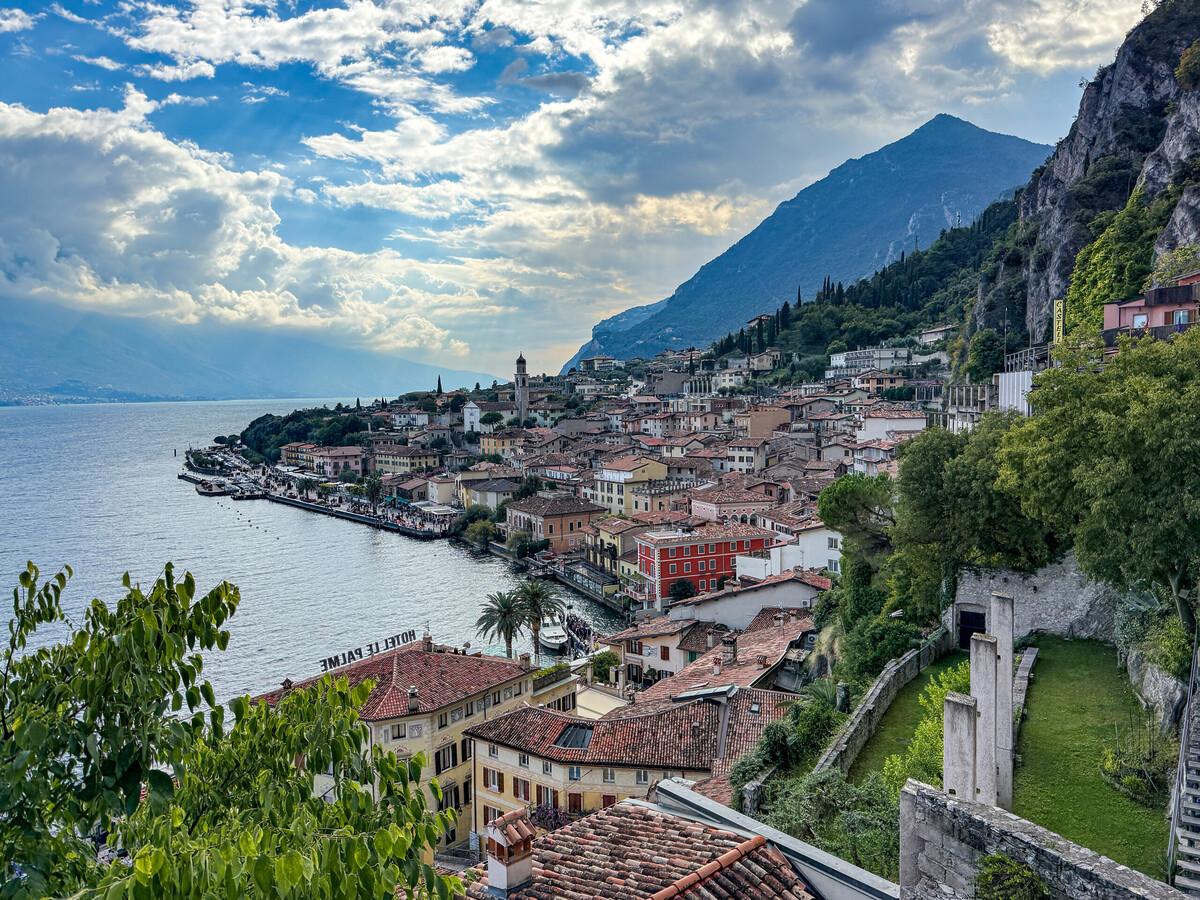
Lake Garda is the largest lake in Italy and one of the most popular lake destinations in Europe.
Well-known towns include Sirmione, Riva del Garda, Limone sul Garda, and Malcesine. Sirmione is especially famous for its castle, old town, and thermal baths. A boat trip on the lake is a great way to enjoy the scenery.
Lake Garda gets very crowded in summer, so visiting outside peak season is a good idea if you prefer a quieter experience.
So, this was a detailed 2-day Venice itinerary, shared day by day and filled with practical tips to help you plan a short trip.
You’ve seen Venice’s main highlights, the best things to do, and my personal tips on where to go, eat, and explore, all based on my own experiences from many visits to the city.
I hope this guide will make planning your 2 days in Venice much easier and faster.
If you feel inspired, book your trip, choose your hotel, and get ready to explore one of the most unique cities in the world, even in just 2 days!

Hi, I’m Adri, the author of ItalianWanderlust.com and TravelTipZone.com. I’ve been traveling for over 10 years and have been a travel blogger since 2022.
Every year I spend several weeks exploring Italy, the country that always has a special place in my heart.
Through my travel guides and tips, I hope to inspire you to discover the authentic Italy and enjoy your own Italian adventures.


