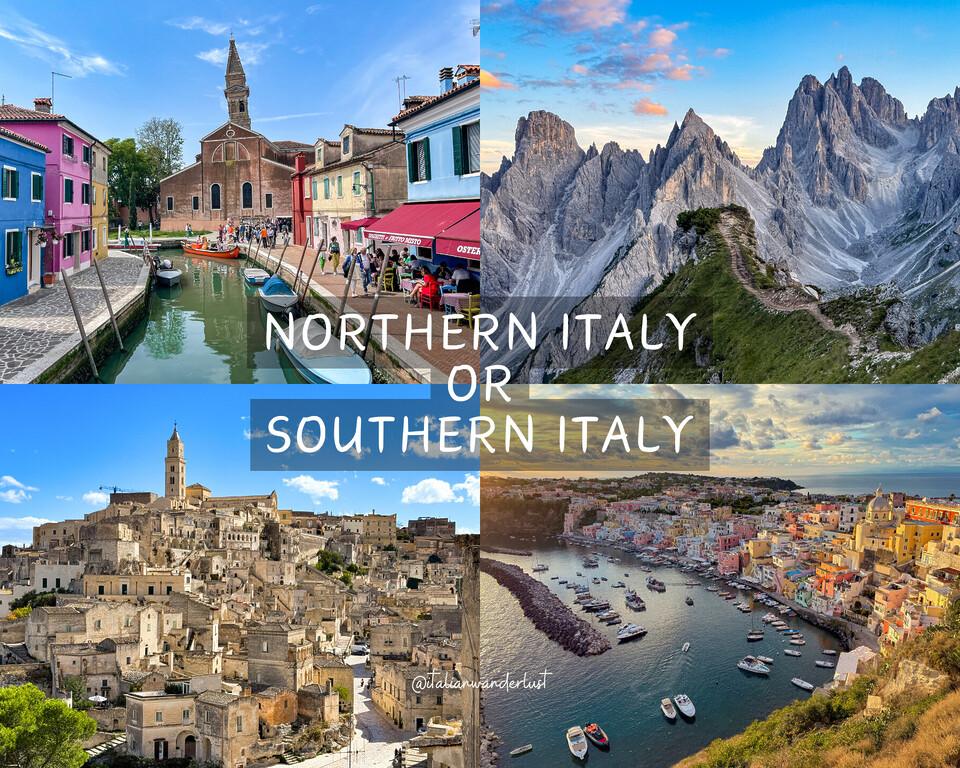


Italy is a large country with almost 60 million people, 20 regions, long travel distances, and big differences between each area when it comes to travel experiences.
One of the biggest contrasts is between Northern and Southern Italy. You’ll notice clear differences in culture, food, landscapes, prices, infrastructure, language, and even safety in some places.

So when the question came up (north or south), I started to really think it through and look into it more deeply. What actually makes them different? And how should you decide which one is better for your trip?
That’s how this guide was created. It’s a full comparison of Northern and Southern Italy, where I’ll show you what really matters when choosing between the two.
I’ll go through all the important factors like prices, food, landscapes, and travel style. Based on more than 10 years of traveling in Italy, I’ll help you decide which part fits your travel style best and plan your trip with confidence.
What I mean by Northern, Central, and Southern Italy
In this article, I don’t follow strict geographical definitions. Instead, I use simple travel regions that make sense when planning a trip.
👉 Northern Italy includes the main travel areas from Trieste and the Dolomites to the Italian Riviera, as well as places like Lake Como and cities such as Turin.
👉 Central Italy includes Tuscany with Florence, Pisa, Saturnia, as well as Rome. However, I won’t include this region in the comparison.
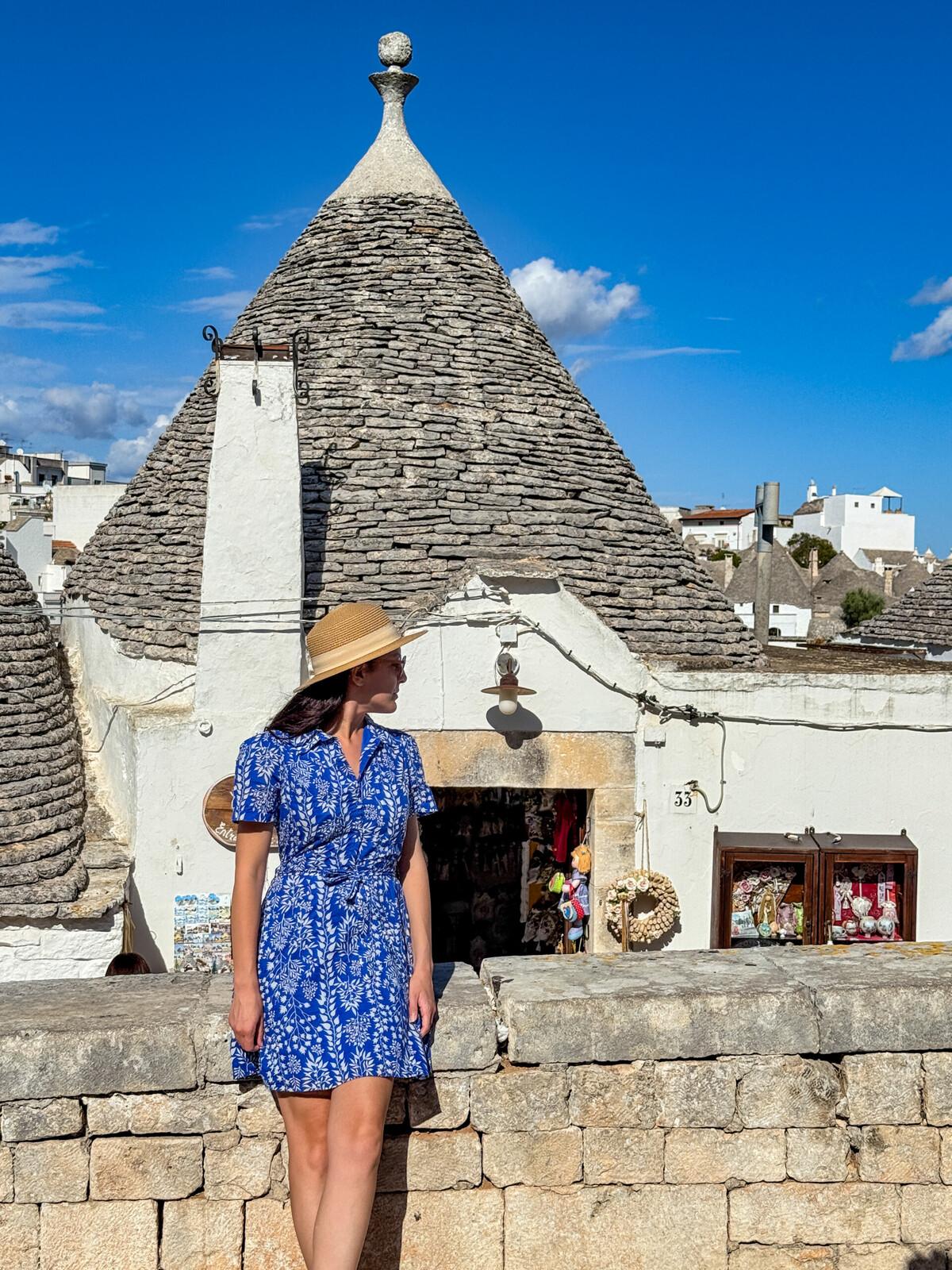
👉 Southern Italy mainly starts from Naples and goes further south. This includes the Amalfi Coast, unique places like Alberobello and Matera, the coastal town of Tropea, and islands like Sicily.
Based on this, you can clearly see which areas I compare in this guide.
Ready to travel to Northern or Southern Italy?
Here are my quick tips if you want to book your trip right away:
Best places to stay:
- Venice (Mestre): Best Western Plus Hotel Bologna
- Milan: INNSiDE by Meliá Milano Torre GalFa
- Naples and Amalfi Coast: Hotel & Resort Tre Fontane Luxury
- Sicily: Hotel Politeama
Best things to do:
Now let’s get to the main part and go through the key differences between Northern and Southern Italy, and see which one is better in each aspect.
Quick overview: Northern Italy vs Southern Italy – Which is better?
First, let’s take a quick look at the main differences between Northern and Southern Italy.
Advantages of Northern Italy
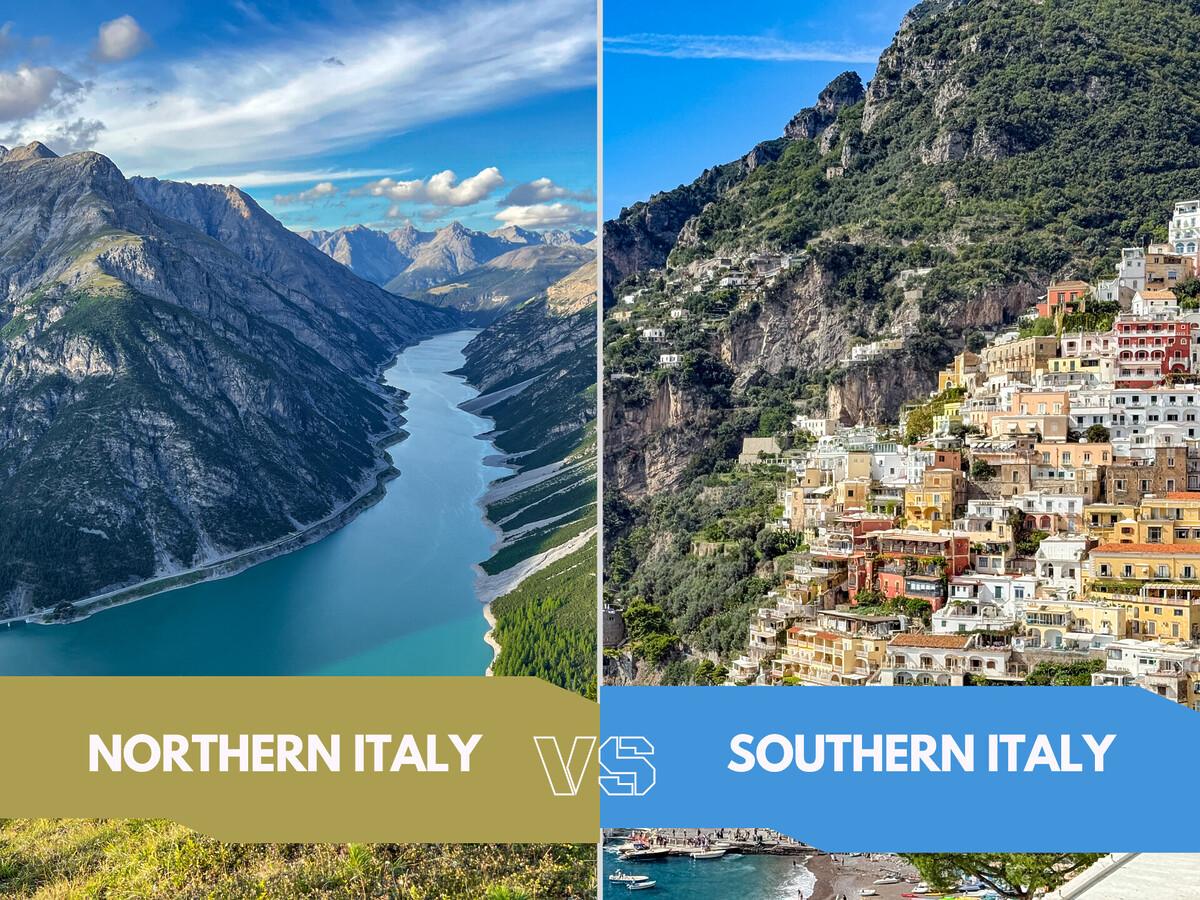
- Beautiful natural landscapes: From the Dolomites to Lake Garda and Lake Como, you’ll find some of the most impressive scenery in Europe.
- Clean and organized: Northern Italy feels more developed and “Western European” compared to the south.
- Better infrastructure: Good road network, reliable public transport, and plenty of options for hotels, restaurants, shopping, and activities.
- Easy to reach: Closer to neighboring countries and served by several major airports.
- Pleasant weather: Comfortable in both summer and shoulder season, usually not too hot.
Disadvantages of Northern Italy
- More expensive: Especially around popular places like the lakes and the Dolomites.
- Less “Italian” feel: Not exactly what many travelers imagine when they think of classic Italy.
- Not ideal in winter: Colder weather, many places closed, and less to do outside ski areas.
- Fewer beaches: Limited beach options, and the season is short (mainly summer).
Advantages of Southern Italy
- More authentic atmosphere: Closer to the “real Italy” many people imagine, with stronger local character and everyday life.
- Unique landscapes: Places like the Amalfi Coast, Alberobello, and Matera are truly one of a kind.
- Amazing food: This is where many famous Italian dishes come from, like pizza in Naples, Sicilian desserts like cannoli, and fresh burrata cheese.
- Usually cheaper: Apart from the most famous spots, travel costs are generally lower.
- Warmer climate: Milder weather for most of the year, although winter is still not ideal.
Disadvantages of Southern Italy
- More chaotic: Places like Naples can feel overwhelming at first, especially traffic and daily life.
- Lower safety in some areas: While there are safe places everywhere, overall it can feel less secure than the north.
- Weaker infrastructure: Fewer highways, more slow mountain roads, and less developed transport in some regions.
- Harder to reach: Fewer major airports (mainly Naples and Sicily), and longer travel distances from other European countries.
| Northern Italy | Southern Italy | |
|---|---|---|
| Landscape | Mountains, lakes, Alpine scenery (Dolomites, Lake Como) | Coastlines, beaches, Mediterranean views (Amalfi Coast, Sicily) |
| Atmosphere | More organized, cleaner, more “Western European” feel | More local, lively, and traditional Italian atmosphere |
| Prices | Generally more expensive | Usually 10–20% cheaper |
| Infrastructure | Excellent roads, trains, and services | Less developed, slower transport |
| Beaches | Limited, shorter season | Much better beaches, longer season |
| Food | Mix of Italian and Alpine influences | Classic Italian dishes, more seafood |
| Best for first trip | Easier and more predictable | Better for more experienced travelers |
| Weather | Mild in summer, cooler in winter | Warmer overall, very hot in summer |
My personal opinion: Which one would I choose?
Let me share a quick personal opinion.
I’ve been traveling to Italy for more than 10 years, and I’ve visited most of the main destinations as well as many hidden gems.
To be honest, I return to Northern Italy several times every year. But there’s a simple reason for that: I live much closer to it, just a few hours’ drive from the northern Italian border.
I love places like Venice, Cinque Terre, and the Dolomites. I also know the north much better than the south.
If I were visiting Italy for the first time, I would either combine both regions in a longer trip (like in my 2-week Italy itinerary), or I would choose Northern Italy.
I usually recommend Southern Italy to more experienced travelers, those who are already familiar with how things work in Italy, including transport, safety, and daily life.
The south has some truly unique places that you won’t find anywhere else in the world. But overall, I think it’s harder to plan and navigate, especially for a first trip.
That’s why for a first visit, Northern Italy is often the easier and safer choice, while still being absolutely stunning.

Northern vs Southern Italy: Detailed comparison
Now let’s look at the key differences in more detail, so you can clearly see which one is the better choice depending on different aspects.
Best places to visit in Northern Italy
Here are some of the best places you can visit in Northern Italy:
Dolomites
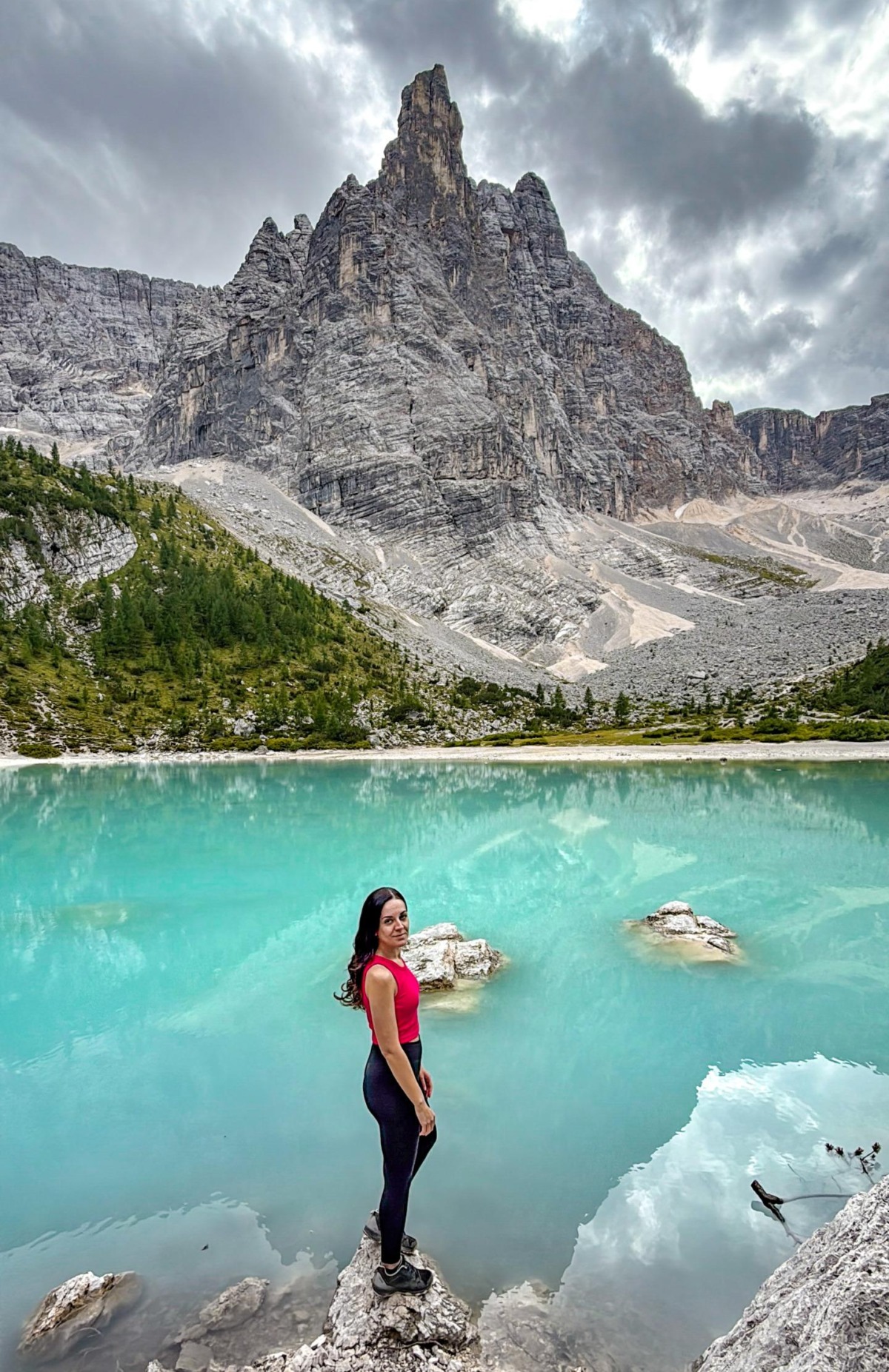
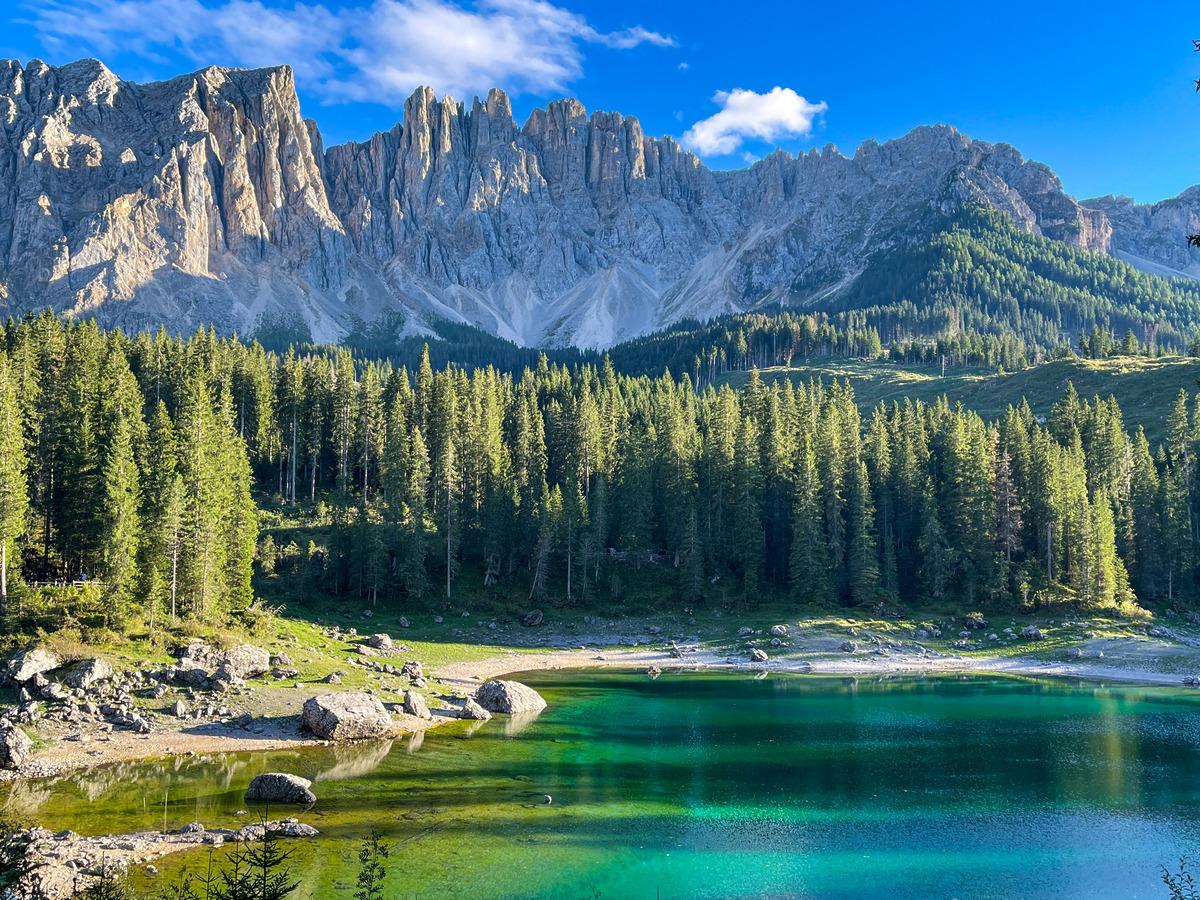
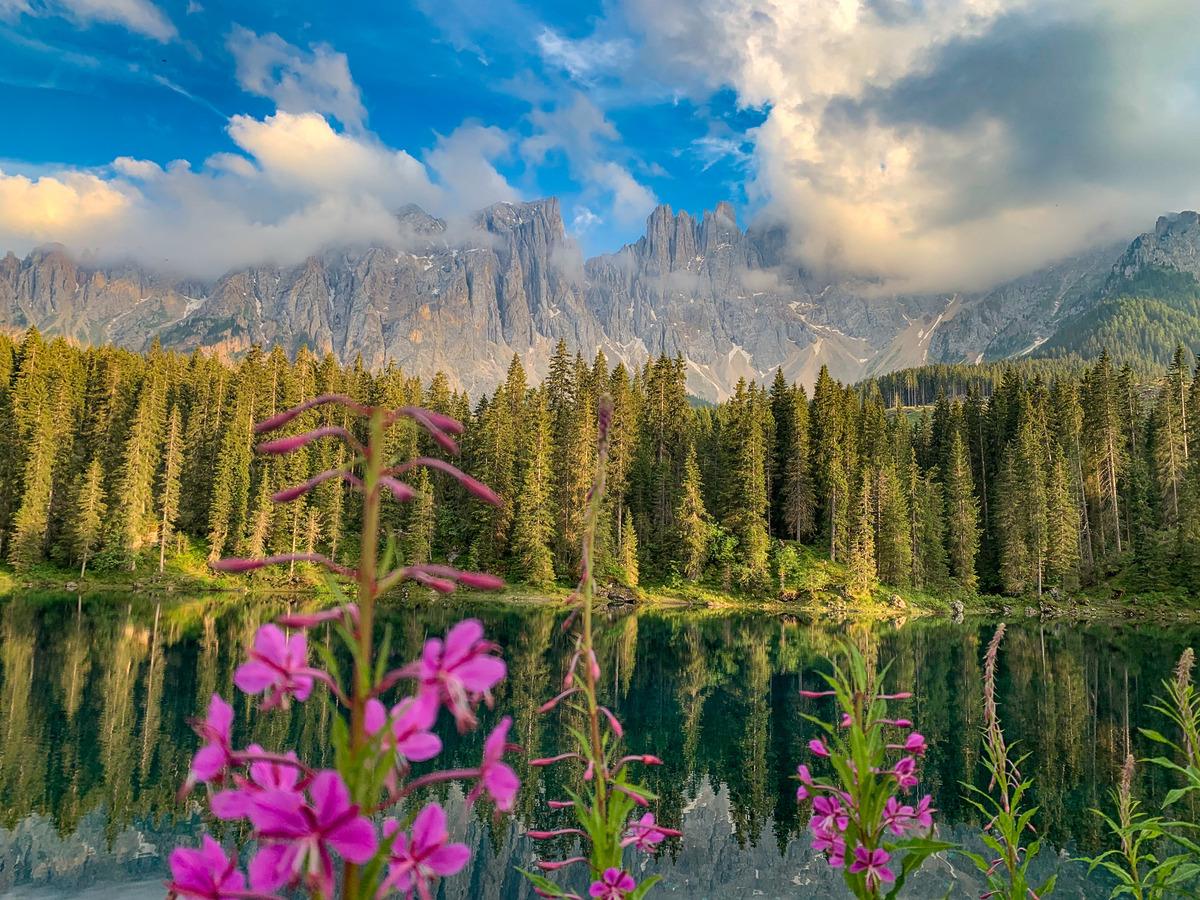
If you’re looking for mountain landscapes, this is one of the best places in Europe. The Dolomites are full of dramatic peaks, scenic mountain roads, and some of the most famous viewpoints in Italy, like Seceda, Cadini di Misurina, or Lake Braies. In summer, you’ll find green alpine meadows, hiking trails, and fresh air, while in winter, the region turns into a major ski destination. It’s perfect if you enjoy nature, road trips, or active travel.
Lake Garda
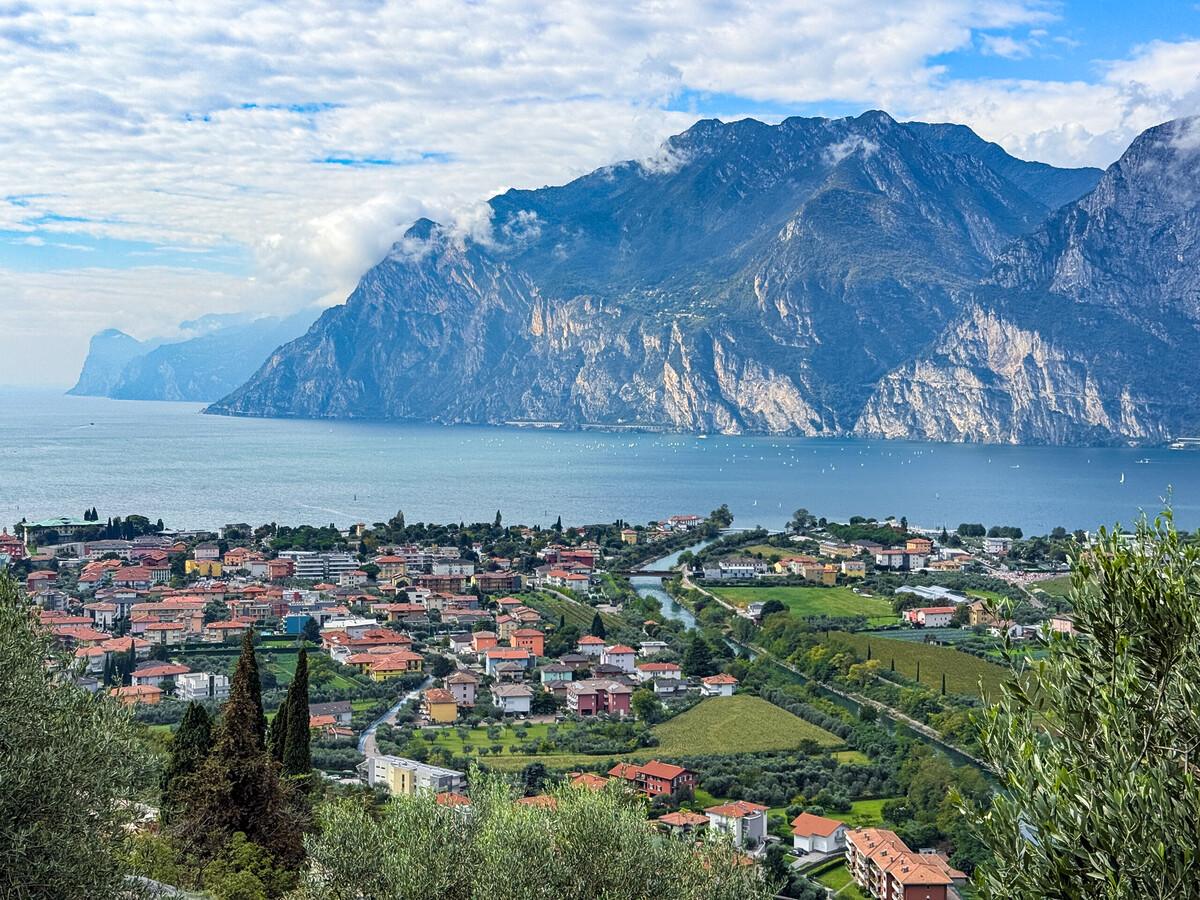
Lake Garda is the largest lake in Italy and one of the most popular destinations in the north. It offers a great mix of experiences: beaches, charming towns like Sirmione or Limone sul Garda, and plenty of outdoor activities. The northern part is more mountainous and active, while the southern part is more relaxed and easier to explore. It’s a very balanced destination, especially if you want both nature and comfort.
Milan
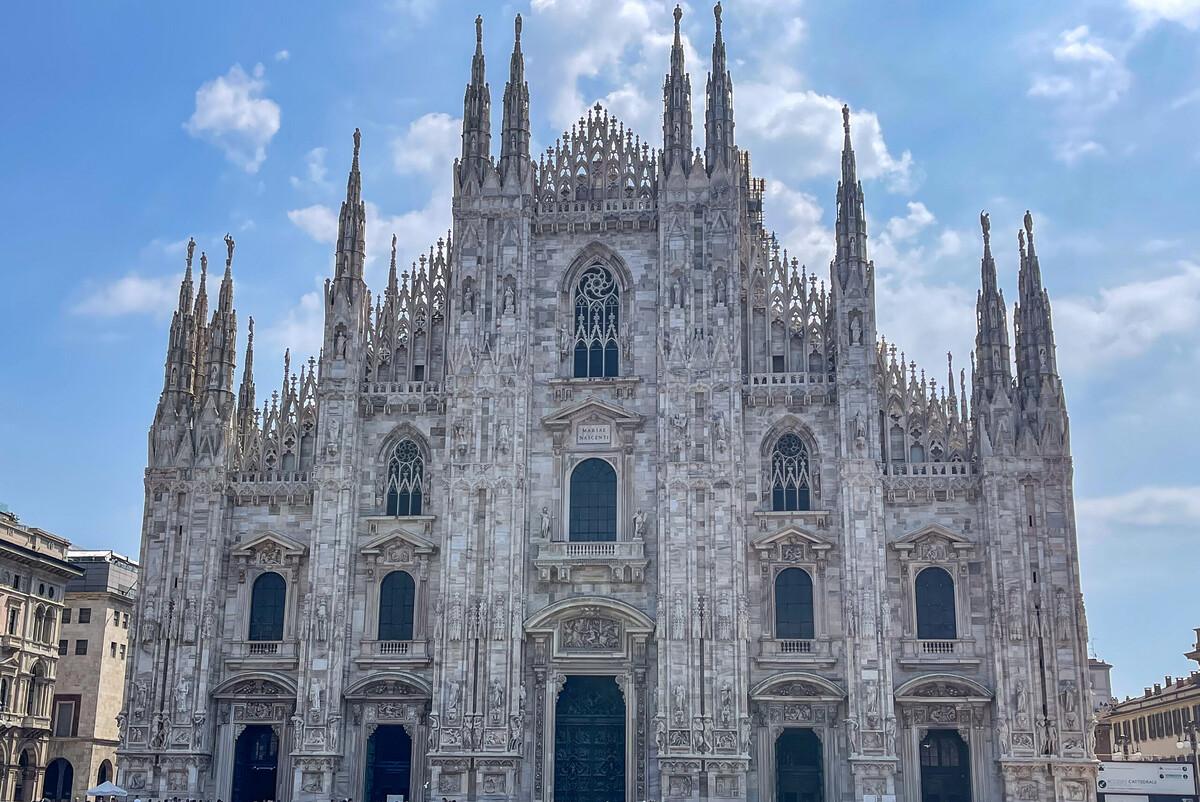
Milan is a modern and dynamic city, very different from the “classic Italy” many people imagine. It’s known for fashion, shopping, and design, but it also has major landmarks like the Duomo and the Galleria Vittorio Emanuele II. It’s not the most picturesque city in Italy, but it’s an important hub and a good starting point for exploring the area.
Lake Como
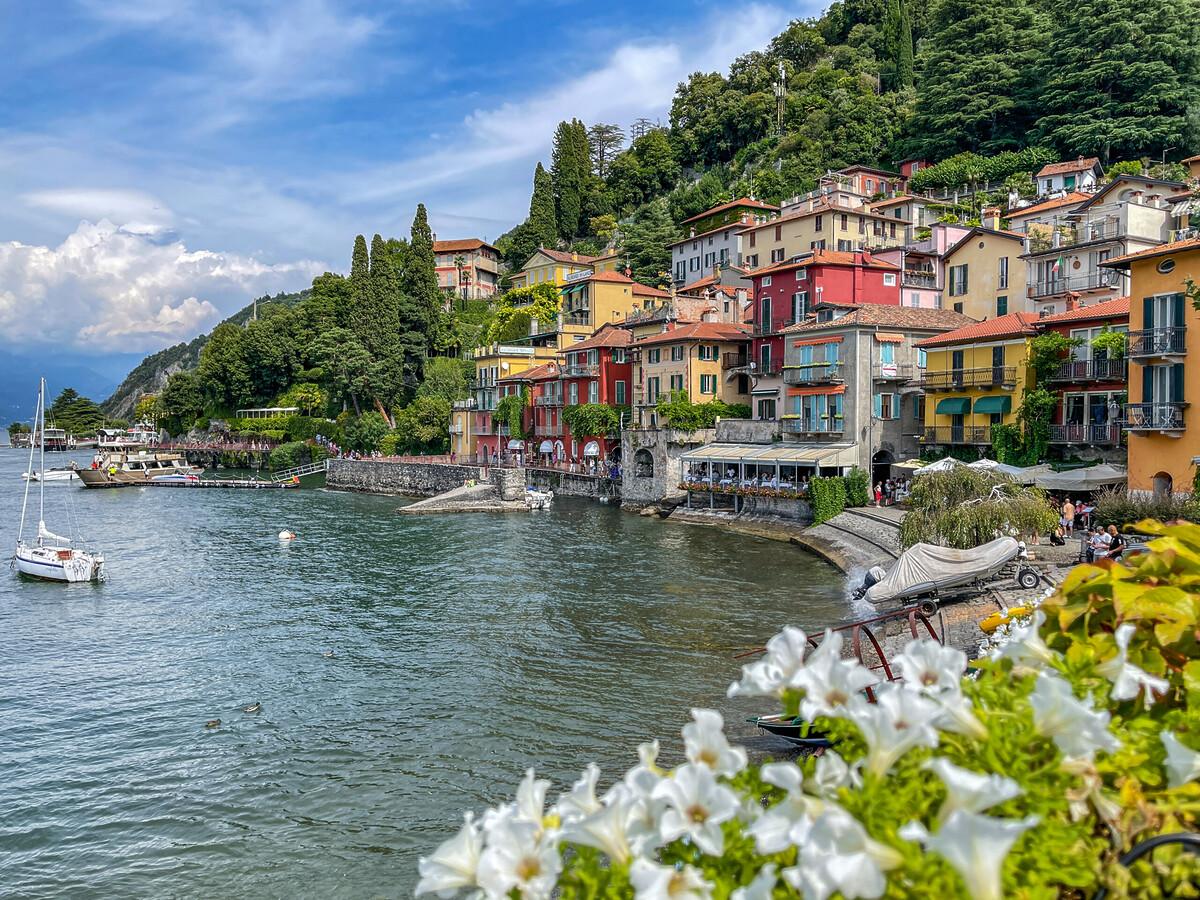
Lake Como is one of the most famous and elegant destinations in Italy. Surrounded by mountains and lined with beautiful villas and small towns like Bellagio or Varenna, it has a more refined and relaxed atmosphere. It’s a great choice if you’re looking for scenic views, boat trips, and a slightly more upscale experience.
Cinque Terre
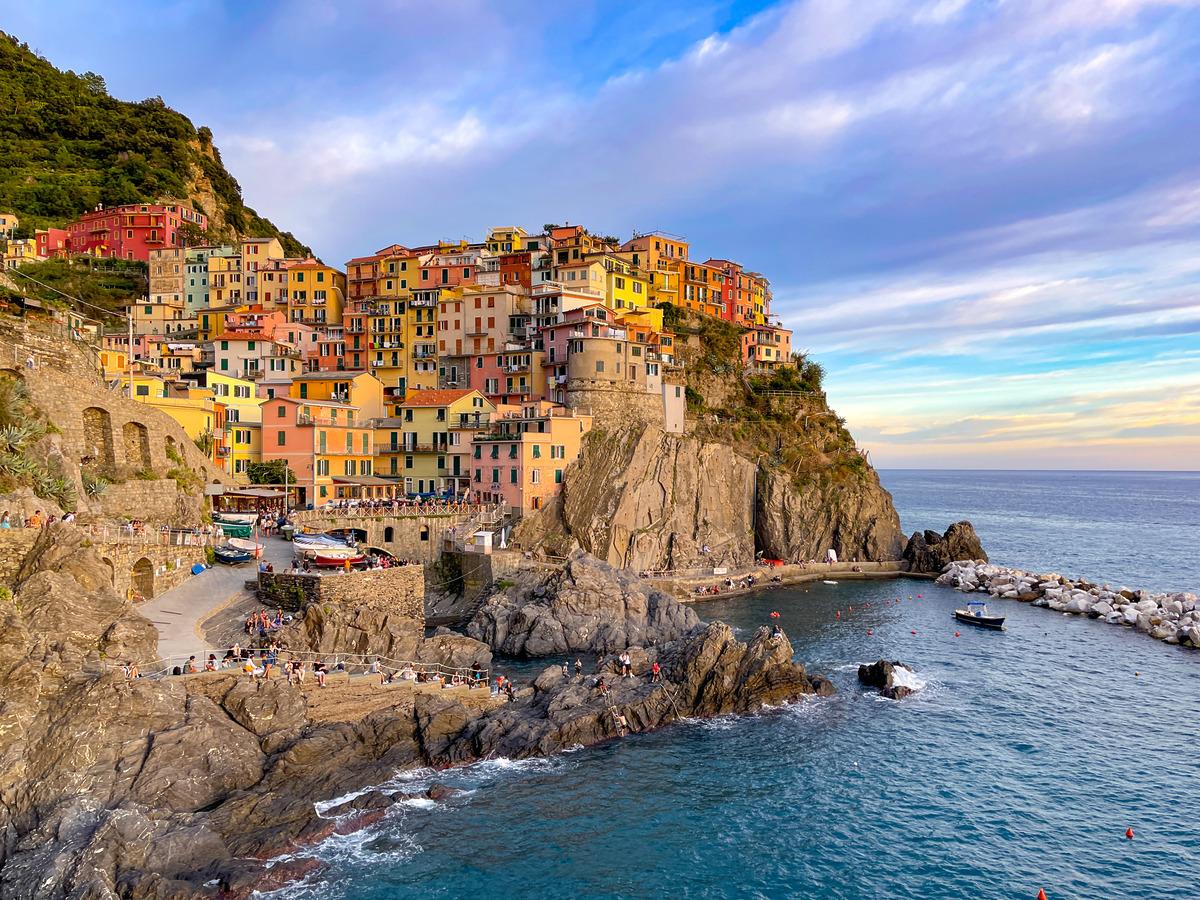
Cinque Terre is a group of five coastal towns built into the cliffs along the Ligurian coast. Each town has colorful houses, small harbors, and narrow streets, and they are connected by hiking trails and trains. It’s one of the most photographed places in Italy, but also one of the most crowded, especially in summer. Still, the views and atmosphere make it worth visiting.
Verona
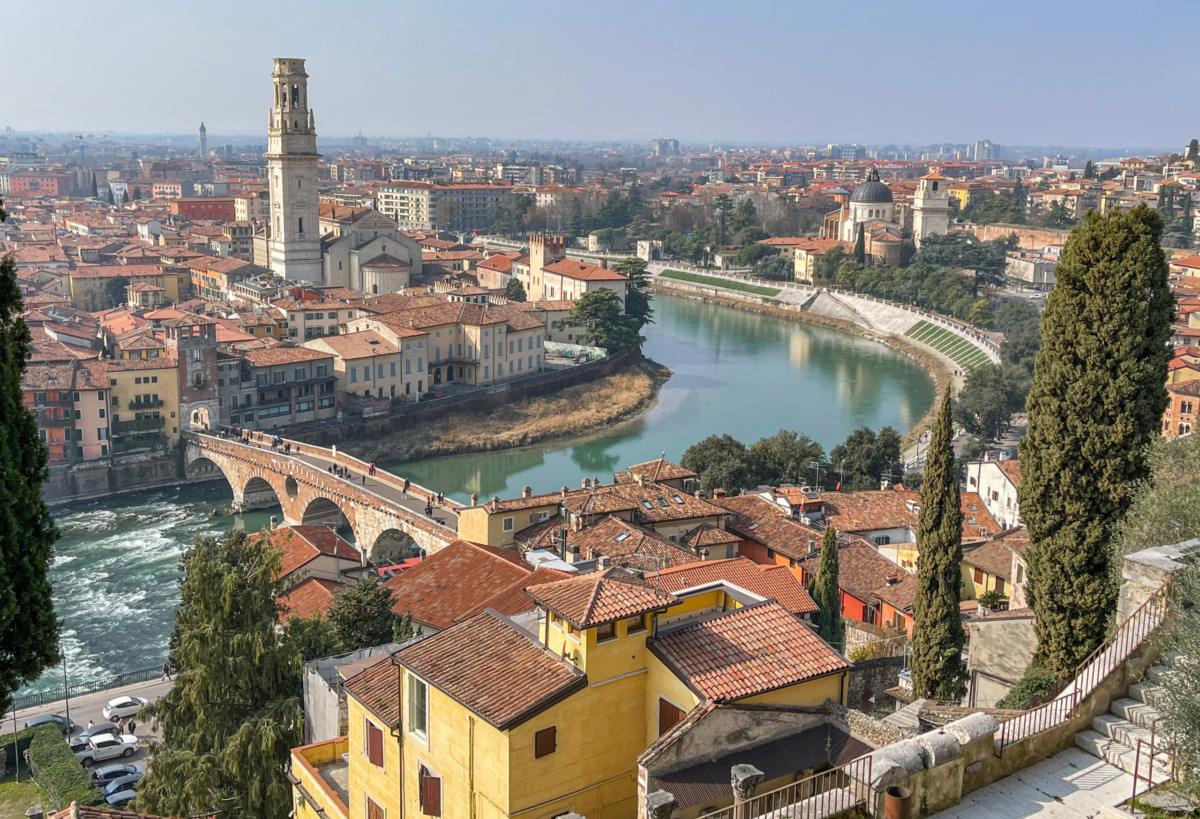
Verona is a smaller, very charming city with a relaxed atmosphere. It’s famous for its connection to Romeo and Juliet, but beyond that, it has a beautiful historic center, Roman architecture, and elegant squares. It’s a great stop for a short visit or as part of a Northern Italy itinerary.
Venice
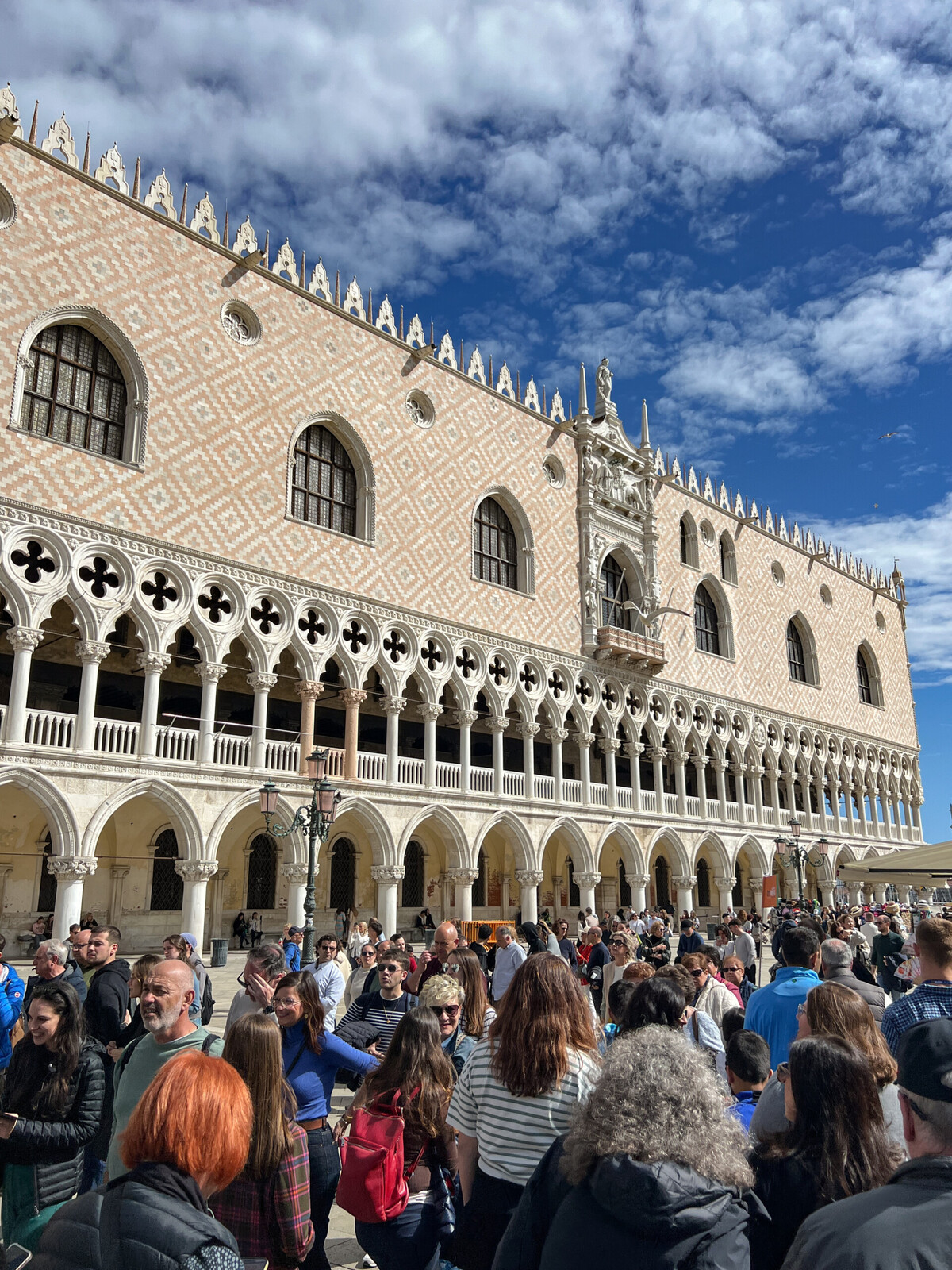
Venice is one of the most unique cities in the world. Built on water, with canals instead of roads, it feels completely different from any other place. Walking through its narrow streets, crossing bridges, and seeing landmarks like St. Mark’s Square is a special experience. It can be crowded, but it’s still a must-see at least once.

Best places to visit in Southern Italy
Here are some of the best places you can visit in Southern Italy:
Naples
Naples is one of the most intense and authentic cities in Italy. It’s chaotic, loud, and not always easy at first, but it has a very strong character. The historic center is full of life, narrow streets, and local atmosphere. It’s also famous for its food, this is where pizza comes from. From Naples, you can also easily visit places like Pompeii, Mount Vesuvius, or the Amalfi Coast.
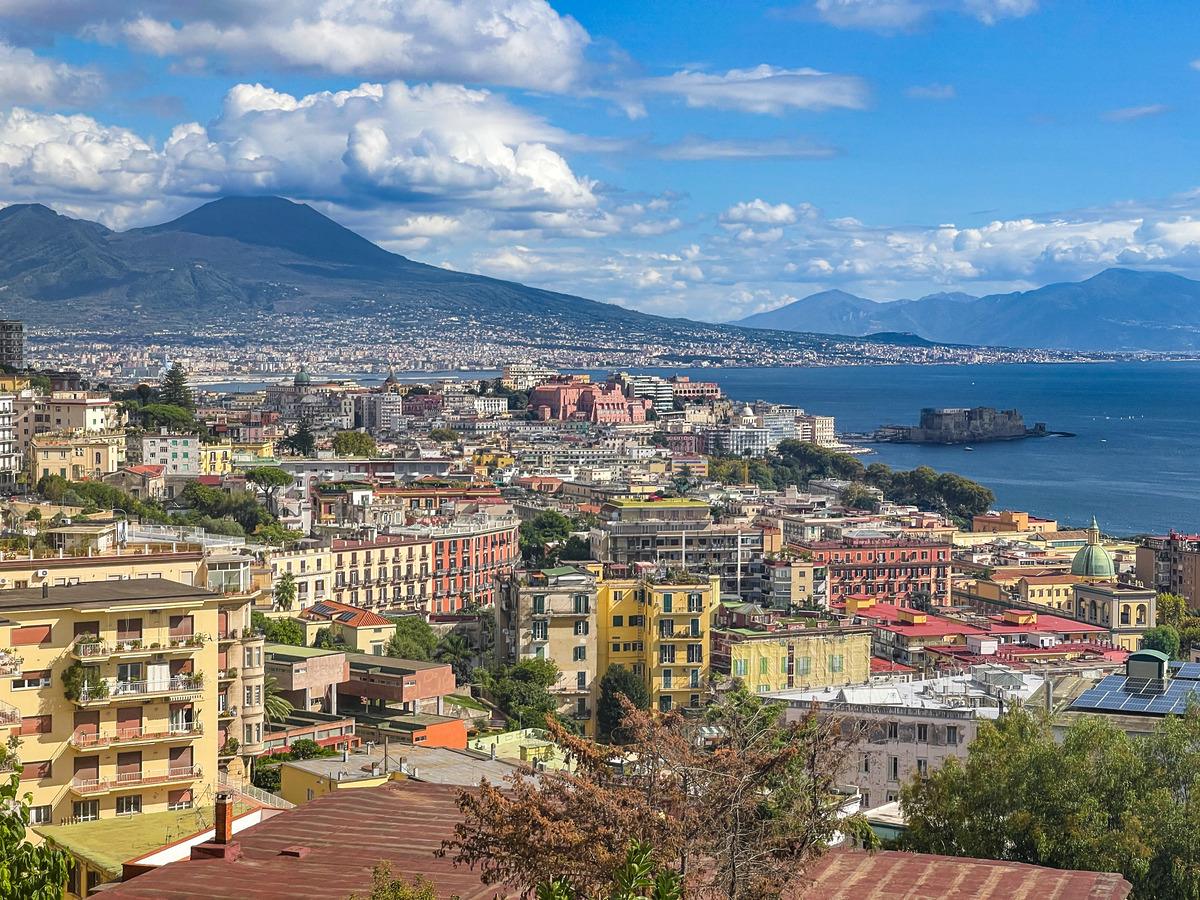
Amalfi Coast
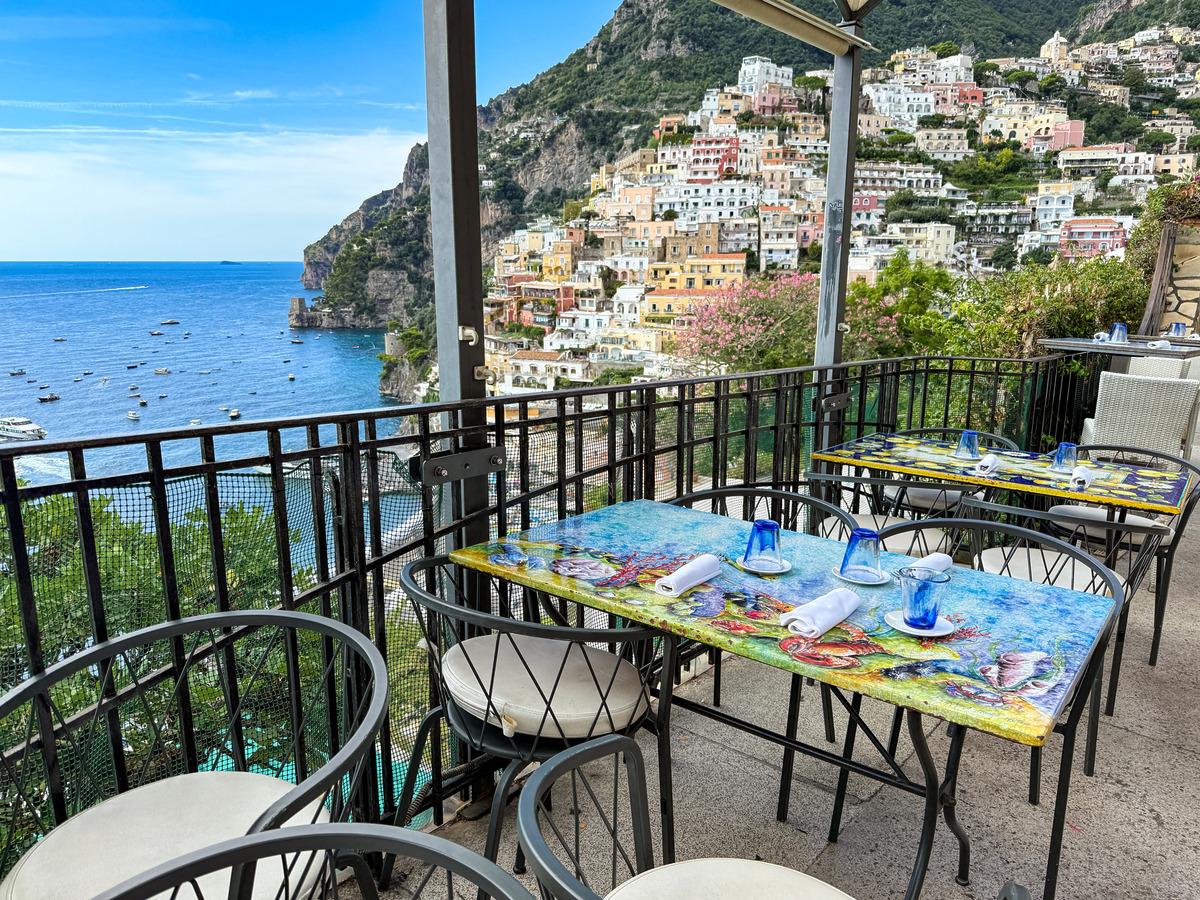
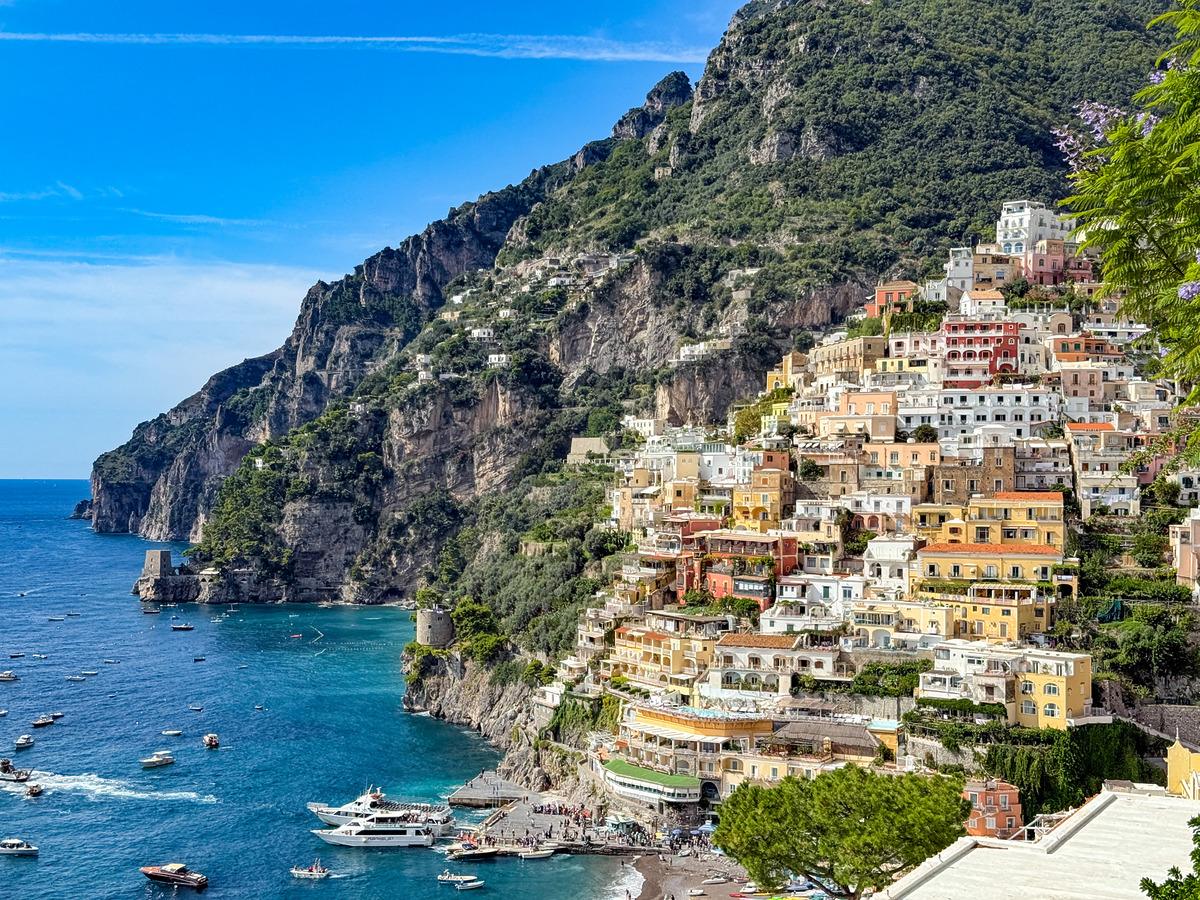
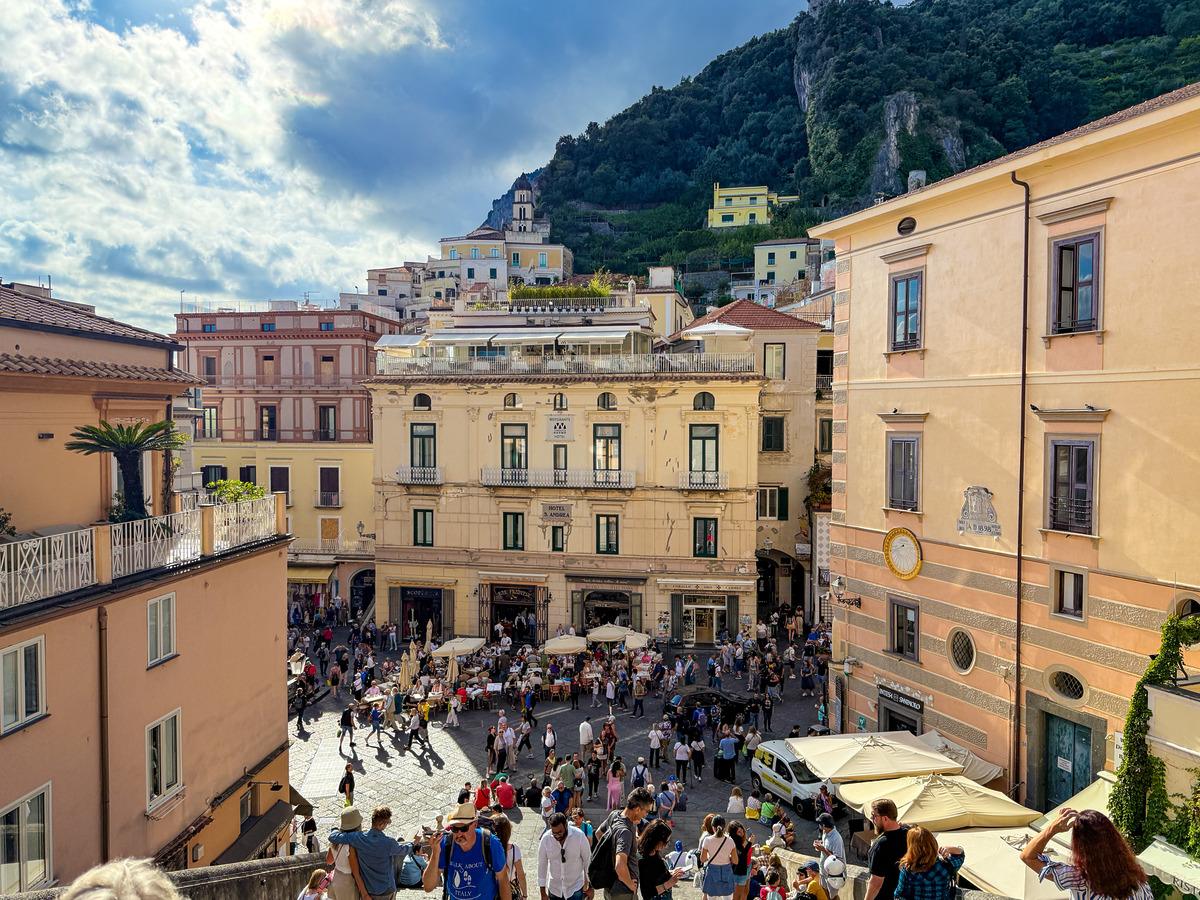
The Amalfi Coast is one of the most famous coastal areas in the world. It’s known for its dramatic cliffs, colorful towns like Positano and Amalfi, and scenic coastal roads. It’s a place where you can combine beautiful views, good food, and relaxing moments by the sea. It can be crowded and expensive, but the experience is unique.
Alberobello
Alberobello is known for its white trulli houses with cone-shaped roofs. The whole town looks like something from a fairytale, and it’s completely different from anything you’ll see elsewhere in Italy. It’s not a big place, but it’s very special and worth visiting if you’re exploring Puglia.

Matera
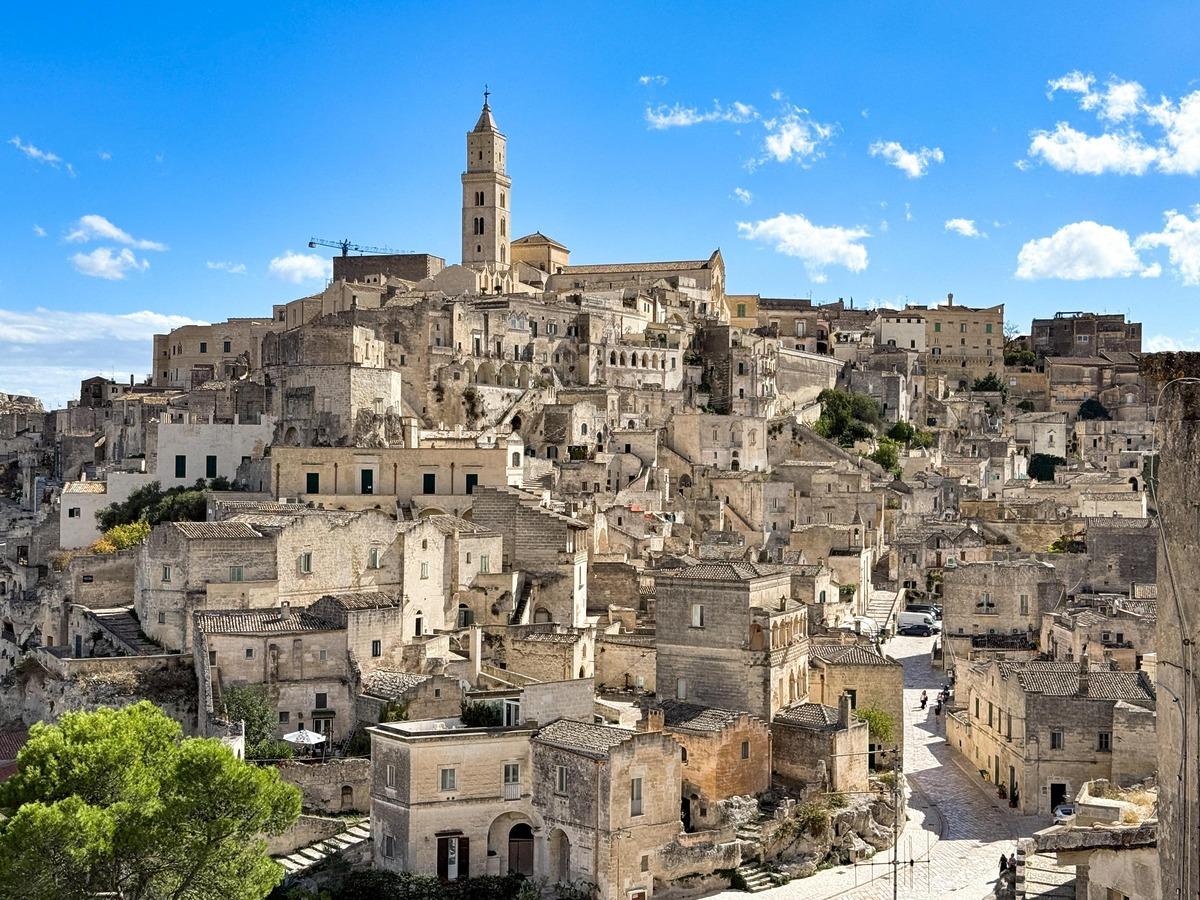
Matera is famous for its ancient cave dwellings, known as the Sassi. These houses are carved into the rock, creating a landscape that feels almost unreal. It’s one of the most unique places not only in Italy, but in Europe. Walking through the old town feels like stepping back in time.
Sicily
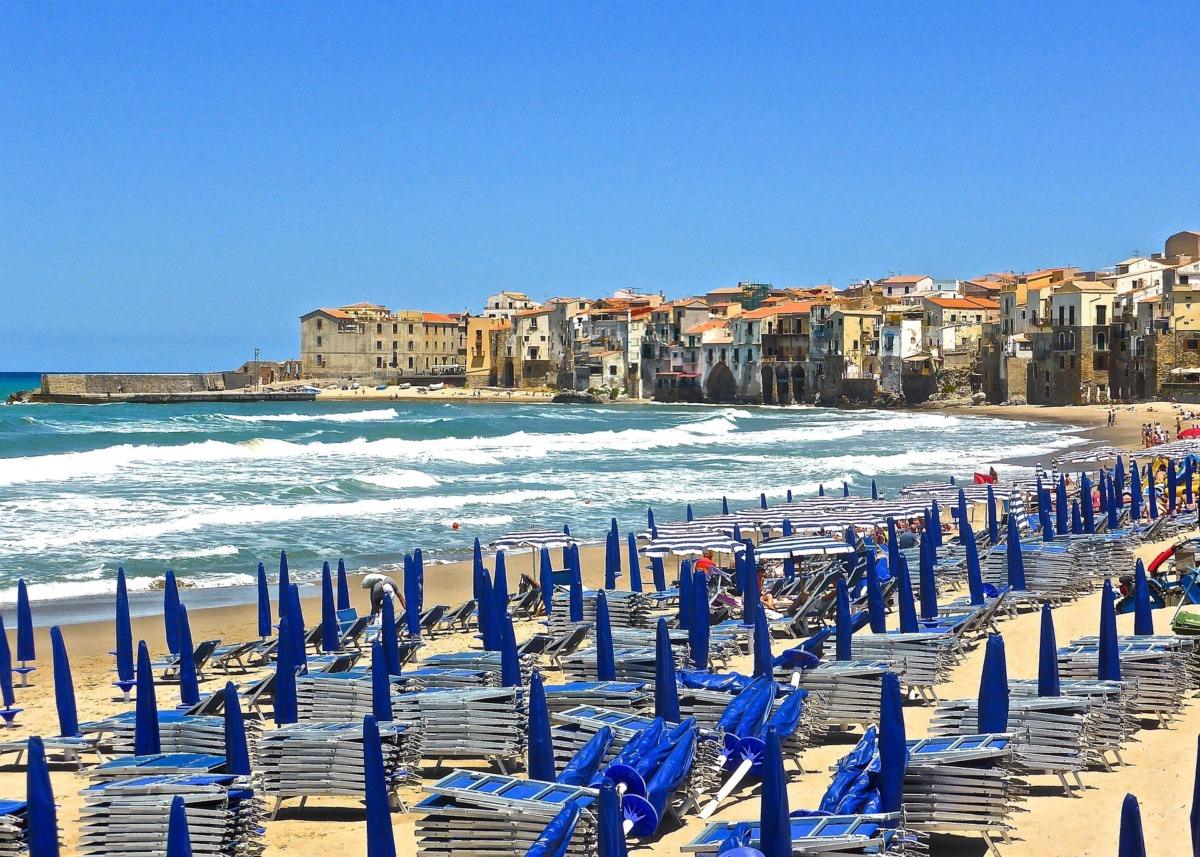
Sicily is a large and diverse island with a completely different feel from mainland Italy. You’ll find historic cities, beaches, mountains, and even an active volcano, Mount Etna. The food is also unique, with many local specialties. It’s a destination on its own, and you could easily spend a full trip just here.
Sardinia
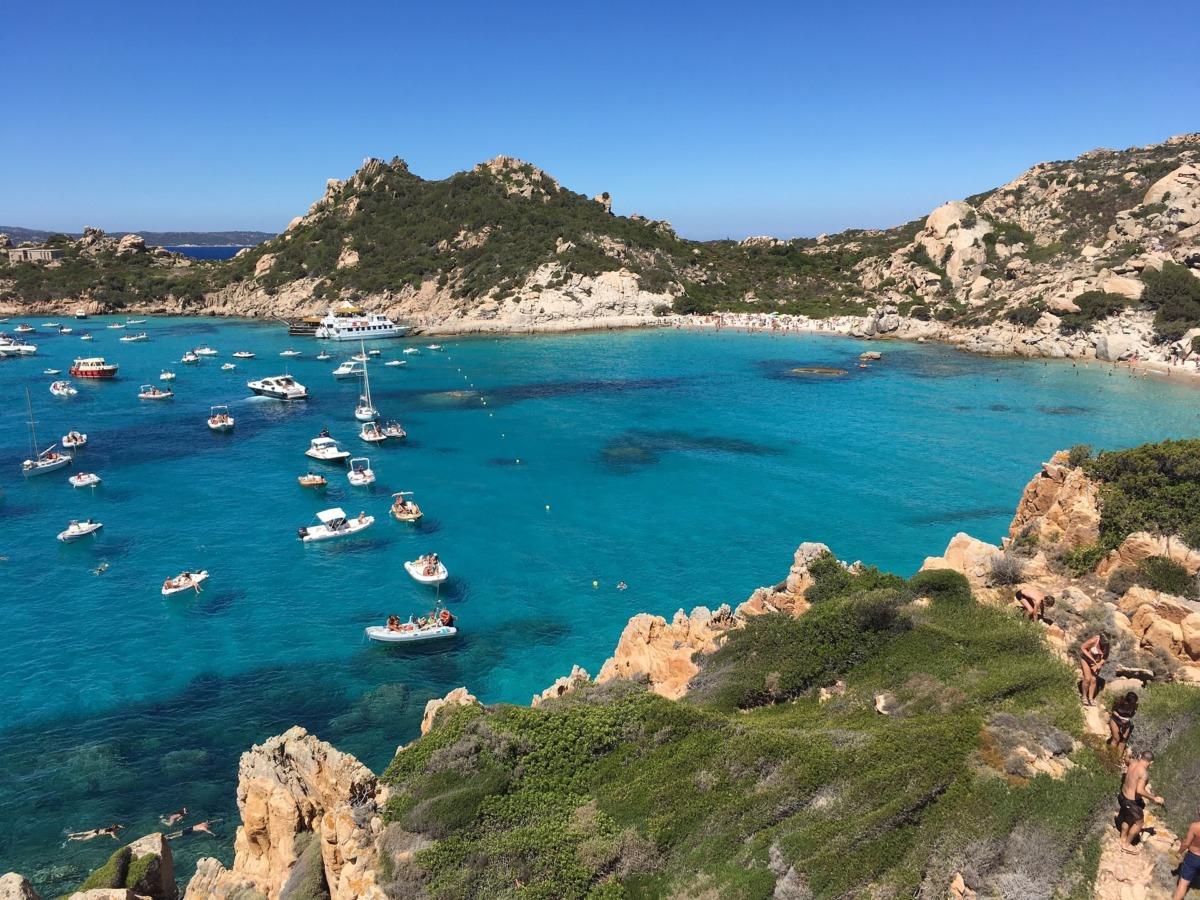
Sardinia is best known for its beaches. The water here is some of the clearest you’ll find in Europe, with white sand and turquoise colors. There are both luxury areas like Costa Smeralda and more remote, quiet spots. It’s one of the best choices if your main goal is a beach-focused trip.
Which is easier to travel?
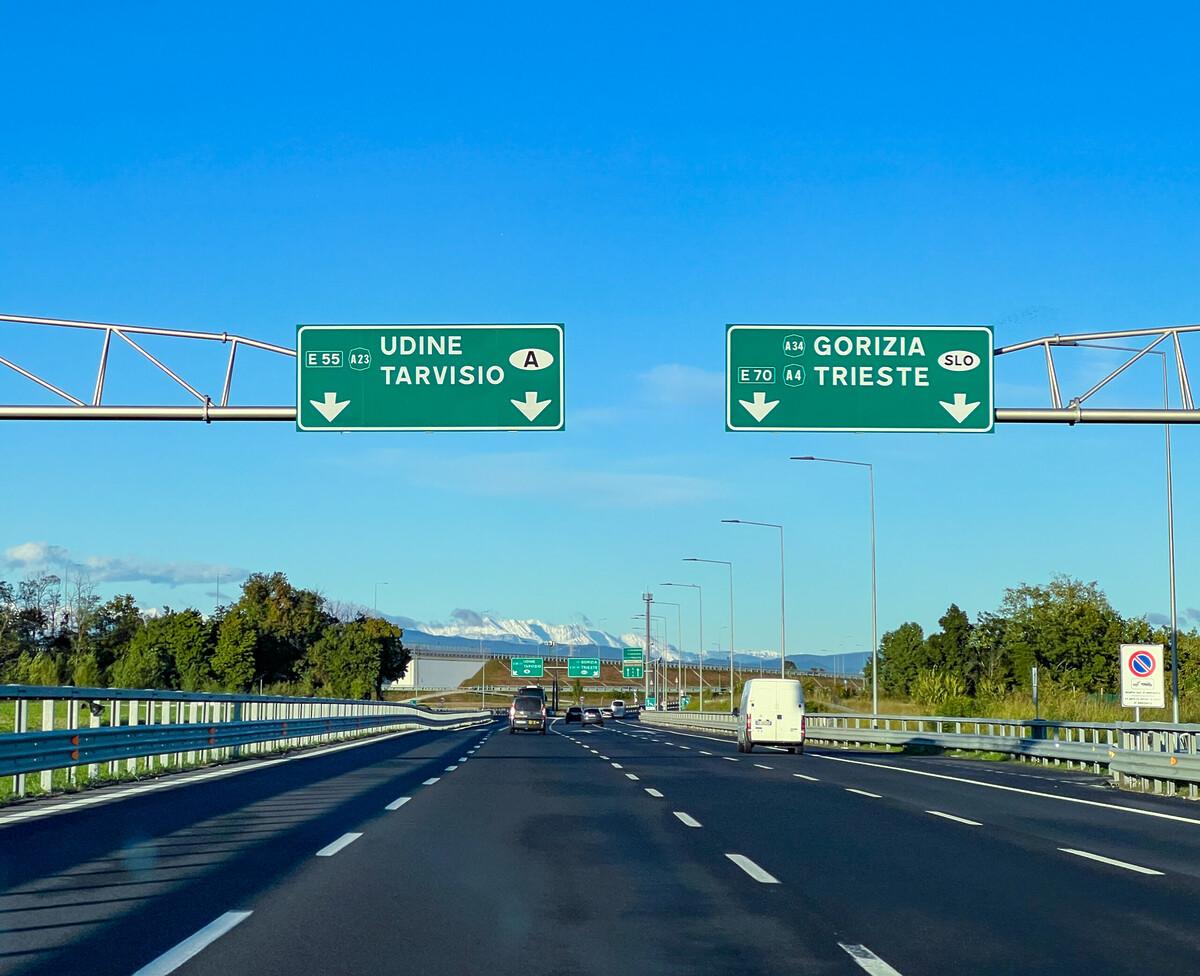
It’s clearly easier to travel in Northern Italy.
Getting there is simpler, with several major airports like Milan and Venice, and it’s also easy to reach by car from neighboring countries via highways.
Within the region, the infrastructure is very good. Roads are well developed, and the train network is excellent, making it easy to get from one place to another.
That said, driving in the north can be expensive. Highway tolls are high, ZTL zones can be confusing and lead to heavy fines, and speed cameras are very common with strict enforcement.
In Southern Italy, the situation is different. The road network is less developed, travel times are longer, and roads are often in worse condition. Public transport is also more limited compared to the north.
However, travel in the south is generally cheaper.
Which is less crowded?
This doesn’t really depend on north or south, it depends on the specific destination.
Both regions have very crowded places. In the north, for example, Cinque Terre can get extremely busy, while in the south, the Amalfi Coast is one of the most crowded areas in Italy.
At the same time, both regions also have many hidden gems where you’ll find far fewer people.
Which is cheaper: Northern or Southern Italy?
You shouldn’t expect huge price differences, but based on my experience, Southern Italy is usually around 10–20% cheaper than the north.
You’ll notice this mostly in restaurants, transport, and everyday expenses.
At the same time, one thing I really like about the north is the wide range of options. Even though it’s more expensive overall, it’s still possible to travel on a lower budget if you plan carefully.
Which has better landscapes?
I love both, but there are clear differences.
In Northern Italy, the most famous destinations are usually mountains and lakes in the Alps, like the Dolomites or Lake Como, along with cities like Milan and Verona, and historic places like Venice.
An exception is Cinque Terre and the Italian Riviera, which feel much more colorful and lively, closer to what many people imagine as “classic Italy”.
Southern Italy is more about Mediterranean scenery. You’ll find vibrant cities like Naples, coastal areas like the Amalfi Coast, and unique places like Matera or Alberobello.
There are also more well-known coastal viewpoints in the south, such as Polignano a Mare, Tropea, or Cefalù.
On top of that, you’ll find unique natural sites like Mount Vesuvius and Mount Etna, along with historic places like Pompeii and towns like Taormina.
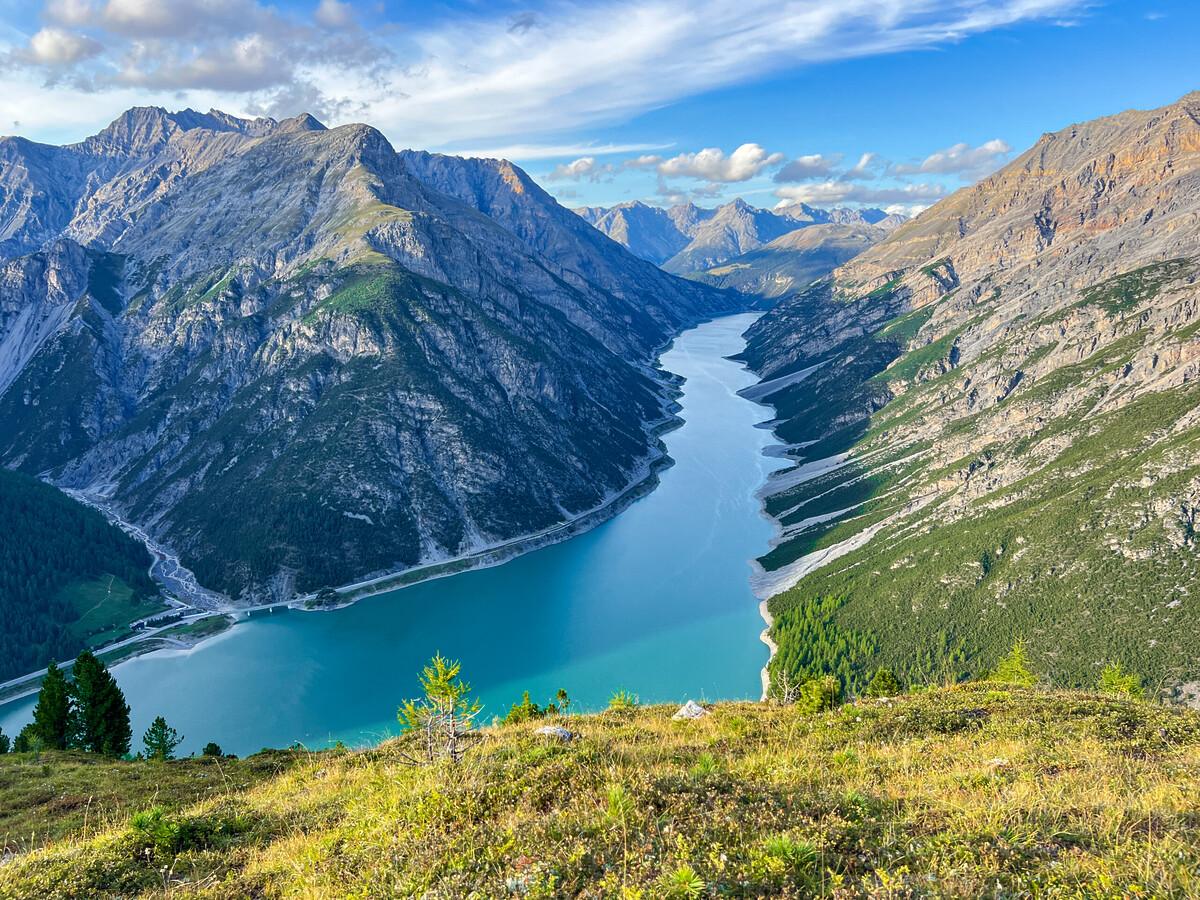
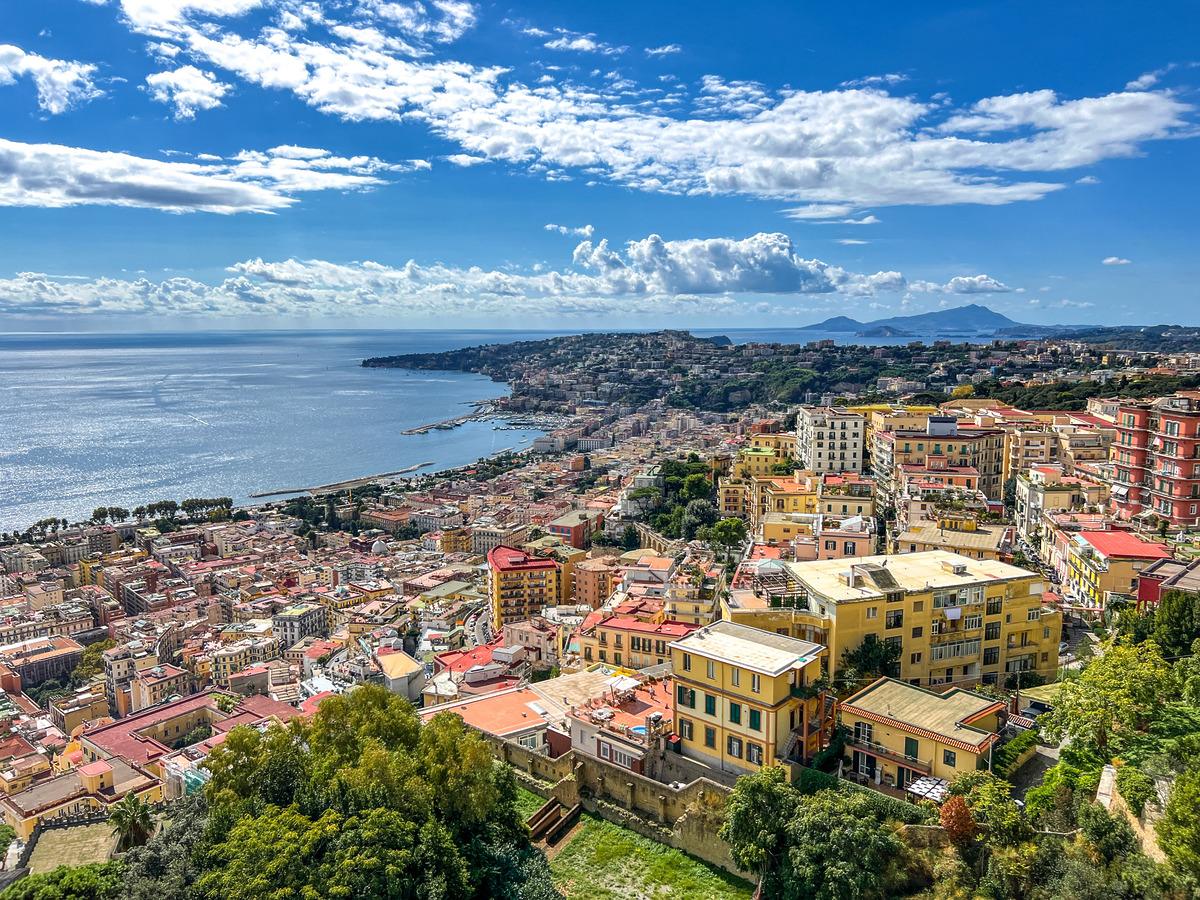
Which is better for beaches?
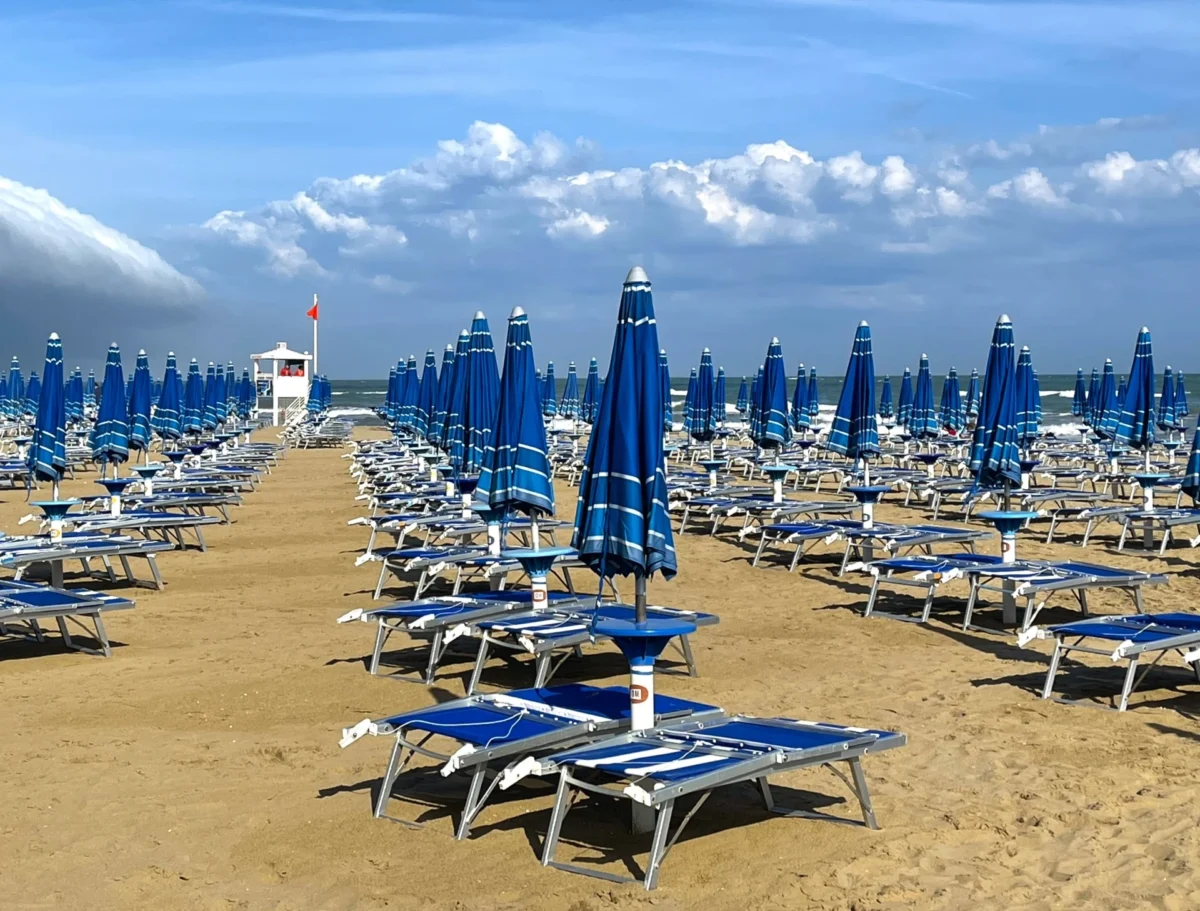
While Northern Italy has some popular beach destinations like Jesolo, Lignano, or parts of the Italian Riviera, the south is clearly the winner here.
Places like Sardinia offer some of the best beaches in Europe, with crystal-clear water, white sand, and warm sea temperatures.
In Southern Italy, you’ll also find many great coastal areas around Bari, Salerno, or Tropea.

Which is better for food?
Many people try to compare the north and south, but honestly, I think it depends more on specific places.
In the north, especially in the Dolomites, you’ll find influences from South Tyrol, which makes the food a bit different. Dishes like polenta, local cheeses, sausages, or even meals like goulash or spinach “käsespätzle” are common. In Liguria, you’ll also find pesto Genovese more often than in other parts of Italy.
At the same time, you can find classic Italian food everywhere: pizza, pasta, and risotto are available across the country.
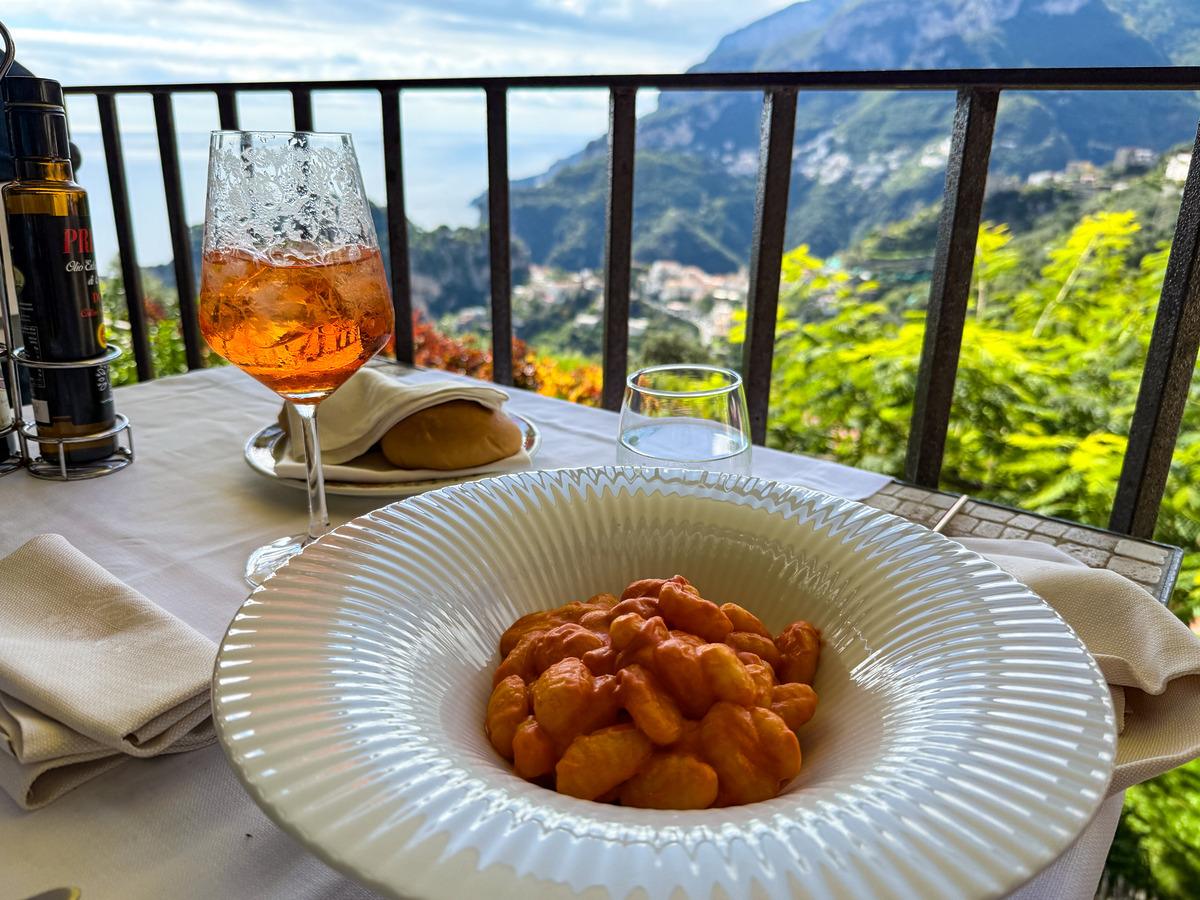
In the south, food is more focused on traditional Italian dishes, often with local variations. You’ll find things like Neapolitan pizza in Naples, pasta dishes with different flavors, and lemon-based desserts on the Amalfi Coast.
Seafood is also a bit more common in the south, especially along the coast.
As for which is better, it’s hard to say. Personally, some of my favorite restaurants are in the north, but they still serve classic Italian dishes.

Milan vs Naples
This is a comparison many people think about.
Milan is one of the most developed and well-known cities in Italy. It doesn’t have as many traditional attractions, but it offers excellent shopping, a modern atmosphere, and many great day trip options nearby. I like Milan, but it’s not my favorite.
On the other hand, I really like Naples. After visiting several times and getting used to its energy, I don’t fully understand why it has such a mixed reputation among tourists. It feels much more “Italian” to me: lively, colorful, and full of character. It also has great day trip options.
Some people worry about safety in Naples, but honestly, large cities in the north also have their issues. So I recommend the same basic precautions no matter where you go.
Which is better for road trips?
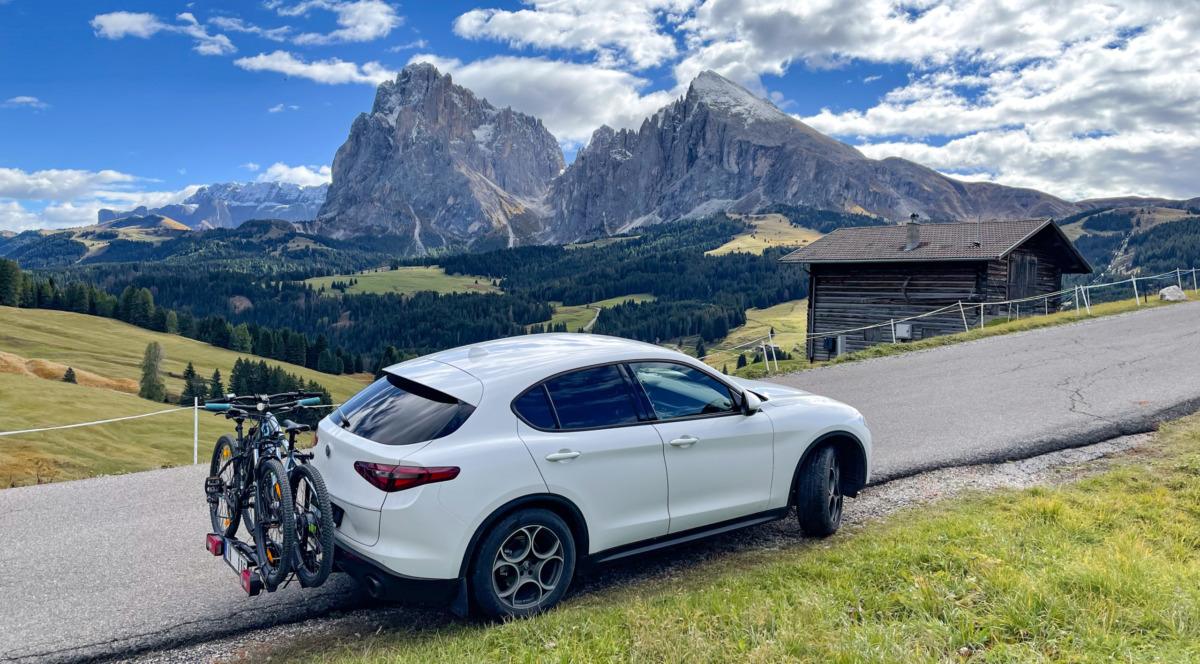
Northern Italy is clearly better for road trips.
You can easily plan 1–2 week itineraries with many interesting stops. The infrastructure is good, distances are manageable, and driving is relatively straightforward.
Southern Italy is a bit more challenging for road trips. Distances can be longer, roads are slower, and overall it requires more planning.
Best for couples
For couples, I would recommend the Amalfi Coast, Cinque Terre, or Lake Como. These are some of the most romantic destinations in Italy.
Best for families
For families, Lake Garda is a great choice, especially with kids.
For a beach holiday, you can also choose places like Jesolo in the north or Sardinia in the south.
How many days do you need?
I would generally recommend more time for Northern Italy, simply because there’s so much to see.
You could easily spend weeks there. Just to give a quick example:
- Dolomites: 5–7 days
- Venice: 2 days
- Verona + Lake Garda: 2–3 days
- Milan + Lake Como: 2–3 days
- Cinque Terre: 2–3 days
And that’s still not everything.
In Southern Italy, distances are larger and trips are usually more focused. For example:
- Naples + Amalfi Coast + Matera + Alberobello: around 7–10 days
- Sicily: 5–7 days
- Sardinia: depends on how much time you want at the beach
Best time to visit Northern vs Southern Italy
Northern Italy is best from spring to autumn, roughly from April to early October. The weather is pleasant, and in shoulder season, prices are more reasonable.
In peak summer, prices are high and popular places can be very crowded, but the weather is at its best and everything is open.
In Southern Italy, summer can be extremely hot, so I usually recommend the shoulder seasons: April, May, September, and October.
If your main goal is the beach, then summer is still the best time, but be prepared for higher prices and larger crowds.
Is it worth visiting both?
Yes, definitely, but it’s not easy to combine them in one trip.
I usually recommend visiting them separately.
If you want to combine them, you’ll also pass through Central Italy, which has its own must-see destinations.
That’s why I created a 2-week Italy itinerary, where I combine northern, central, and southern highlights in one route.
Conclusion: Northern vs Southern Italy – Which one should you choose?
So this was a detailed comparison of Northern and Southern Italy.
By now, you’ve seen the main highlights of each region and understood the real differences in landscapes, food, prices, and infrastructure. I also shared my personal perspective to help you see things more clearly, but the final choice is always yours.
Choosing between the north and the south isn’t easy. If you have enough time, the best option is to experience both.
In my 2-week Italy itinerary, I combine destinations from both areas, so you can see a wide range of places without missing the must-see highlights.
If you already know which one suits you better, my advice is simple: don’t wait too long, start planning. Read a few more guides, map out your route, and build your trip step by step.
The good news is that you really can’t make a wrong choice. No matter which part you choose, you’ll experience places that stay with you long after the trip ends.
Now it’s time to book your trip, choose your hotels and restaurants, and start your Italian adventure. 🇮🇹

Hi, I’m Adri, the author of ItalianWanderlust.com and TravelTipZone.com. I’ve been traveling for over 10 years and have been a travel blogger since 2022.
Every year I spend several weeks exploring Italy, the country that always has a special place in my heart.
Through my travel guides and tips, I hope to inspire you to discover the authentic Italy and enjoy your own Italian adventures.


