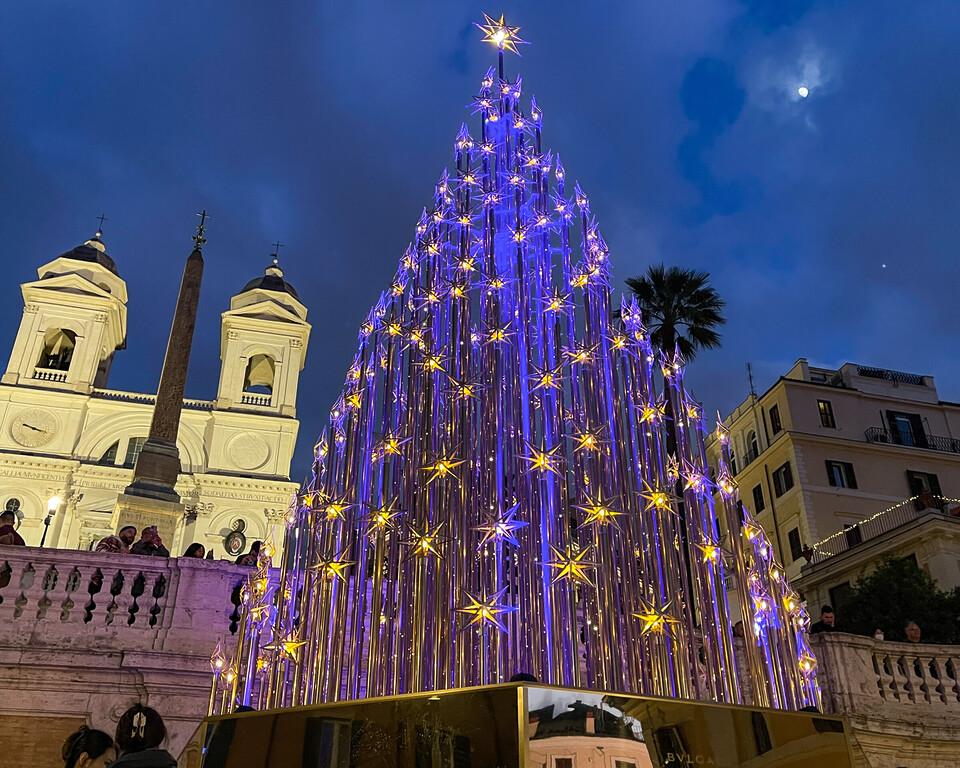

Italy is one of the most beautiful countries in Europe, and if you have seen photos or visited before, you already know why.
It’s a destination that works well in every season. Winter is not the most popular time to go, but there are still many wonderful places to visit and plenty of things to do. A winter trip also has its own advantages.
Ready to travel to Italy in winter?
Here are my quick tips on what to book for your winter trip:
Best places to stay in Italy in winter:
- Dolomites: Hotel Rudolf
- Venice (Mestre): Best Western Plus Hotel Bologna
- Milan: INNSiDE by Meliá Milano Torre GalFa
- Florence: iQ Hotel Firenze
- Rome: NH Collection Roma Fori Imperiali
- Naples and Amalfi Coast: Hotel & Resort Tre Fontane Luxury
- Sicily: Hotel Politeama
Best things to do in Italy in winter:
Imagine historic cities filled with warm lights, snowy mountains in the north, peaceful coastal towns that are usually crowded in summer, charming old streets, winter markets, and beautiful landscapes everywhere you go.

Since millions of tourists visit Italy every year, the big question is always the same: when is the best time to visit? And is it worth traveling to Italy in winter?
There is no single perfect answer. It depends on your travel style and the kind of experience you want.
For me, winter has never been the best time to travel around Europe, so when I do take a winter trip, I usually choose somewhere in the Mediterranean.
This is why I’ve spent the past few winters exploring different parts of Italy, just as I have in every other season.
These trips helped me understand what winter in Italy really feels like and make it easier for me to share honest, useful advice about what to expect and which places are the most enjoyable to visit.
Italy is my favorite country in all of Europe, and I never get tired of it. I love the lifestyle, the food, the culture, and the beautiful places that make Italy so special, even in the winter months.
In this travel guide, I’ll walk you through everything you need to know about visiting Italy in winter. You will find the pros and cons, the weather, the best places to visit, hotel recommendations, and many useful tips to help you plan a smooth and enjoyable trip.
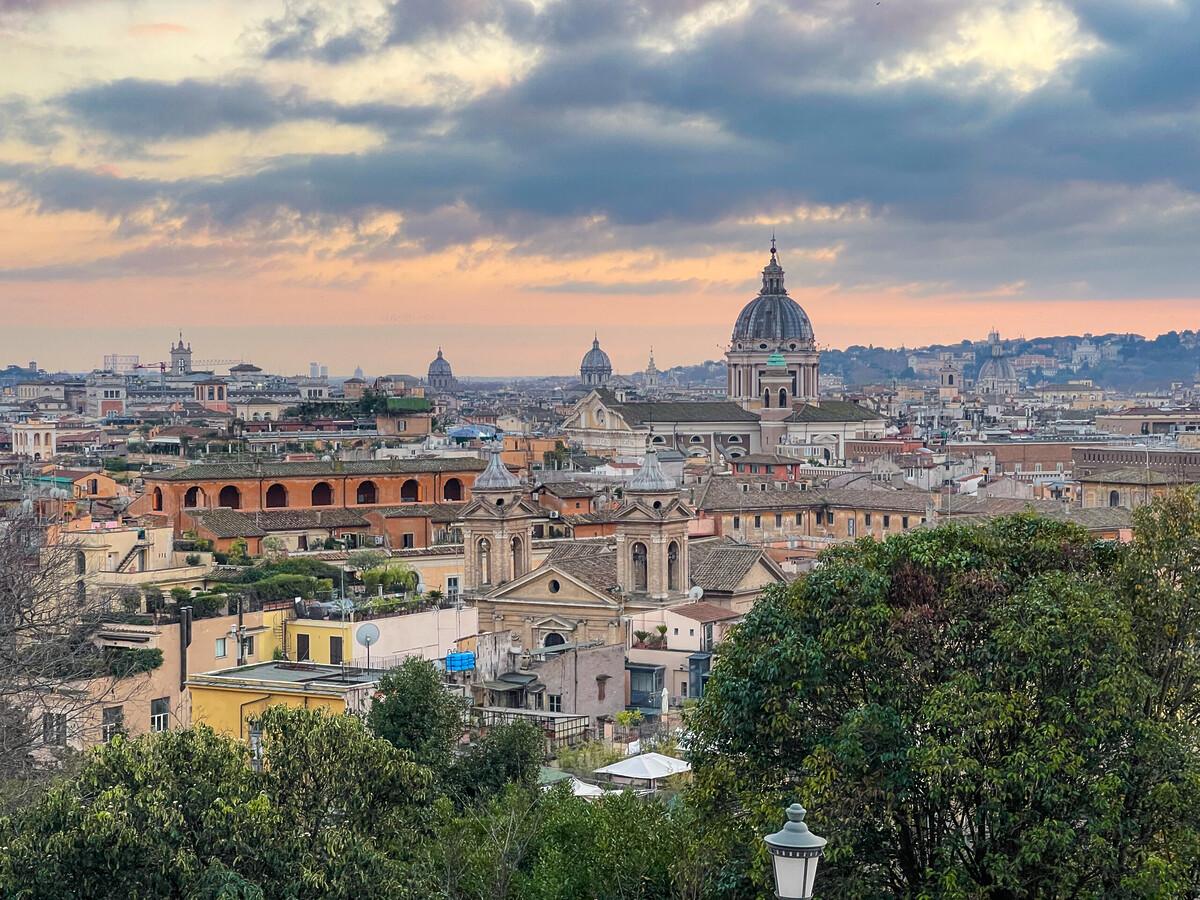
So let’s take a closer look at what is good to know before traveling to Italy in winter.
Is Italy worth visiting in winter?
Visiting Italy in winter can be a great idea, but it depends on what kind of trip you are hoping for.
Winter is not the season when Italy shows its most famous side, yet the country still has many wonderful places to explore.
You won’t experience everything that Italy offers in spring or summer, but a winter trip can still be very enjoyable, especially if you like sightseeing without crowds, cozy cities, and gentle Mediterranean sunshine.
If you are already traveling in Europe, planning a winter getaway, or simply want to see Italy in a less crowded season, visiting in winter can be a great idea. Just be prepared that the experience will feel a little different from the typical Italian summer trip.

Let’s take a closer look at the main pros and cons:
Pros of visiting Italy in winter
There are several reasons why visiting Italy in winter can be worth it. The most important advantages are:
- Fewer crowds: Compared to the busy spring and summer months, winter is much quieter. Popular cities and attractions are easier to visit, sightseeing is more relaxed, and you have more space everywhere.
- Lower prices: Flights and hotels are often cheaper in winter, especially outside the Christmas period. This makes Italy a more budget-friendly destination.
- Pleasant weather in the south: While northern Italy is cold and snowy, the south still enjoys many mild and sunny days.
- Great time for cultural trips: Winter is perfect for museums, churches, and food experiences.
- Easier travel and logistics: With fewer tourists, transportation is less crowded, parking is simpler, and the whole trip is easier to plan.
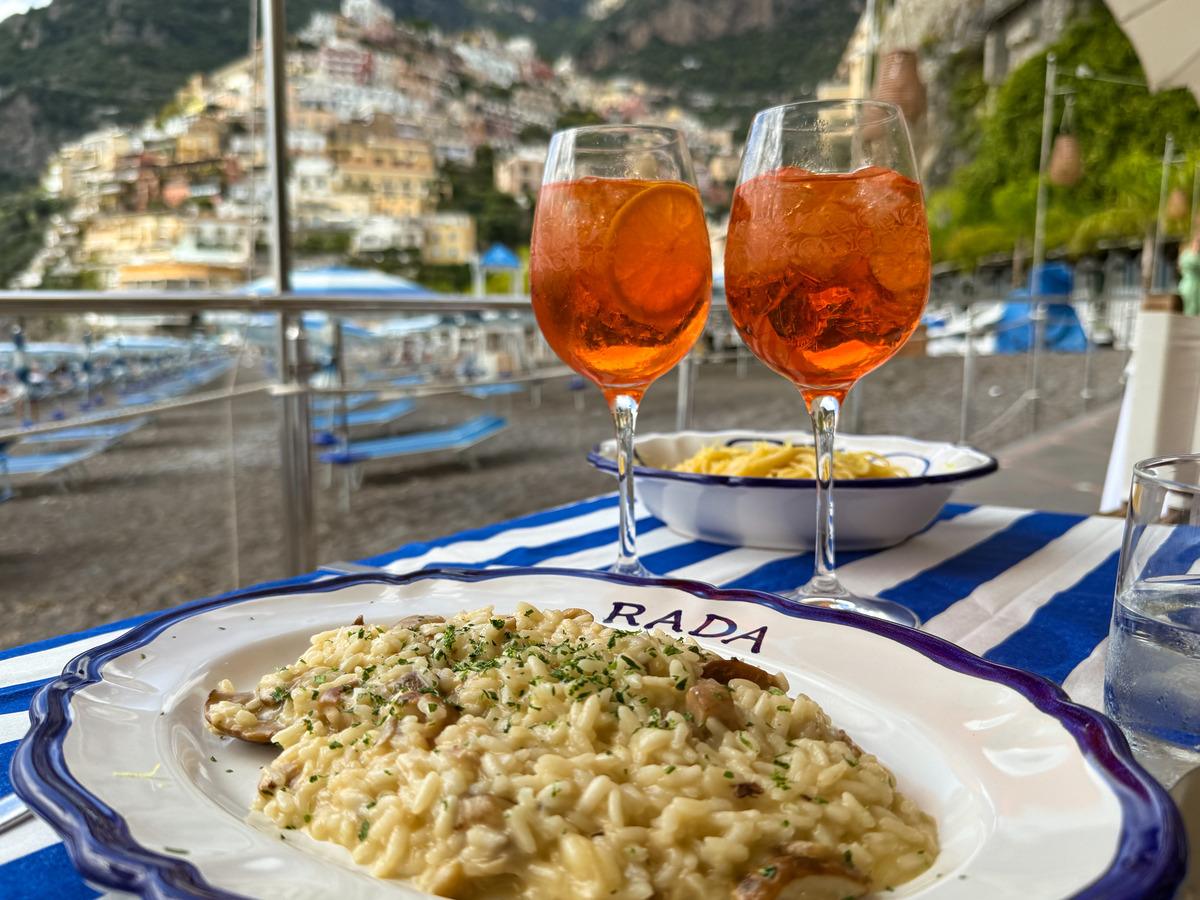
- Italian winter foods: Don’t miss Italy’s traditional winter treats. Panettone and pandoro are the most popular Christmas sweets, and you’ll find them in every bakery and supermarket. You can also try other seasonal desserts like torrone (nougat), panforte (spiced cake), and warm dishes such as polenta, risotto, and hearty soups.
Cons of visiting Italy in winter
A winter trip also comes with some downsides, so it’s good to know what to expect:
- Cool and rainy weather: Central and northern regions can be cold, and rainy days are common in many parts of the country.
- Many places are closed: In winter, many restaurants, hotels, shops, and seaside activities stay closed for the season, especially in smaller villages, so you may find fewer options in winter.
- Short daylight hours: Like everywhere in Europe, winter days are short. It gets dark early, so you have less time for outdoor sightseeing.
- No beach time: Swimming and sunbathing are not possible during winter, even in the warmest regions.
- Cold accommodations: Be prepared, many Italian hotels and guesthouses have weak heating in winter, or they keep the temperature lower than you might expect. Bring warm sleepwear and an extra layer for the evenings!
Is Italy crowded in winter?
Winter is the quietest season in most parts of Italy, and you will see far fewer tourists than in the peak season. Popular cities and landmarks feel more relaxed, and it is much easier to explore without long lines or busy streets.
Still, on sunny days and around Christmas and New Year, some places can be lively, especially major cities like Rome, Florence, Milan, and Venice.
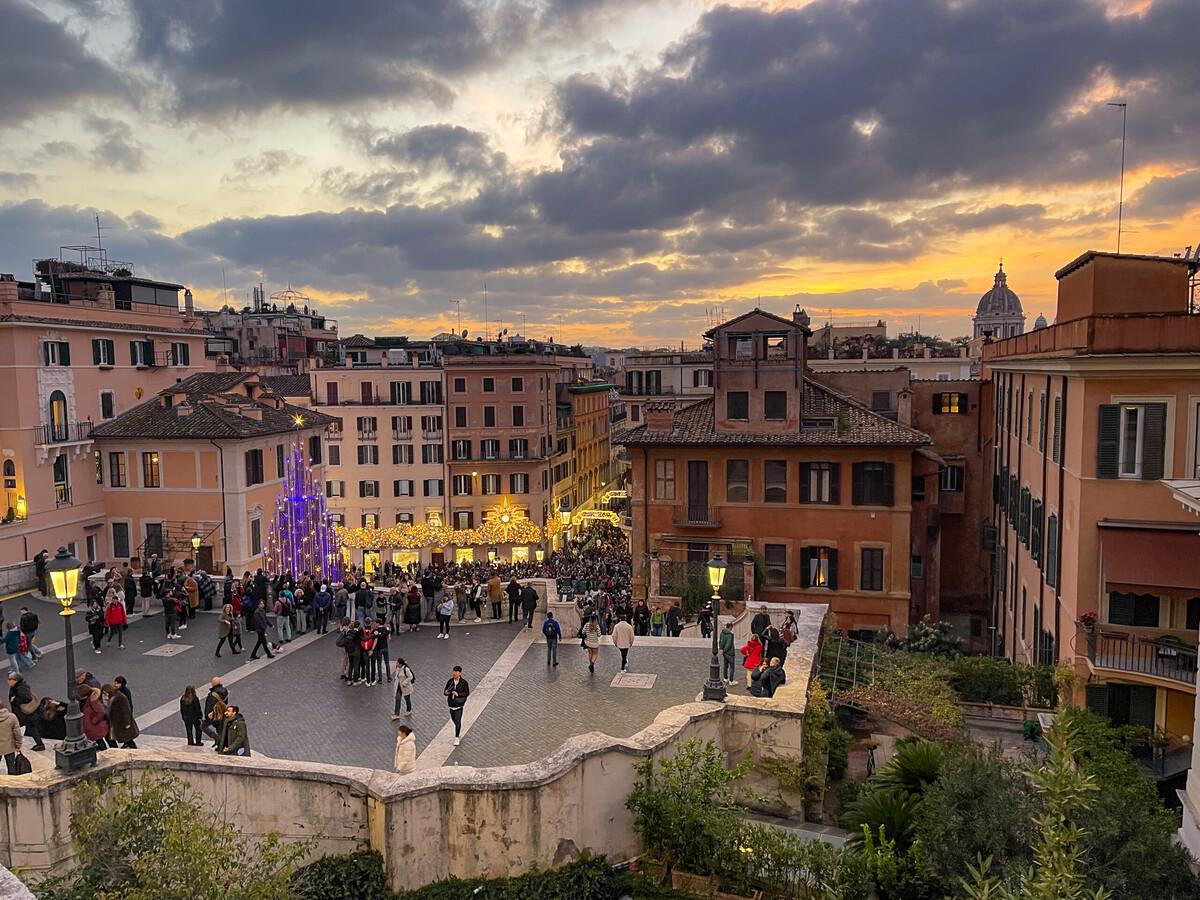
Weather in Italy in winter
Winter weather in Italy is cool and often changeable, and this is one of the reasons why winter is not my favorite season to visit. Temperatures and conditions are very different from region to region, so it is good to know what to expect before you go.
Temperatures in Italy in winter
If you still decide to travel in winter, here is a simple overview of the typical weather in December, January, and February:
Northern Italy
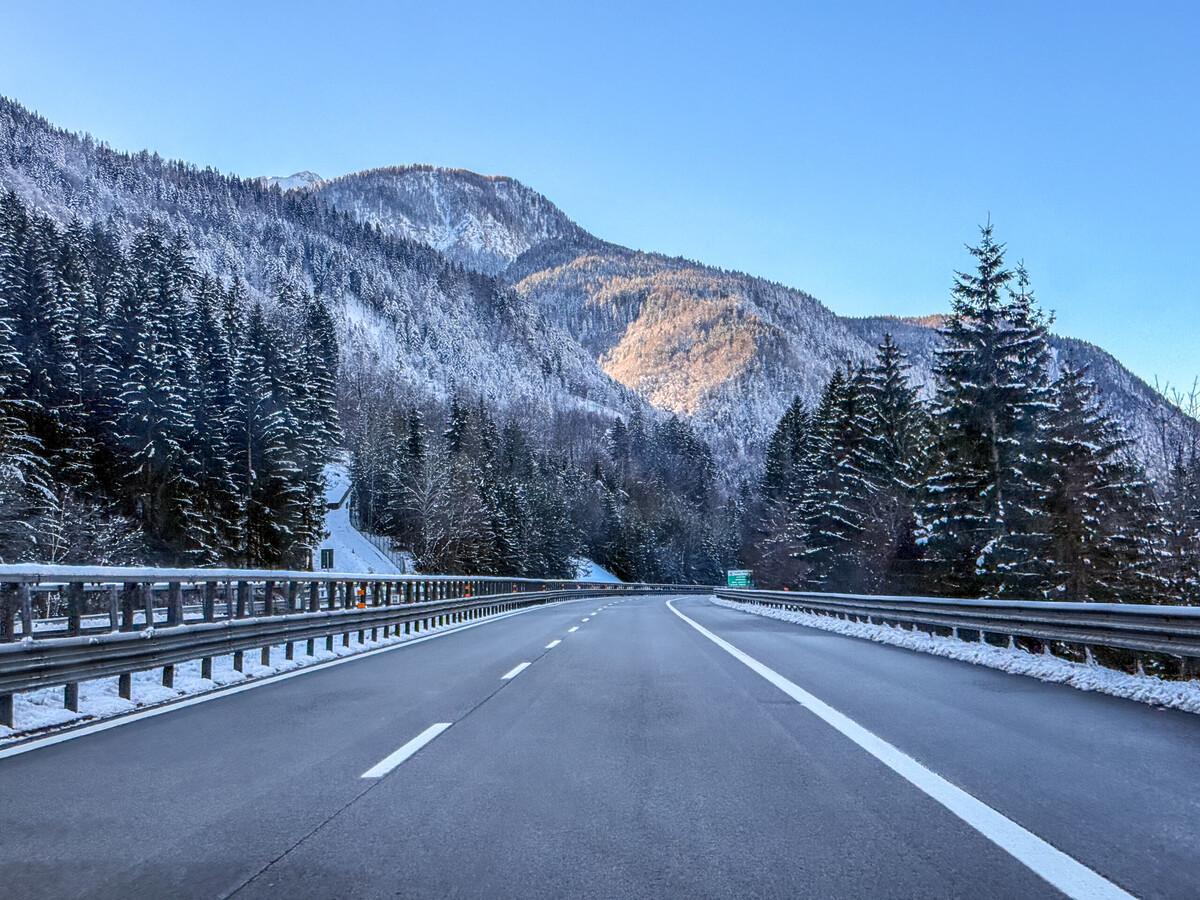
Northern Italy is the coldest part of the country. Daytime temperatures are usually between –2 and 8°C (28–46°F), and nights can be much colder.
The mountains get plenty of snow, and the ski season normally starts in the Alps in early December. By this time, most alpine areas are fully covered in snow.
Central Italy
Central regions, including Tuscany, Umbria, and Rome, are milder but still cool. Daytime temperatures are usually between 6 and 12°C (43–54°F).
You can expect a mix of sunny, cloudy, and rainy days throughout winter.
Southern Italy
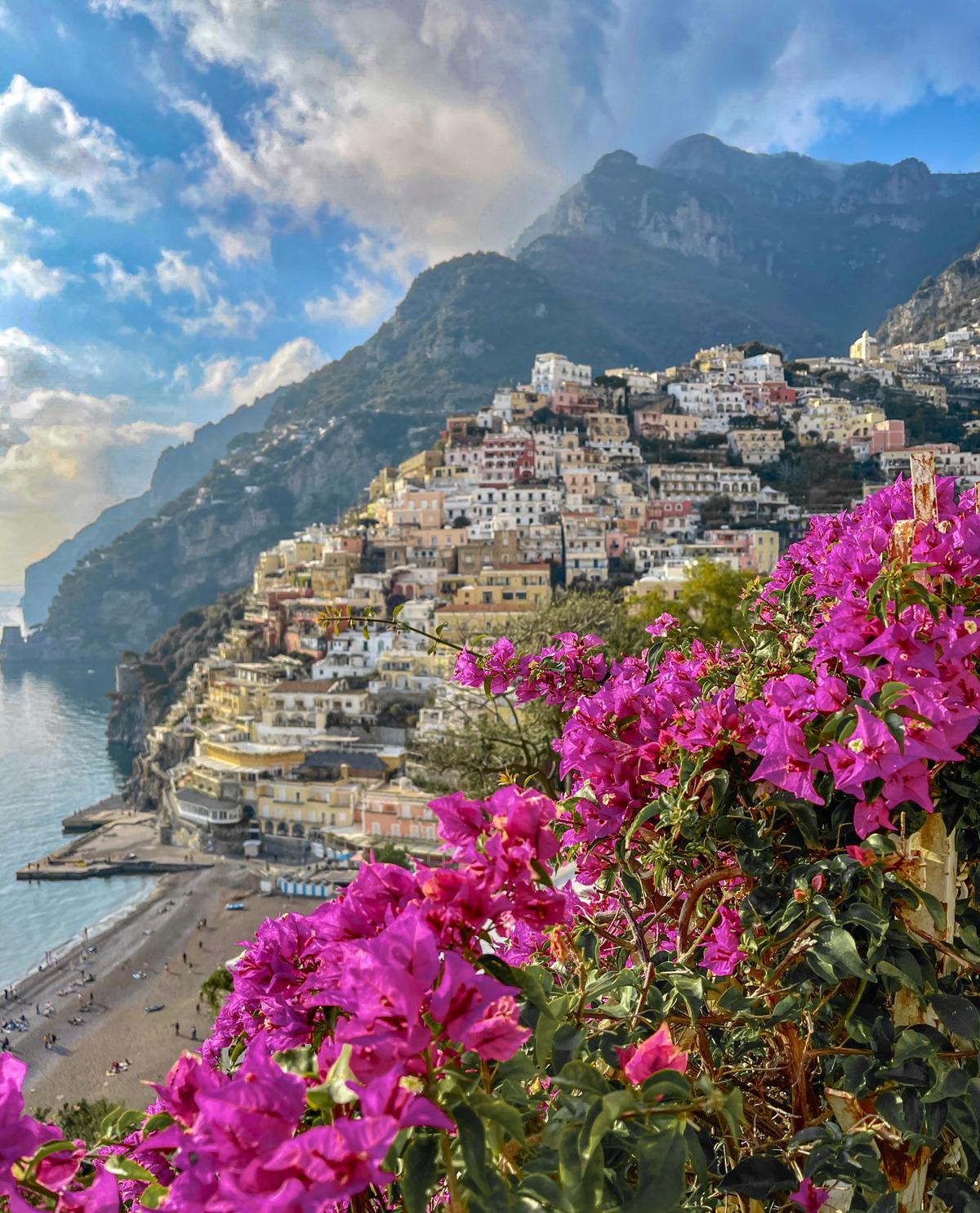
Southern Italy has the mildest winter weather. Daytime temperatures often stay between 10 and 18°C (50–64°F), and sunny days are common.
Although it is not warm enough for swimming, the weather is usually pleasant for walking and sightseeing.
Sea temperature
The sea is too cold for swimming anywhere in Italy during winter. Average sea temperatures are usually between 8 and 18°C (46–64°F), depending on the region.
This is why winter is not the time for beach or water activities.

How rainy is Italy in winter?
Rainfall also depends on where you go:
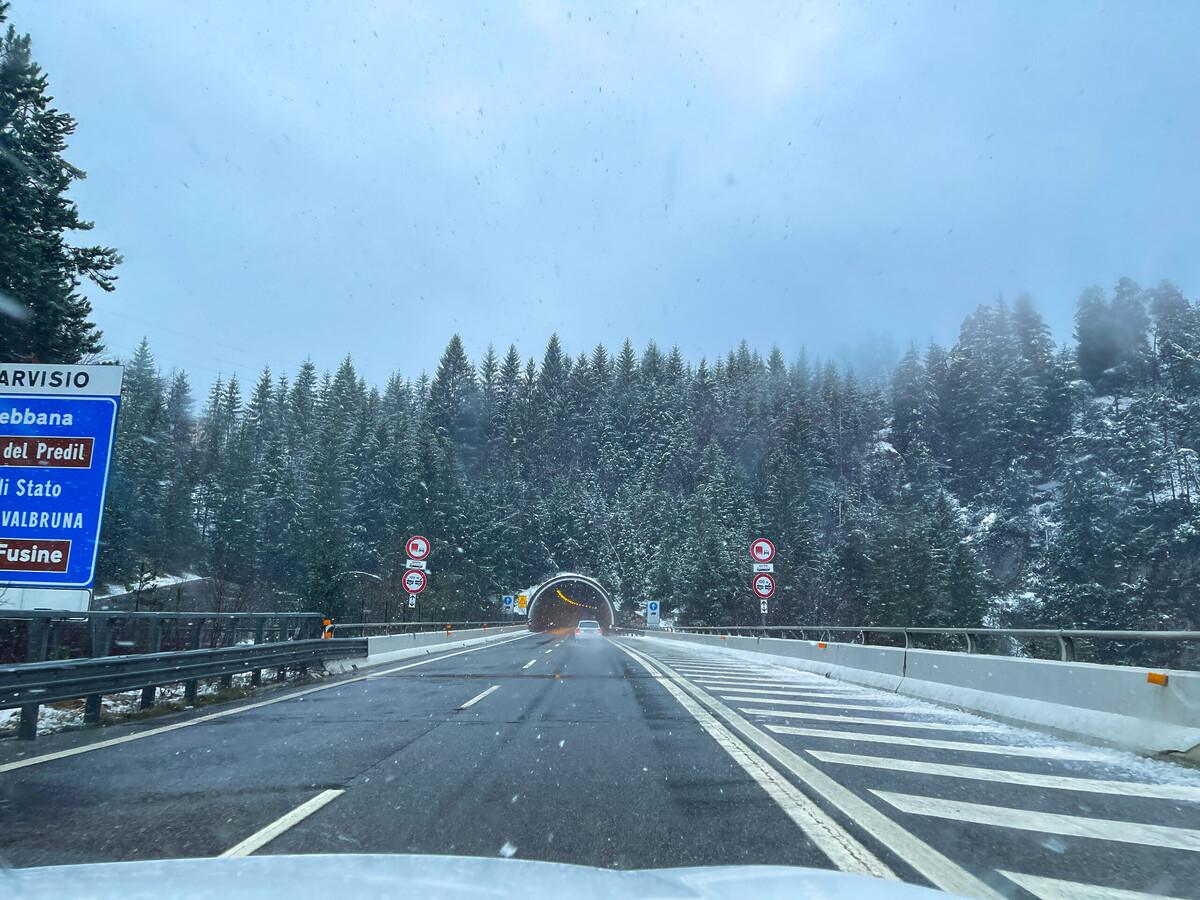
- Northern Italy: The mountains are very wet in winter, but most of the precipitation falls as snow.
- Central Italy: Rain is common, especially in November, December, and February.
- Southern Italy: Winters are mild but can be rainy too.
So if you plan to visit in winter, make sure to bring an umbrella and a raincoat, and keep your schedule flexible. It is a good idea to plan some indoor activities as well, in case the weather keeps you inside for a day or two.
What to wear in Italy in winter
What you need to pack for Italy in winter depends a lot on where you are going, because the weather is very different in the north, the center, and the south of the country.
Northern Italy
If you are visiting the mountains or planning to ski, bring proper winter clothing. You will need warm layers, a thick winter coat, waterproof boots, gloves, a scarf, and a hat. For skiing, bring your usual ski clothes and thermal layers, as temperatures can get very cold.
Central Italy
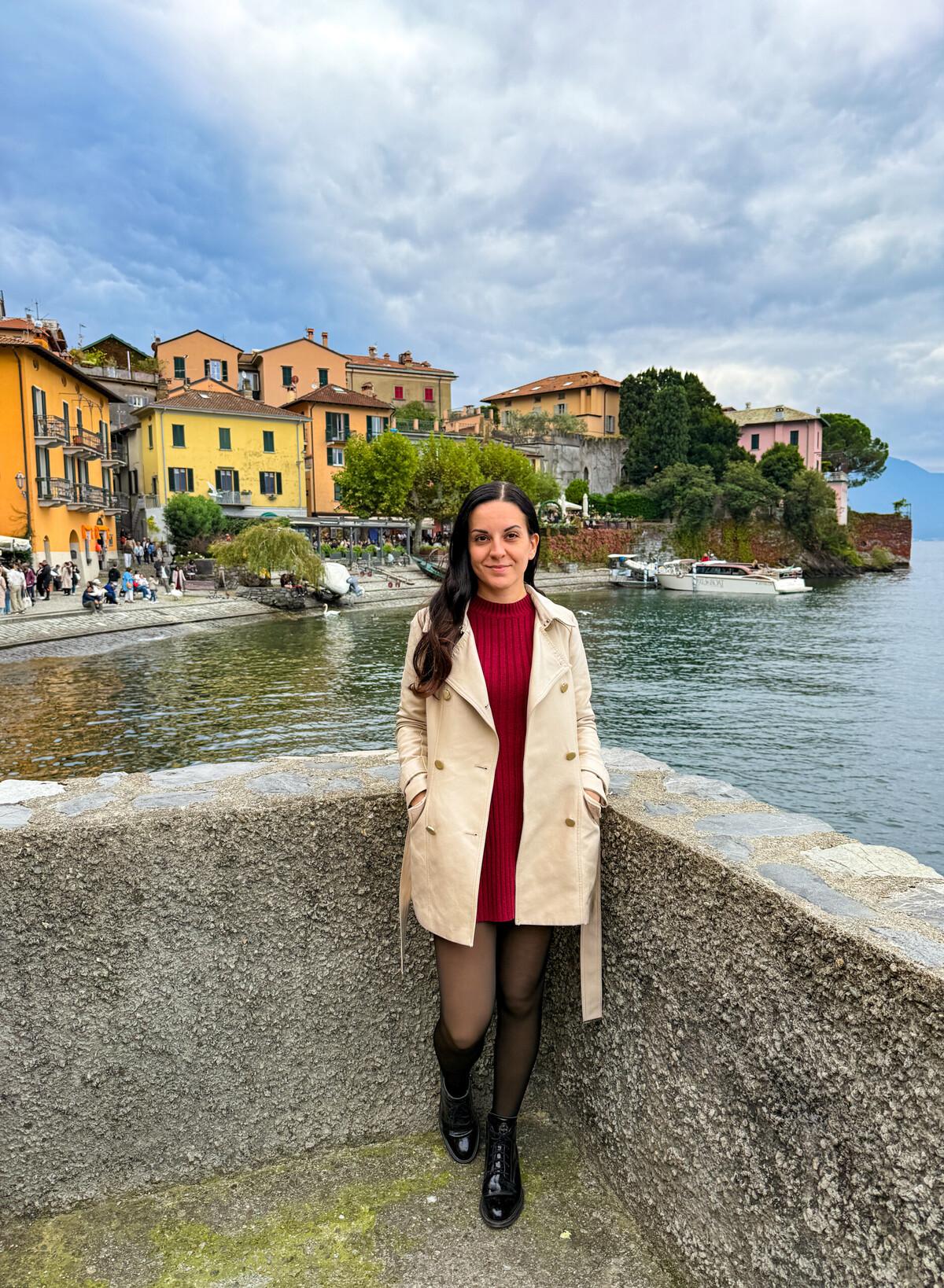
For places like Rome, Florence, or Tuscany, average European winter clothing is perfect. Pack two types of jackets, one lighter and one warmer, a few long trousers, tights if you like them, and comfortable shoes. Waterproof shoes are a very good choice because winter can be rainy.
Southern Italy
The south is much milder, so lighter autumn or spring clothes are usually enough. Bring a light jacket, a few sweaters, jeans, and comfortable sneakers.
You may have some warm days, but you rarely need true summer clothes in winter. It is better to bring layers so you can adjust to the changing weather.
What to pack for Italy in winter
Since winter weather in Italy can change quickly, it is a good idea to pack clothes you can layer. Some days are mild and sunny, while others are cold or rainy, depending on where you travel.
Here are the basics I recommend bringing for a winter trip to Italy:
- Clothing: Bring warm layers for the north, regular winter clothes for central Italy, and lighter autumn clothes for the south. A light and a warm jacket are both useful. Pack an umbrella and a raincoat, as winter can be rainy in many regions.
- Comfortable shoes: You will walk a lot in Italian cities and towns, often on cobblestones. Bring comfortable shoes, and if you plan to hike or visit the mountains, take proper winter hiking boots.
- Swimwear: Only useful if your hotel has a heated pool or spa.
- Water and snacks: If you plan full sightseeing days, it is always helpful to carry a bottle of water and a small snack.
- Smartphone or camera: Italy is full of beautiful places, even in winter. Bring your camera or phone for photos, especially in cities and mountain areas.
With these essentials, you will be well prepared for a winter trip anywhere in Italy.
Best places to visit in Italy in winter
Here are the best winter destinations in Italy. Each one offers something special: ski resorts, quieter cities, beautiful views, cozy streets, or mild Mediterranean weather.
Dolomites
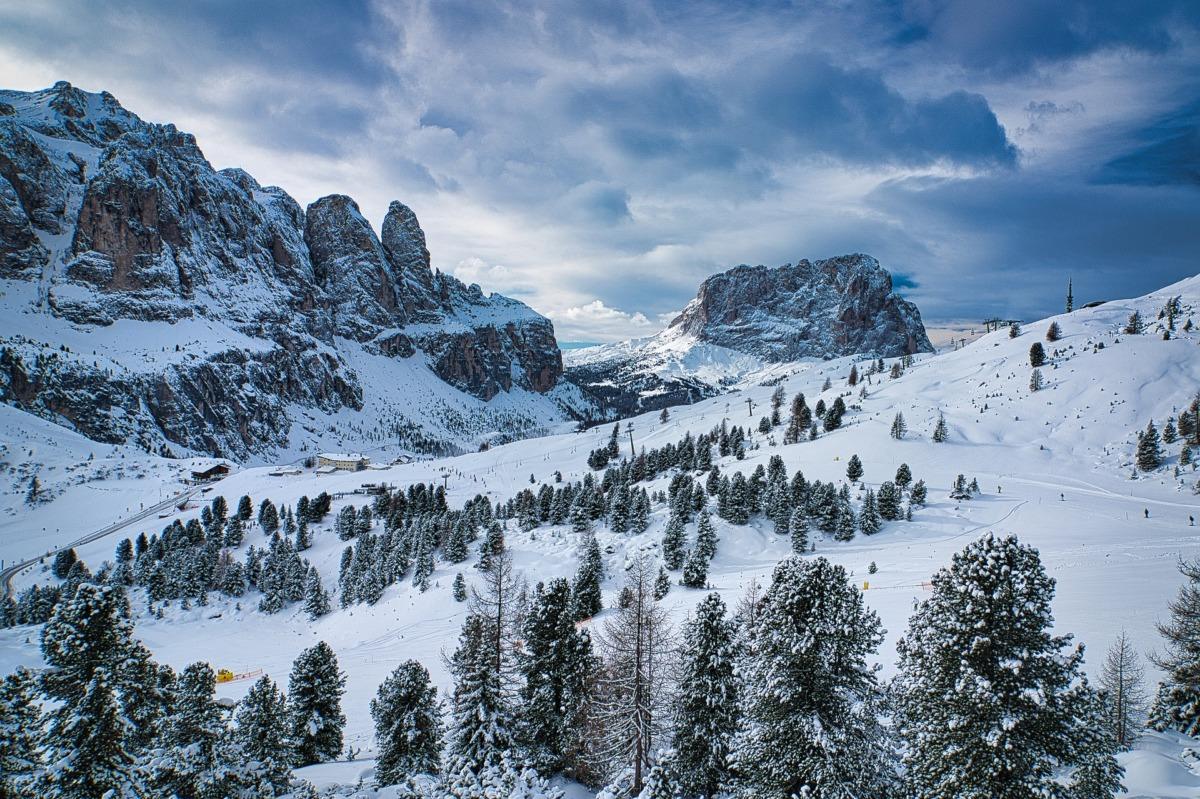
The Dolomites are one of the best places to visit in Italy in winter. The mountains are covered in snow, the scenery is breathtaking, and the ski resorts are among the most beautiful in Europe.
Visit towns like Ortisei, Canazei, or Cortina d’Ampezzo for skiing, winter hiking, and warm alpine restaurants and hotels.
Even if you do not ski, the views alone make this region worth the trip.
Venice
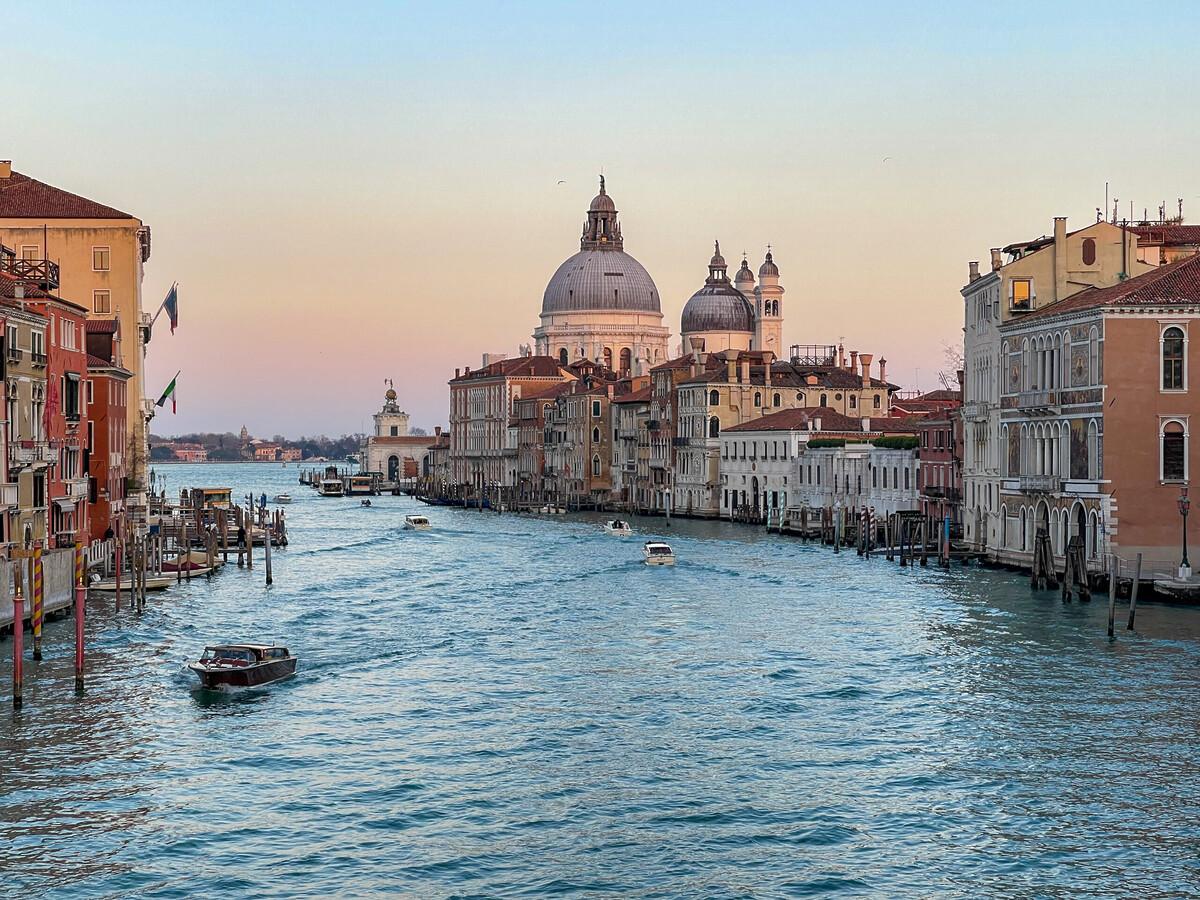
Venice is a great place to visit all year, but winter has its own special charm.
The streets and canals are much quieter, the fog often creates a soft and dreamy atmosphere, and you can enjoy famous places like St. Mark’s Square and the Rialto Bridge without the usual crowds.
Take a walk along the canals, visit the Doge’s Palace, enjoy an Italian pastry or a hot chocolate in a cozy café, and explore the small islands of Burano and Murano.
Venice Carnival also takes place in February, which makes the city even more exciting.
One thing to keep in mind in winter is the high water. Venice in winter sometimes experiences flooding, so it is good to check the forecast and be prepared.
Milan
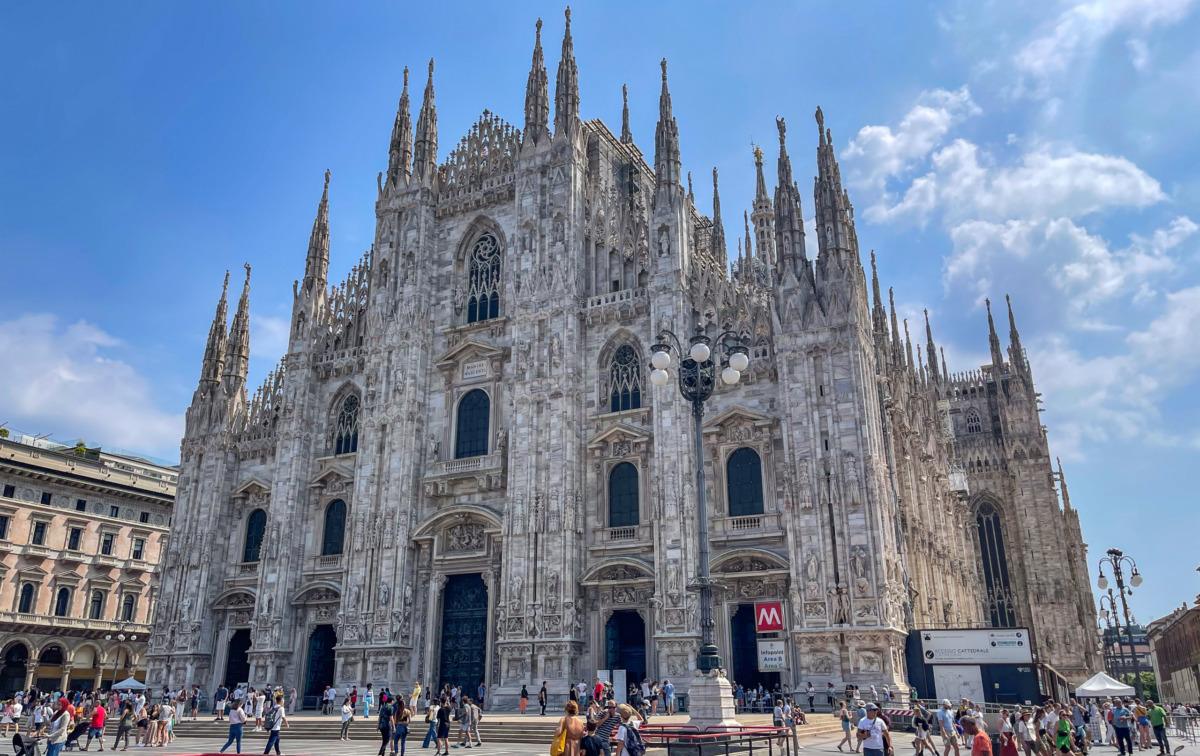
Milan is lively in winter too, and it is one of the best cities in Italy for a winter city break. The weather is cool, but the city stays full of energy, great food, and interesting places to explore.
Start your visit at the Duomo, then walk through the beautiful Galleria Vittorio Emanuele II. Continue to the Arco della Pace and Castello Sforzesco, two iconic landmarks of the city.
December and January are famous for Christmas markets and winter sales. I personally love shopping here, because the stores have a great selection.
Florence
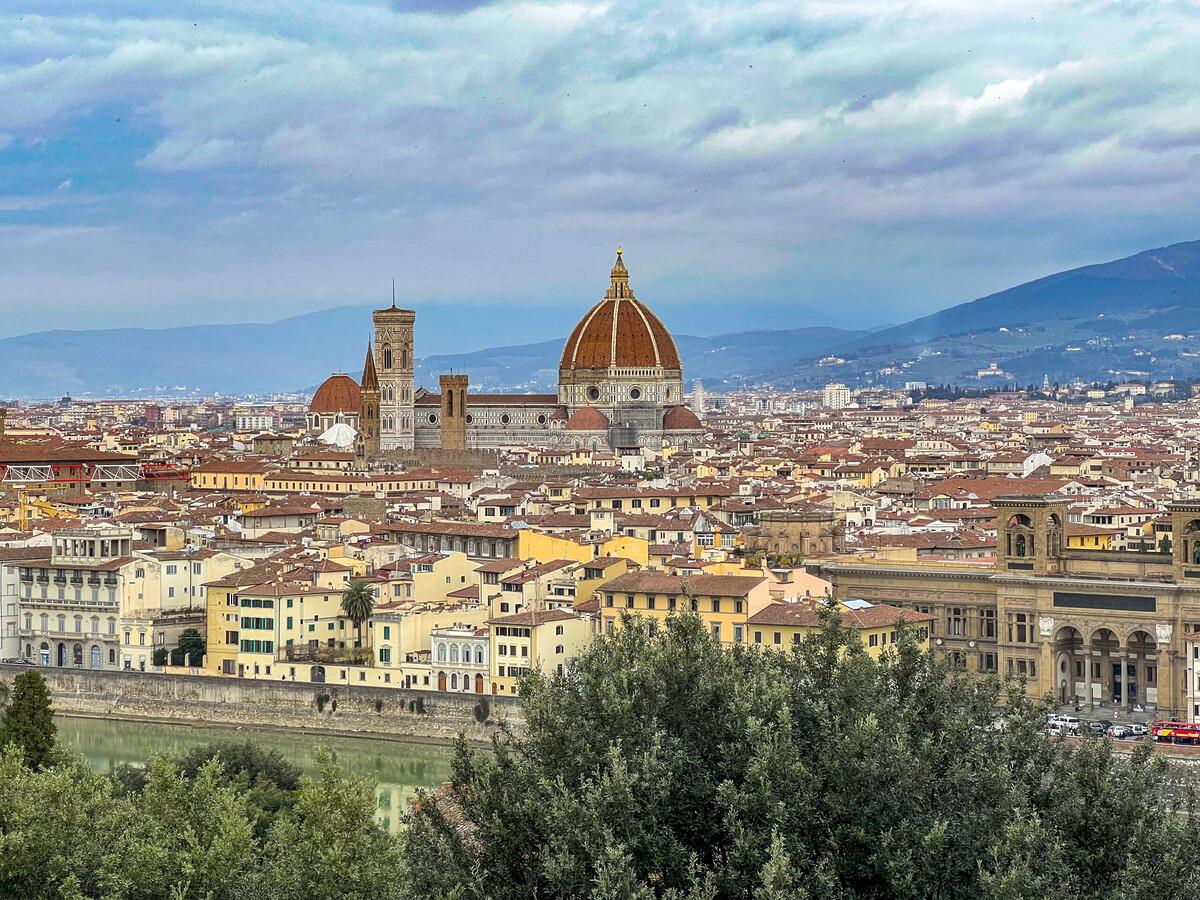
Florence is beautiful and much less crowded in winter. The cooler months are perfect for sightseeing, as you can visit world-famous museums like the Uffizi Gallery or the Accademia without long lines.
Walk across Ponte Vecchio, explore the historic center, and enjoy Tuscan food in warm, cozy restaurants.
For the best views of Florence, go up to Piazzale Michelangelo.
Rome
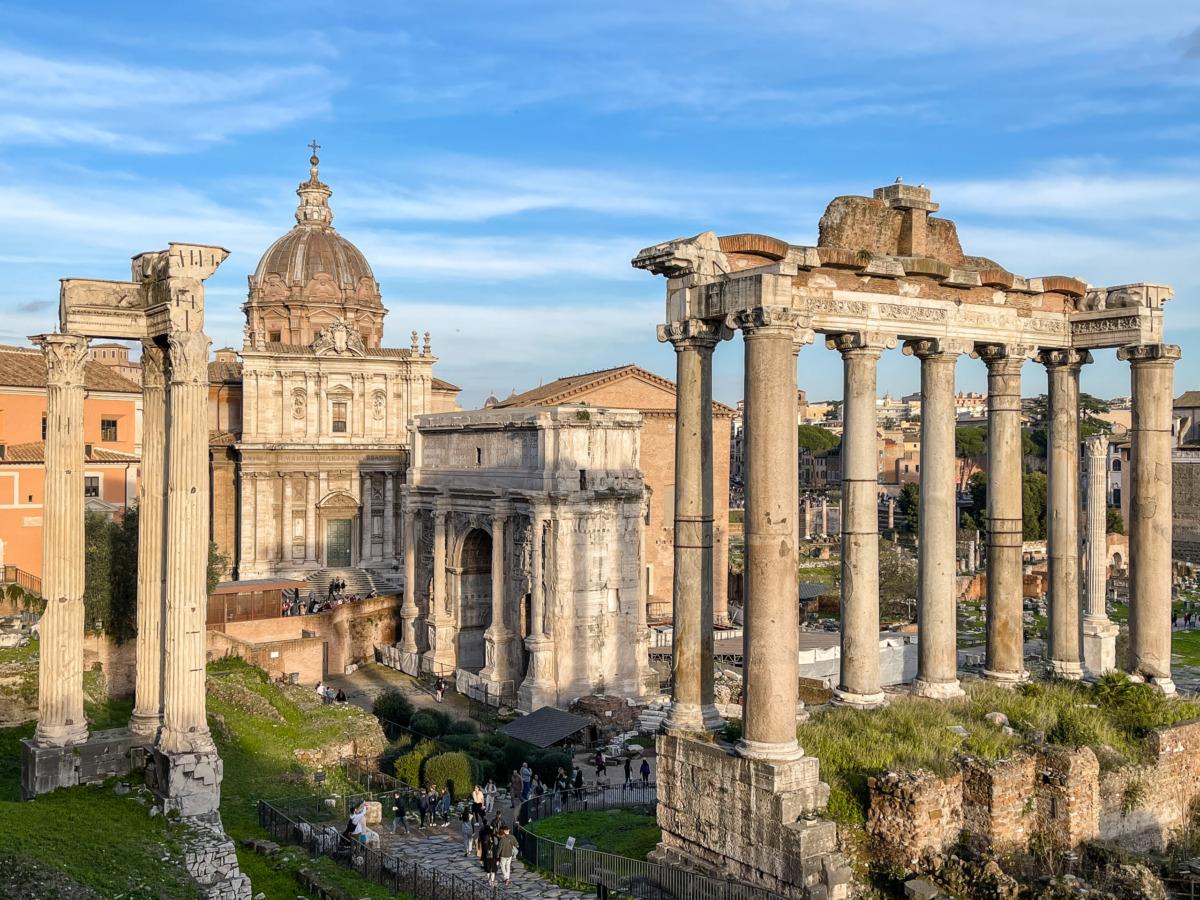
Rome in winter is a great destination with mild weather and endless things to see.
The Colosseum, Trevi Fountain, Spanish Steps, and Vatican Museums are much easier to visit when there are fewer tourists.
Walk around Trastevere, enjoy Italian coffee in a small café, and explore the city’s historic streets at a more peaceful pace.
Rome is great for shopping too, with lots of stores and a wide selection.
Naples
Naples is a vibrant Italian destination even in winter, and the weather is often mild compared to most of Europe.
The city is full of character, with places like Castel Sant’Elmo, Castel dell’Ovo, Piazza del Plebiscito, and the historic center waiting to be explored. Since Naples is the home of pizza, winter is also a wonderful time to enjoy warm, fresh Italian dishes.
Winter is a great season for day trips from the city. Pompeii, Herculaneum, and Mount Vesuvius are all easier to visit without the heavy summer crowds and high temperatures.
With fewer tourists and a pleasant climate, exploring Naples and the surrounding area in winter feels relaxed, comfortable, and very enjoyable.

Amalfi Coast
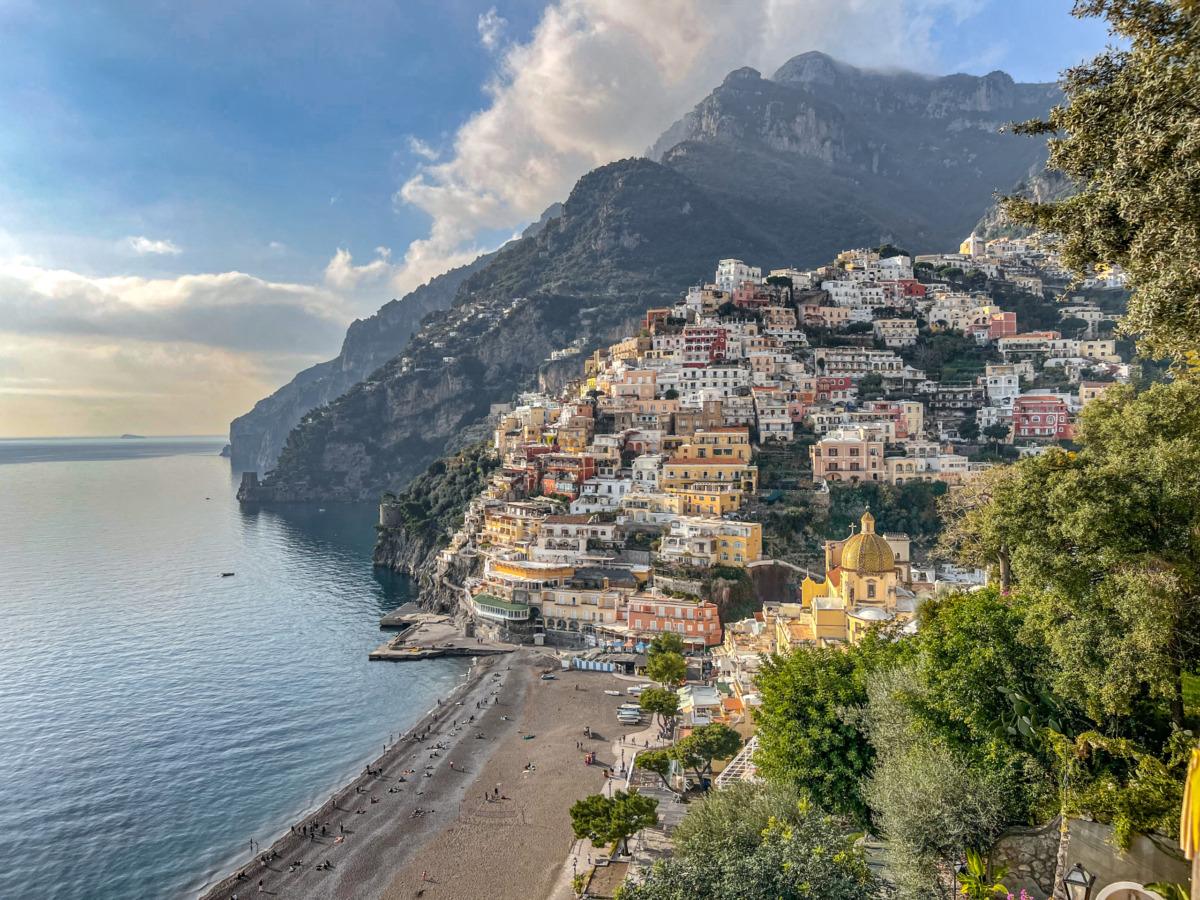
The Amalfi Coast is much quieter in winter, but the views are just as beautiful as in summer. You can explore Positano, Amalfi, and Ravello without crowds, enjoy peaceful walks, and take lovely photos on sunny days.
Keep in mind that winter is the low season, so some hotels and restaurants may be closed.
If you want fewer people, better prices, and a calmer coastal atmosphere, the Amalfi Coast can be a great winter destination, even without beach time.
Sicily
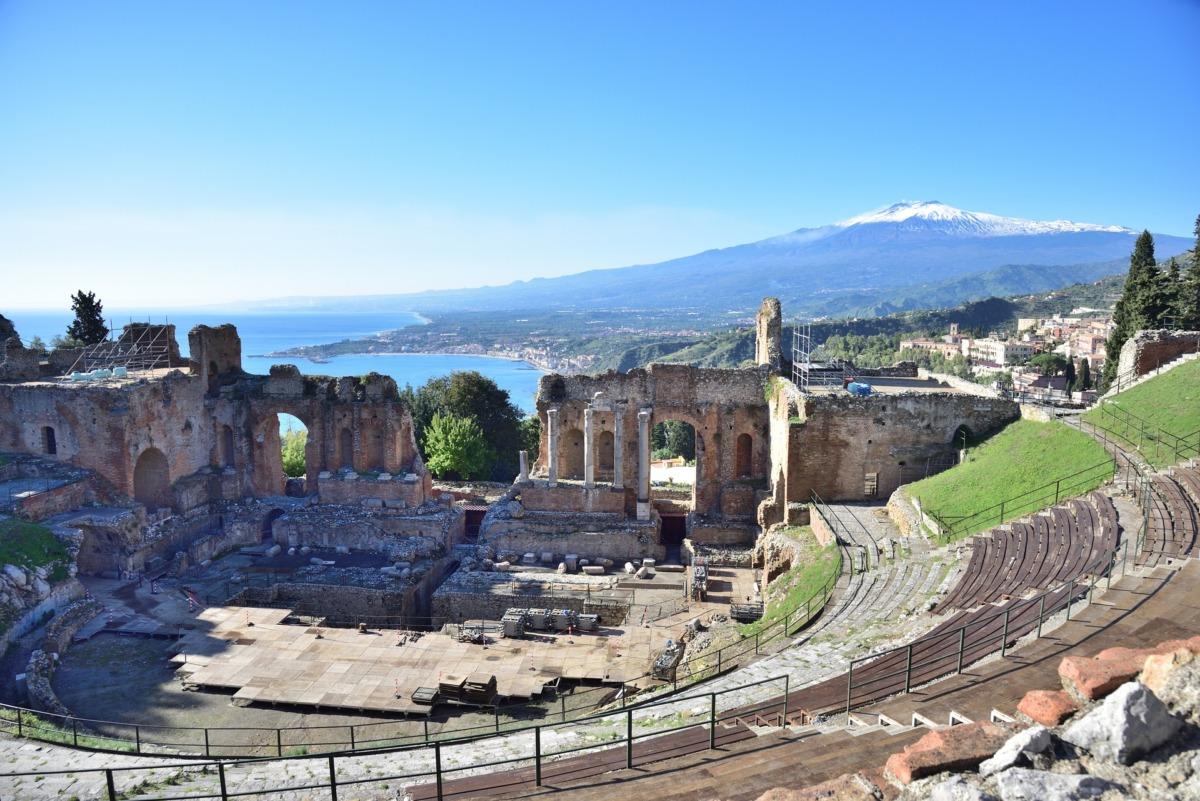
Sicily is one of the warmest places in Italy in winter, which makes it a great choice if you want mild weather and sunny days. You can explore beautiful towns like Palermo, Catania, and Taormina, visit ancient sites such as the Valley of the Temples, and enjoy a walk at quiet beaches without the summer crowds.
Winter is also a good time to visit Mount Etna, as the cooler temperatures make hiking and sightseeing more comfortable. Many days are still bright and pleasant, perfect for walking, photography, and trying delicious Sicilian food.
If you want a winter trip with softer weather and plenty of things to see, Sicily is one of the best places in Italy to visit.
How to get around Italy in winter
Getting around Italy in winter is very similar to any other season, with just a few things to keep in mind.
Driving
If you’re a confident driver and you don’t mind the Italian driving style, renting a car gives you the most freedom. It’s often faster and more flexible, especially in rural areas.
However, there are a few downsides: higher costs, limited parking in big cities, and the ZTL zones (limited traffic areas) where entering without permission can lead to fines. In the mountains, winter tires or snow chains may also be required.
Trains
Italy has an excellent train network, and it’s one of the best ways to travel between major cities. High-speed trains are fast, comfortable, and sometimes even quicker than driving. They’re usually cheaper too.
The biggest drawback is flexibility. Trains don’t always reach small towns or countryside destinations, so you might need a bus or car for the final stretch.
Local transport
Inside cities, avoid driving if you can. Public transport works well, and many cities offer city cards that include unlimited bus or metro rides.
Taxis are another good option: fast and convenient, though more expensive. In tourist cities, you’ll also find plenty of ride apps and shuttle services.


Winter holidays in Italy
You won’t be bored in Italy during winter, because there are celebrations and events almost all season long.
Here are the main ones you can find across the country:
Christmas markets: Late November to early January
Christmas markets in Italy can be found in many northern and central cities, including Bolzano, Merano, Trento, Verona, Florence, and Milan. They are great for festive food, gifts, and decorations.
Saint Lucy’s Day (Santa Lucia): December 13
Celebrated mainly in northern Italy, especially in Verona and the Veneto region, with lights, markets, and small gifts for children.
Christmas (Natale): December 25
Cities and towns are filled with lights, nativity scenes, and Christmas markets. Christmas in Italy is one of the most important holidays.
New Year’s Eve (Capodanno): December 31
Celebrated with fireworks, concerts, and big gatherings in main squares. Rome, Naples, and Venice are especially lively.
Epiphany (La Befana): January 6
A traditional holiday where children receive sweets from “La Befana,” a friendly old woman from Italian folklore. Parades and small festivals take place across the country.
Carnevale: February
Italy’s famous carnival season, with masks, costumes, and events. Venice has the most iconic celebration, but Carnevale is enjoyed in many regions.


Where to stay in Italy in winter
Italy has many great places to stay in winter, and the best option depends on the kind of trip you want.
There are plenty of hotels, apartments, and budget-friendly choices everywhere. Winter is the low season in many regions, so prices are lower and availability is better than in summer.
Two things are good to know before booking:
- Some hotels and guesthouses close for the season.
- Heating can be limited in certain places, which may make rooms colder than you expect. It is worth checking this in advance and packing warmer sleepwear.
Best hotels to stay in Italy
Now you’ll find my recommended places to stay in Italy, based on the best winter destinations:
- Dolomites: Hotel Rudolf
- Venice (Mestre): Best Western Plus Hotel Bologna
- Milan: INNSiDE by Meliá Milano Torre GalFa
- Florence: iQ Hotel Firenze
- Rome: NH Collection Roma Fori Imperiali
- Naples and Amalfi Coast: Hotel & Resort Tre Fontane Luxury
- Sicily: Hotel Politeama
Best time to visit Italy: What else if not winter?
Winter can be a nice season in some parts of Italy, but for most travelers it is not the ideal time. So the real question is: when is the best time to visit Italy?
My personal favorite months are May, early June, September, and early October. These months offer the best balance of weather, prices, and overall experience.
- May is a perfect time for sightseeing and photography. The weather is pleasant, and Italy feels fresh after spring.
- Early June is another great time to visit Italy. It already feels summery, but the heat is not too strong yet, which makes it ideal for both cities and coastal areas.
- September is warm and comfortable, often considered one of the very best months to visit Italy. It is a great time for both cultural trips and beach days.
- Early October is also a lovely period, especially in southern Italy. You can enjoy the main sights with comfortable weather and a more pleasant atmosphere than in summer.
If you want the perfect time to visit Italy, these months are my honest recommendations.

FAQ: Common questions about visiting Italy in winter
These are some other common questions travelers ask about winter trips to Italy:
How long does winter last in Italy?
Just like in most parts of Europe, the winter months in Italy are December, January, and February. These are the official winter months.
However, winter-like weather often starts in the first half of November and can last until the second half of March.
In the mountains, cold and snowy conditions can appear as early as October and continue until May.
Is December a good time to visit Italy?
Yes, December can be a great time to visit Italy, especially if you want to experience Christmas or New Year celebrations.
Just be prepared for a winter atmosphere, it feels very different from visiting Italy in other seasons.
Which part of Italy is warmest in winter?
The warmest regions in winter are the area around Naples and the island of Sicily.
If you’re looking for a milder winter destination, these are the best places to consider.

Is it cheaper to visit Italy in winter?
Yes. Except for a few specific dates (such as New Year’s Eve) Italy is generally much cheaper in winter than in other seasons.
Which part of Italy is best in winter?
If you want a true winter wonderland, the Dolomites are the best choice.
For city trips, Venice and Rome are ideal in winter.
If you prefer warmer weather, head to Naples or Sicily.

Conclusion: Winter in Italy
Overall, winter is not the perfect time to visit Italy for everyone, but it can still be a wonderful experience if you know what to expect.
The weather is cooler and some seasonal places are closed, yet winter also brings many advantages: fewer tourists, better prices, peaceful cities, and the same amazing Italian food and culture.
If you are lucky with the weather, you can enjoy beautiful views, quieter streets, and a more relaxed way of exploring the country. Winter is also a great season for cultural trips, city breaks, and visiting southern regions with milder temperatures.
In this guide, I’ve shared the most important things to know about visiting Italy in winter: where to go, what to pack, what the weather is like, and how to plan your trip.
You can find more detailed travel tips in my other Italy guides to help you create the best itinerary for your winter holiday.
So if you feel ready for an Italian winter adventure, it’s time to choose your destinations, book your stays, and start planning. Italy in winter has its own charm, and it might surprise you with how enjoyable and memorable it can be.

Hi, I’m Adri, the author of ItalianWanderlust.com and TravelTipZone.com. I’ve been traveling for over 10 years and have been a travel blogger since 2022.
Every year I spend several weeks exploring Italy, the country that always has a special place in my heart.
Through my travel guides and tips, I hope to inspire you to discover the authentic Italy and enjoy your own Italian adventures.


