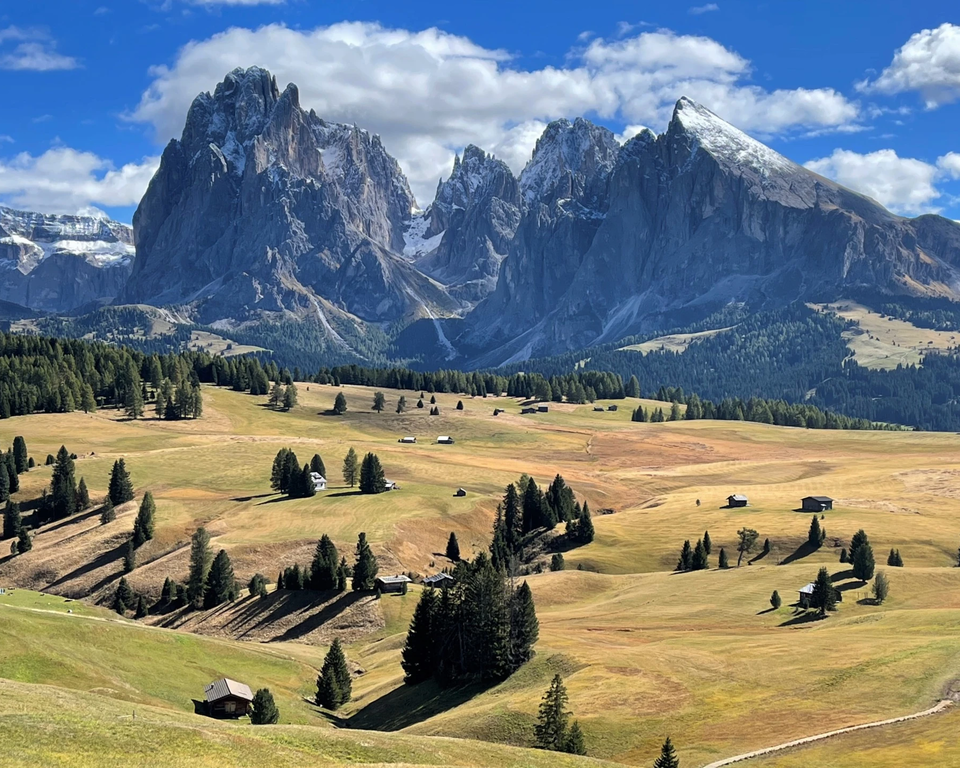

The Dolomites are located in Northern Italy, in the regions of Veneto and Trentino-Alto Adige. Since 2009, they have been part of the UNESCO World Heritage list.
I truly believe the Dolomites are a place everyone should see at least once in their lifetime. Dramatic peaks, wide alpine meadows, scenic mountain passes, and turquoise lakes are all within short driving distances.
I first visited the Dolomites in 2020, and since then I’ve returned every year, sometimes to revisit my favorite spots, sometimes to explore new ones.
I never get tired of the beauty of Lago di Braies or the view of Cadini di Misurina.
I love hiking here in summer, enjoying the local food, walking on well-marked trails, driving through the mountain passes with my Italian car, and simply admiring the views in every direction.

Ready to travel to the Dolomites?
If you’re short on time, here are my personally recommended hotels and tours in the Dolomites:
The best places to stay:
- Brunico: Hotel Rudolf
- Dobbiaco: Hotel Rosengarten
- Ortisei: Rainell Dolomites Retreat
- Alpe di Siusi: Sporthotel Floralpina
The best things to do:
Day trips with private transfers:
Over the years, I’ve written several detailed articles about the Dolomites. In this guide, I bring everything together and walk you through the most important things you need to know before planning your Dolomites trip. Step by step, I’ll also help you create a realistic Dolomites itinerary.
Let’s go through what you should know before visiting the Italian Dolomites:
Who should visit the Dolomites? Is it right for you?
If you enjoy spending time in nature, photographing landscapes, and hiking, the Dolomites are a great choice.
You don’t need to be an experienced climber or have expensive gear to explore the region.
Thanks to the well-developed infrastructure, comfortable hotels, mountain huts, restaurants, and cable cars, the Dolomites are accessible to most travelers.
With the right planning, it’s an enjoyable destination for families, seniors, couples, and solo travelers alike.
How to get to and around the Dolomites
I strongly recommend traveling by car in the Dolomites. I always explore the region by car, and in my experience, it gives the most flexibility, both for reaching the area and for getting around once you’re there.
Even if you fly into Italy or a neighboring country, renting a car makes your trip much easier.
Do you need a car in the Dolomites?
A car is not strictly necessary, but it will make your trip significantly smoother. Public transport exists, but it limits your flexibility and timing.
Below, I also mention other transport options, but for a well-structured itinerary, a car remains the most practical choice.
Driving in the Dolomites: What to expect
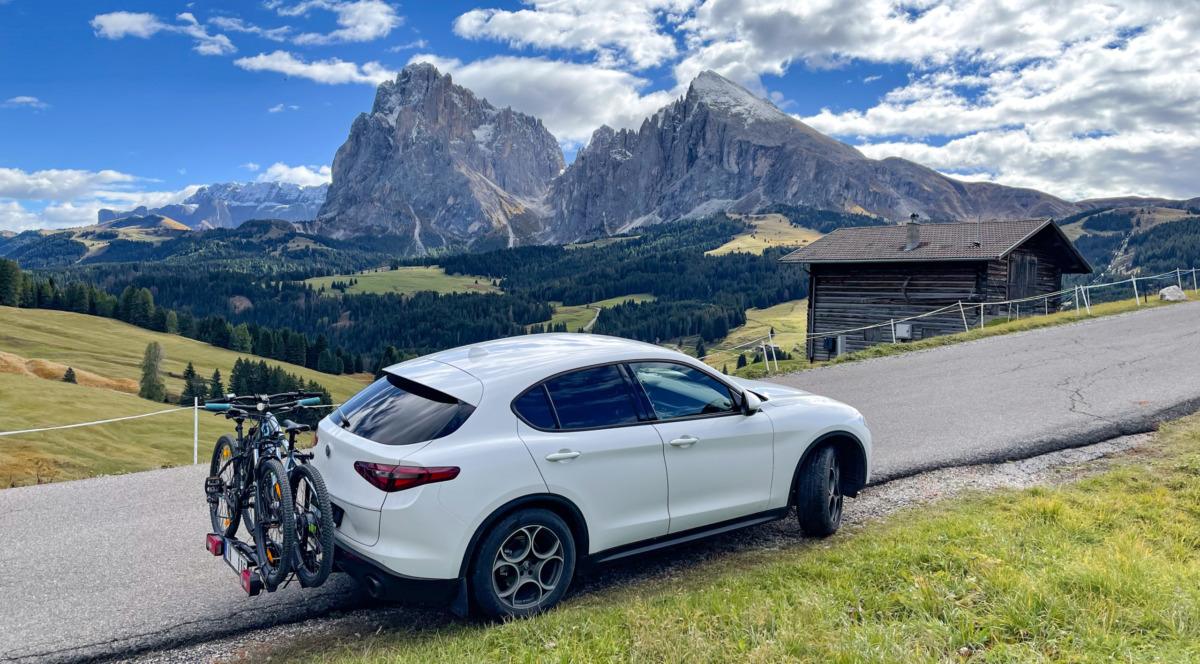
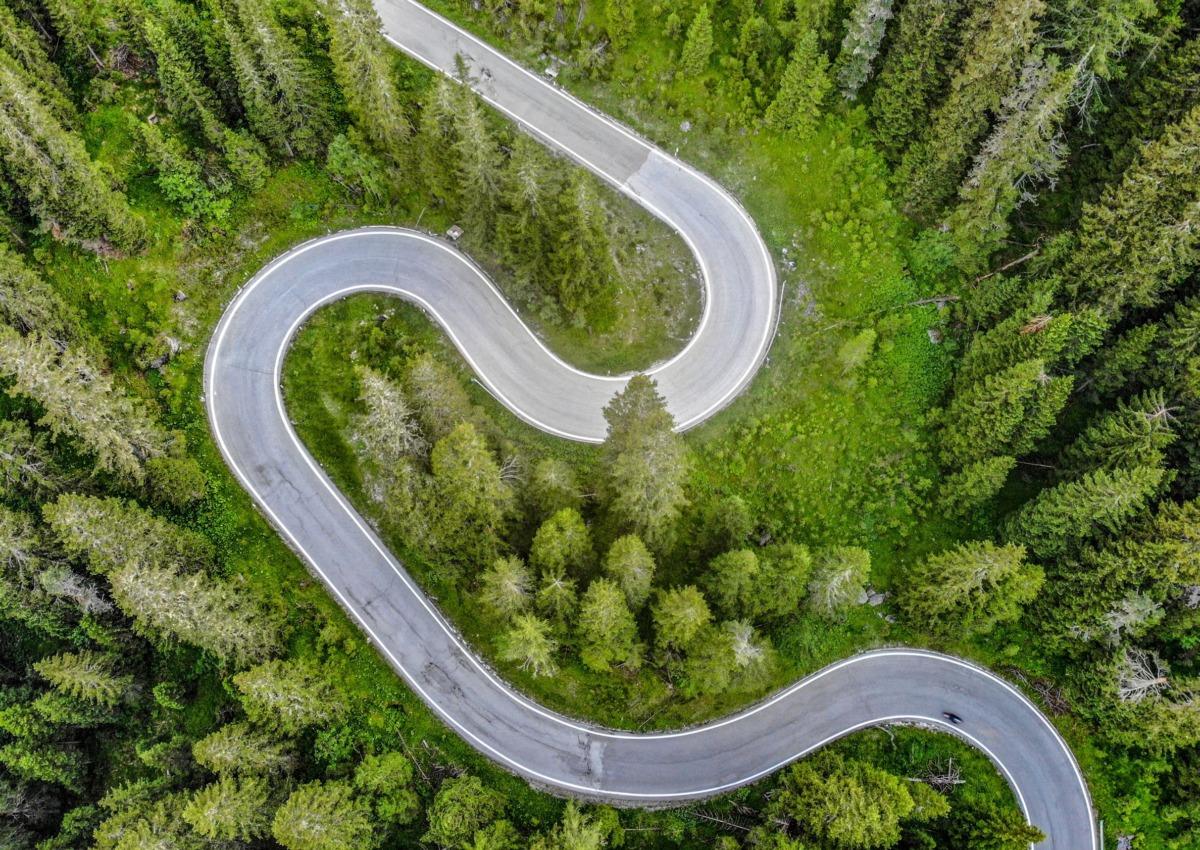
I’ve driven extensively in the Dolomites, and the steep mountain passes are not easy to navigate. Because of this, I suggest arriving with a reliable and reasonably powerful car. SUVs work particularly well, especially when parking on uneven terrain.
Mountain roads often include tight hairpin bends, slow-moving vehicles, cyclists, and occasional road closures. Overtaking requires patience and good visibility. Rain or storms can make driving more challenging.
Driving here is manageable, but it requires attention and confidence.
Infrastructure and travel practicalities
Overall, the infrastructure is good, but keep in mind that this is a mountain region. Services are available, yet distances feel longer than they look on the map.
As there are mainly small villages in the Dolomites, some services are more difficult to access than in a big city. E.g. there are enough hotels and restaurants to provide basic needs. However, I find the number of shops small. Outside Bolzano and Brunico, there are no major shops or shopping centers.
Fuel stations are not very frequent in the mountains, so pay attention to your fuel level if you are traveling by car.
For food, you can usually eat at mountain huts along hiking routes or near parking areas. In towns, you’ll find many South Tyrolean and Italian restaurants.
If you follow a special diet, I suggest bringing your own food on hikes. Mountain huts mostly serve traditional dishes, and I’ve experienced several times that they were closed or had stopped serving food at certain hours.


Road conditions and mountain passes
Road quality is generally good, and most major sights or trailheads are accessible via paved roads.
However, driving is slow. Expect frequent speed checks, narrow roads, sharp bends, occasional animals on the road, and in some areas, potential rockfall warnings.
In bad weather, driving becomes noticeably more difficult.
Parking in the Dolomites
Parking is well organized in most popular areas, but expect large crowds in high season.
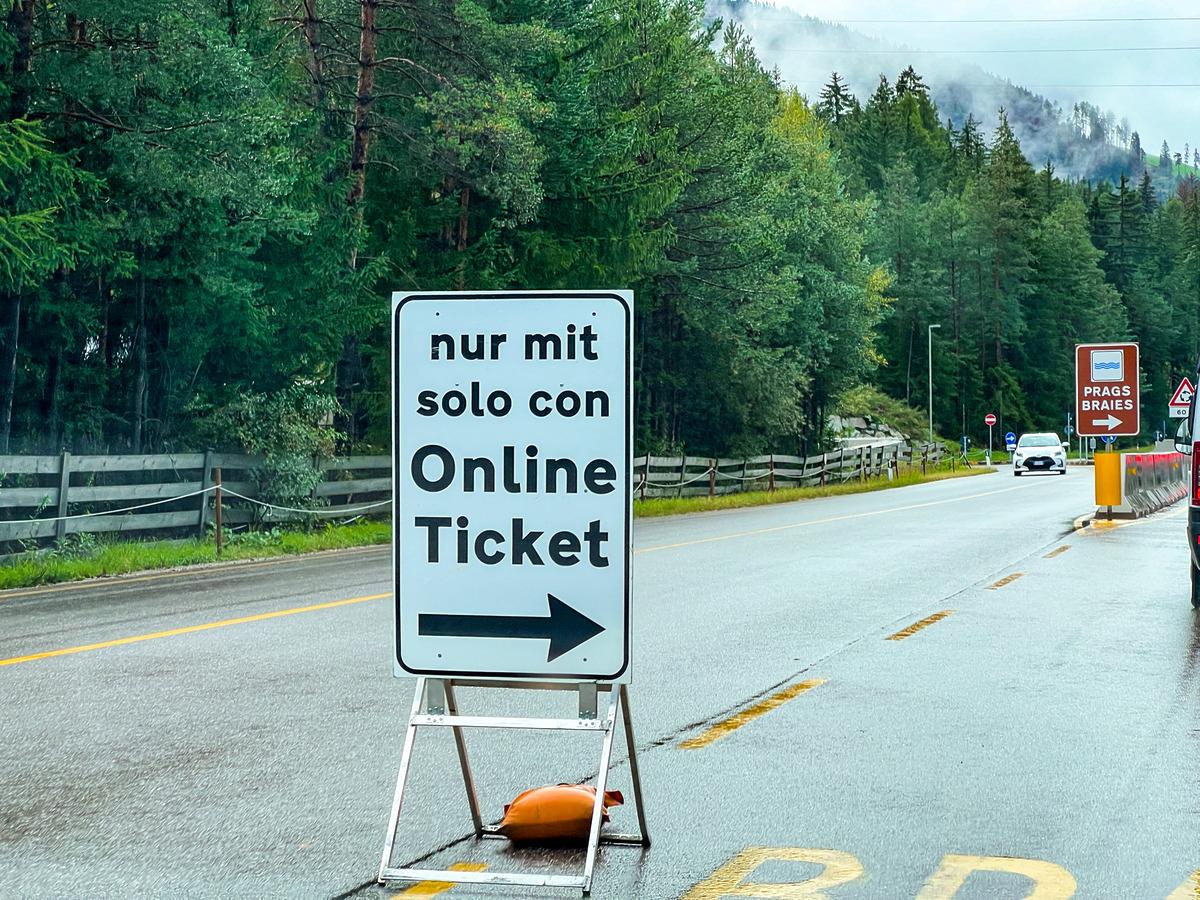
Payment is usually available via ticket machines on site, and in some locations through the EasyPark app. Parking and toll roads are not cheap, although free parking is still available in certain areas.

Public transport options
You can reach some popular areas and towns by bus, but connections must be checked individually. The network is not extensive across the entire Dolomites region.
My honest opinion is that you can reach many places in the Dolomites without a car, but it makes your trip too limited. That’s why I would arrive by car.

Guided tours as an alternative
If you prefer not to drive or rely on public transport, organized tours are available on platforms like GetYourGuide.
However, these are usually day trips.
For a longer stay and a flexible itinerary, self-driving remains the most practical solution.
Mountain lifts and cable cars
In winter, during ski season, lifts operate in many areas, and a daily or multi-day pass is usually necessary.
In summer, cable cars are less essential. On my list of top places in this guide, only a few require lift access. Most hikes can be started directly from parking areas.
Mobile signal and GPS coverage
Mobile coverage is excellent in towns and generally available in villages. However, signal often disappears while driving through mountain sections.
GPS signal has always worked for me, so I recommend downloading offline maps in advance. This ensures you won’t get lost if mobile coverage drops.
For hiking, I personally use Bergfex and the adidas Running app. I also like OpenStreetMap for hiking route planning.
Best time to visit the Dolomites
You can visit the Dolomites all year round, but two seasons are clearly the most popular: the winter ski season and the summer hiking season.
The periods between them are less ideal, and I usually don’t recommend visiting during those months.
Here’s what you should know in more detail:
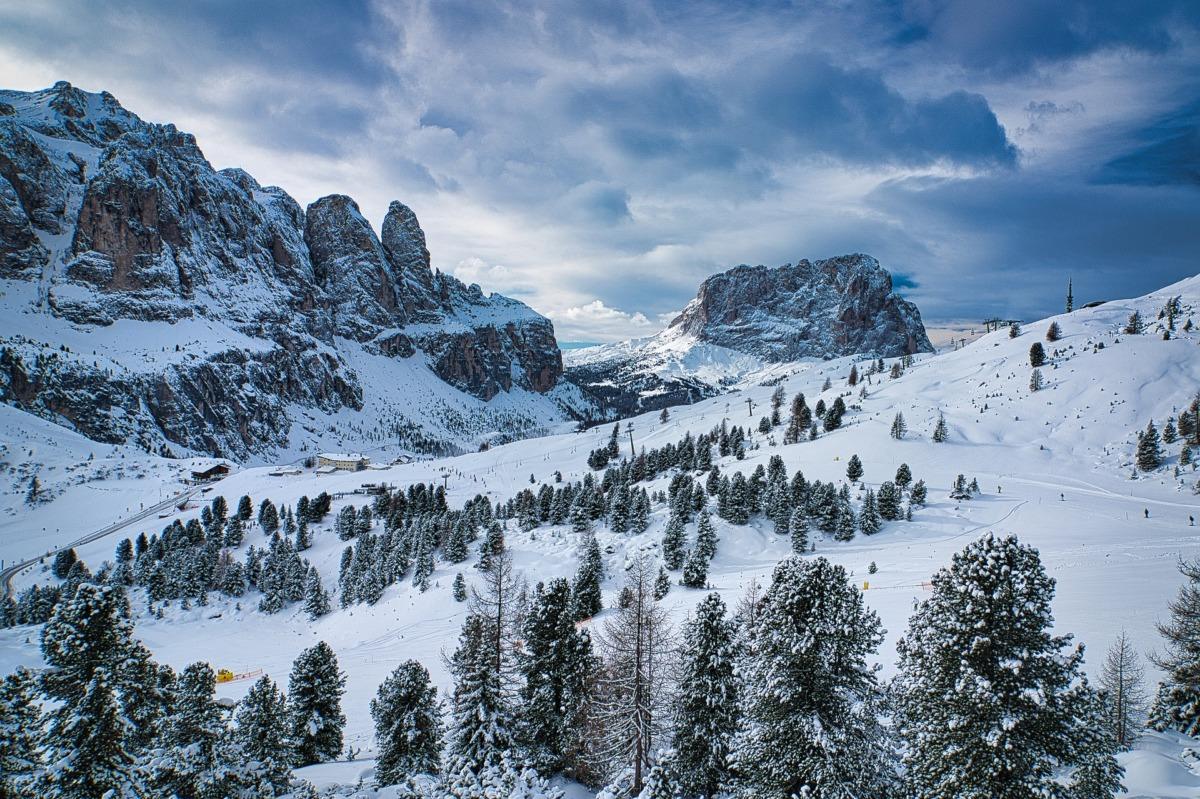
Winter (December–March): Skiing and snow landscapes
Winter transforms the Dolomites into a major ski destination. Resorts like Cortina d’Ampezzo, Val Gardena, and Alta Badia are part of the Dolomiti Superski area, offering a large interconnected ski network.
If skiing is your main goal, January and February are the best months for snow conditions. December can be festive but crowded, especially around Christmas.
Outside skiing, winter is less practical for sightseeing, as many roads and hiking trails are closed.
Summer (June–September): Hiking and scenic drives
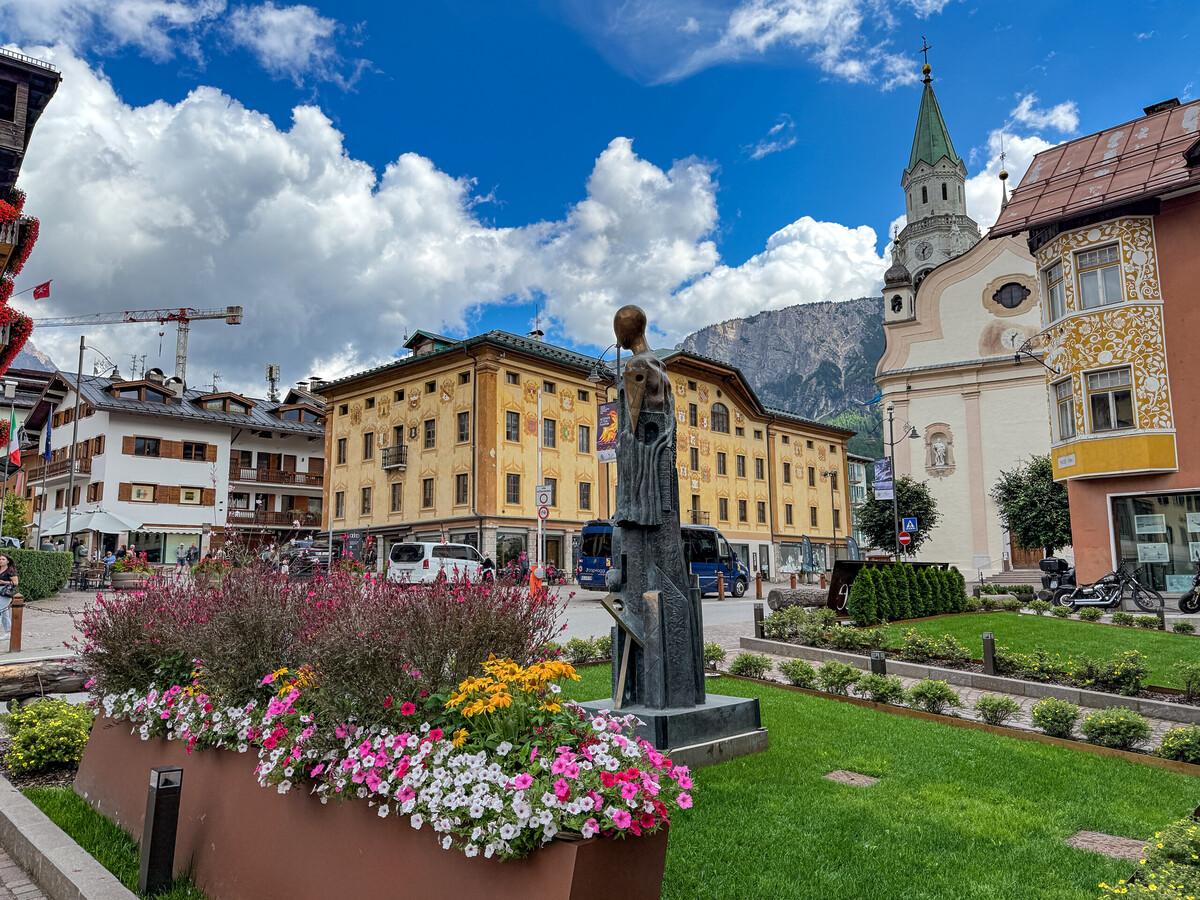
Summer is the most popular season in the Dolomites, especially for hiking. From late May, most trails, lifts, and mountain huts are open.
In my experience, July, August, and September are the best months for hiking. Trails are accessible, lakes show their best colors, and mountain passes are fully open. Daytime temperatures are usually comfortable.
The downside is crowds and higher prices, particularly in July and August.
If you can, I think early September is the absolute best time to visit.
Spring and autumn: Is it worth visiting?
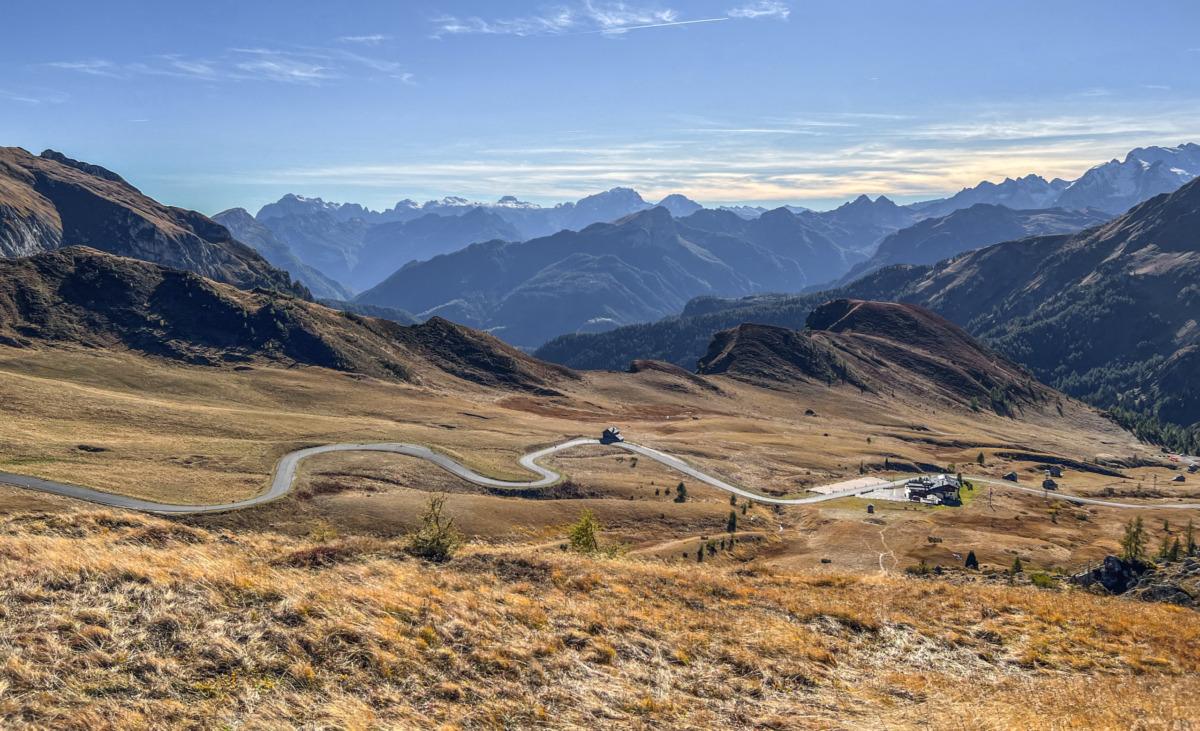
Spring (April–May) and late autumn (late October–November) are transitional periods. Many hotels and lifts close, and weather conditions are unpredictable.
Early October can still be enjoyable for hiking, especially with fewer crowds.
However, if you prefer stable access to all highlights, I recommend planning for summer rather than the shoulder seasons.
Where to stay in the Dolomites
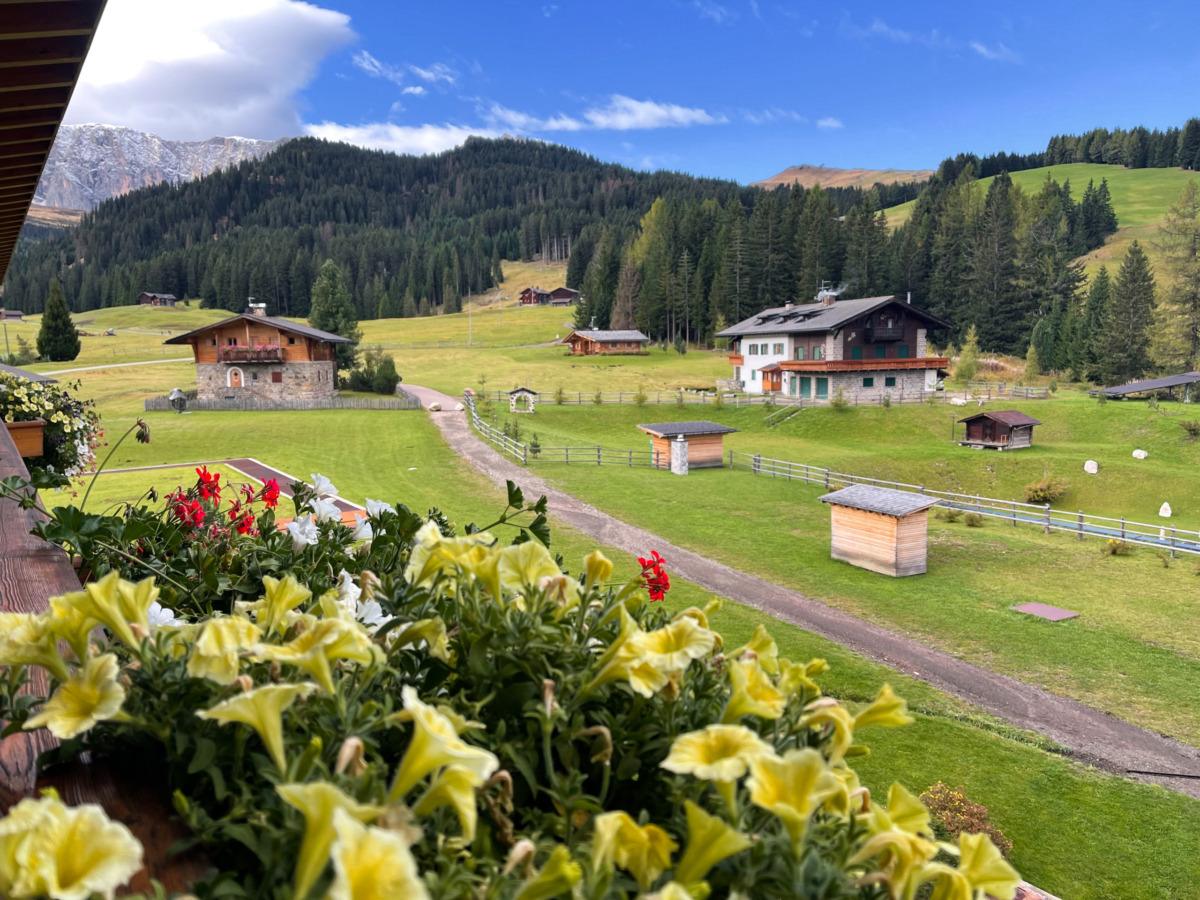
It’s important to choose your accommodation based on your itinerary. Driving distances in the Dolomites may look short on the map, but mountain roads are slow. Staying close to the places you plan to visit will save you a lot of time.
If your highlights are far apart, I recommend splitting your stay between two or three locations.
In my experience, the most practical bases are Brunico/Bruneck, Dobbiaco/Toblach, Cortina d’Ampezzo, and Ortisei or Alpe di Siusi.
I usually book through Booking.com, as it offers the widest selection in the region.
Over the years, I’ve stayed in several areas and can personally recommend the following hotels:
- Brunico/Bruneck: Hotel Rudolf or Hotel Gasthof Jochele
- Dobbiaco/Toblach: Hotel Rosengarten or Hotel Laurin
- Ortisei: Boutique Hotel Planlim or Rainell Dolomites Retreat
- Alpe di Siusi/Seiser Alm: Sporthotel Floralpina
- Trodena/ Truden: Aparthotel Sonnhof
Wild camping rules in the Dolomites
Wild camping is strictly illegal throughout Italy, including the Dolomites. In many areas, police or the Carabinieri (the Italian gendarmerie) carry out regular checks. In parking areas, locals may also report overnight stays.
I’ve personally seen many travelers attempt wild camping due to high hotel prices. However, I cannot say that it is legal, appropriate, safe, or widely accepted.
For these reasons, I strongly recommend staying in a hotel, guesthouse, campsite, or official camper area instead.
What to pack for the Dolomites
What you need depends on your plans:
- If you’re only visiting lakes and viewpoints, comfortable closed shoes are enough. For proper hikes, I strongly recommend good hiking boots.
- I always dress in layers. Even in summer, temperatures can change quickly in the mountains. A hiking jacket and long sleeves are useful, especially at higher elevations.
- The sun can be surprisingly strong, even when it feels cool. Once I’ve experienced sunburn in 15°C weather, so sunscreen is essential.
- Rain is common in the Dolomites. If you hike far from your car, bring a waterproof jacket and wear water-resistant shoes. I’ve been caught in unexpected storms more than once.
- For longer hikes, I carry a backpack with water, snacks, an extra layer, and basic medication.
- Trekking poles are helpful on steeper trails.
- If you plan technical climbs or via ferrata routes, you’ll need proper specialized equipment.

How expensive are the Dolomites?
Honestly, the Dolomites are currently one of the more expensive destinations in Europe.
Hotel prices are very high, which makes choosing the right accommodation especially important.
Restaurants are also more expensive than the Italian average, although not as extreme as hotel rates.
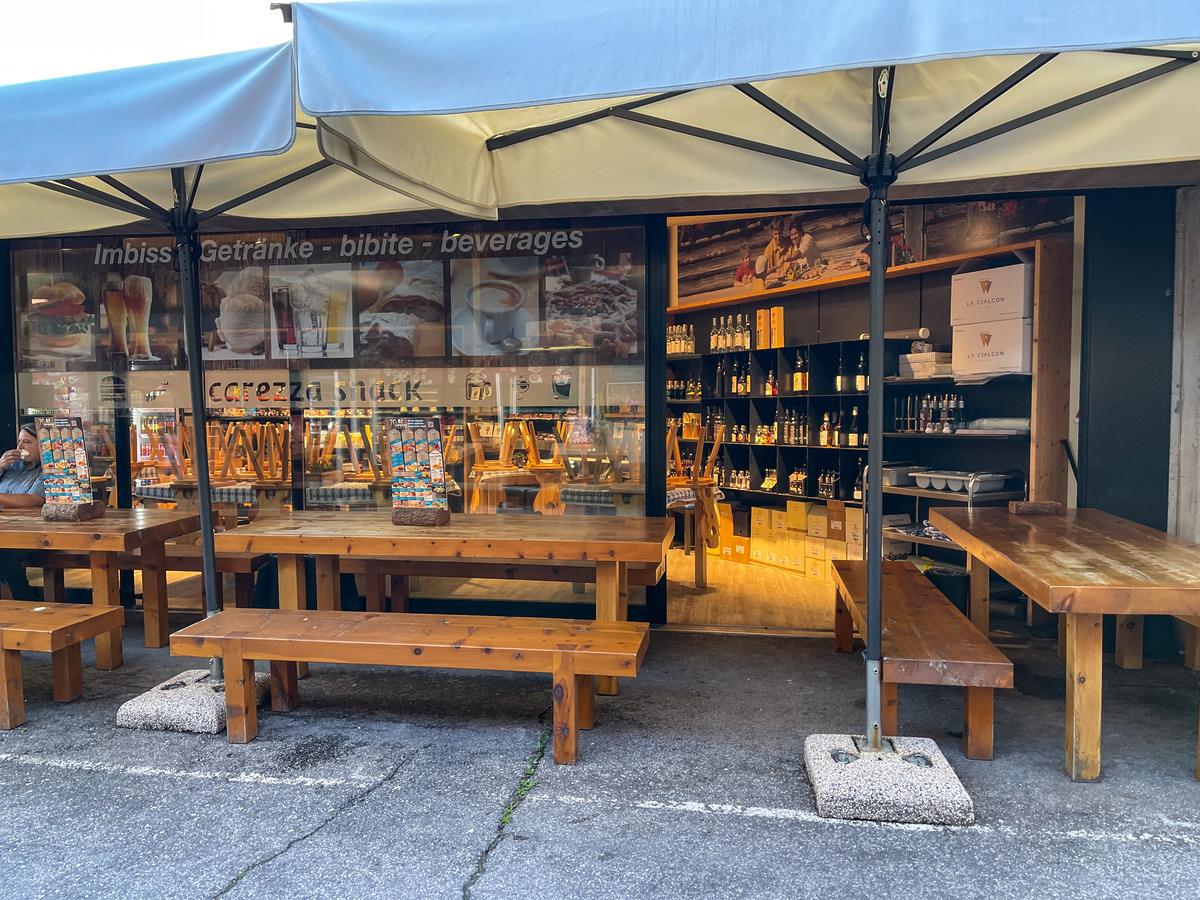
Toll roads and paid parking can add to your costs. Not every place charges for parking, but where payment is required, prices are usually high.
During the summer hiking season, you should expect to spend at least €250–500 per day for two people, unless you make significant compromises on accommodation. If you choose spa hotels or 4–5 star properties, daily costs can easily exceed €500 for two people.
For a 7-day trip, this can mean a total budget of €2,000–4,000 or more, plus transportation to reach the region.
Language and culture in the Dolomites
Why German is widely spoken
The Dolomites are partly located in South Tyrol, a region that belonged to Austria-Hungary until the end of World War I. Because of this history, German is still widely spoken, especially in Trentino-Alto Adige (South Tyrol).
Most towns have both Italian and German names (for example, Dobbiaco/Toblach or Brunico/Bruneck).
In the southern parts of the Dolomites, Italian is dominant.
Can you travel with English only?
Yes, in most hotels, restaurants, and tourist areas you can communicate in English.
From my experience, basic communication is always possible, but do not expect fluent English everywhere.
Wildlife and nature in the Dolomites
The Dolomites are one of the most untouched mountain regions in Europe, so wildlife is part of the experience.
Common animals you might see
You may see deer, roe deer, marmots, and many bird species. If you are lucky, you might also spot a chamois (Alpine mountain goat) or mouflon in higher areas.
Are bears and snakes dangerous?
Bears do live in the wider Alpine region, but encounters in the Dolomites are very rare. If you stay on marked trails and avoid night hiking, the risk is extremely low.
There are also vipers in some areas. They are not aggressive, but you should watch where you step, especially in rocky or grassy terrain. Staying on marked hiking trails greatly reduces any risk.
In general, I think the Dolomites are very safe for hikers who follow basic mountain safety rules.
Other practical tips for visiting the Dolomites
- Driving is slower than you expect. In reality, average speed in the mountains is often only 30–40 km/h. Always calculate with longer travel times.
- Sunset comes quickly in the mountains. Plan your hikes so you return well before dark. Light disappears faster here than on flat terrain.
- Always choose the safe option. Plan your route carefully, check weather conditions, and do not underestimate distances. Mountain rescue by helicopter is extremely expensive.
- On hiking trails, people greet each other. It’s normal to say hello when passing other hikers.
- Choose your base wisely. Staying close to your planned sights saves driving time. Staying in larger towns gives you better infrastructure and more restaurant options.
- If you visit in winter, carry snow chains and know how to use them. You may need them on mountain passes.
Now that I’ve covered the key practical information, let’s look at the best places to visit in the Dolomites:
Best places to visit in the Dolomites
Here are the places I personally recommend after visiting the Dolomites many times. These are the true highlights: a mix of lakes, peaks, mountain passes, and scenic viewpoints.
1. Lago di Braies
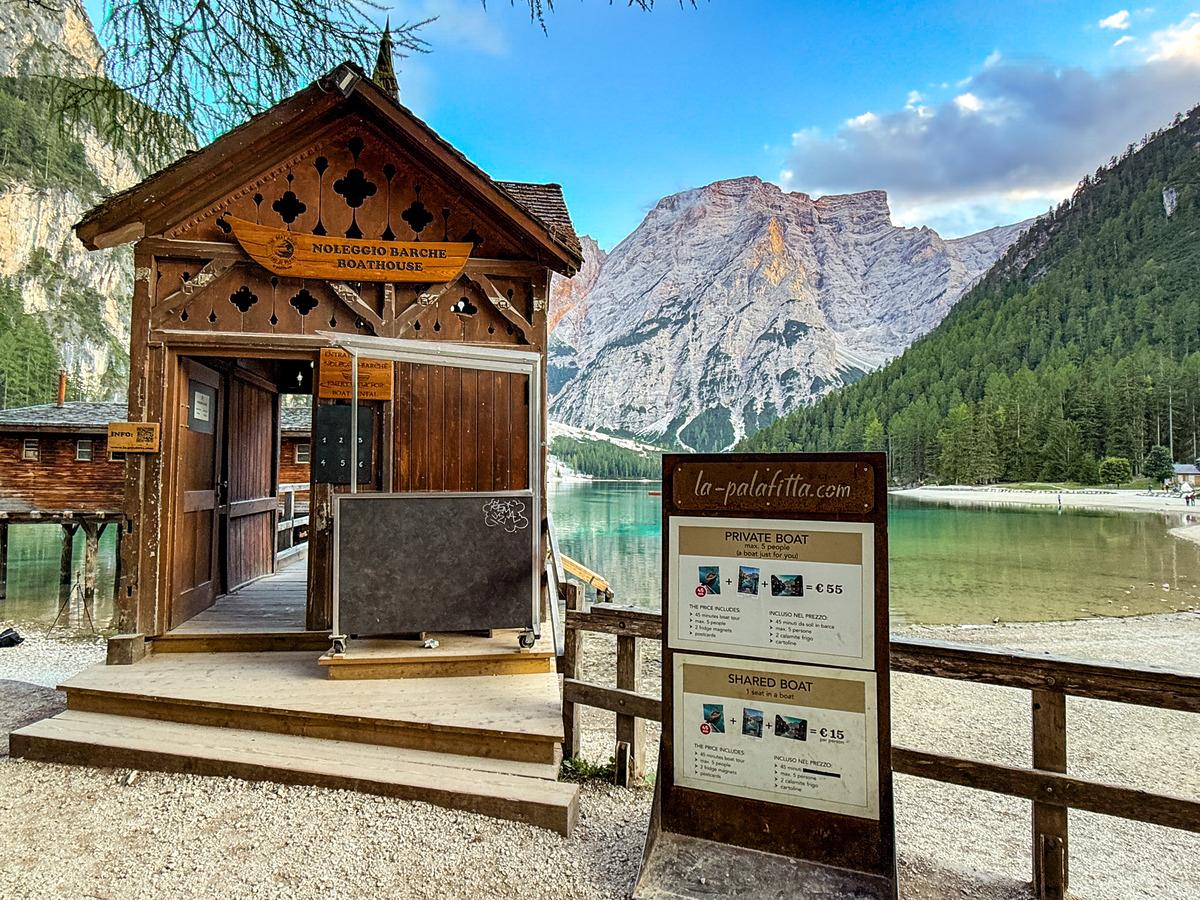
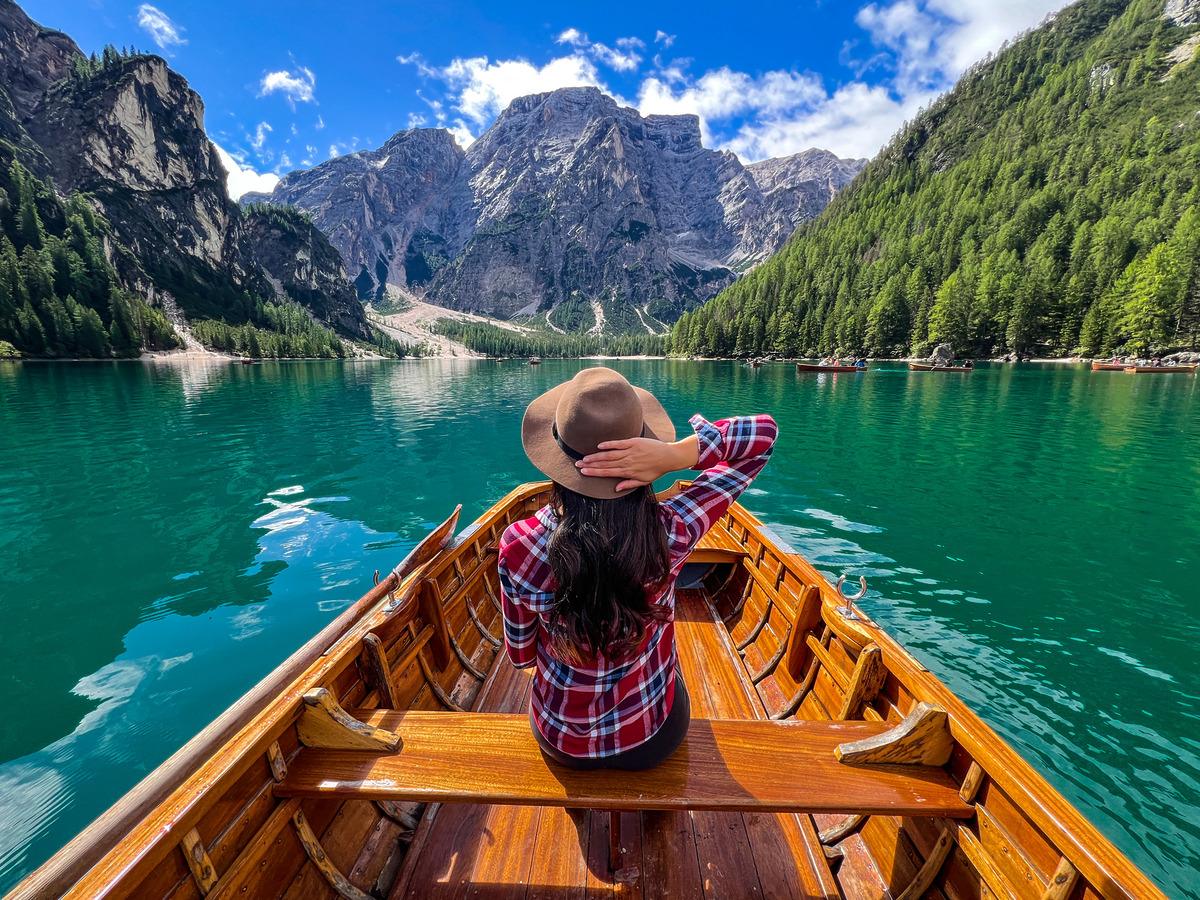
Lake Braies or Lago di Braies is the most famous lake in the Dolomites, and definitely worth visiting. I’ve returned here many times since 2020, and it is truly my favorite. The turquoise water, wooden boats, and dramatic peaks create one of the most iconic views in the Alps. Arrive early in summer, as parking fills quickly. The 3 km loop around the lake is easy and suitable for almost everyone.
2. Lago di Dobbiaco
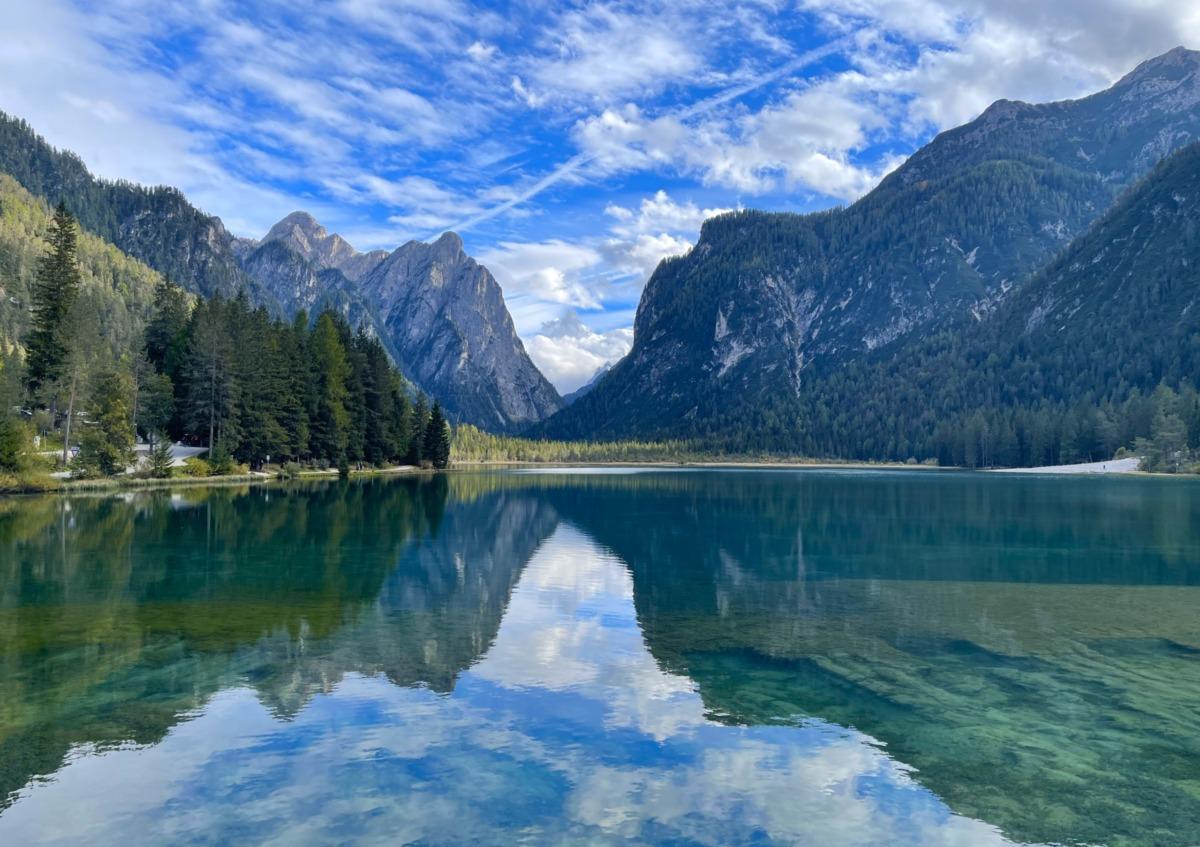
A quieter and more relaxed lake near the road between Dobbiaco and Cortina. It’s flat, easy to walk around, and perfect if you want beautiful scenery without hiking. I often stop here on the way to other highlights. The reflections are especially nice in the morning.
3. Lago di Landro
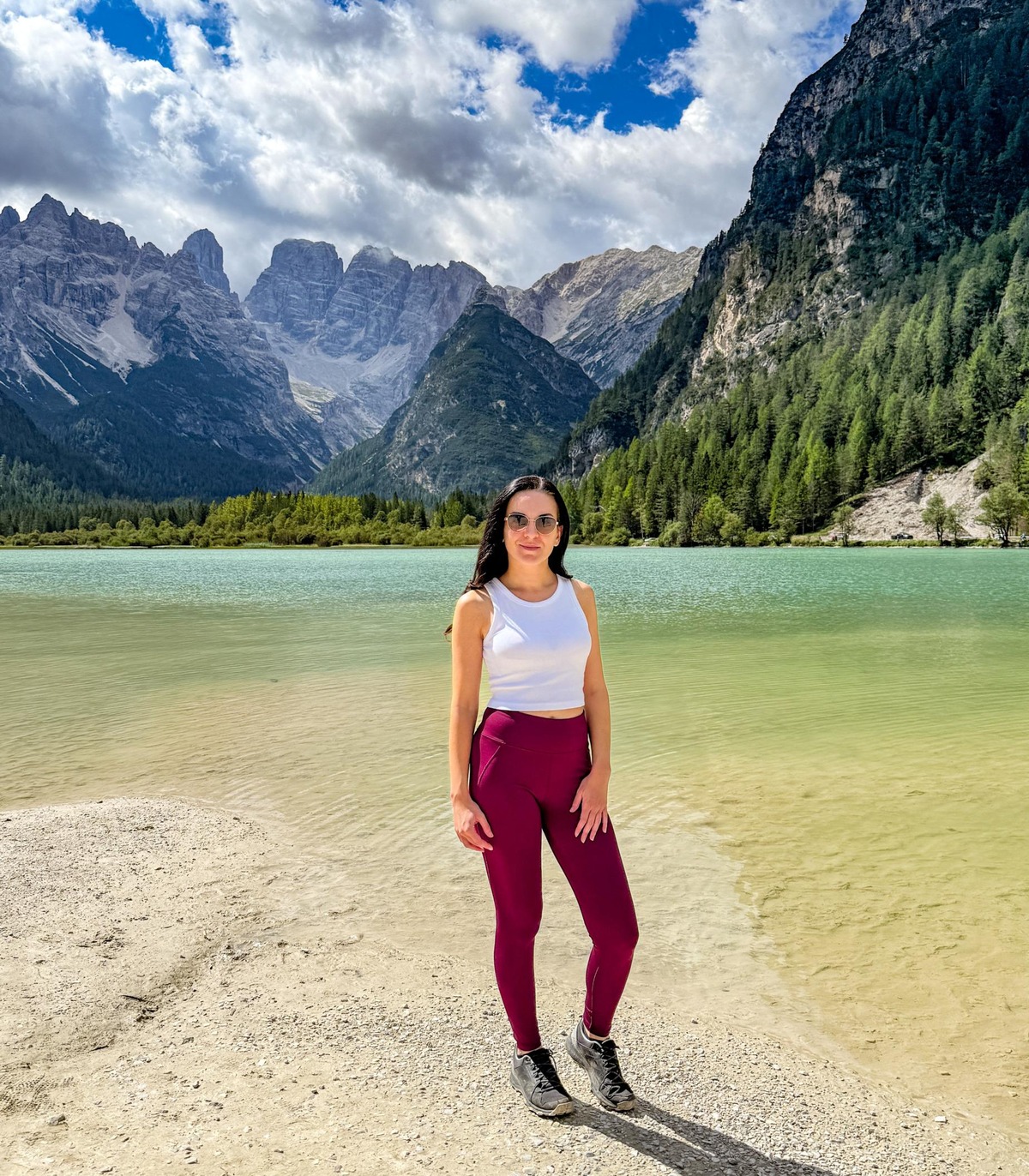
Located along the SS51 road, Lago di Landro is an easy stop with a stunning mountain backdrop. Monte Cristallo rises dramatically behind the green water. It’s not a long visit, but it’s one of those places where you’ll definitely want to stop the car and take photos.
4. Tre Cime di Lavaredo
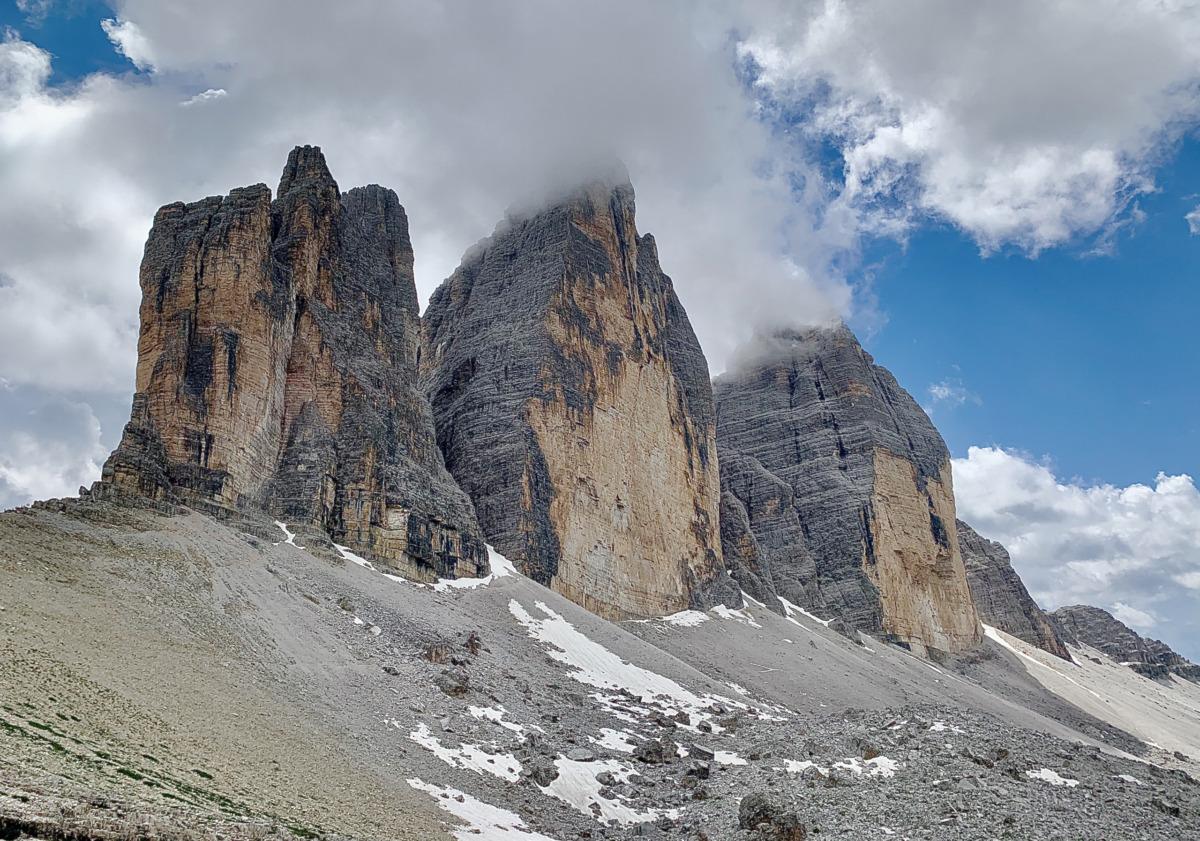
The symbol of the Dolomites. The classic 10 km circular hike around the three peaks is one of the best experiences in the region. There is a toll road to reach the parking area, and in high season the road can temporarily close due to overcrowding. Go early and plan enough time, this is not a place to rush.
5. Cadini di Misurina
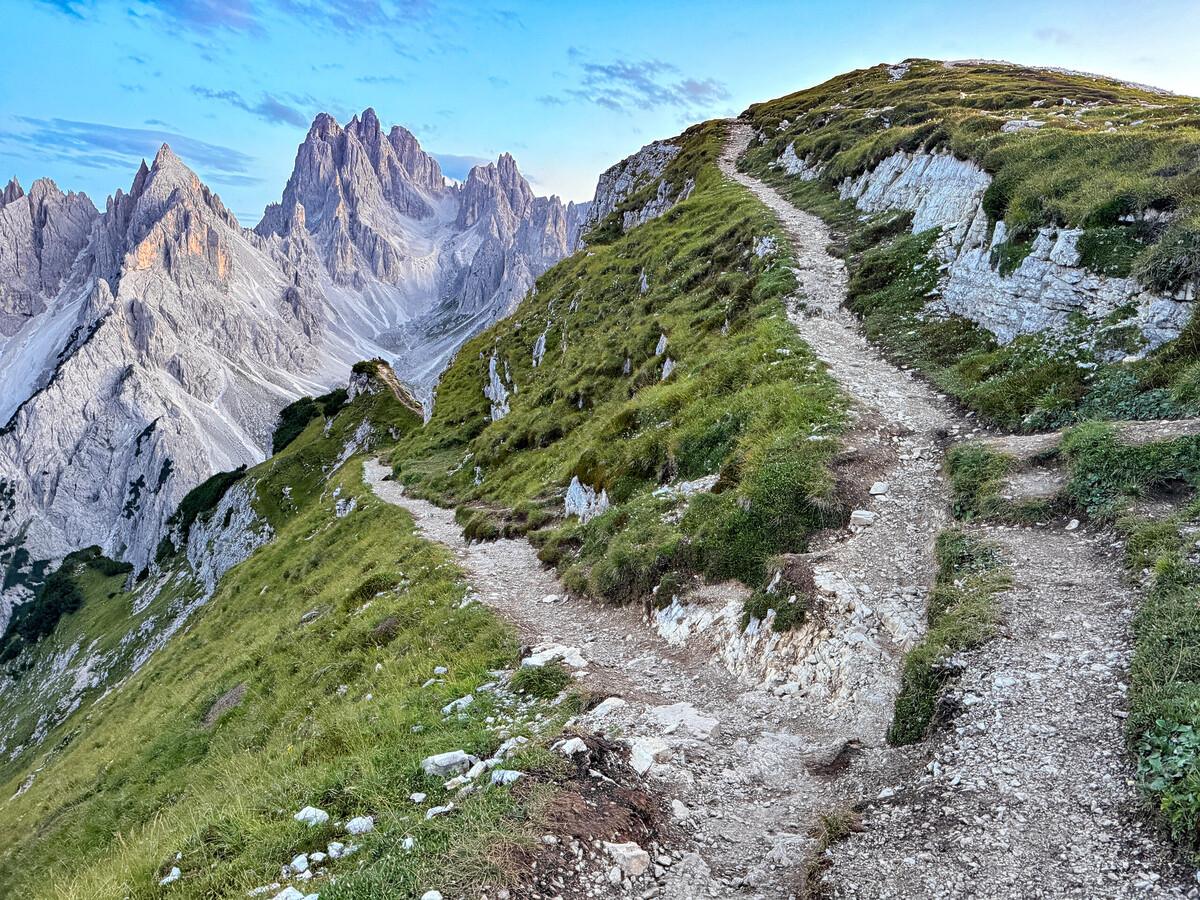
The Cadini di Misurina viewpoint is one of the most photogenic viewpoints in the Dolomites. Starting from Rifugio Auronzo, the hike is short (around 3.5 km round trip), but the final ridge section requires attention. Compared to Tre Cime, it’s shorter and less demanding, yet the dramatic peaks feel very close. It’s very popular on social media. For the best light, arrive around sunset.

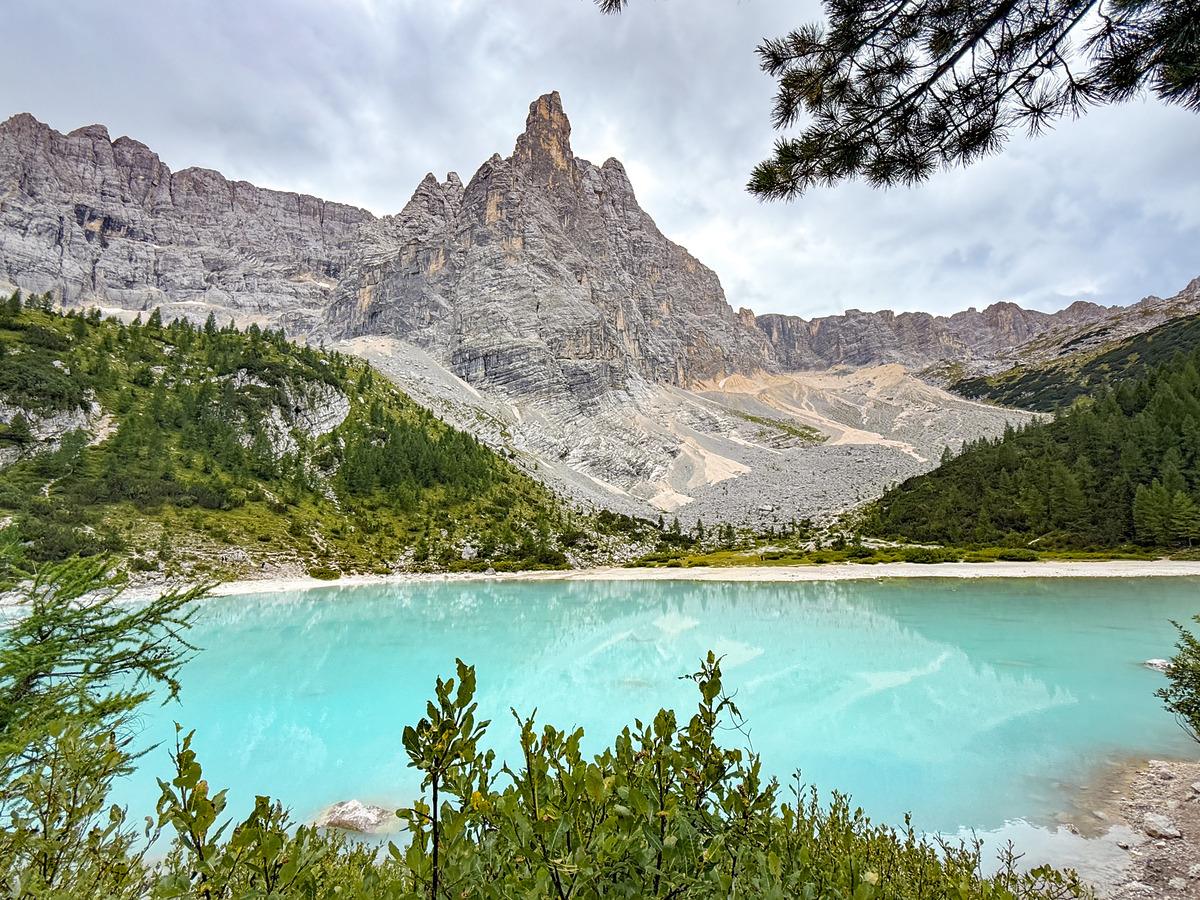
6. Lago di Sorapis
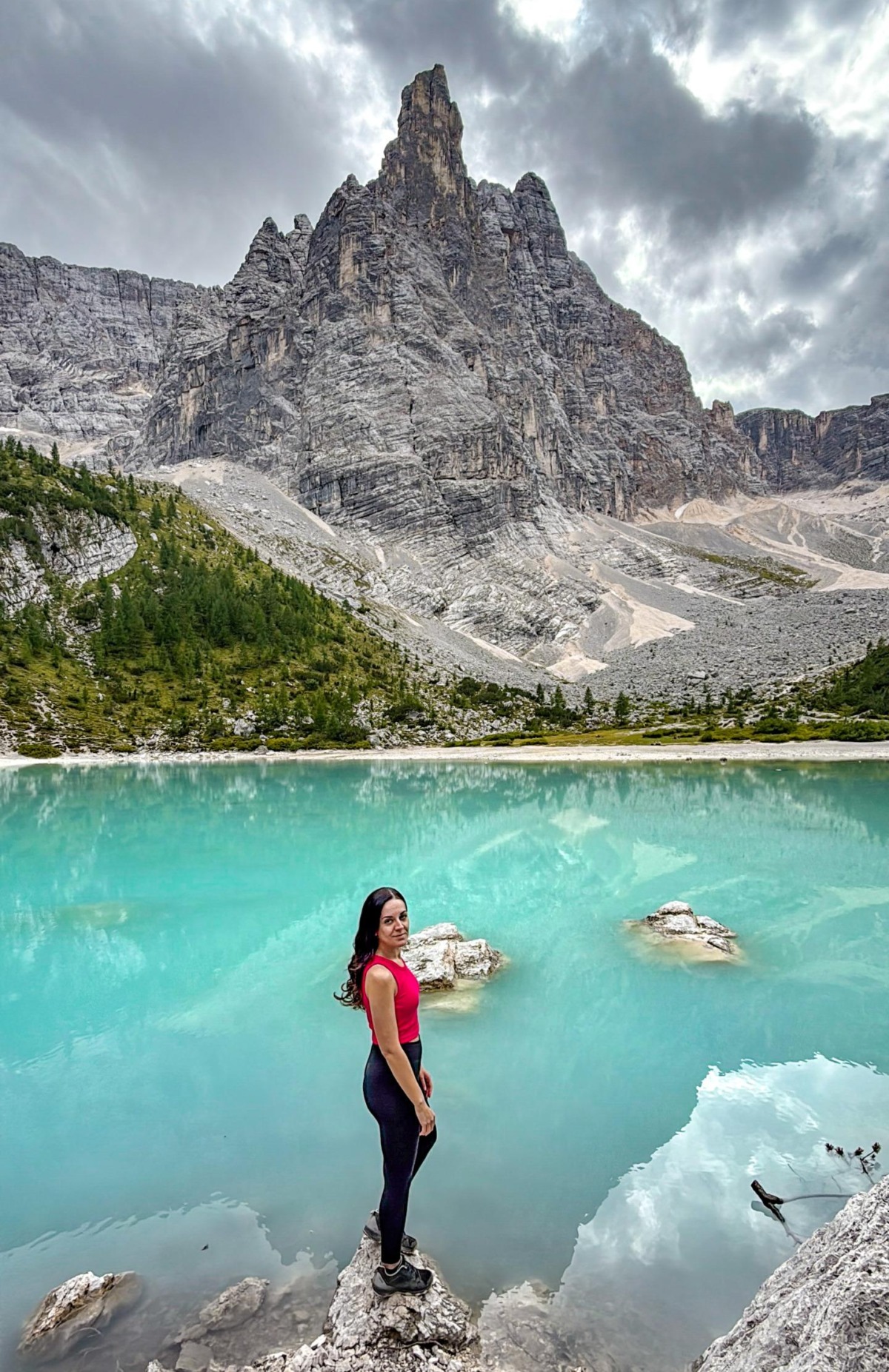
Lake Sorapis or Lago di Sorapis is one of the most unique lakes in the region. The 16 km round-trip hike is demanding, so I only recommend it for experienced hikers. But the milky-blue water surrounded by sharp rock formations is unforgettable. It’s one of the most impressive natural sights in the Dolomites.
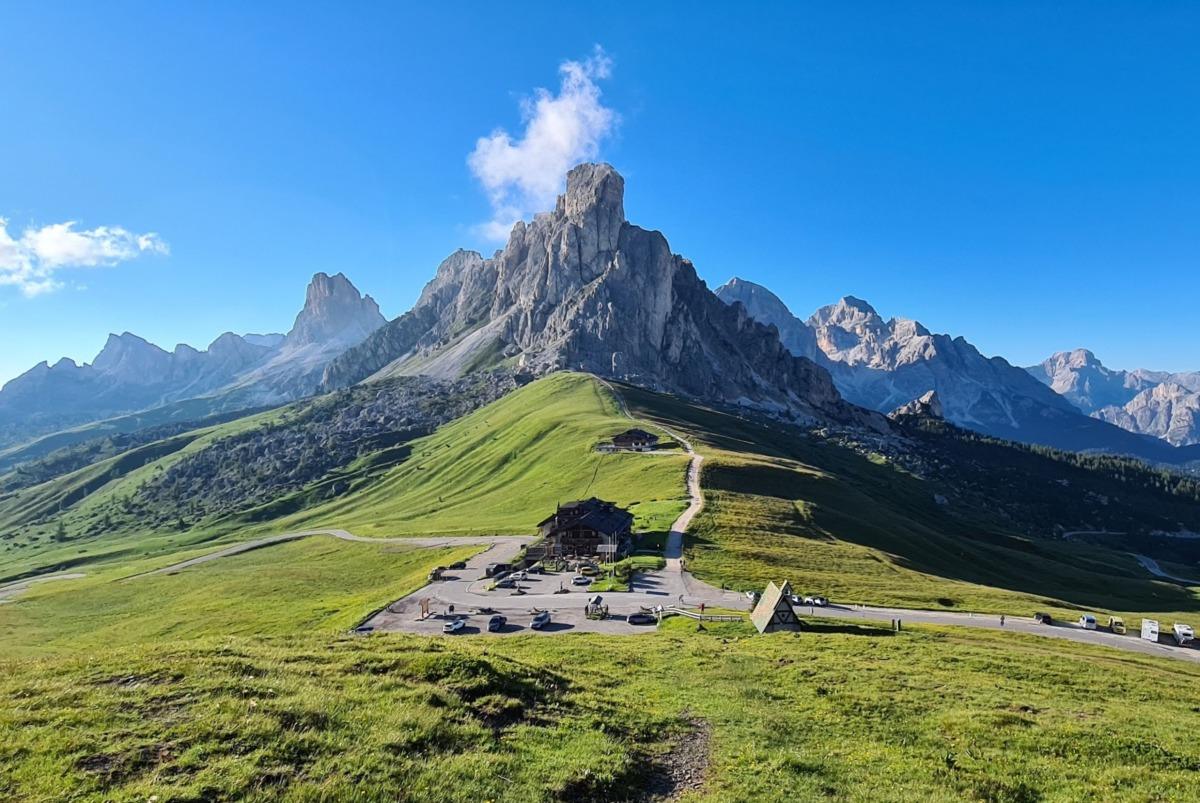
7. Passo Giau
One of the most scenic mountain passes in the Dolomites. The rock formation Ra Gusela makes it instantly recognizable. It’s popular with cyclists and motorcyclists, but also a fantastic photography and sunset location. The panoramic views here are among my personal favorites.
8. Lago Limides
A small alpine lake near Falzarego Pass. The short hike makes it accessible even if you don’t want a long trek. On calm days, the reflections of the surrounding peaks are beautiful. A great option if you want something less crowded but still impressive.

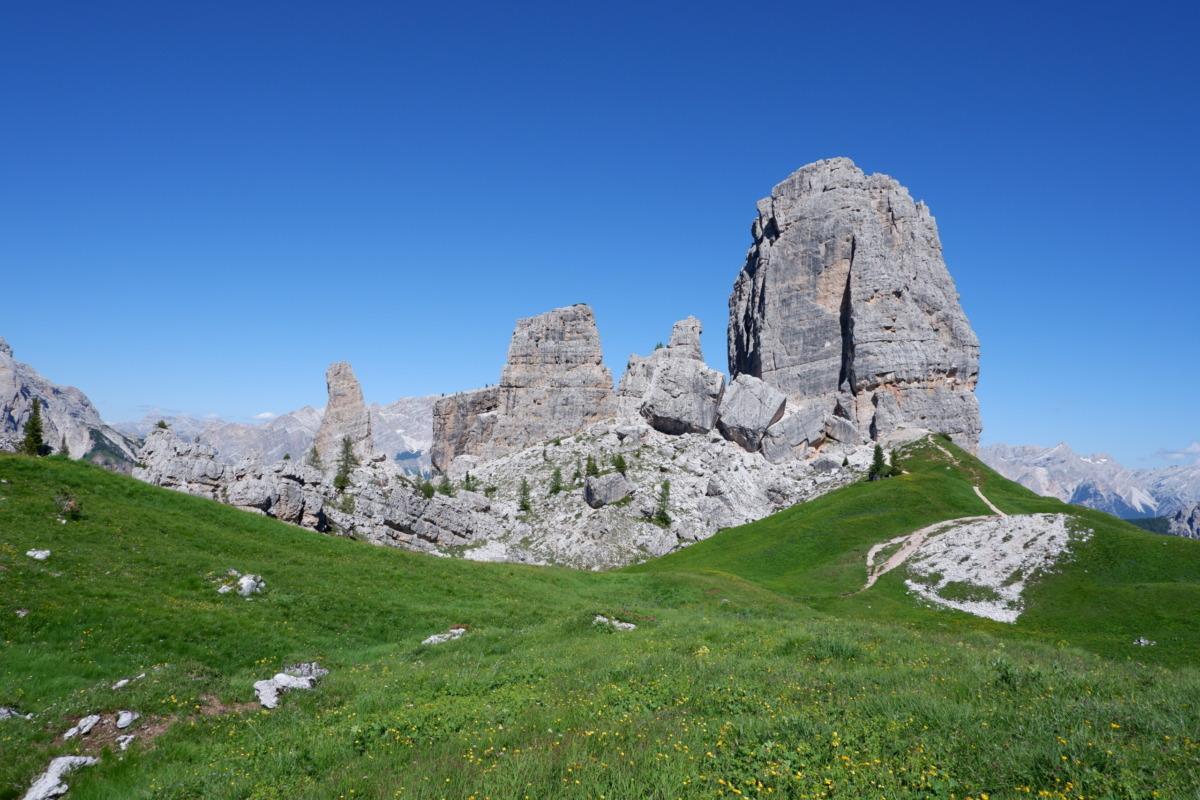
9. Cinque Torri
Five dramatic rock towers between Cortina and Passo Falzarego. You can hike up or use the cable car. The area also includes First World War open-air museum remains, which add historical depth to the visit. It’s a good mix of scenery, light hiking, and history.
10. Passo Gardena
A beautiful mountain pass connecting Val Gardena and Alta Badia. It’s one of the most scenic drives in the region. Even if you don’t hike, the views from the roadside stops are worth it. Perfect as part of a Dolomites road trip day.

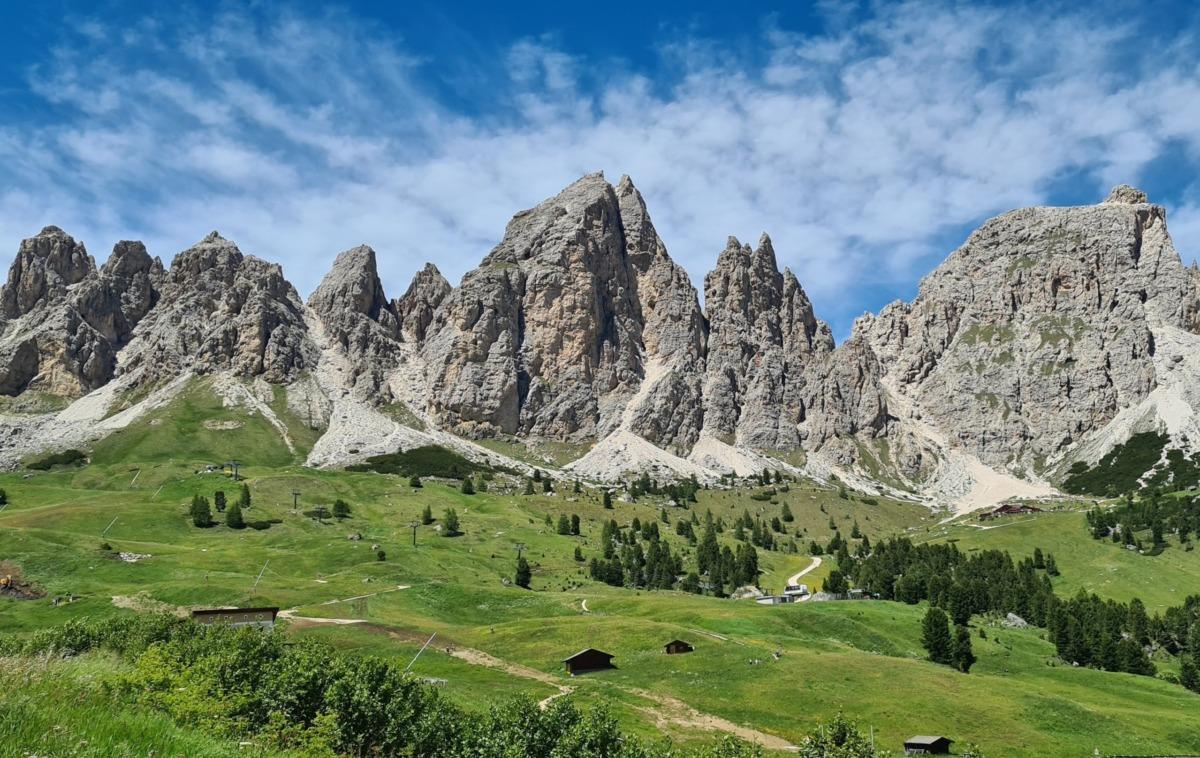
11. Seceda
Famous for its sharp, dramatic ridge lines. You can reach Seceda by cable car from Ortisei, which makes it accessible even for non-hikers. For those who prefer hiking, longer routes are available from Val Gardena. Extremely popular in summer, arrive early to avoid crowds.

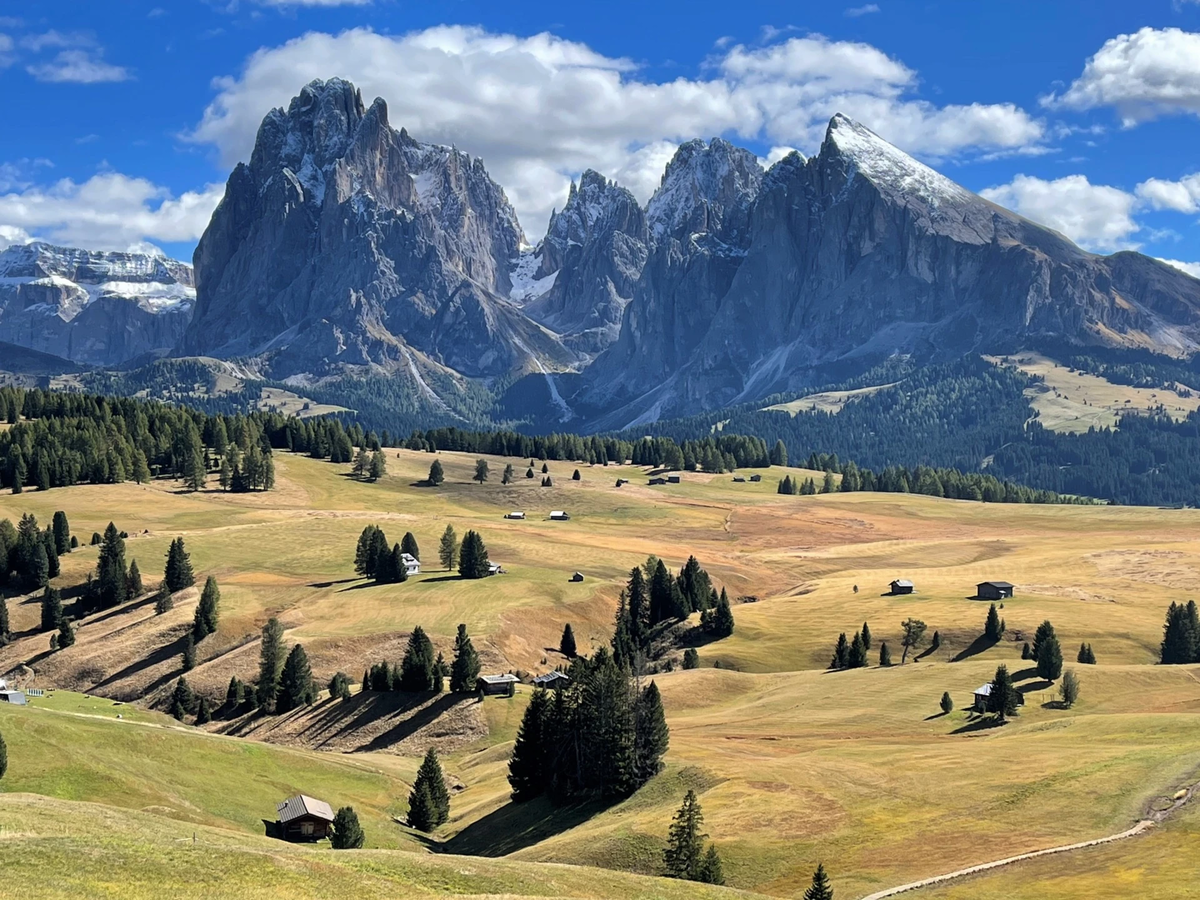
12. Alpe di Siusi
Europe’s largest high alpine meadow. Wide open landscapes, rolling green hills, and views of Sassolungo and Sassopiatto make this area unique. Car access is restricted, so staying nearby or using the cable car from Ortisei is the easiest option. Ideal for relaxed walks and scenic photography.
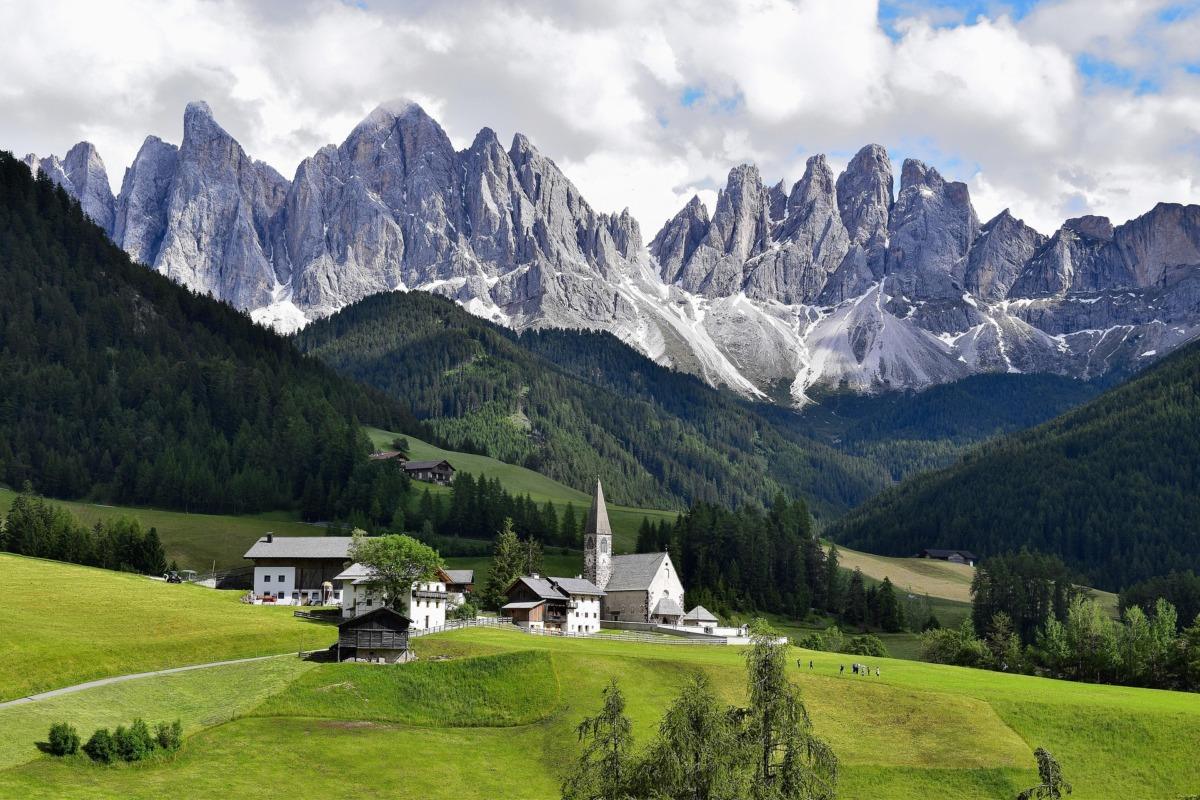
13. Val di Funes
One of the most photographed valleys in the Dolomites. The small church of Santa Maddalena with the Odle peaks behind it creates a classic postcard scene. It’s less about hiking and more about scenery and atmosphere. Best light is early morning or late afternoon.
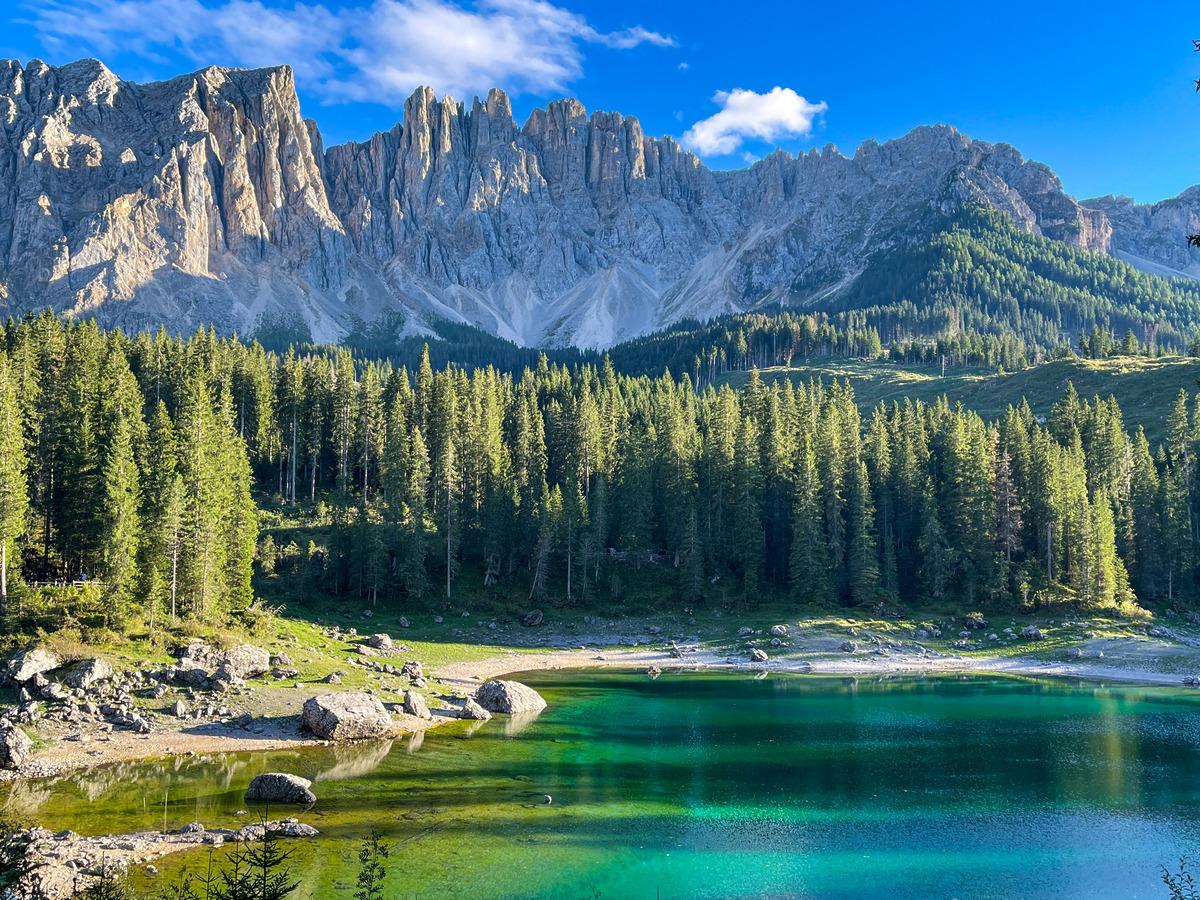
14. Lago di Carezza
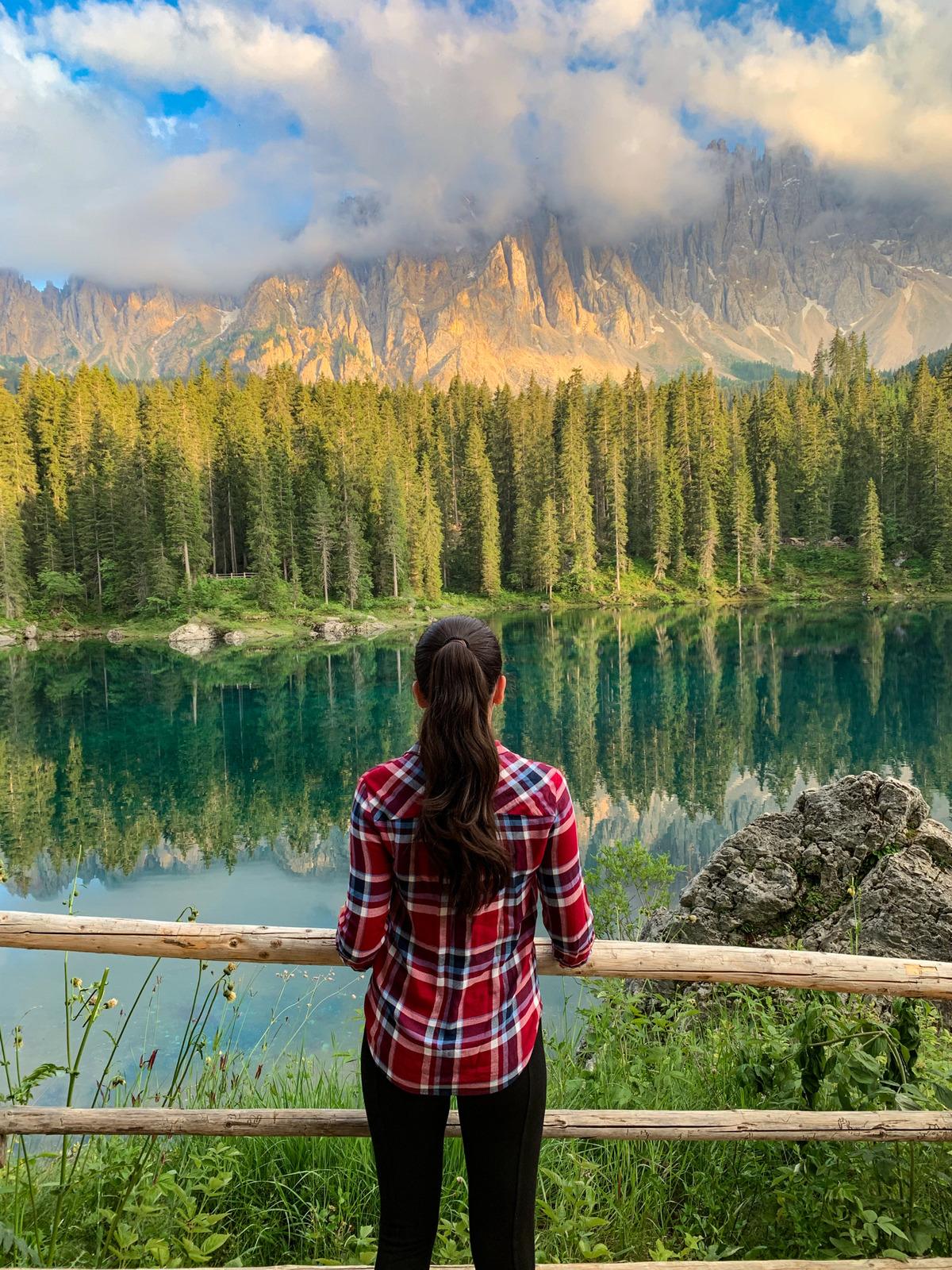
Lake Carezza or Lago di Carezza is a colorful alpine lake known for its changing water tones. The Latemar mountains reflect beautifully on calm days. It’s smaller than Lago di Braies but still impressive. The circular path is short and easy, making it suitable for almost all visitors.
15. Marmolada and Lago di Fedaia
Marmolada is the highest peak in the Dolomites. After the 2022 avalanche, high glacier routes require caution and up-to-date information. Below it, Lago di Fedaia offers dramatic scenery without extreme effort. The bright blue reservoir lake and glacier backdrop create one of the most powerful landscapes in the region.
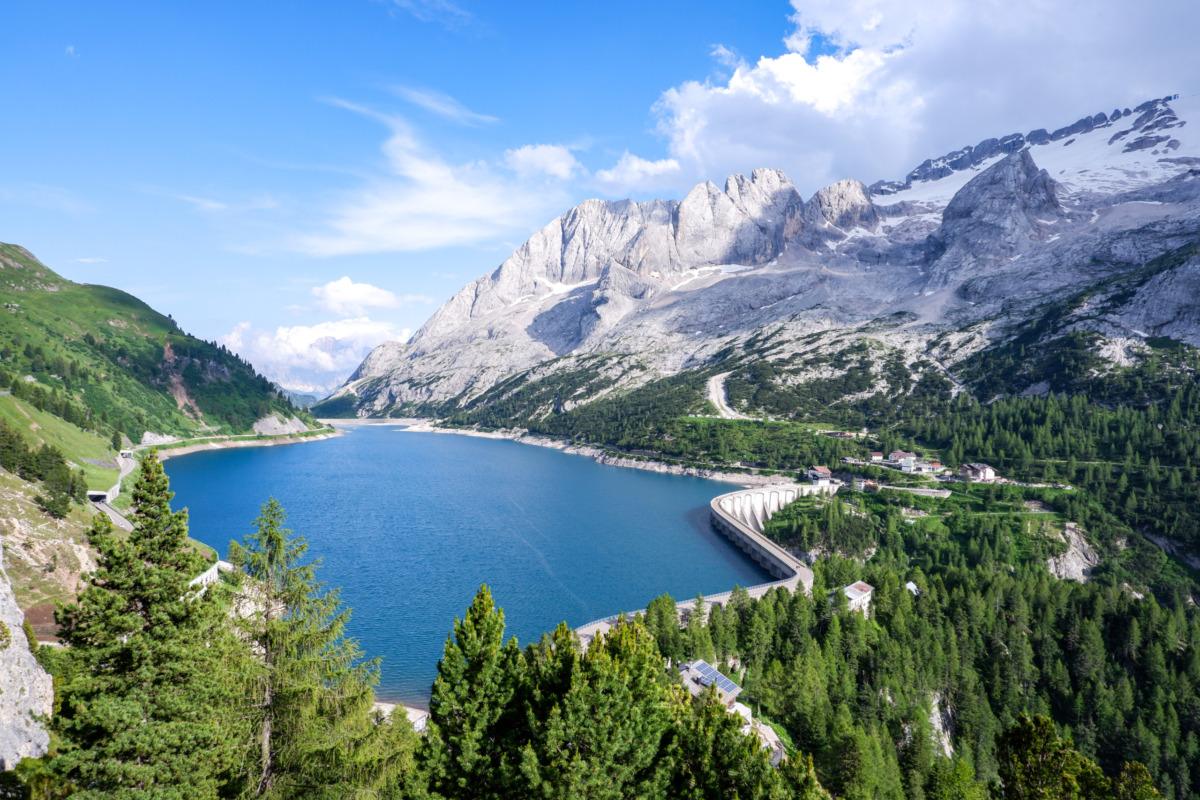
These were the 15 best places to visit in the Dolomites. Of course, there are many more beautiful spots, which I cover in my other detailed Dolomites guides.
Ideal 7-day Dolomites itinerary
Now let’s look at a short 7-day Dolomites itinerary. This is how I would spend 7 days here as a first-time visitor.
Day 1: Lago di Braies, Lago di Dobbiaco, Lago di Landro
Start with the famous lakes in the eastern Dolomites. Arrive early at Lago di Braies, walk around the lake, then continue toward Lago di Dobbiaco and Lago di Landro. These stops are close to each other and easy to combine in one relaxed day.
Day 2: Tre Cime di Lavaredo & Cadini di Misurina
Dedicate this day to the most iconic mountain scenery. Hike around Tre Cime first, then, if you still have energy, walk to the Cadini di Misurina viewpoint. Both start from the same area, which makes planning simple.
This is one of the most impressive days of the trip.
Day 3: Cortina d’Ampezzo, Cinque Torri & Lago Limides
Spend the morning exploring Cortina d’Ampezzo and enjoy an Italian lunch in town. Then head to Cinque Torri for a short cable car visit. If time allows, add Lago Limides for an easy alpine lake stop.
This day offers a good mix of scenery and lighter hiking.
Day 4: Lago di Sorapis
Reserve this day for a longer hike. Lago di Sorapis requires time and energy, so start early and plan 6–8 hours for the round trip. If the weather is unstable, consider swapping this day with a shorter option.
This is one of the most rewarding hikes in the Dolomites.
Day 5: Passo Giau, Passo Gardena
A scenic driving day. Enjoy the panoramic roads and stop for photos along the way. You can add short walks near the passes or simply focus on viewpoints.
This day gives your legs a bit of rest while still offering dramatic landscapes.
Day 6: Seceda, Val di Funes
Take the cable car up to Seceda in the morning to avoid crowds. Spend time walking along the ridge and enjoying the views. In the afternoon, drive to Val di Funes for the classic Santa Maddalena viewpoint.
This is one of the most photogenic days of the itinerary.
Day 7: Alpe di Siusi, Lago di Carezza, Lago di Fedaia
End your trip with wide alpine landscapes at Alpe di Siusi. Then continue toward Lago di Carezza for its colorful reflections, and if time allows, finish near Lago di Fedaia for dramatic glacier scenery. It’s a beautiful and varied final day.

If you prefer a slower pace, you can easily turn this route into a 10–14 day trip and spend more time hiking, relaxing, and exploring smaller villages.
If you have less time, I also share detailed 3-day Dolomites itineraries in another blog post.

The Dolomites offer far more than just these highlights, and this guide was designed to give you a complete overview before your trip.
In this article, I covered who the Dolomites are right for, how to get around, what driving here is really like, when to visit, what to pack, how expensive the region is, where to stay, and the most important practical tips you need to know. I also shared my personal recommendations for the best places to visit and a realistic 7-day itinerary for first-time visitors.
I have been visiting the Dolomites regularly since 2020 and return every year. Over the years, I’ve written many detailed Dolomites guides: about specific hikes, viewpoints, lakes, seasonal travel tips, and itineraries of different lengths.
If this guide made you want to visit the Dolomites, don’t hesitate! Explore my other articles and start planning your trip for the next season.
The Dolomites are truly special, and once you see them with your own eyes, you’ll understand why I keep coming back every year.

Hi, I’m Adri, the author of ItalianWanderlust.com and TravelTipZone.com. I’ve been traveling for over 10 years and have been a travel blogger since 2022.
Every year I spend several weeks exploring Italy, the country that always has a special place in my heart.
Through my travel guides and tips, I hope to inspire you to discover the authentic Italy and enjoy your own Italian adventures.


