


Naples is one of the most important and most visited cities in Southern Italy. Known as the world capital of pizza, many people see it as a busy, colorful, and slightly chaotic city. But there’s much more to it than that.
Honestly, planning a trip to Naples is not always simple. The city center is large, distances can be longer than expected, and there is more to see than most travelers think.
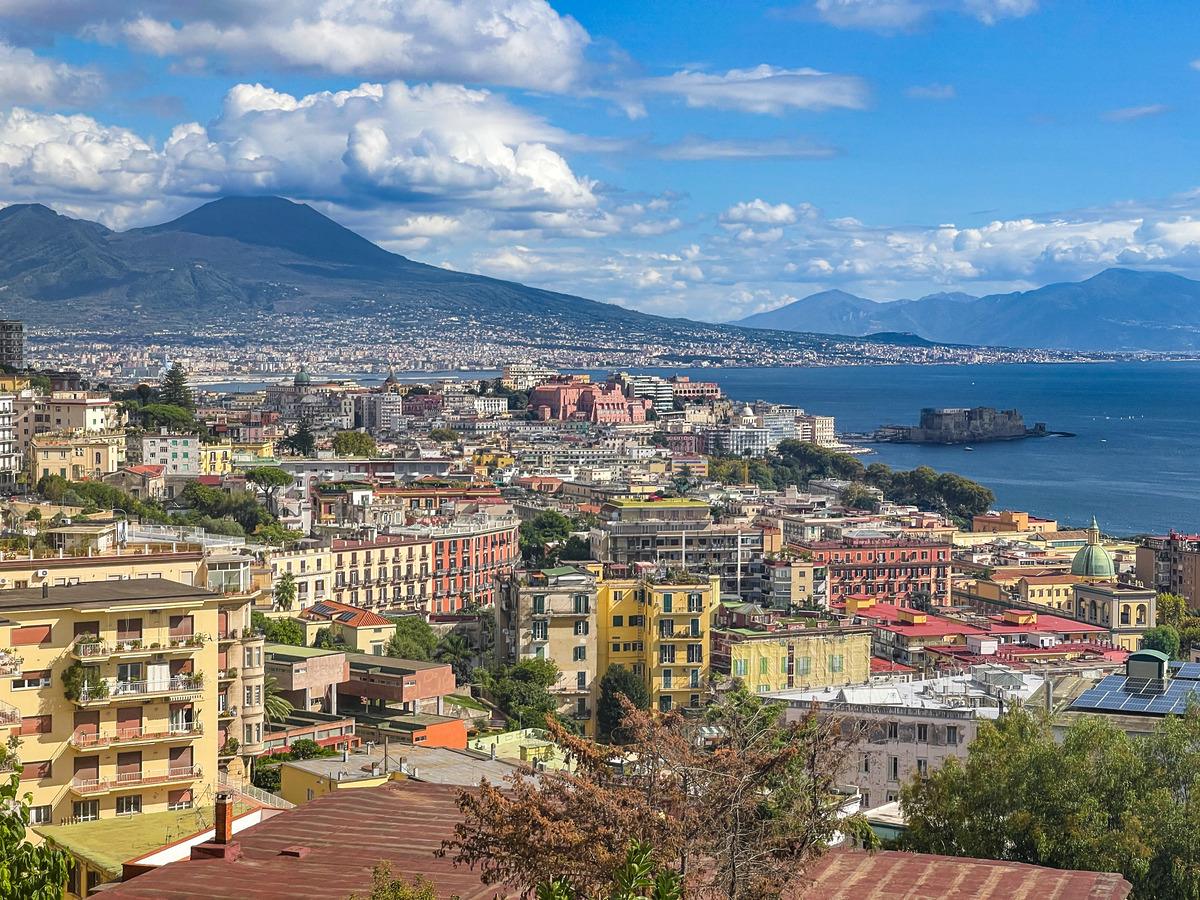
So the same questions always come up: How many days should you spend in Naples? Is 1 day enough? Do you need 2 or 3 days? And how does Naples fit into a longer Italy itinerary?
I’ve visited Naples several times over the years, often as part of my Southern Italy trips. With more than 10 years of travel experience, I’ll help you make a realistic decision.
Ready to travel to Naples?
Here are some quick tips on what to book for your Naples trip:
Best places to stay:
Best things to do:
In this guide, you’ll see what you can actually fit into 1, 2, or 3 days, and which option makes the most sense for your travel style.
This is not a strict day-by-day itinerary. It’s a practical guide to help you decide how long to stay, whether Naples is your main destination or just one stop on an Italy trip or a longer Europe journey.
First, I’ll give you a short and clear answer. Then I’ll go through the most common questions, and finally, I’ll show you what each trip length really looks like in real life.
Quick answer: How many days in Naples?
How should you decide how many days to spend in Naples?
Short answer:
- 1 day: Enough if you only want to see the main sights in the city
- 2–3 days: Best if you also want to visit nearby places like Pompeii and Mount Vesuvius
- 4–7 days: Ideal if you want to explore the full region, including the Amalfi Coast and islands like Capri or Procida
How many days should you spend in Naples? My personal opinion
The short answer above is a good starting point, but based on my experience, I’d plan a bit more time if you can.
Yes, you can see the main sights of Naples in 1 day.
But 2 days already feel much more comfortable. You won’t be rushing, and you’ll have time to actually enjoy the atmosphere of the city
I usually recommend 3 days if you want a more complete experience, especially if you’re thinking about a food tour or a day trip.
Personally, I almost always plan at least 3–5 days for this area, even after visiting multiple times. There’s simply so much to see, especially outside the city.
Overview of a 1 to 3-day Naples itinerary
Below, I’ll show you how I would spend 1, 2, or 3 days in Naples based on my own experience:
- Day 1: Morning: Castel Sant’Elmo, Afternoon: Castel Nuovo, Piazza del Plebiscito, Castel dell’Ovo, Fontana del Gigante
- Day 2: Morning: Day trip to Pompeii, Afternoon: Mount Vesuvius
- Day 3: Day trip to the Amalfi Coast (Positano and Amalfi)
Frequently asked questions about visiting Naples
Let’s take a look at the most common questions that come up when planning a trip to Naples:
Is Naples worth visiting?
Yes, Naples is one of the most important cities in Italy, and it has several interesting sights.
However, I’ll be honest: it’s not my personal favorite destination in Italy. The city has a few major highlights, but it’s not as full of attractions as cities like Rome or Venice.
That said, the real strength of Naples is its location. The nearby day trips are some of the best in Italy. Places like the Amalfi Coast, Capri, or Procida make Naples a great base.
So even if the city itself doesn’t need many days, the region around it definitely does.

How to get to Naples
The easiest way to reach Naples is by plane. The airport is close to the city center, and there are many international flights.
If you’re driving:
- From the north: take the A1 highway
- From the south: take the A3 highway
How to get around Naples
Getting around Naples is not simple, and you should expect to walk a lot.
Most of the main sights in the city center are relatively close to each other, so the easiest way to explore Naples is on foot. However, once you start visiting everything, it can easily turn into several kilometers of walking in a day.
By car
Driving in Naples is possible, but not ideal. Parking can be difficult, and traffic is chaotic. It gives you flexibility, but I don’t recommend it for most travelers.
By public transport
Naples has trams, buses, and a metro system, but they are not always the most convenient or flexible option. You can still use them for longer distances or day trips.
My tip: Walk as much as you can in the city center, and use public transport or taxis when needed.
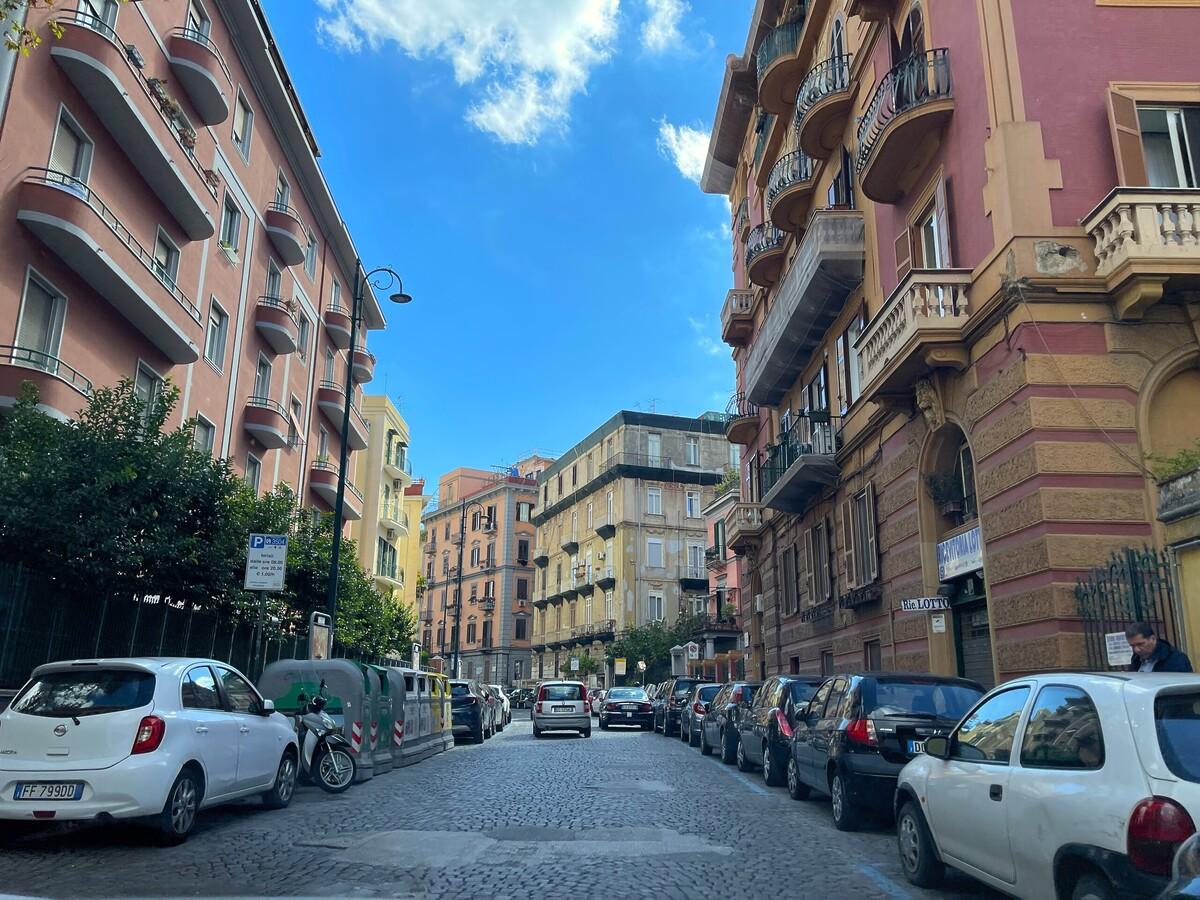
Where to stay in and around Naples
Here are a few places I recommend based on my experience:
- Gold Tower Lifestyle Hotel: A four-star hotel in Naples, offering great prices and reviews
- Hotel & Resort Tre Fontane Luxury: A four-star hotel in Portici, near Naples. One of the top choices in the area, well worth the price
- Domo 20 Hotel & Rooftop: An unrated but roughly equivalent to a four-star hotel with stunning sea views. Located in Vico Equense, south of Naples, on the way to Positano
- Hotel Forum: An affordable four-star hotel in Pompeii

Best time to visit Naples
The best time to visit Naples is in late spring and early autumn. The weather is warm, but not too hot, and the crowds are more manageable.
Naples has good weather almost all year, but summer can be very hot and busy. However, if you also want to swim, July and August are the best choices.
Is Naples expensive?
Naples is not an expensive destination compared to other cities in Italy.
However, some popular places, especially on the Amalfi Coast or islands like Capri, can be quite expensive.
In general:
- Flights and transportation: Often cheaper than other destinations in Italy
- Hotels: around €100–250 per night for a good 3-4-star hotel
- Restaurants: Similar to average Italian prices (approx. 15–25 euros per meal per person)
So you can easily plan a mid-range trip, or even a lower-budget one if you choose carefully.
Best things to do in Naples
Naples offers a mix of food, history, and day trips.
Here are the best things to do:
- Join a food tour and try authentic Neapolitan pizza and local dishes like sfogliatella or fried street food
- Visit viewpoints like Castel Sant’Elmo for amazing views over the city
- Take a boat trip to islands like Capri or Procida
- Explore underground Naples at Napoli Sotterranea
- Visit Pompeii
- Hike up Mount Vesuvius

After the basic questions, let’s take a look at the itineraries for each day:
How many days in Naples? Naples itinerary for 1, 2, and 3 days
Day 1: Castel Sant’Elmo, Castel Nuovo, Piazza del Plebiscito, Castel dell’Ovo, Fontana del Gigante
If you only have one day in Naples, this is the route I recommend.
The city center is quite walkable, and most of these sights are relatively close to each other. The only place that requires a bit more effort is Castel Sant’Elmo, as it’s located on a hill.
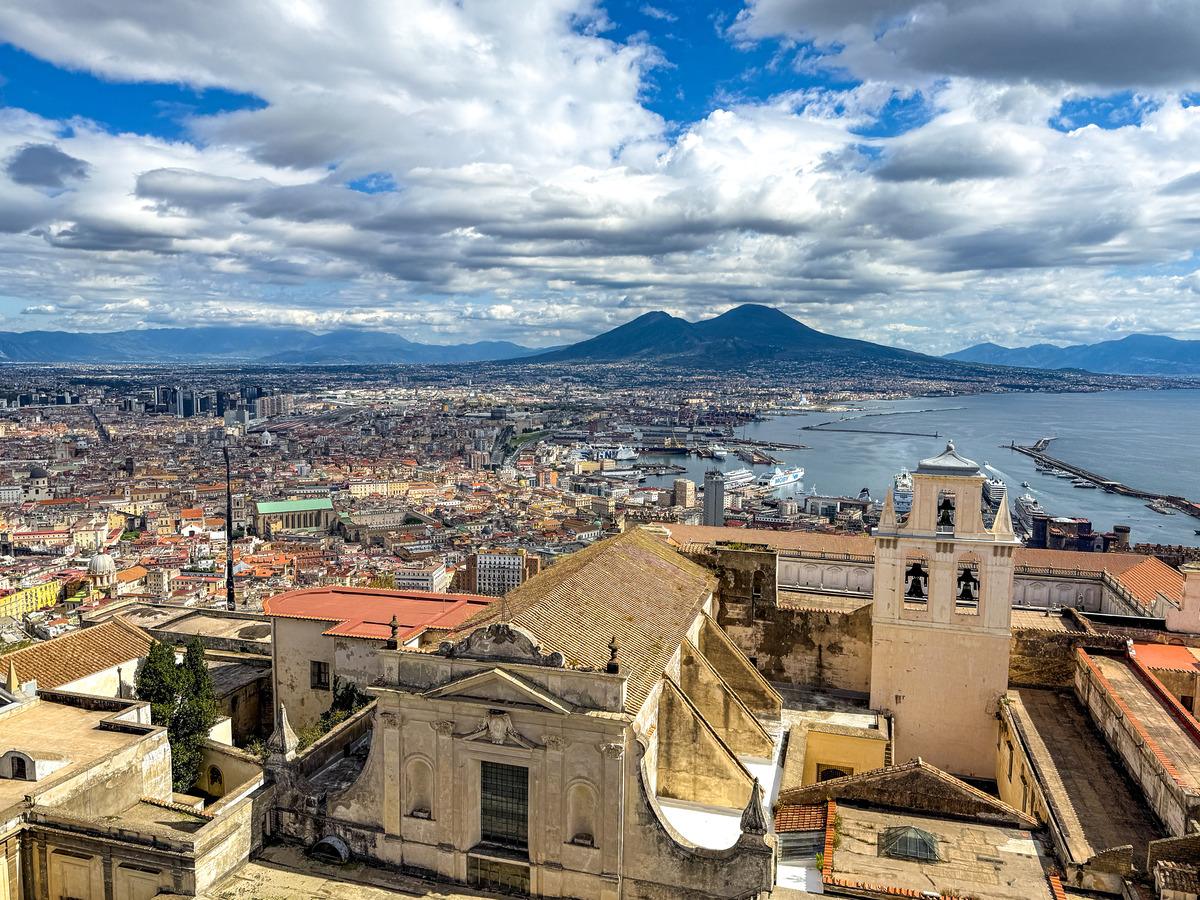
Start your day here, because this is where you’ll get the best views over Naples.
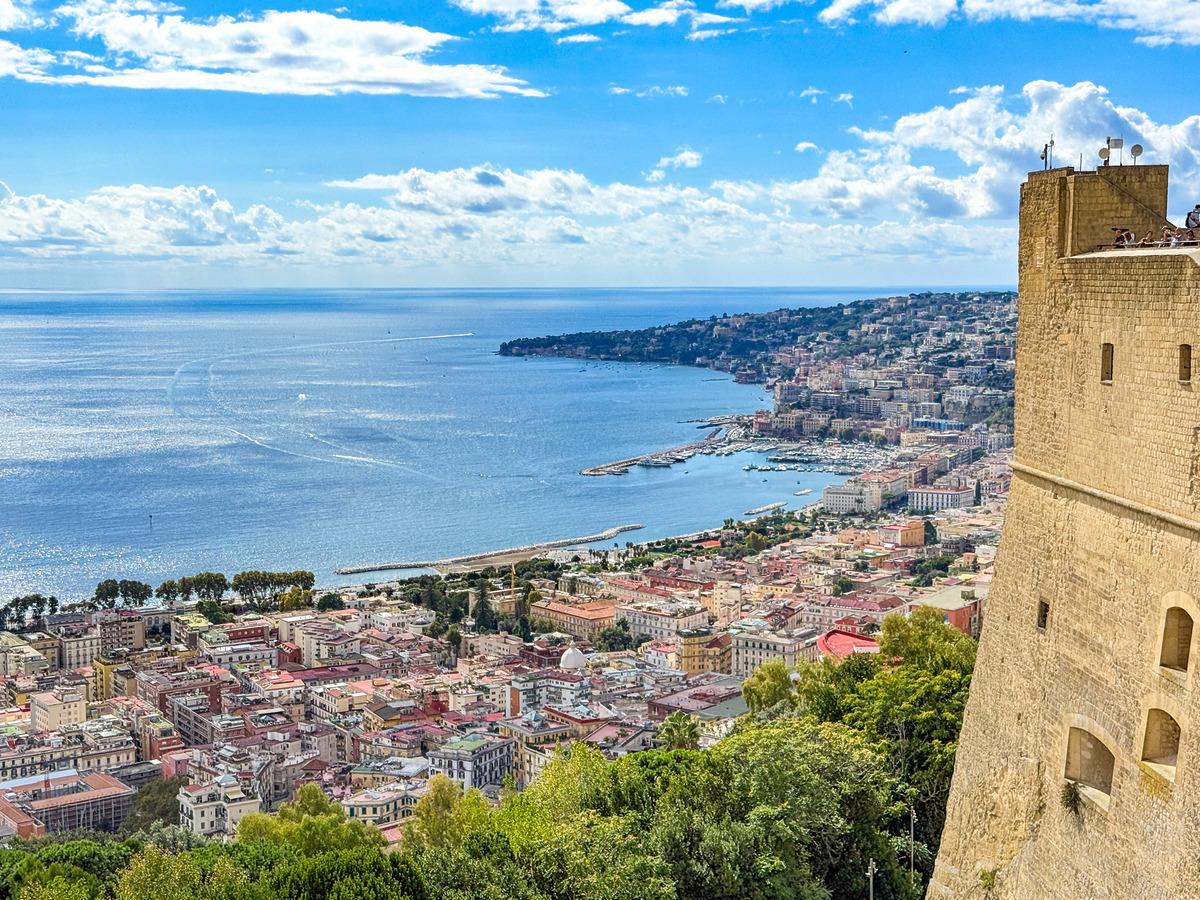
Castel Sant’Elmo is a 14th-century fortress with a long history, but honestly, the main reason to come here is the panorama. This is one of my favorite viewpoints in Naples. You get a full view of the city, the bay, and Mount Vesuvius in the background.
Pro tip: If you visit on the first Sunday of the month, entry is free as part of the Domenica al Museo program.
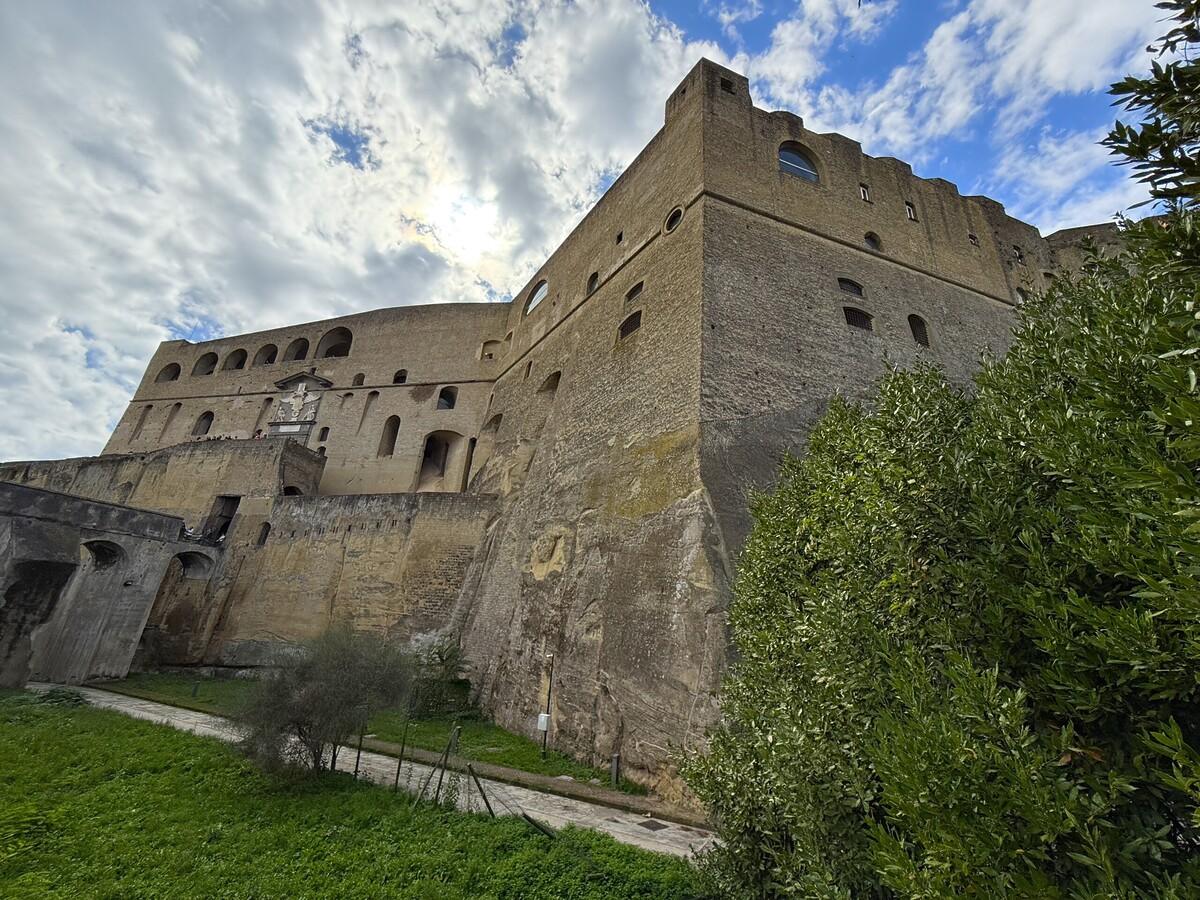
After that, head back down to the city center for lunch. I personally like the Mama Eat restaurant, they have great gluten-free options, but you’ll find many good local places in the center.
In the afternoon, explore the main sights near the waterfront:
- Castel Nuovo: One of the most famous landmarks in Naples, built in the 13th century. The triumphal arch at the entrance is especially impressive.
- Piazza del Plebiscito: The largest square in Naples, surrounded by the Royal Palace and the San Francesco di Paola church.
- Castel dell’Ovo: The oldest castle in Naples, located right by the sea. The views from here are beautiful, especially at sunset.
- Fontana del Gigante: A historic fountain near the waterfront, easy to combine with the other sights.
These places are all close to each other, so it’s best to explore them on foot. If you arrive by car, parking near the port is usually the easiest option.


In the evening, enjoy a nice dinner in the city.
If you still have energy, you can go for a sunset walk along Via Francesco Caracciolo, or even take a short boat trip.
If you want something more special, a quick visit to Procida can also be a great experience.
Day 2: Pompeii and Mount Vesuvius
On your second day, I recommend leaving the city and exploring the area around Naples.
Before that, if you missed anything on day 1, you can use the morning to catch up. You can also consider optional programs like Napoli Sotterranea, the Catacombs of San Gennaro, or the Sansevero Chapel Museum, which is very popular.
But if you want something more unique, head outside the city.
The two most famous places near Naples are Pompeii and Mount Vesuvius.
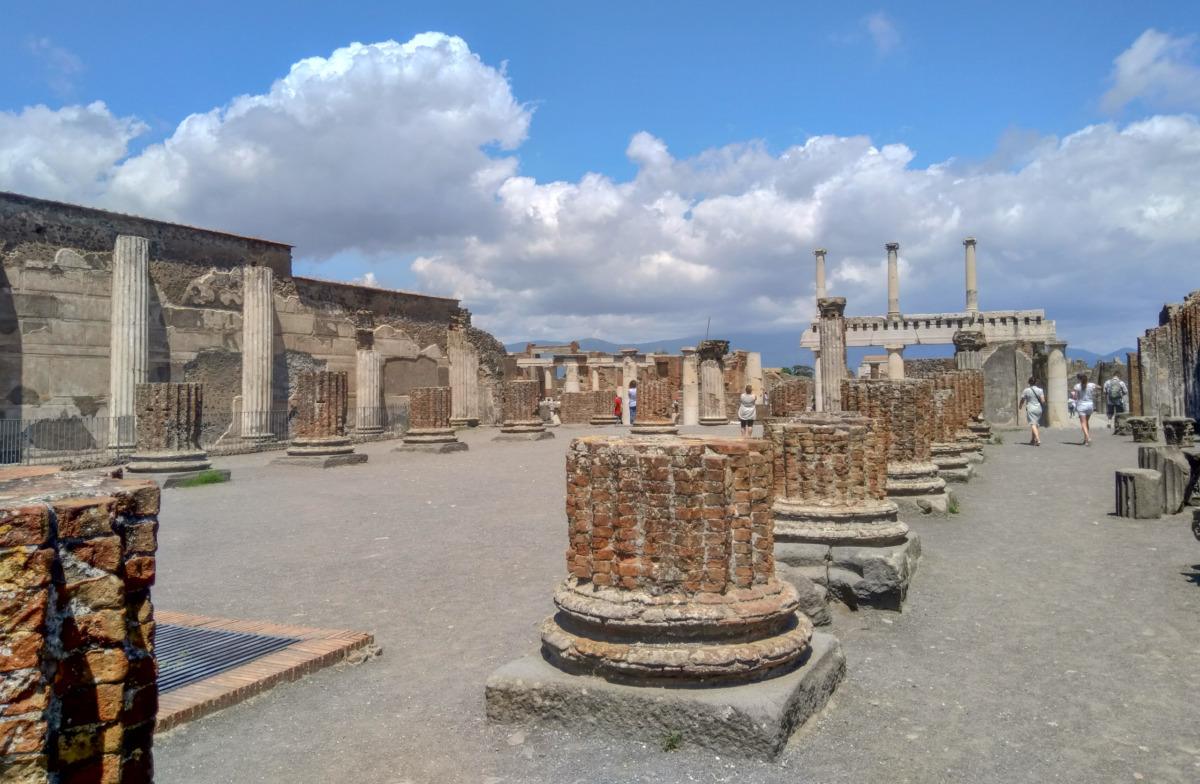
Pompeii is one of the most important archaeological sites in the world. The ancient Roman city was buried by the eruption of Vesuvius in 79 AD, and today you can walk through its streets, houses, and ruins.
Plan at least 2–4 hours here, but you could easily spend more time.
It’s worth buying your ticket online in advance, as it’s very popular.
Also, wear comfortable shoes, there’s a lot of walking.
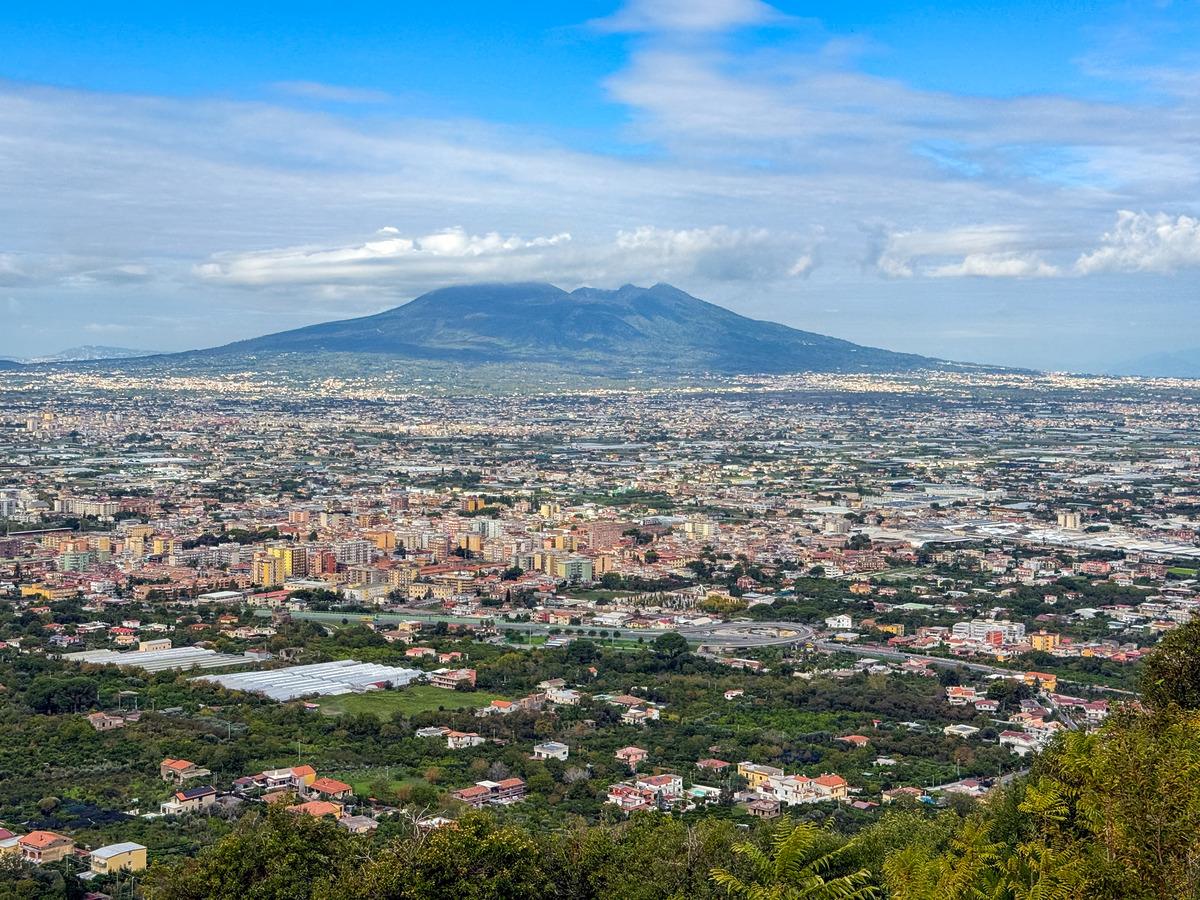
After Pompeii, continue to Mount Vesuvius.
You can reach it by bus or car, but the last part is a bit complicated. If you drive, you’ll need to park a few kilometers below and take a shuttle bus or walk up. When I visited, the shuttle wasn’t in the best condition, but it was necessary.
From the entrance, you still have to walk about 1 km uphill on a steep gravel path.
At the top, you can walk close to the crater, and sometimes you can even see smoke coming out. The views over the surrounding area are also really impressive.

Day 3: Day trip to the Amalfi Coast: Positano and Amalfi
On your third day, I highly recommend spending time outside Naples again.
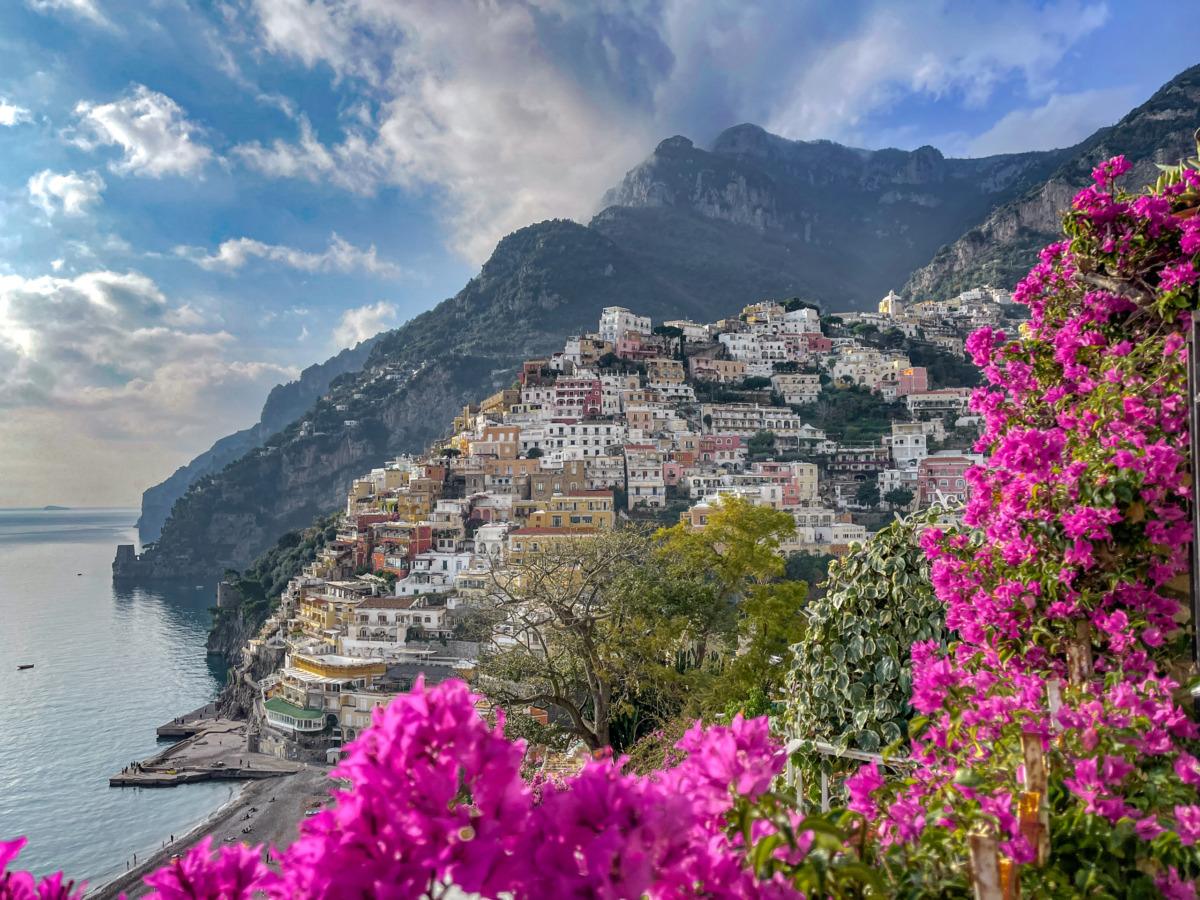
The best choice is the Amalfi Coast, which is one of the most beautiful places in Italy.
In one day, you won’t be able to see everything, so I suggest focusing on the two main towns: Positano and Amalfi.
If you’re driving, keep in mind the Alternate Driving Rule and expect difficult and expensive parking, especially in high season. The advantage is flexibility and incredible views along the road.
You can also consider taking a boat between the towns. The coastline looks even more impressive from the water, although it’s very popular, and queues can be long.

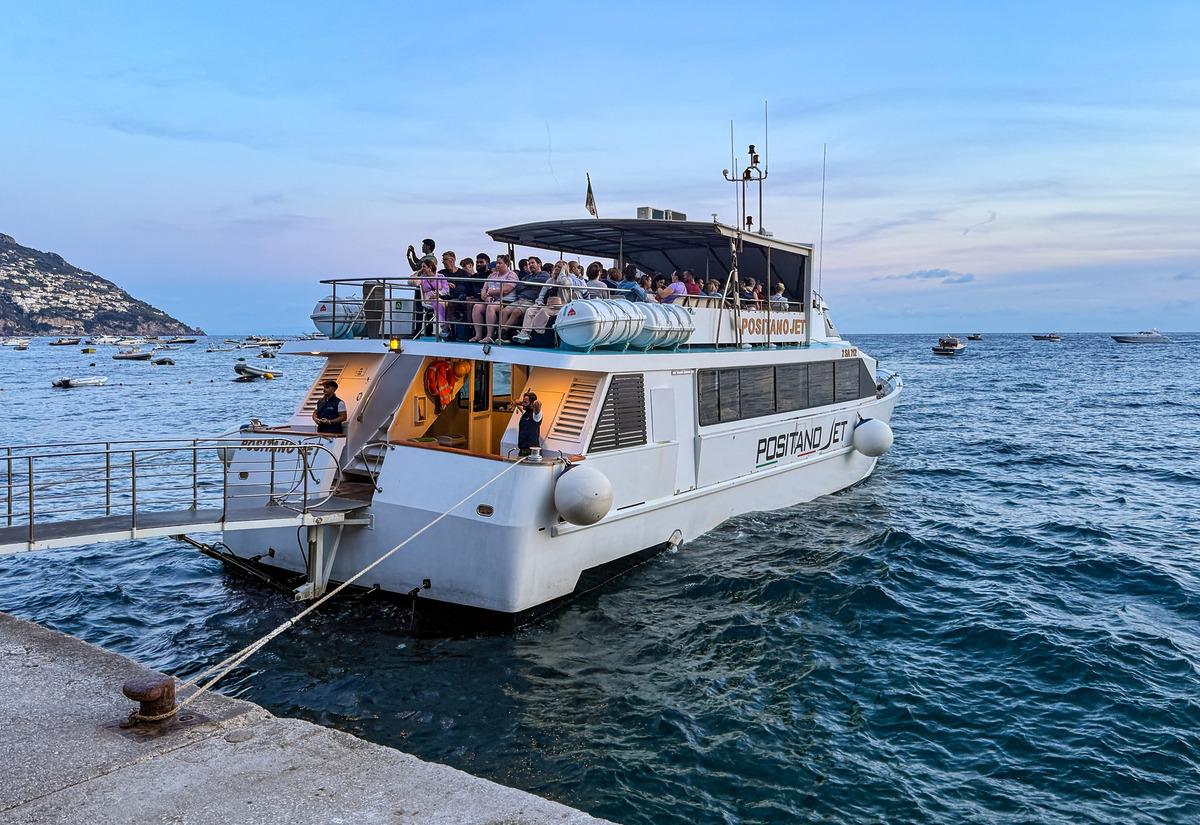
In Positano, I recommend having lunch at Rada Beach Restaurant, right by the beach with an amazing view.
After that, walk through the town, explore the small streets, and enjoy the views from different viewpoints.
In Amalfi, spend a few hours walking around the harbor area and visit the cathedral.
Don’t miss trying a lemon sorbet near the cathedral, it’s one of the local specialties.
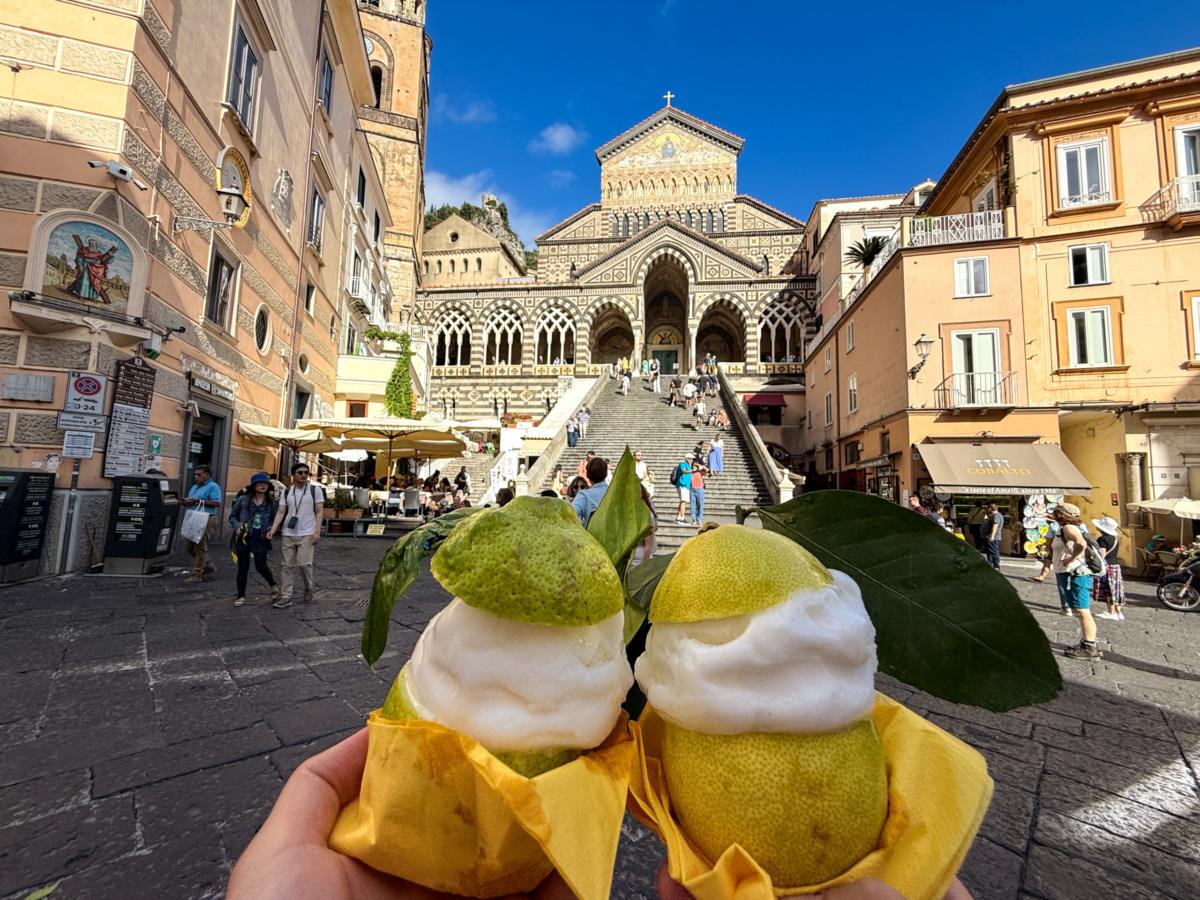
And with that, we’ve reached the end of this 1-, 2-, and 3-day Naples itinerary.
Before the end of this guide, I just want to highlight one more thing: some of the best experiences around Naples are actually outside the city, and they can easily turn a good trip into an unforgettable one.
Best day trips from Naples
Naples is interesting, but honestly, the real highlights are around it.
This is the main reason why I recommend spending more time here. Some of the best places in Southern Italy are just a short trip away.
Here are the best day trips from Naples based on my experience:
Sorrento
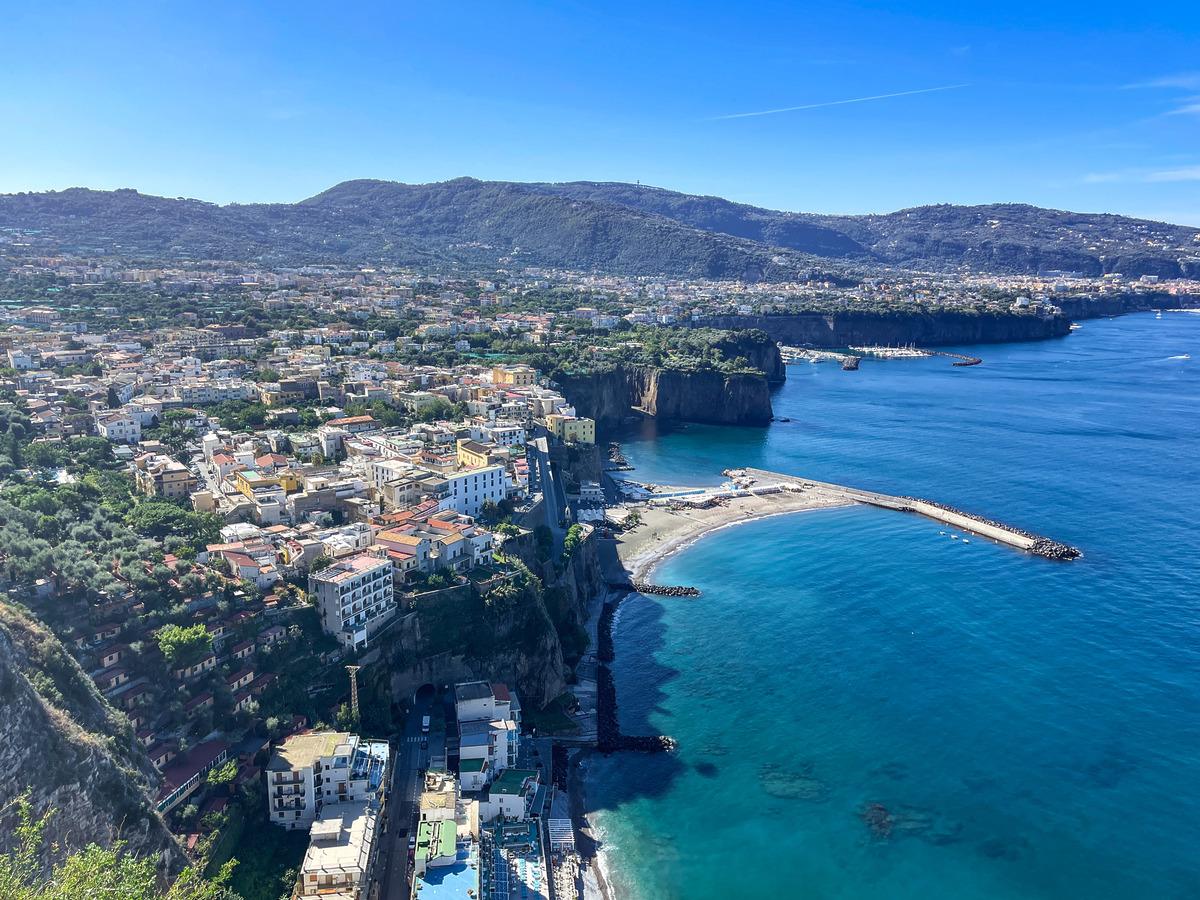
Sorrento is one of the easiest day trips from Naples.
It’s about 1 hour away and much calmer than Naples. You’ll find nice streets, sea views, and a more relaxed atmosphere.
From here, you also get great views of Mount Vesuvius across the bay.
A good option if you want something simple and not too far from Naples.
Capri
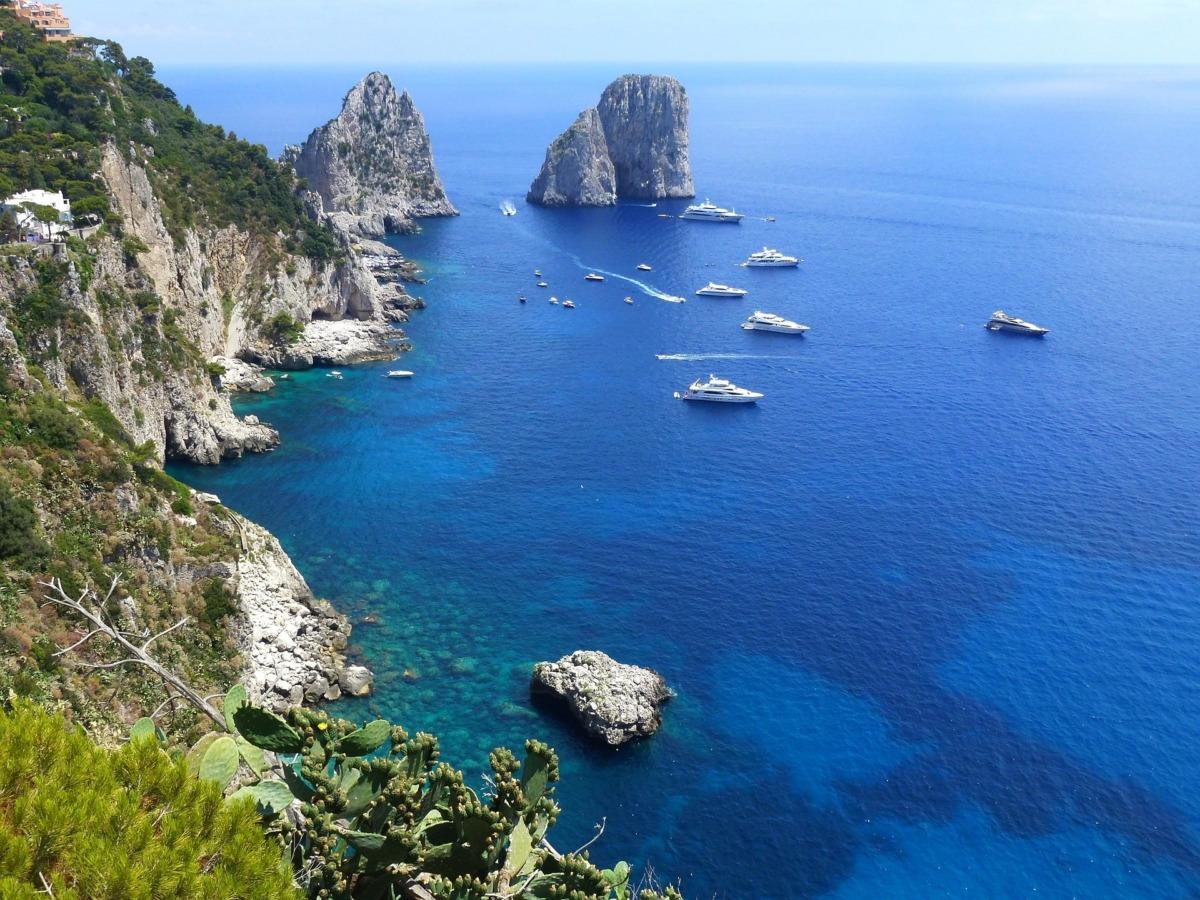
Capri is one of the most famous islands in Italy, located less than an hour by ferry.
It’s known for places like the Blue Grotto and its dramatic coastline. You can take a cable car up to Monte Solaro for amazing views, or explore the island by boat.
I’ve been here, and the views are really impressive, but it’s also one of the busiest and most expensive places in the area.
Procida
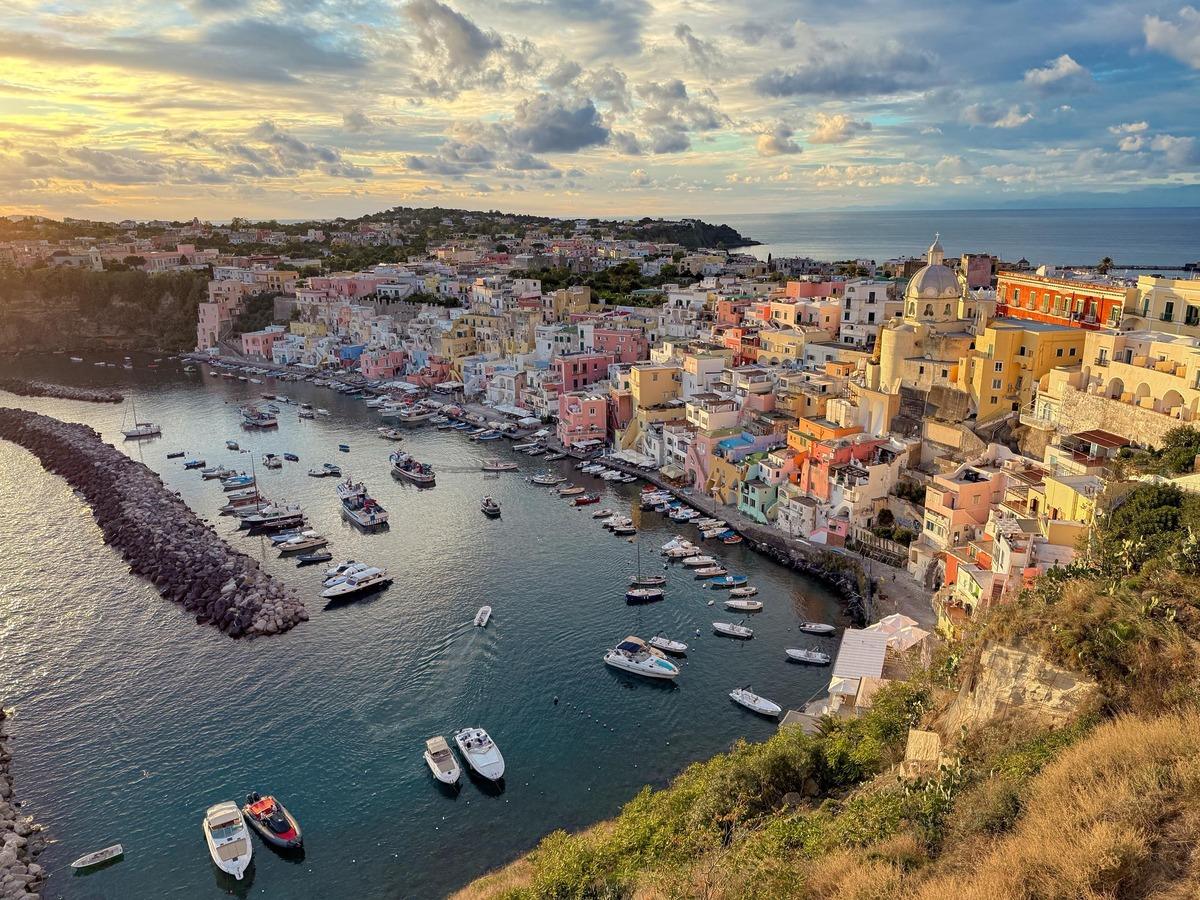
Procida is a small, colorful island near Naples, and one of the most underrated places in the area.
It’s much less touristy than Capri and feels more local. The island is full of pastel-colored houses, especially around the harbor of Corricella.
For the best views, go to viewpoints like Panoramica sulla Corricella or Belvedere Corricella. I really liked how quiet and authentic it felt compared to the other Italian destinations.
Ischia
Ischia is a larger island and offers more variety than Procida.
You’ll find beaches, gardens, small towns, and even thermal spas. It’s less crowded than Capri but still has plenty to do for a full day.
Caserta Palace
Caserta is located about 30 minutes north of Naples.
The Royal Palace of Caserta is one of the largest palaces in Europe. It has huge gardens, royal rooms, and a very impressive scale.
I didn’t expect it to be this impressive when I first visited. If you have a few extra hours and like historical places, it’s definitely worth it.

My personal tip:
If I had to choose:
- Short time → Sorrento
- First time → Capri
- Best cultural experience → Caserta
- Best hidden gem → Procida
- Relax → Ischia
I hope this guide gave you clear ideas and practical help to decide how many days to spend in Naples and how to use your time in and around the city in the best way.
This guide is here to help you plan realistically, whether Naples is your main destination or just one stop on a longer Italy trip.
If you’re exploring more of Southern Italy, don’t miss my other guides. I share my personal routes, real tips, and the places that are actually worth your time.
And once your plan is ready, don’t wait too long. The best hotels, tours, and tickets sell out quickly, especially in high season.
Book your stay, secure your tickets, and start planning your trip! Naples and the surrounding area are some of the most exciting places you can visit in Italy.

Hi, I’m Adri, the author of ItalianWanderlust.com and TravelTipZone.com. I’ve been traveling for over 10 years and have been a travel blogger since 2022.
Every year I spend several weeks exploring Italy, the country that always has a special place in my heart.
Through my travel guides and tips, I hope to inspire you to discover the authentic Italy and enjoy your own Italian adventures.


