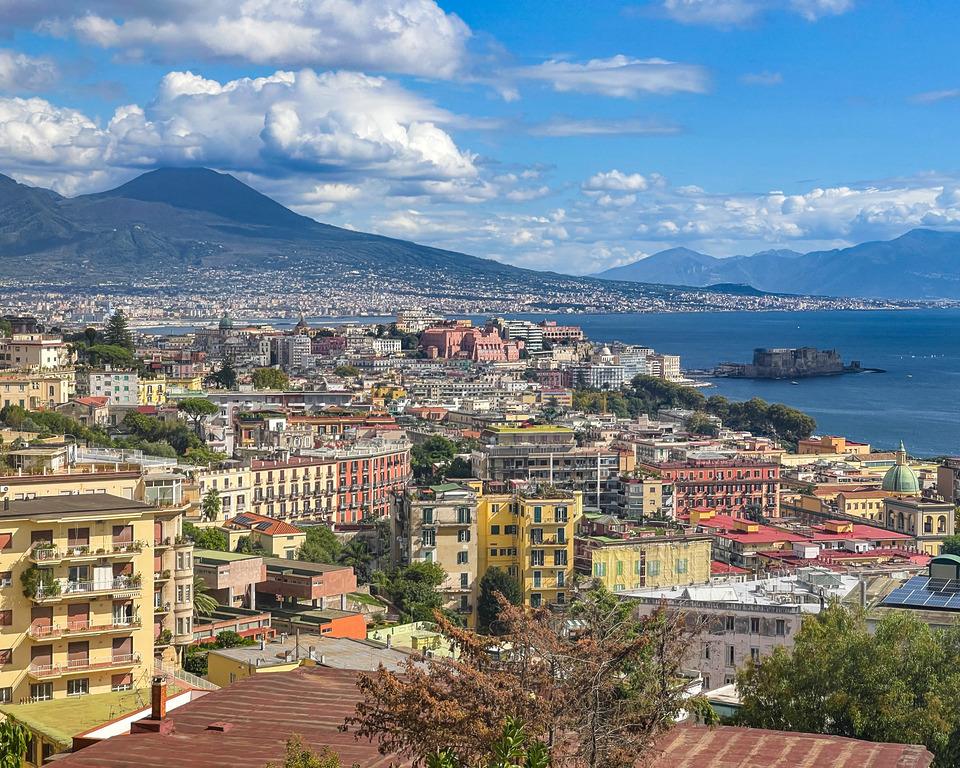

Naples is one of the most unique and intense cities in Italy, and honestly, not everyone falls in love with it at first sight.
The city is loud, chaotic, crowded, and sometimes overwhelming, but at the same time, full of energy, history, amazing food, and unforgettable atmosphere.
And once you see the views over the Bay of Naples, walk through the narrow historic streets, visit Pompeii, or drive along the Amalfi Coast, it’s easy to understand why so many people become obsessed with this part of Southern Italy.
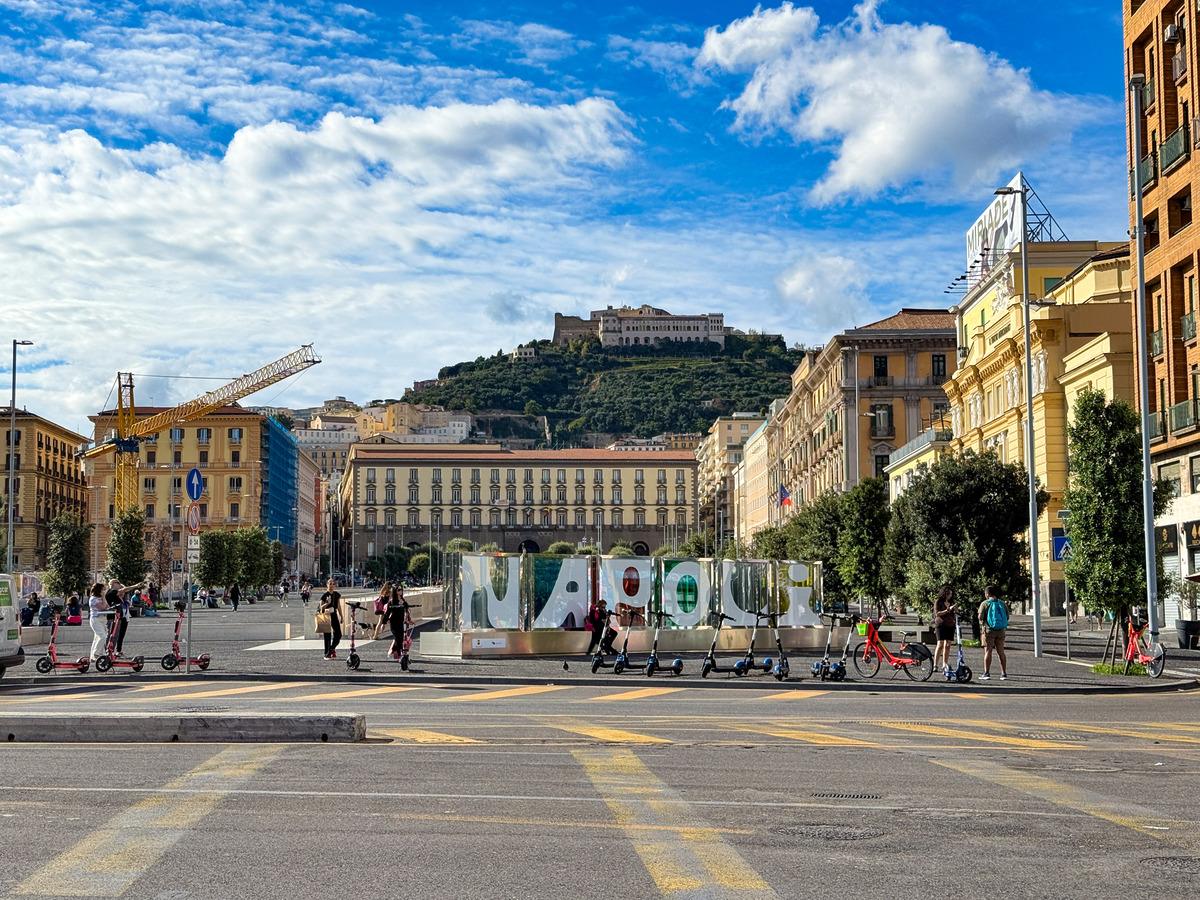
After several trips to Naples and Campania, I decided to put everything into one complete Naples travel guide with as many practical tips as possible.
In this article, you’ll find the best places to visit in Naples and nearby, things to know before visiting, must-see attractions, travel tips, and some honest thoughts about what Naples is really like as a first-time visitor.
Ready to travel to Naples or its surroundings?
Here are my quick tips on what to book for your trip:
Best places to stay:
Best things to do:
So let’s start with a quick overview of the most important things to know, and then go through each topic in detail.
Quick overview of this Naples travel guide
Here are the short answers to the main questions about visiting Naples:
- Is Naples worth visiting?: Absolutely
- Why visit: Pizza, historic streets, Amalfi Coast, Pompeii, Italian atmosphere
- Best for: Food lovers, history lovers, Southern Italy road trips
- Best time to visit: April–June and September–October
- How many days: 3–5 days
- Closest airport: Naples International Airport
- Getting around: Metro, trains, ferries, taxis
- Is Naples safe?: Mostly yes, but scams and pickpocketing can happen
- Do you need a car?: Not in Naples itself
- Best day trips: Amalfi Coast, Capri, Procida
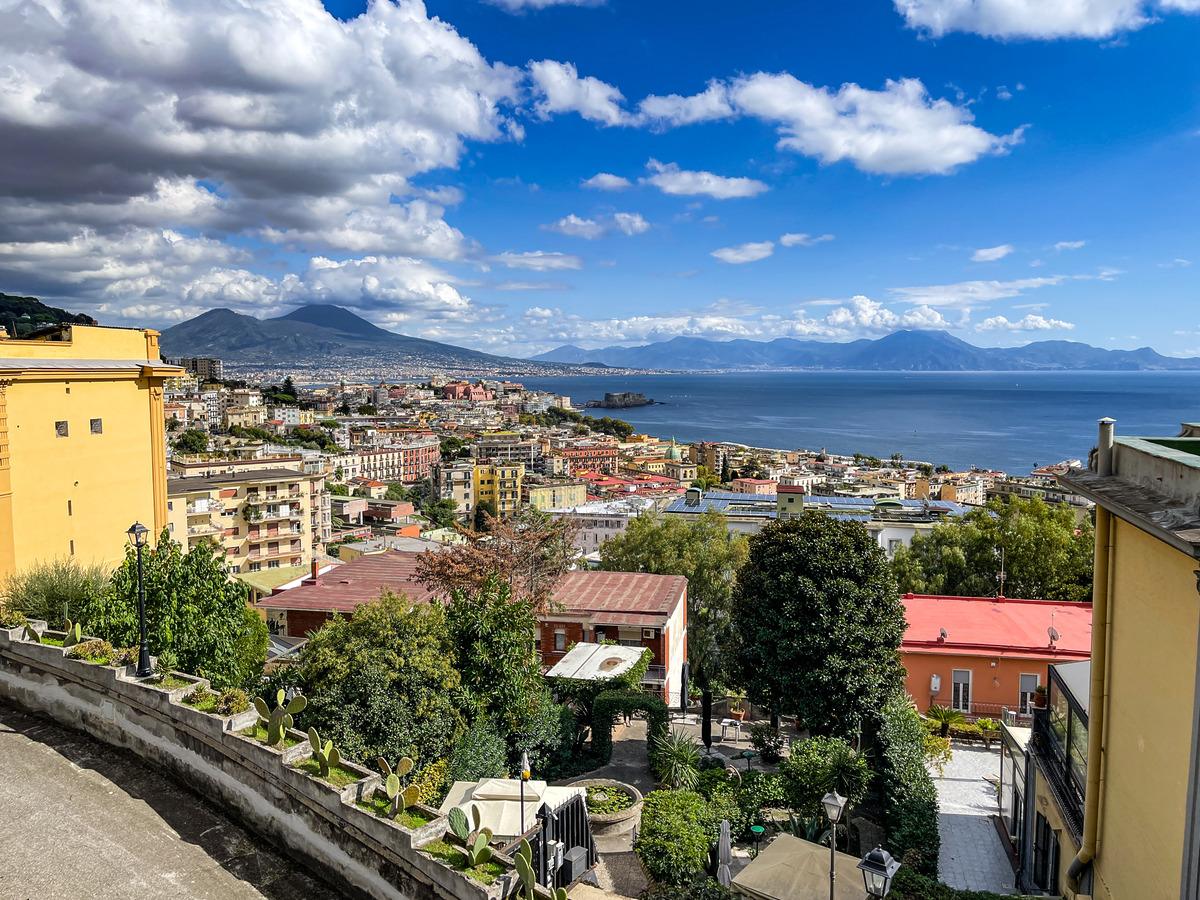
Is Naples worth visiting?
Absolutely.
Naples itself is easily worth 1–2 days, and personally, I think it would be a mistake to skip it. Not only because of the sights, but because of the atmosphere and the overall experience.
At the same time, Naples is also the perfect base for exploring some of the best places in Southern Italy. Pompeii, Mount Vesuvius, the Amalfi Coast, Capri, Sorrento, and several beautiful islands are all within easy reach.
So while Naples is already an unforgettable destination on its own, the incredible day trips around the city make the whole region even more special.
What is Naples really like?
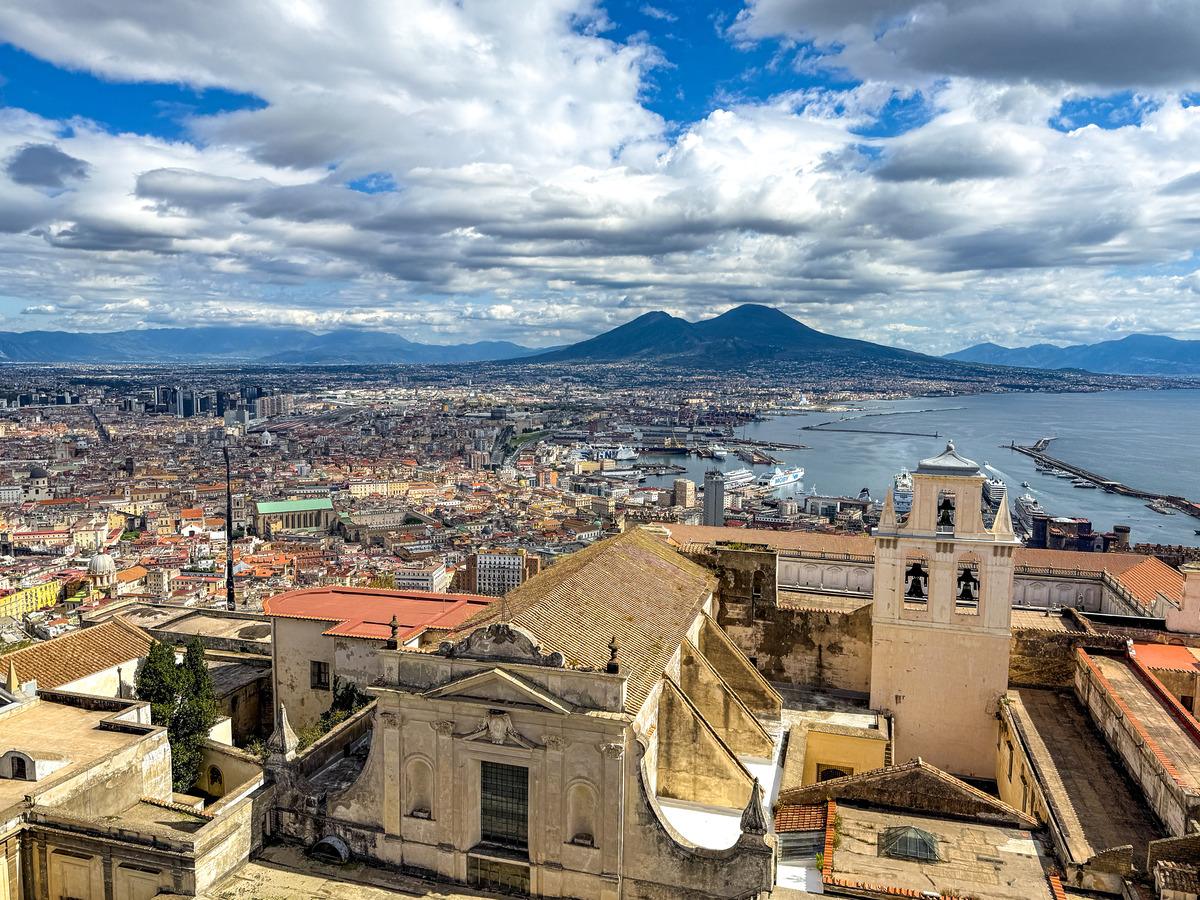
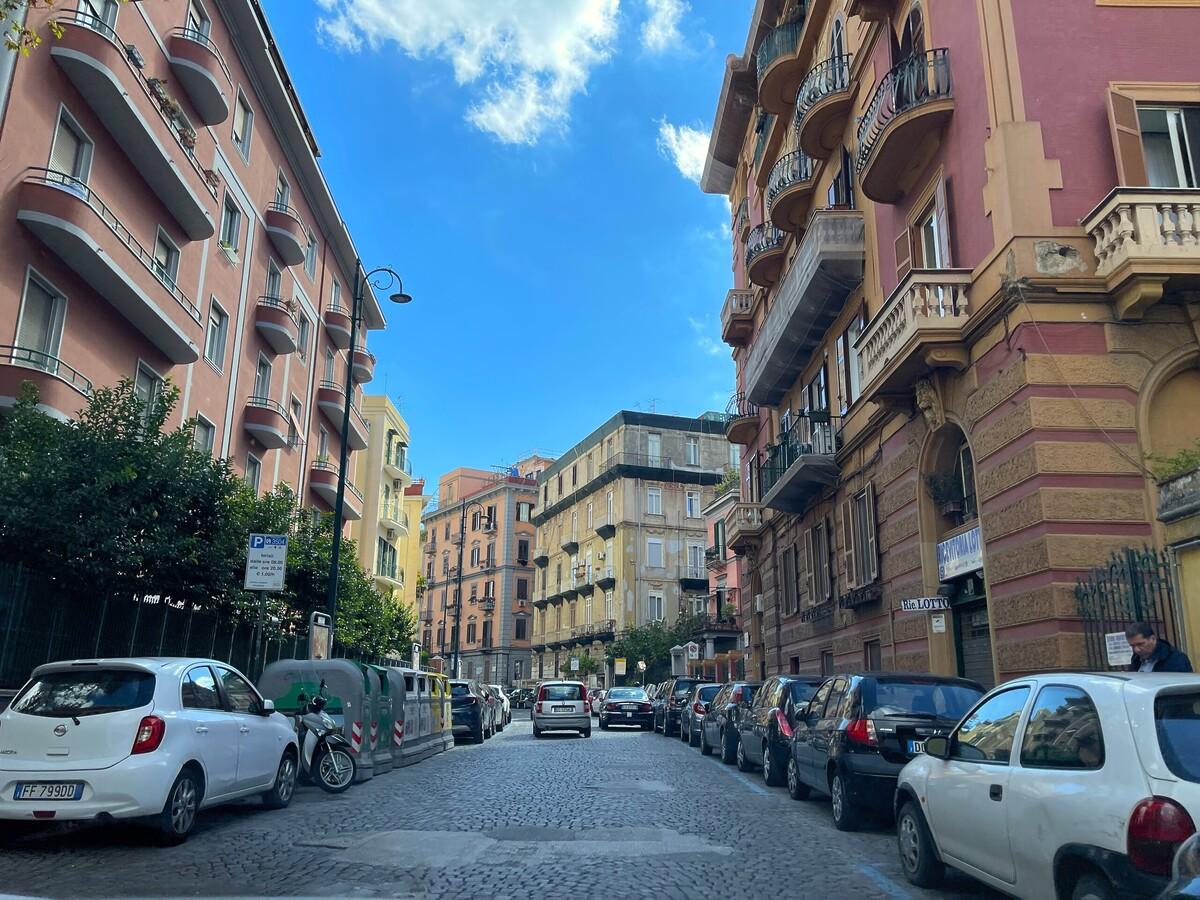
Imagine one of the busiest cities in Italy, where you walk through colorful neighborhoods, narrow cobblestone streets, and hilly areas with occasional breathtaking sea views, all while experiencing that truly authentic Italian atmosphere.
Naples is what many people imagine when they think about Italy: noisy streets, chaotic traffic, laundry hanging from balconies, delicious local food, and a city full of life and energy.
You’ll find almost everything here: beautiful sea views, a volcano right next to the city, mountains, islands nearby, impressive castles, fascinating history with catacombs and churches, colorful buildings in every style, and lively streets and squares filled with both locals and tourists.
In short, that’s Naples. But if you keep reading, you’ll discover there’s much more to it than that.
What makes Naples special?
Naples has a completely different atmosphere compared to many other Italian cities, and that’s exactly what makes it so memorable.
It’s the birthplace of pizza, full of amazing food, lively streets, and authentic Southern Italian atmosphere. At the same time, you’ll find incredible history, beautiful sea views, Mount Vesuvius, nearby islands, and famous places like Pompeii and the Amalfi Coast just a short distance away.
More than anything, Naples feels raw, chaotic, energetic, and very real. Exactly the kind of Italian atmosphere many travelers dream about.
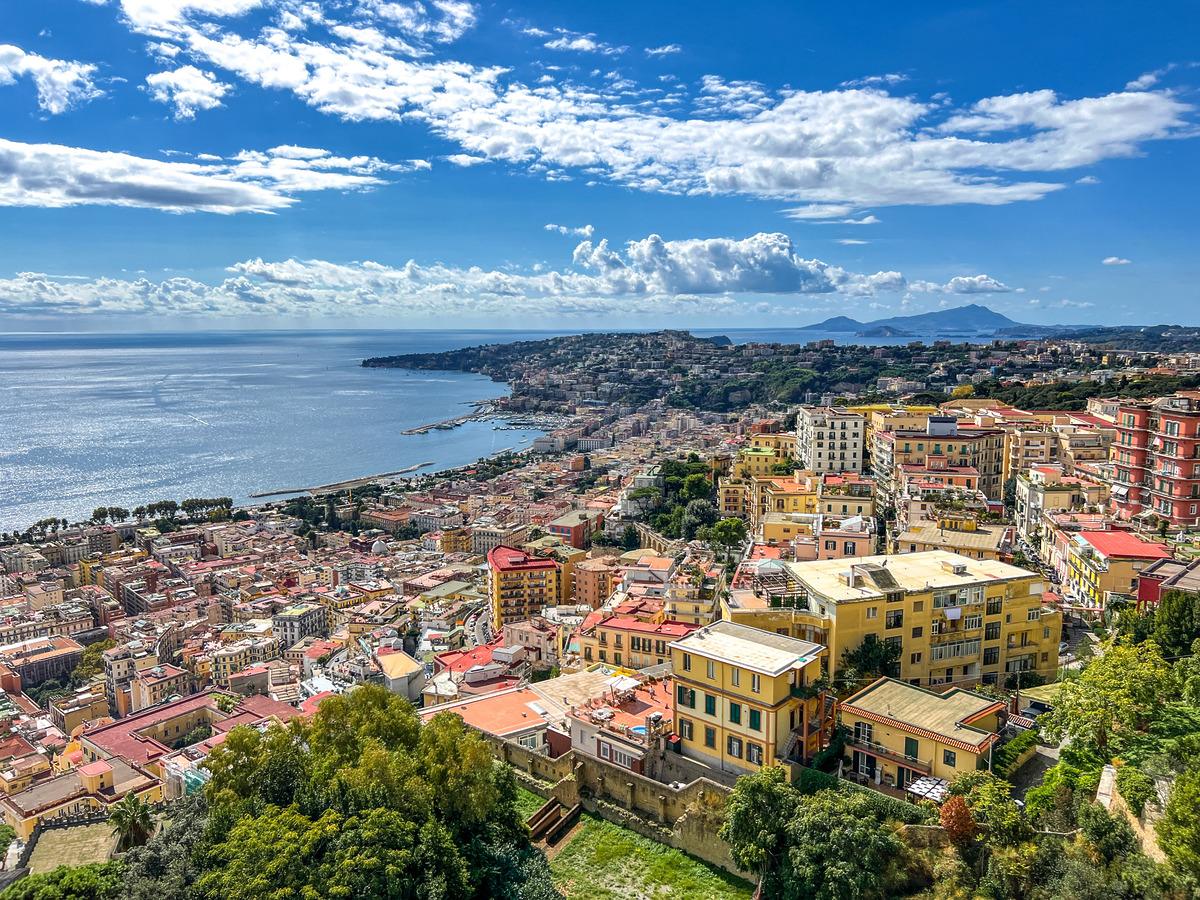
Best places to visit in Naples
These are some of the best places to visit within Naples itself:
Historic center of Naples
The historic center is the heart of Naples and probably the best place to experience the city’s real atmosphere.
Here you’ll walk through narrow streets full of small shops, churches, local restaurants, scooters, street food, and crowds almost all day long. It feels chaotic at first, but that’s also what makes Naples so unique.
This area is perfect for simply walking around and getting lost in the atmosphere.
Spaccanapoli
Spaccanapoli is one of the most famous streets in Naples and one of the best places to experience local life.
The long, narrow street cuts through the historic center and is full of restaurants, cafés, souvenir shops, churches, and street food places. It’s busy almost all the time, but it has an amazing atmosphere.
Piazza del Plebiscito
Piazza del Plebiscito is the largest and most famous square in Naples.
Compared to the narrow historic streets, this area feels much more open and elegant. You’ll find the Royal Palace here, along with the impressive Basilica of San Francesco di Paola.
It’s one of the main landmarks of the city and a good place to take a short break while sightseeing.

Lungomare & Castel dell’Ovo
The Lungomare is one of the nicest places to walk in Naples, especially in the evening.
The seaside promenade offers beautiful views over the Bay of Naples and Mount Vesuvius, while locals gather around restaurants, cafés, and the waterfront.
Right next to it, Castel dell’Ovo is the oldest castle in Naples and one of the city’s most scenic landmarks.
Castel Nuovo
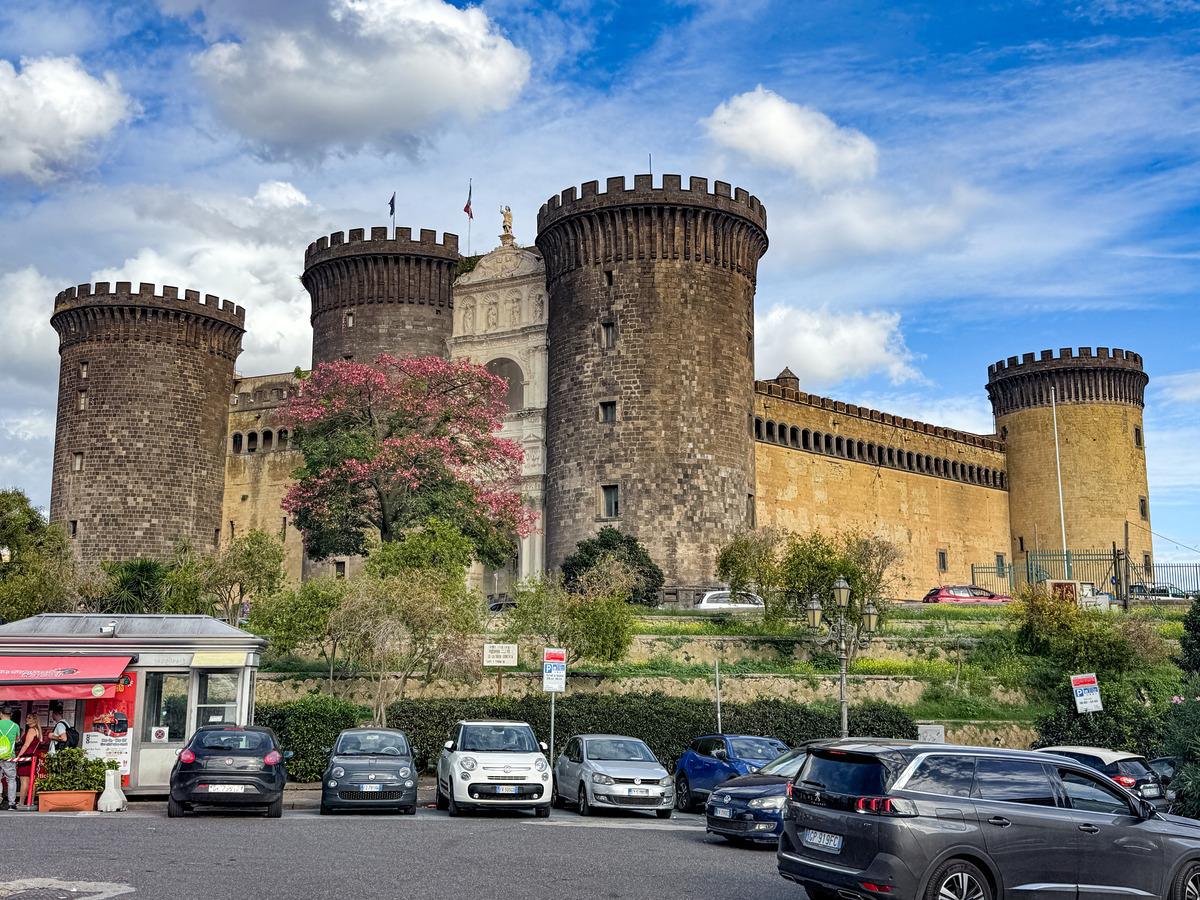
Castel Nuovo is one of the symbols of Naples.
The large medieval castle stands near the port and is easy to recognize thanks to its massive towers and impressive entrance gate. Even if you don’t go inside, it’s worth seeing while exploring the city center.
Naples Cathedral
Naples Cathedral, also called Duomo di Napoli, is the city’s main church.
The cathedral combines several architectural styles and has a long history connected to Naples. Even if you are not deeply interested in churches, it’s worth stepping inside for a quick visit while exploring the historic center.
Naples Underground
One of the most interesting experiences in Naples is visiting the underground tunnels and passages below the city.
Naples Underground takes you through ancient tunnels, caves, and hidden spaces that were used during different periods of history, including Roman times and World War II.
It’s a completely different side of Naples and definitely worth experiencing.
Quartieri Spagnoli
Quartieri Spagnoli, or the Spanish Quarter, is one of the most famous and atmospheric neighborhoods in Naples.
This area is known for its narrow streets, laundry hanging from balconies, scooters, street art, local restaurants, and lively atmosphere. It’s also where you’ll find the famous Maradona murals.
It can feel chaotic and crowded, but it’s one of the places that truly shows the soul of Naples.
Vomero & Castel Sant’Elmo
Vomero is a quieter and more elegant hilltop district above Naples.
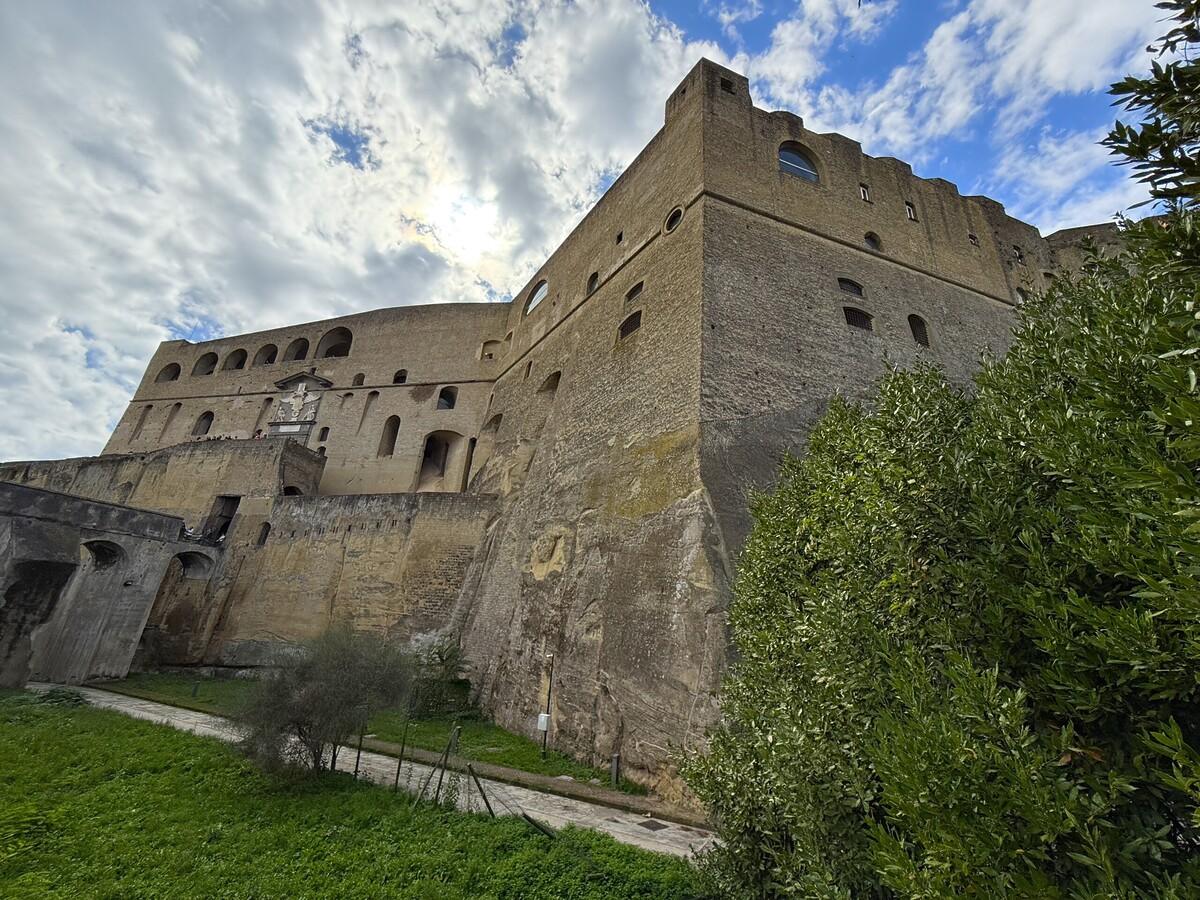
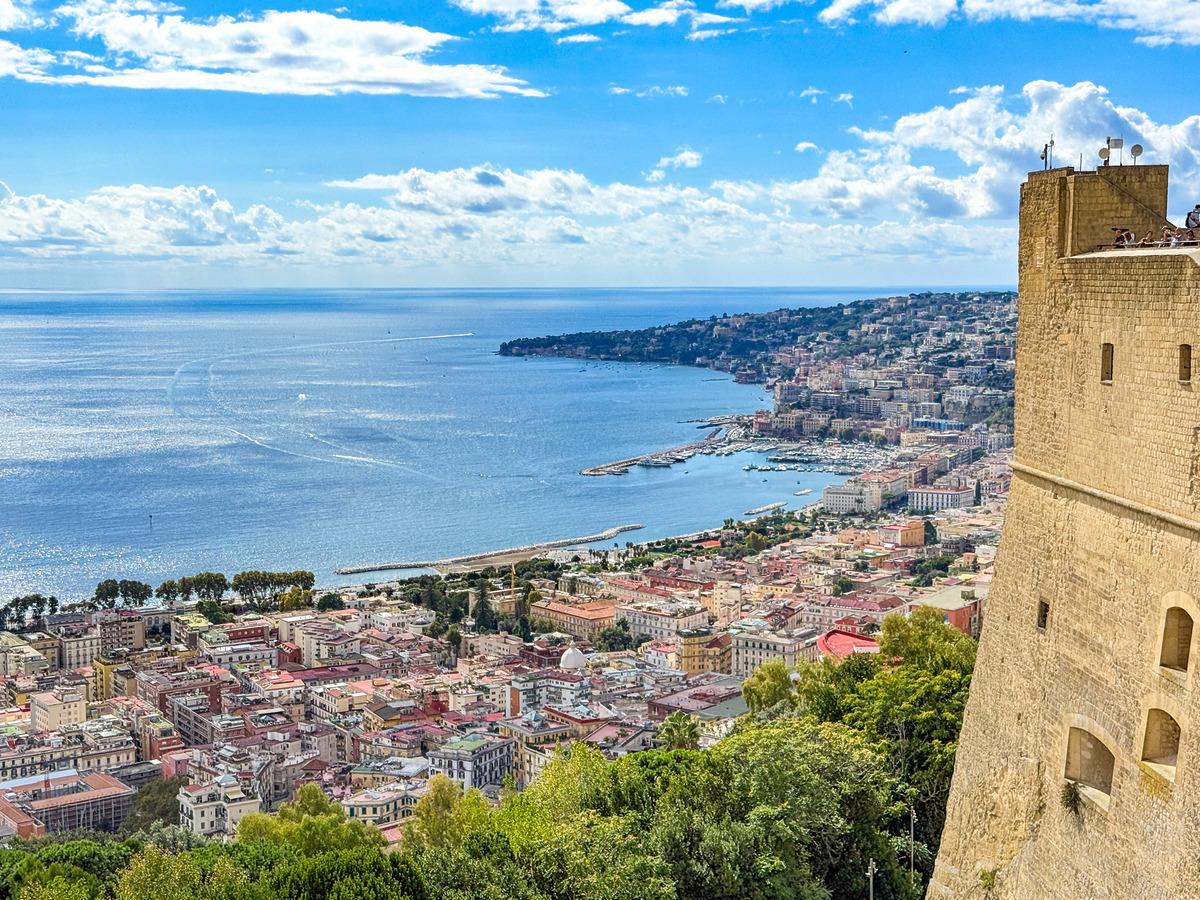
One of the main highlights here is Castel Sant’Elmo, a historic fortress with some of the best panoramic views over the city, Mount Vesuvius, and the Bay of Naples.
You can easily reach the area by funicular or with a short uphill walk, and it’s one of the best photo spots in Naples.
Pizza places in Naples
Naples is the birthplace of pizza, so trying authentic Neapolitan pizza is an essential part of visiting the city.
You’ll find famous pizzerias almost everywhere. The pizza here is usually soft, fresh, simple, and full of flavor.

Where to eat in Naples
One of my personal favorites in Naples is Mama Eat Napoli, where we had some excellent gluten-free Italian food. The restaurant is a bit outside the main tourist areas, so we often ordered from there through the Glovo app as well.
Near the port and Castel Nuovo, you’ll also find many traditional restaurants and pizzerias. One of the most popular options is La Lazzara Trattoria e Pizzeria.
Next to Piazza del Plebiscito, the famous Gran Caffè Gambrinus is another iconic place worth visiting, especially for a coffee or dessert on its large terrace overlooking the square.
Best places to visit near Naples
One of the best things about Naples is that some of the most beautiful destinations in Southern Italy are located nearby.
From volcanoes and Roman ruins to colorful islands and coastal towns, there are countless amazing day trips around Naples:
Mount Vesuvius
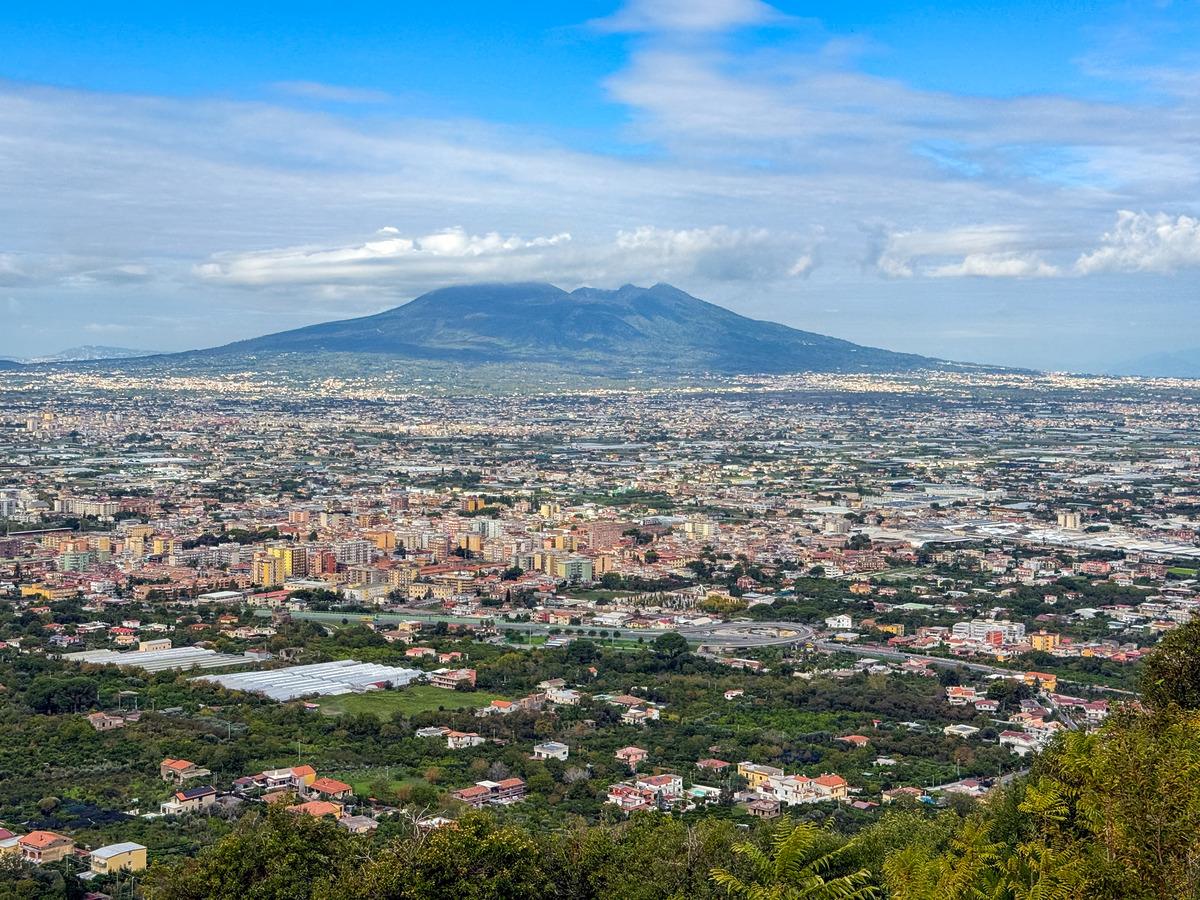
Mount Vesuvius is the famous volcano overlooking Naples and one of the most unique places to visit in Southern Italy.
The final uphill walk can feel tiring in summer, but the views over Naples and the Bay of Naples are absolutely worth it.
Pompeii
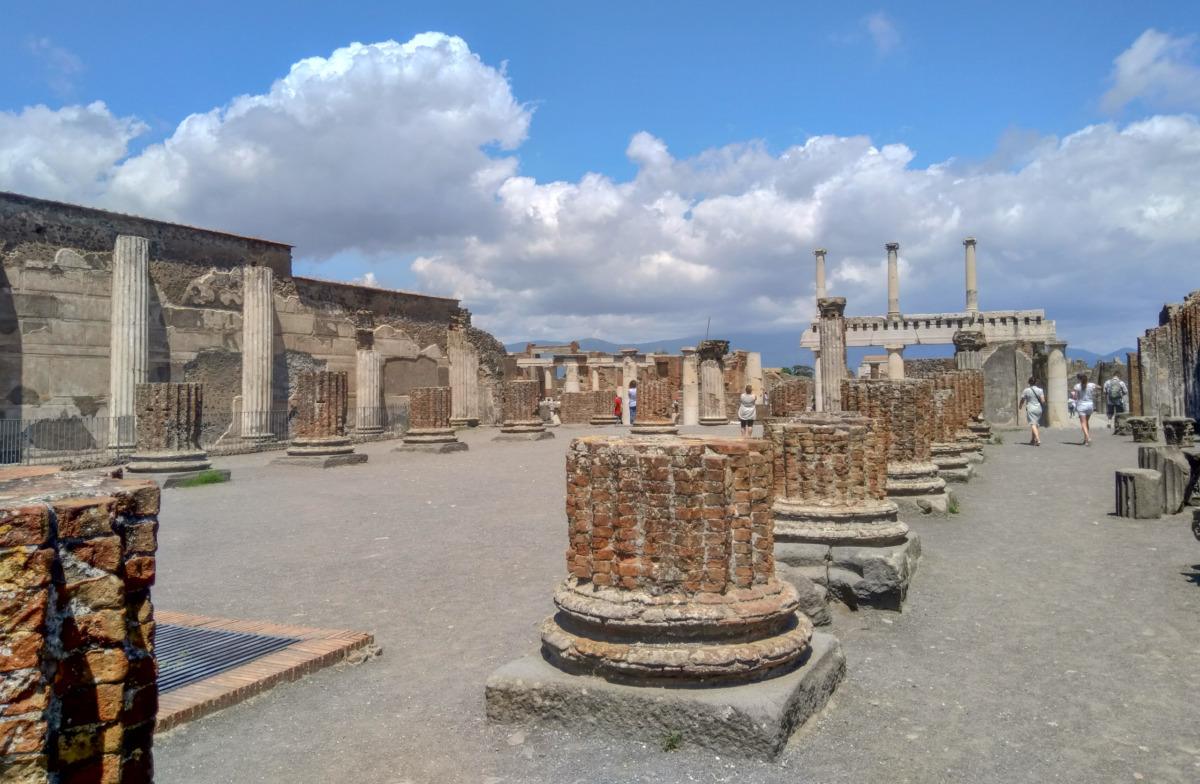
Pompeii is one of the most famous archaeological sites in the world.
Walking through the ancient Roman streets buried by the eruption of Mount Vesuvius feels like stepping back in time.
Herculaneum
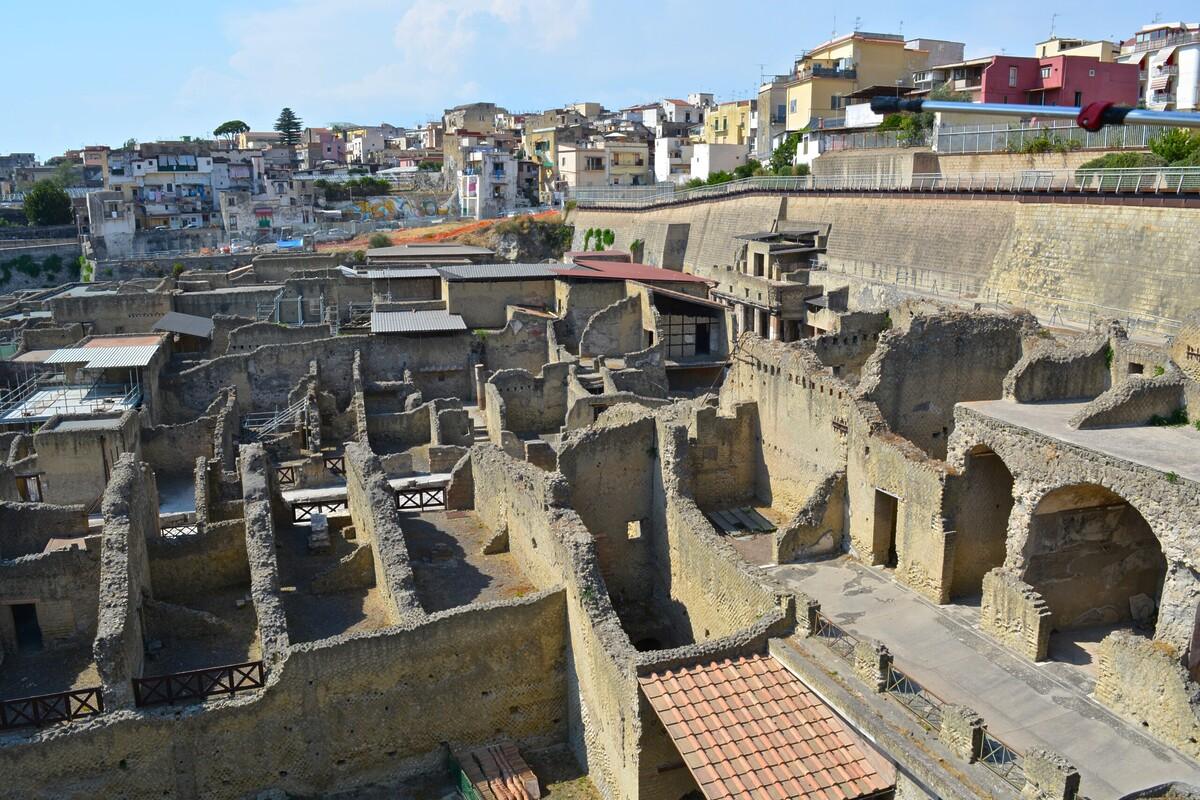
Herculaneum is smaller than Pompeii, but often feels even more preserved.
It’s usually less crowded and easier to explore in a shorter amount of time.
Sorrento
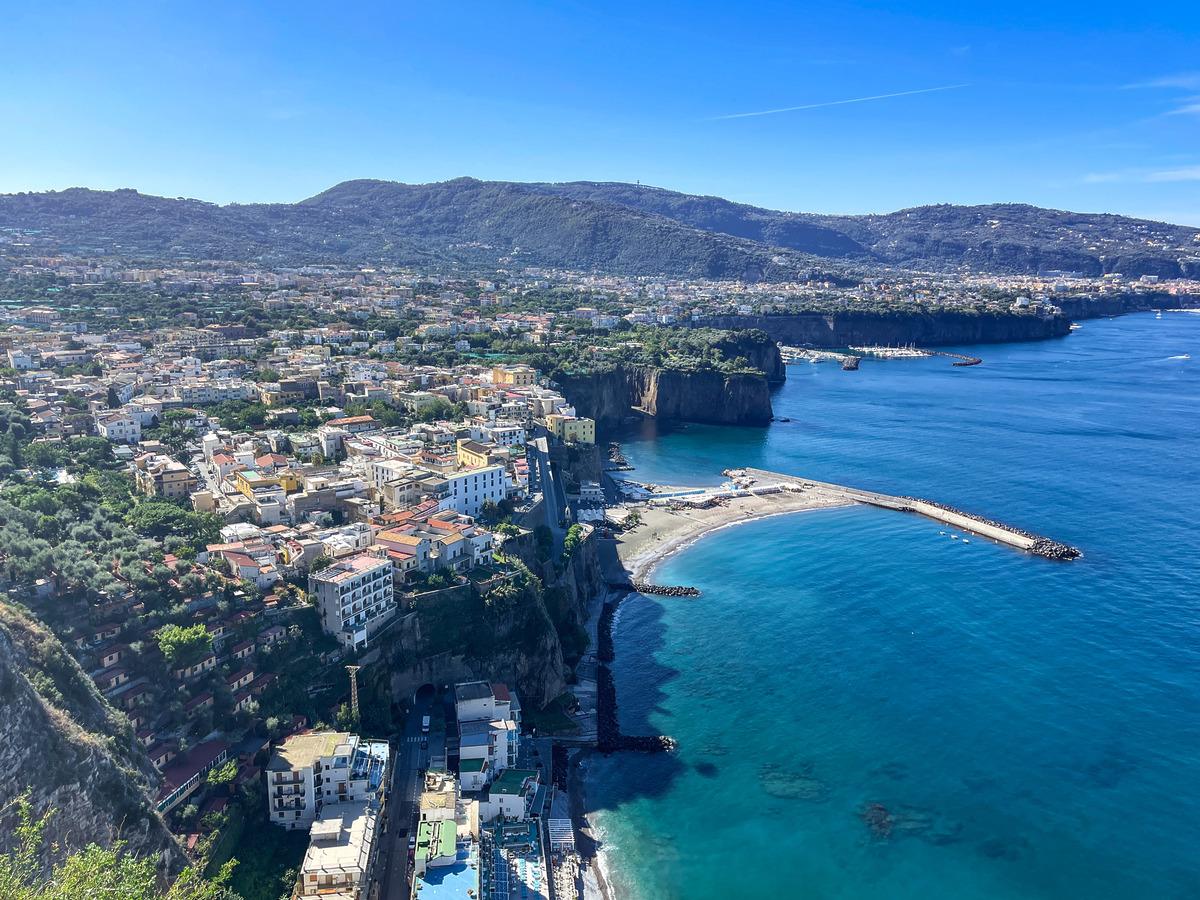
Sorrento is one of the most beautiful and easiest day trips from Naples.
The town is known for its lemon products, sea views, colorful ceramics, and charming old streets full of restaurants and cafés.
Capri
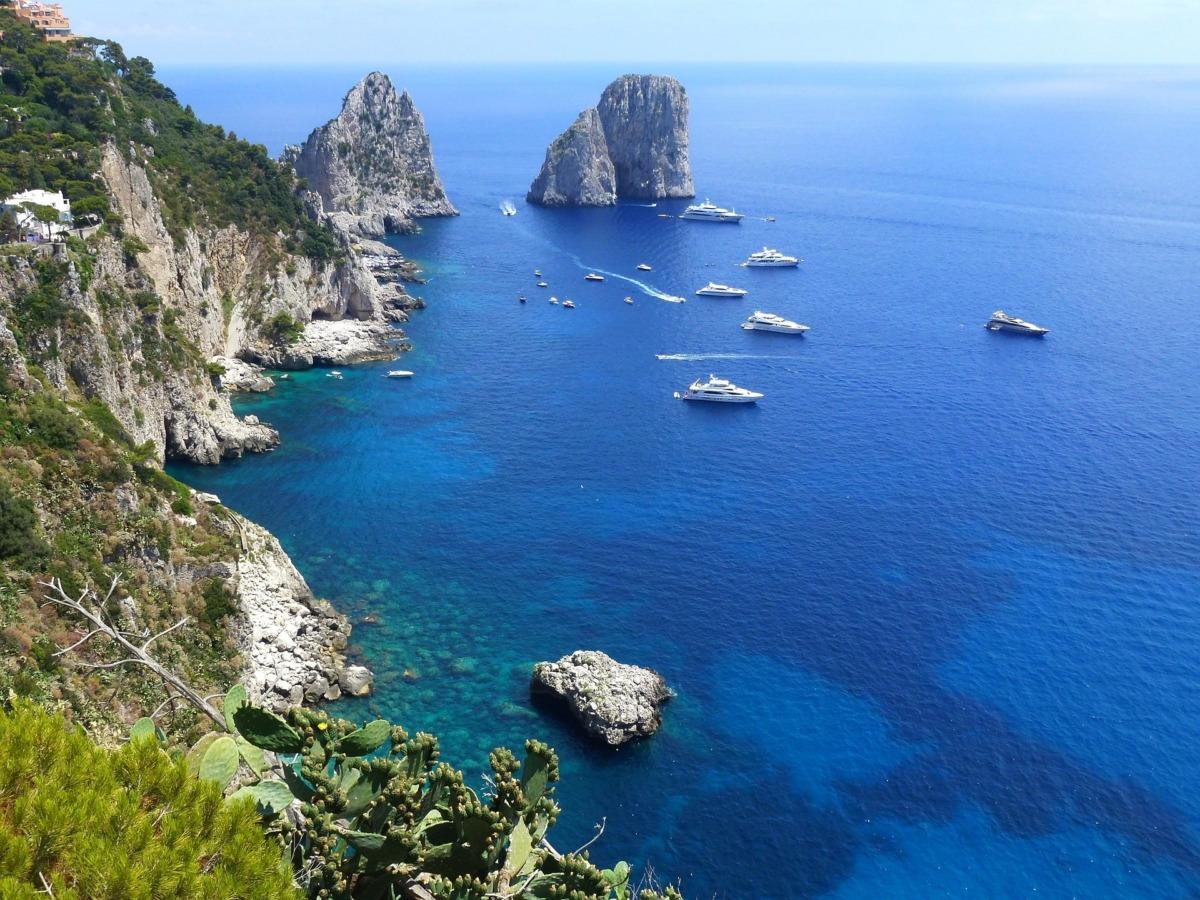
Capri is one of the most famous islands in Italy, known for its dramatic cliffs, turquoise water, luxury atmosphere, and scenic viewpoints.
The island is stunning, but it can also become extremely crowded during summer.
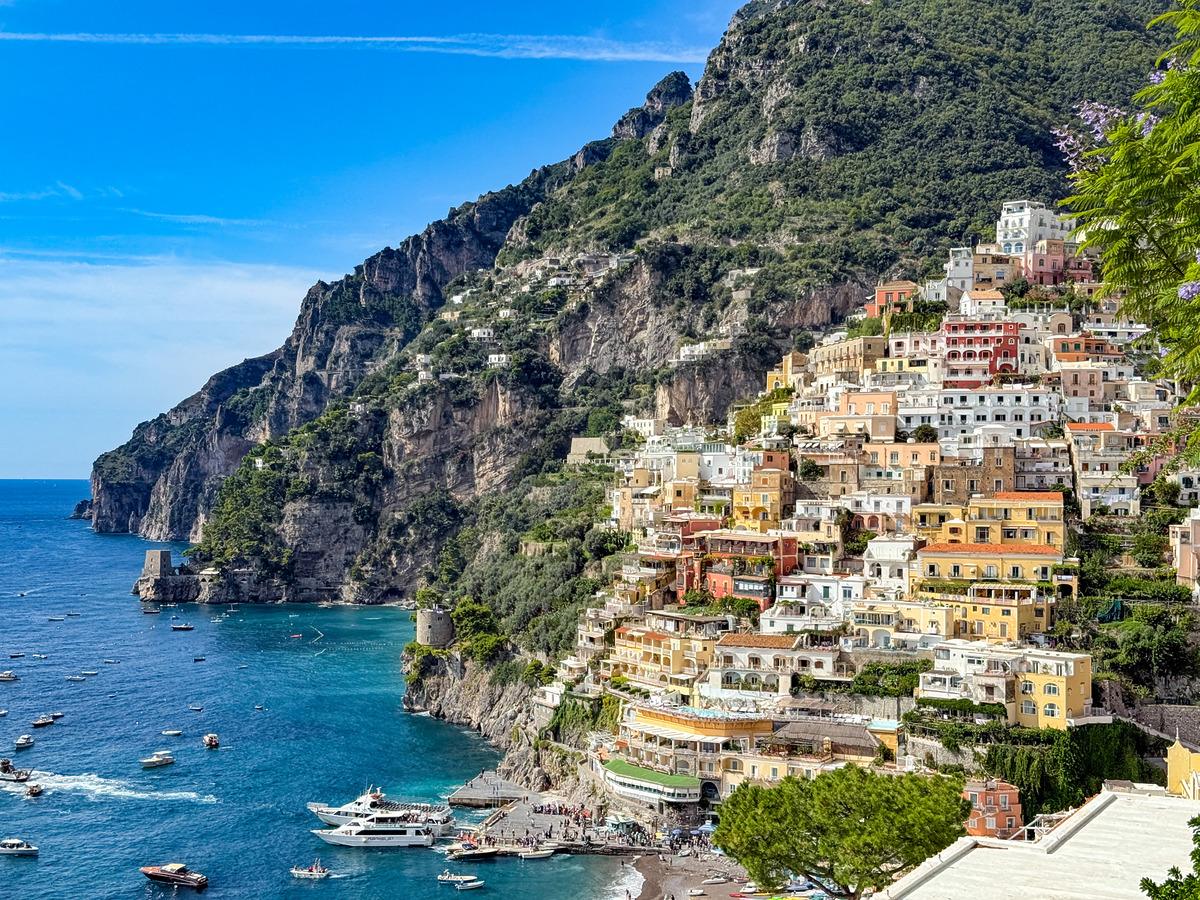
Amalfi Coast
The Amalfi Coast is one of the most breathtaking coastal destinations in Europe.
Colorful towns like Positano and Amalfi cling dramatically to steep cliffs above the sea, creating some of the most beautiful scenery in Italy.
Paestum
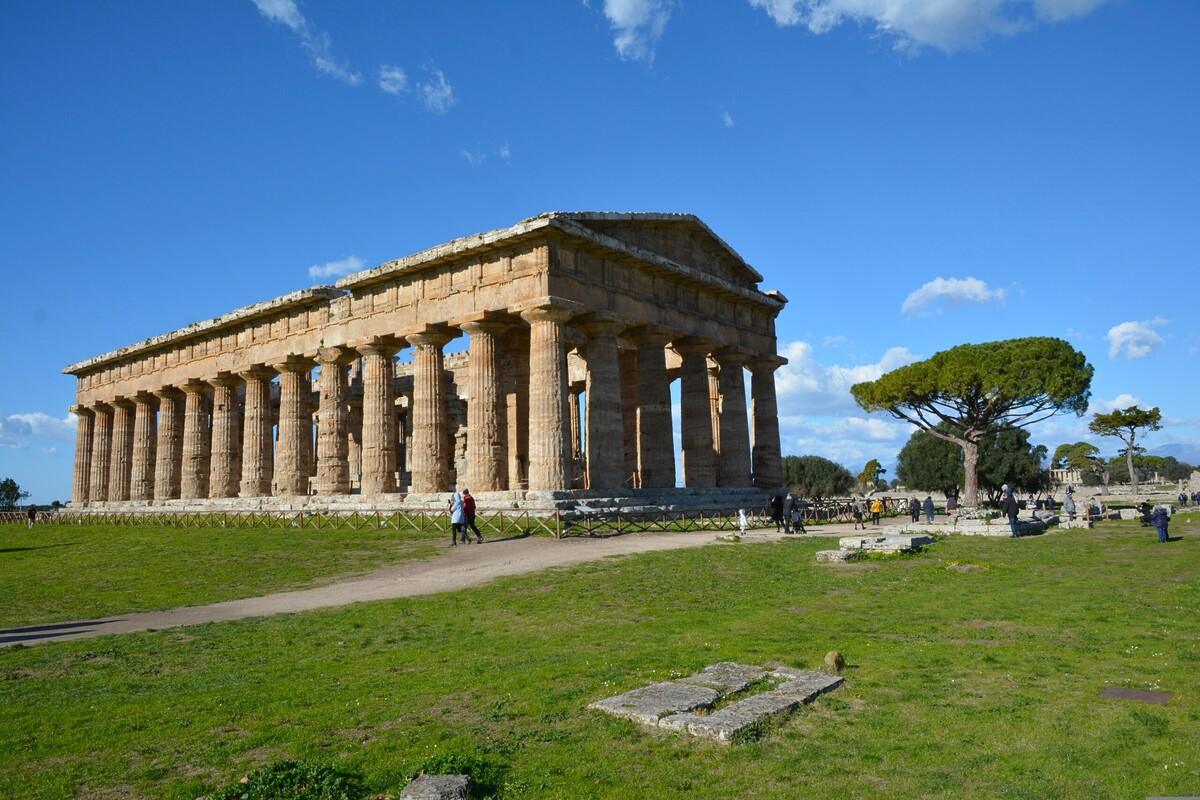
Paestum is famous for its incredibly well-preserved ancient Greek temples.
Compared to Pompeii, it feels much calmer and less touristy. The area is also known for buffalo mozzarella farms.
Caserta
Caserta is best known for the Royal Palace of Caserta, one of the largest royal palaces in Europe.
The enormous gardens, fountains, and grand interiors often surprise visitors with their scale.

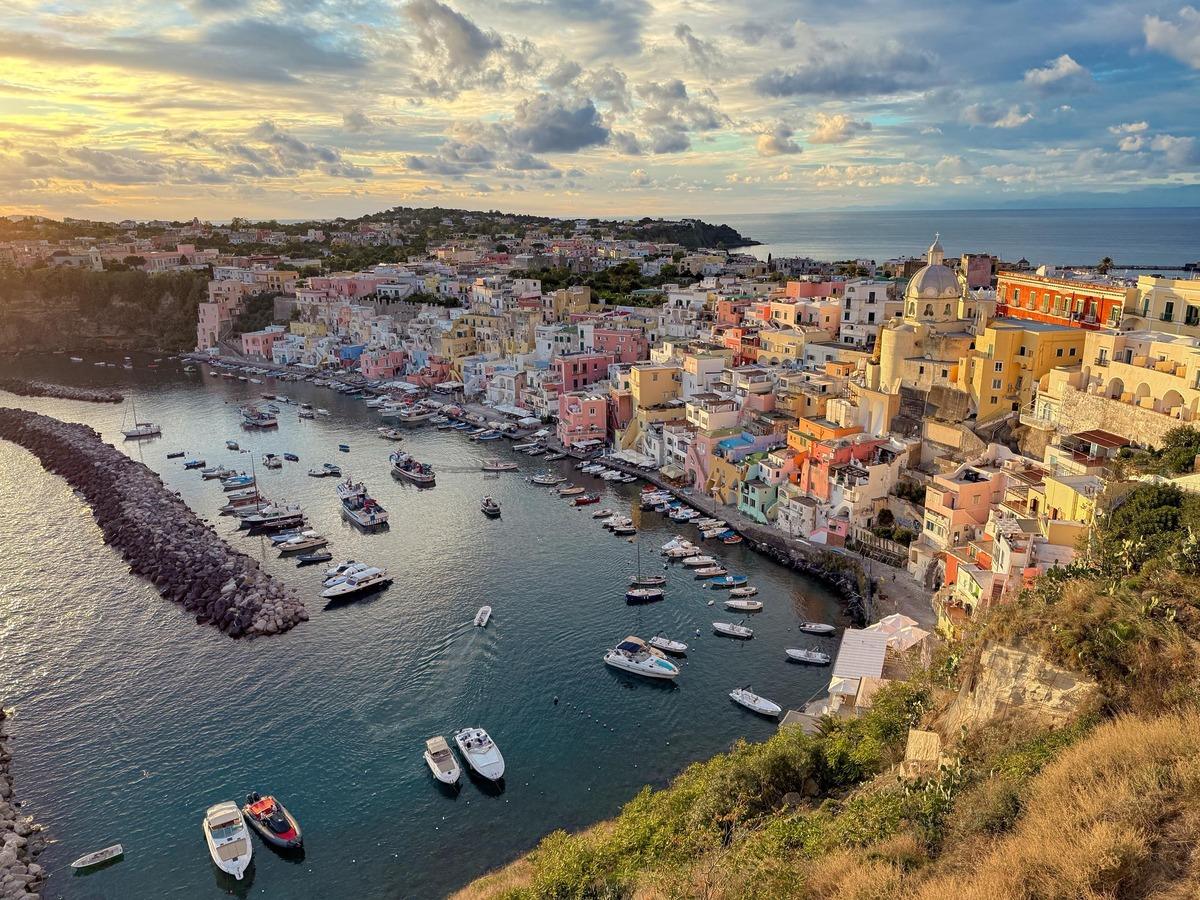
Procida
Procida is a small colorful island near Naples with pastel-colored houses, fishing harbors, and a much calmer atmosphere than the other islands.
The most beautiful area is Marina Corricella.
Ischia
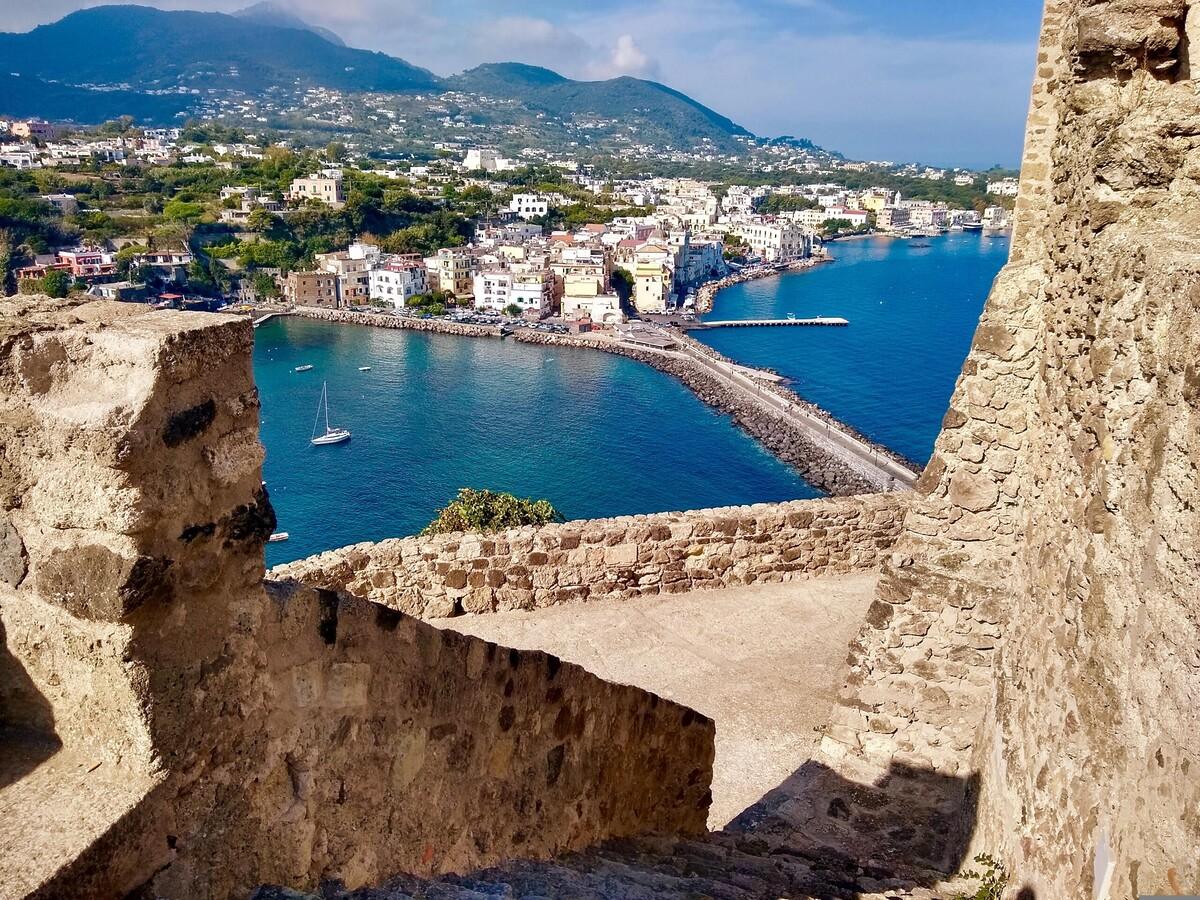
Ischia is the largest island in the Bay of Naples and one of the most underrated destinations near Naples.
Compared to Capri, it feels more authentic and much less touristy, while still offering beautiful beaches, thermal spas, and amazing coastal scenery.
How many days should you spend in Naples?
In my opinion, 2–3 days is the ideal minimum for Naples if you want to see the city properly and also visit places like Pompeii or Mount Vesuvius.
If you also want to explore the Amalfi Coast, Capri, or other nearby destinations, I would recommend at least 3–5 days.
Naples itself is already full of atmosphere, food, and history, but the real magic of this area is also what surrounds the city.
The perfect Naples itinerary
Here’s how I would personally spend 1–3 days in Naples and the surrounding area:
- Day 1: Explore Naples itself, including Castel Sant’Elmo, Castel Nuovo, Piazza del Plebiscito, and the waterfront near Castel dell’Ovo
- Day 2: Take a day trip to Pompeii and continue to Mount Vesuvius
- Day 3: Visit the Amalfi Coast, especially Positano and Amalfi
If you have more time, I would also add Capri, Procida, Sorrento, or Ischia to your itinerary.
Best time to visit Naples
The best time to visit Naples is usually spring or early autumn, especially from April to June and September to October. The weather is warm, the atmosphere is lively, and the crowds are more manageable than in peak summer.
Naples has relatively mild weather almost all year round. I even visited once in January, when temperatures already felt like spring.
If you also want beach weather and swimming, September is probably the best month. July and August are great for the coast, but Naples itself can feel extremely hot and crowded during summer.
How to get to Naples
The easiest way to get to Naples is by plane. Naples International Airport is located very close to the city center, and there are many direct international flights.
Naples is also well connected by train to cities like Rome, Florence, and Milan.
If you’re driving, the A1 highway connects Naples with Northern Italy, while the A3 highway leads toward Southern Italy.
You can also reach Naples by ferry from places like Capri, Ischia, Procida, Sicily, or the Amalfi Coast.
How to get around Naples
The best way to explore central Naples is usually on foot. Most of the main attractions are relatively close to each other, but expect a lot of walking during the day.
Naples also has a metro system, buses, trams, taxis, and ferries for longer distances or day trips.
Personally, I would not recommend driving in central Naples unless you are a very experienced driver. Traffic can feel extremely chaotic, streets are narrow, and parking is often difficult and stressful.
My tip: walk as much as possible in the historic center, then use taxis, ferries, or public transport when needed.
Where to stay in and around Naples
Here are a few places I recommend based on my experience:
- Gold Tower Lifestyle Hotel: A four-star hotel in Naples, offering great prices and reviews
- Hotel & Resort Tre Fontane Luxury: A four-star hotel in Portici, near Naples. One of the top choices in the area, well worth the price
- Domo 20 Hotel & Rooftop: An unrated but roughly equivalent to a four-star hotel with stunning sea views. Located in Vico Equense, south of Naples, on the way to Positano
- Hotel Forum: An affordable four-star hotel in Pompeii

Is Naples safe for tourists?
Yes, Naples is generally safe for tourists, but you should stay aware of scams, pickpockets, and chaotic traffic, especially in crowded areas and near train stations.
Some neighborhoods can feel rougher than in Northern Italy, particularly at night, but most tourists visit Naples without any serious problems.
Personally, I never felt unsafe there, but compared to cities like Milan or Florence, Naples definitely feels more intense and chaotic.
Naples travel costs
Compared to many other popular cities in Italy, Naples is not an especially expensive destination. Flights, public transport, and food are often slightly cheaper than in places like Milan, Venice, or Florence.
However, nearby destinations like the Amalfi Coast or Capri can become quite expensive, especially during summer.
In general, expect:
- Hotels: around €100–250 per night for a good 3–4-star hotel
- Restaurants: around €15–25 per person for a typical meal
- Transport: relatively affordable
Overall, Naples can work well both as a mid-range and lower-budget Italian destination if you plan carefully.
My honest experience in Naples
Naples is probably one of the most “Italian” cities in Italy, if that makes sense. It’s the kind of place where you can truly experience the lively atmosphere, amazing food, rich history, and chaotic energy that many people imagine when they think about Southern Italy.
Personally, Naples itself is not my favorite Italian city, but the surrounding area, especially the Amalfi Coast, is one of my favorite places in Europe. I love the atmosphere, the colorful towns, the energy of the region, and the fact that you can still travel here relatively affordably compared to many other famous places in Italy.
I was also nervous before visiting Southern Italy for the first time about 10 years ago. I had heard so many negative things about the traffic and safety. Looking back, I worried for nothing, because some of my best travel experiences ever came from this region.
So if you’re hesitating about visiting Naples, I honestly think you shouldn’t. If you already have some travel experience and want a more authentic side of Italy, Naples and Campania are among the best choices you can make.
Naples travel guide: Final thoughts
I hope this Naples travel guide helped answer your biggest questions and made planning your trip a little easier.
I tried to cover the most important things to know before visiting Naples, including the best places to visit, travel tips, transportation, safety, costs, and what to realistically expect from the city and the surrounding region.
If you want even more inspiration, make sure to check my other Southern Italy guides as well, especially my Amalfi Coast articles.
And if Naples inspired you too, don’t overthink it too much. Book the trip, prepare for something a little different, and enjoy one of the most unforgettable regions in Italy.

Hi, I’m Adri, the author of ItalianWanderlust.com and TravelTipZone.com. I’ve been traveling for over 10 years and have been a travel blogger since 2022.
Every year I spend several weeks exploring Italy, the country that always has a special place in my heart.
Through my travel guides and tips, I hope to inspire you to discover the authentic Italy and enjoy your own Italian adventures.


