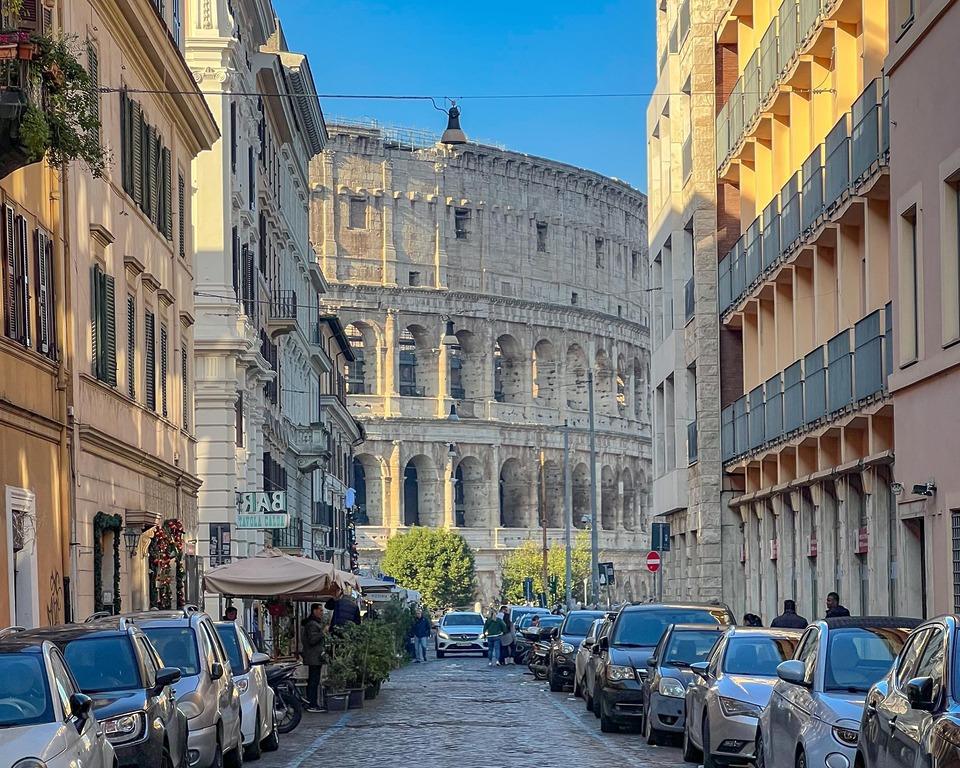

Rome is one of the most famous cities in the world and one of the most visited destinations in Europe. Home to ancient Roman landmarks, world-famous museums, beautiful piazzas, and incredible food, it’s a place that many travelers dream about visiting.
But planning a trip to Rome is not always as straightforward as it seems. The city is much larger than many first-time visitors expect, the main attractions are spread across different areas, and there is enough to keep you busy for days.
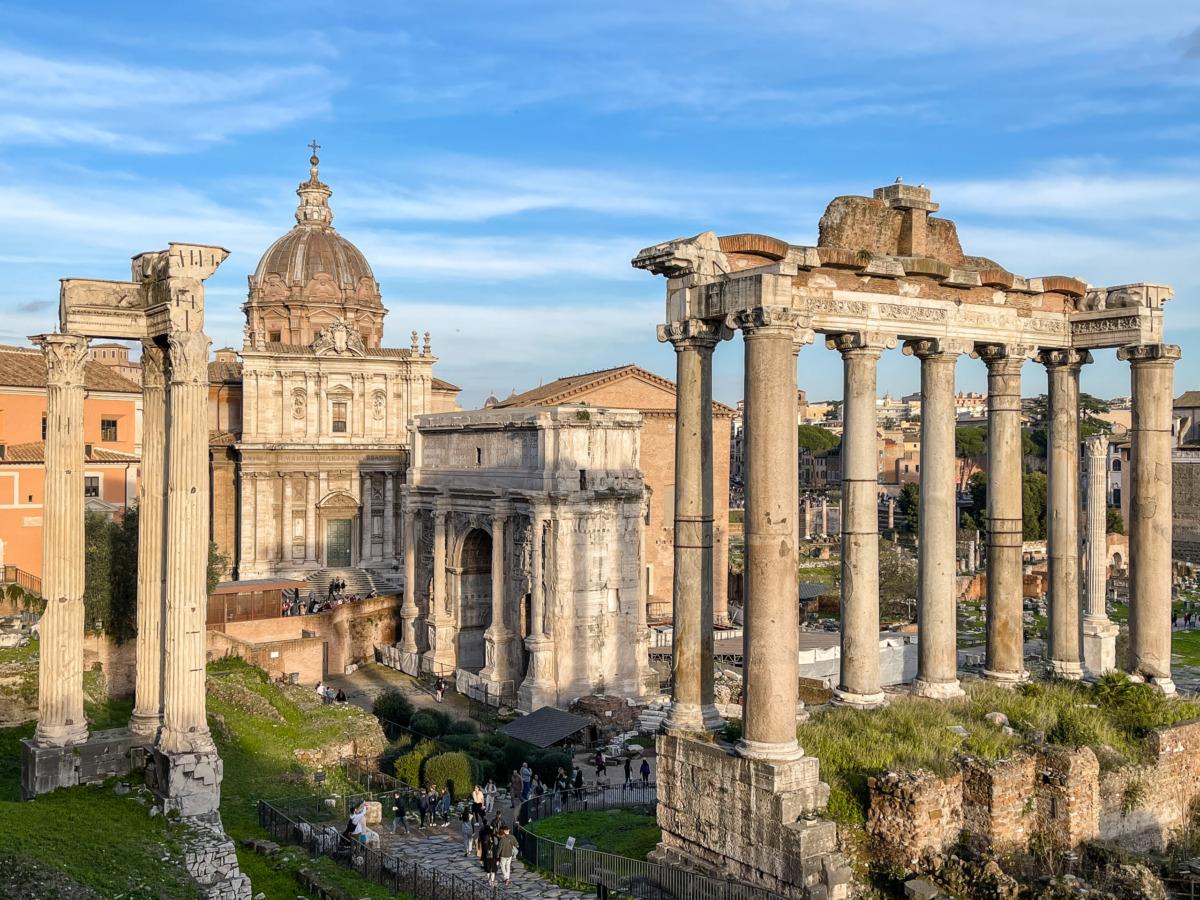
So the same questions always come up: How many days should you spend in Rome? Is 2 days enough? Do you need 3, 4, or even 5 days? And how does Rome fit into a longer Italy itinerary?
I’ve visited Rome several times over the years, both as a short city break and as part of longer Italy trips. With more than 10 years of travel experience, I’ll help you make a realistic decision.
Ready to travel to Rome?
Here are my quick tips on what to book for your trip:
Best places to stay in Rome:
Best things to do:
In this guide, you’ll see what you can realistically fit into 1, 2, 3, 4, or 5 days and which option makes the most sense for your travel style.
This is not a strict day-by-day itinerary. It’s a practical guide to help you decide how long to stay, whether Rome is your main destination or just one stop on a larger Italy trip.
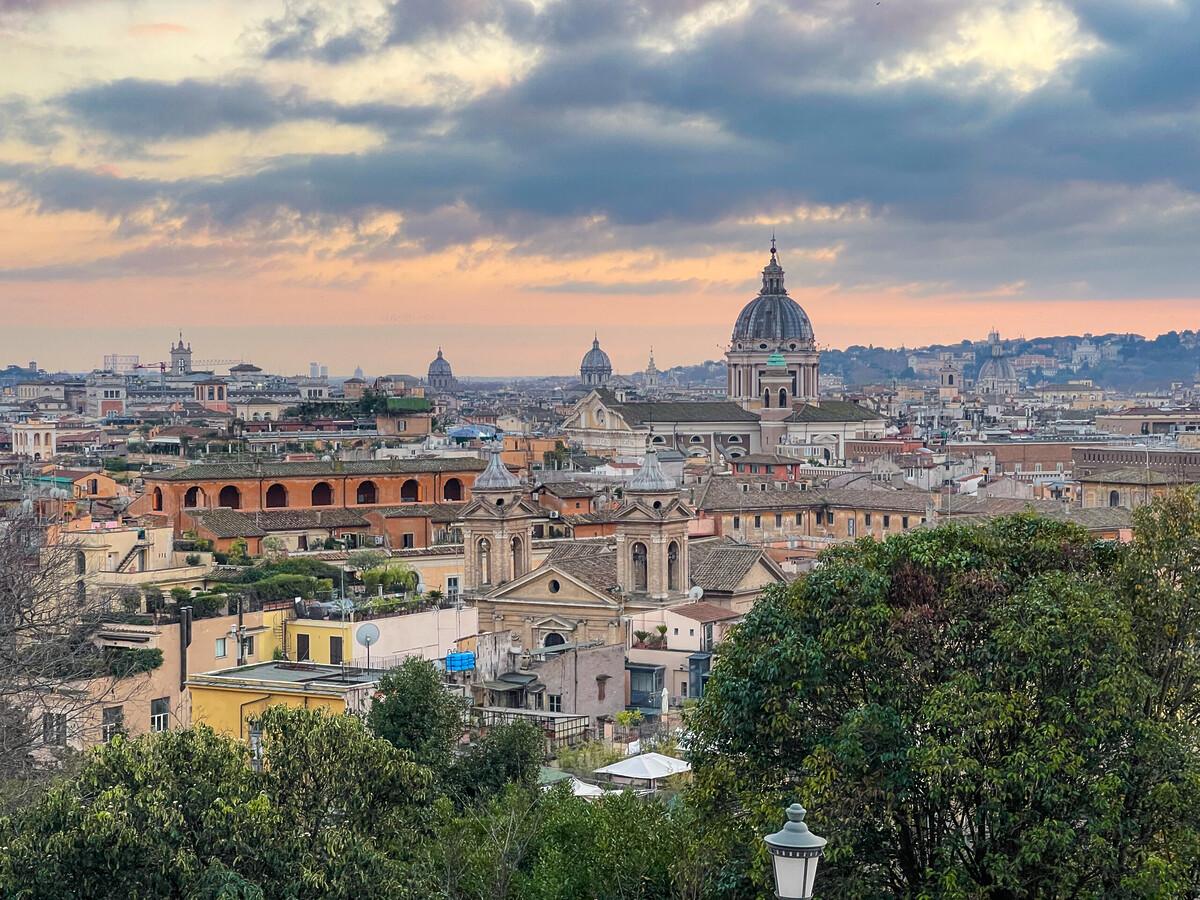
First, I’ll give you a short and clear answer. Then I’ll go through the most common questions, and finally, I’ll show you what each trip length really looks like in real life.
Quick answer: How many days in Rome?
How should you decide how many days to spend in Rome?
Short answer:
- 1 day: Enough if you only want to see the most famous landmarks, such as the Colosseum, Trevi Fountain, and Pantheon.
- 2–3 days: The best option for most travelers. You’ll have enough time to visit the main attractions, explore different neighborhoods, and enjoy the atmosphere of the city.
- 4–5 days: Ideal if you want a more complete Rome experience. You’ll be able to see all the major highlights, visit places like the Vatican without rushing, discover a few hidden gems, and enjoy Rome’s restaurants, cafés, and bars at a slower pace.
How many days should you spend in Rome? My personal opinion
The short answer above is a good starting point, but based on my experience, I’d plan a bit more time if you can.
One day is not really enough for Rome. You can see 2–3 of the main attractions, but not much more.
Two days are better, but I still don’t think it’s enough.
Personally, I recommend at least 3 days. That’s the minimum amount of time needed to see the main highlights without rushing too much.
If you can spend 4 or 5 days in Rome, even better. You’ll have time to visit some lesser-known places, learn more about the city’s history and culture, and actually enjoy wandering through the streets, squares, restaurants, gelato shops, and bars.
Personally, I almost always plan 3 or 4 days, even after visiting multiple times. There’s simply so much to see.
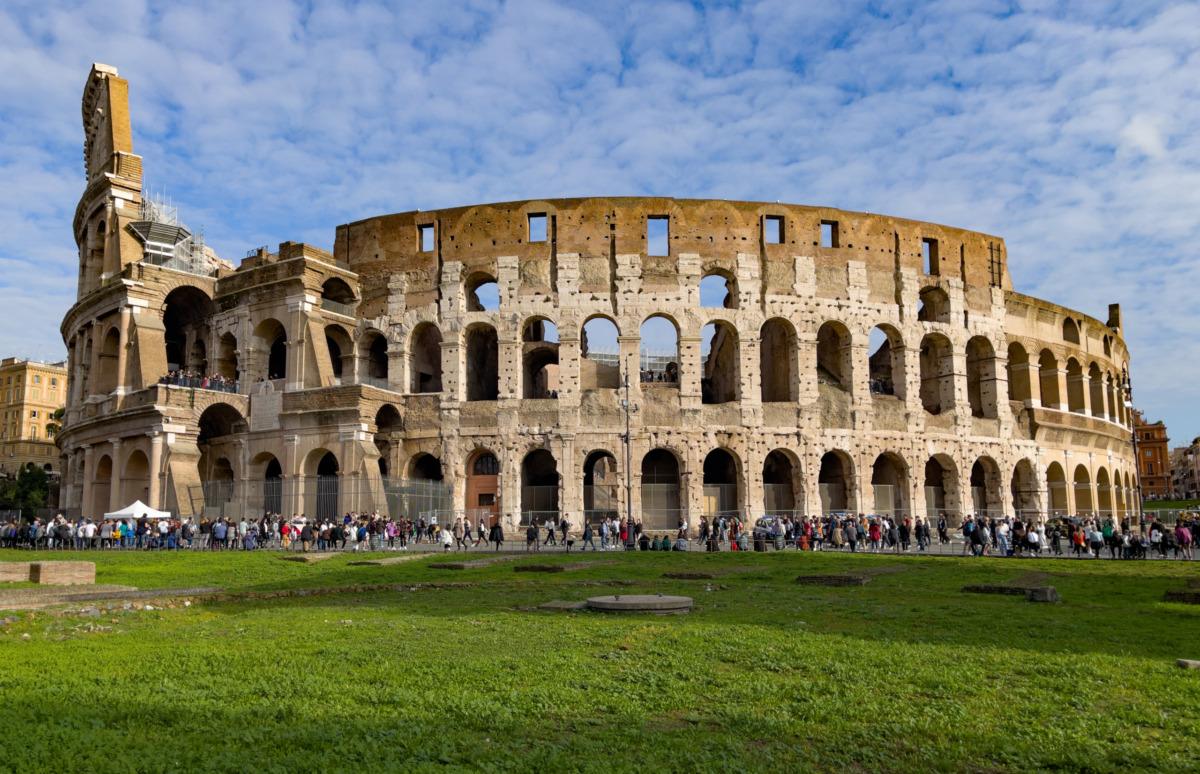
Overview of a 1 to 5-day Rome itinerary
Below, I’ll show you how I would spend 1, 2, 3, 4, or 5 days in Rome based on my own experience:
- Day 1: Colosseum, Roman Forum, Palatine Hill, and Altare della Patria
- Day 2: Pantheon, Piazza Navona, Trevi Fountain, Spanish Steps, and Villa Borghese
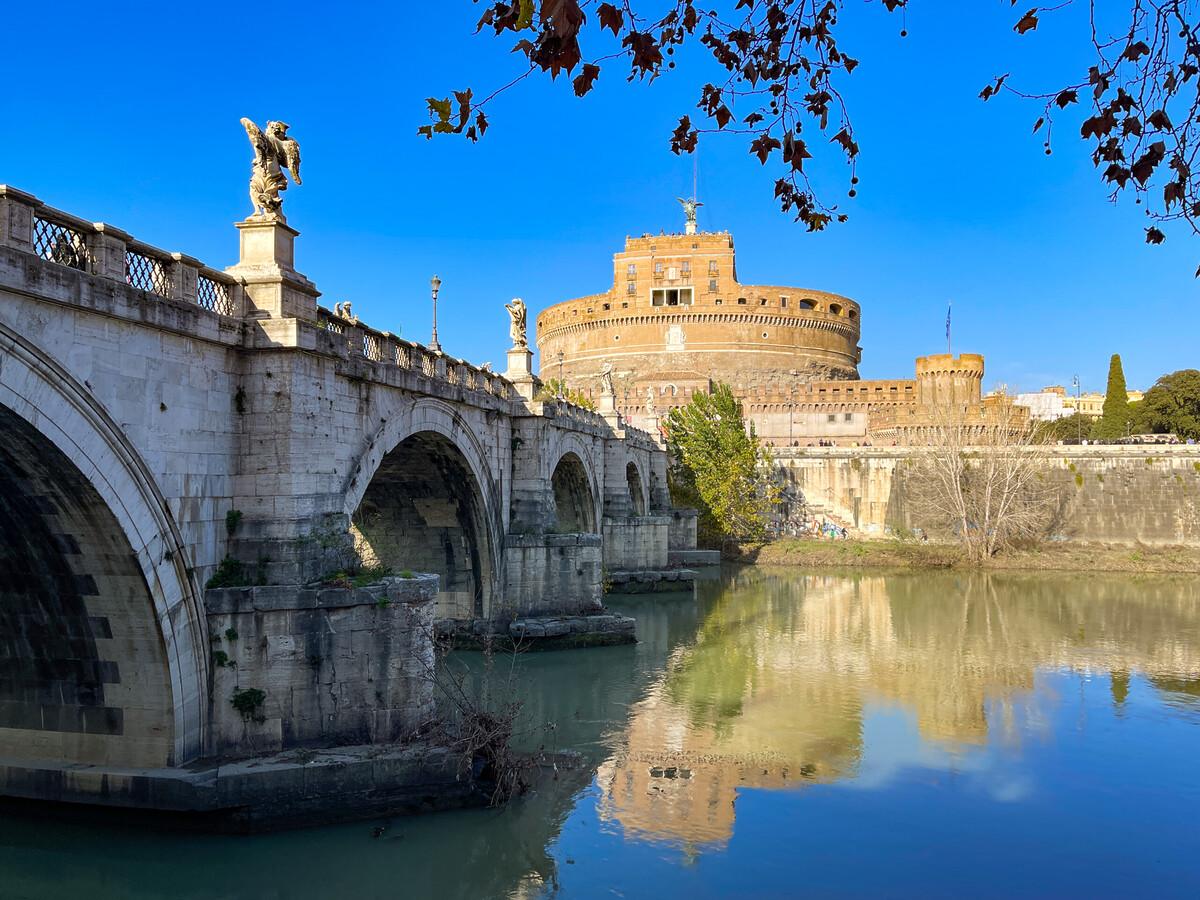
- Day 3: Vatican City, St. Peter’s Basilica, the Vatican Museums, and Castel Sant’Angelo
- Day 4: Trastevere, the Catacombs, Baths of Caracalla, Piazza del Popolo, and other attractions you may have missed
- Day 5: Day trip to Tivoli or Orvieto
If you have less time, you can combine some of these days, but expect a much busier schedule.
If you have more time, I would consider adding another destination, such as Florence or Naples.
Frequently asked questions about visiting Rome
Let’s take a look at some of the most common questions that come up when planning a trip to Rome:
Is Rome worth visiting?
Absolutely.
Rome is one of the most famous cities in the world and one of the most impressive destinations in Italy. Between the ancient ruins, famous landmarks, beautiful piazzas, and incredible food, there is enough to keep most visitors busy for several days.
Personally, I think Rome is one of the places everyone should visit at least once.
How to get to Rome
The easiest way to get to Rome is by plane. The city is served by two airports, Fiumicino and Ciampino, and both are well connected to the city center.
Rome is also easy to reach by train from cities like Florence, Naples, Milan, and Venice.
If you’re driving, Rome is connected to the rest of Italy through major highways like the A1. However, driving into central Rome is usually not recommended because of traffic, parking difficulties, and ZTL restrictions.
Rome can also be reached by cruise ships through Civitavecchia Port, which is one of the busiest cruise ports in Europe and located about an hour from the city center.
How to get around Rome
Getting around Rome is relatively simple, but you should expect a lot of walking.
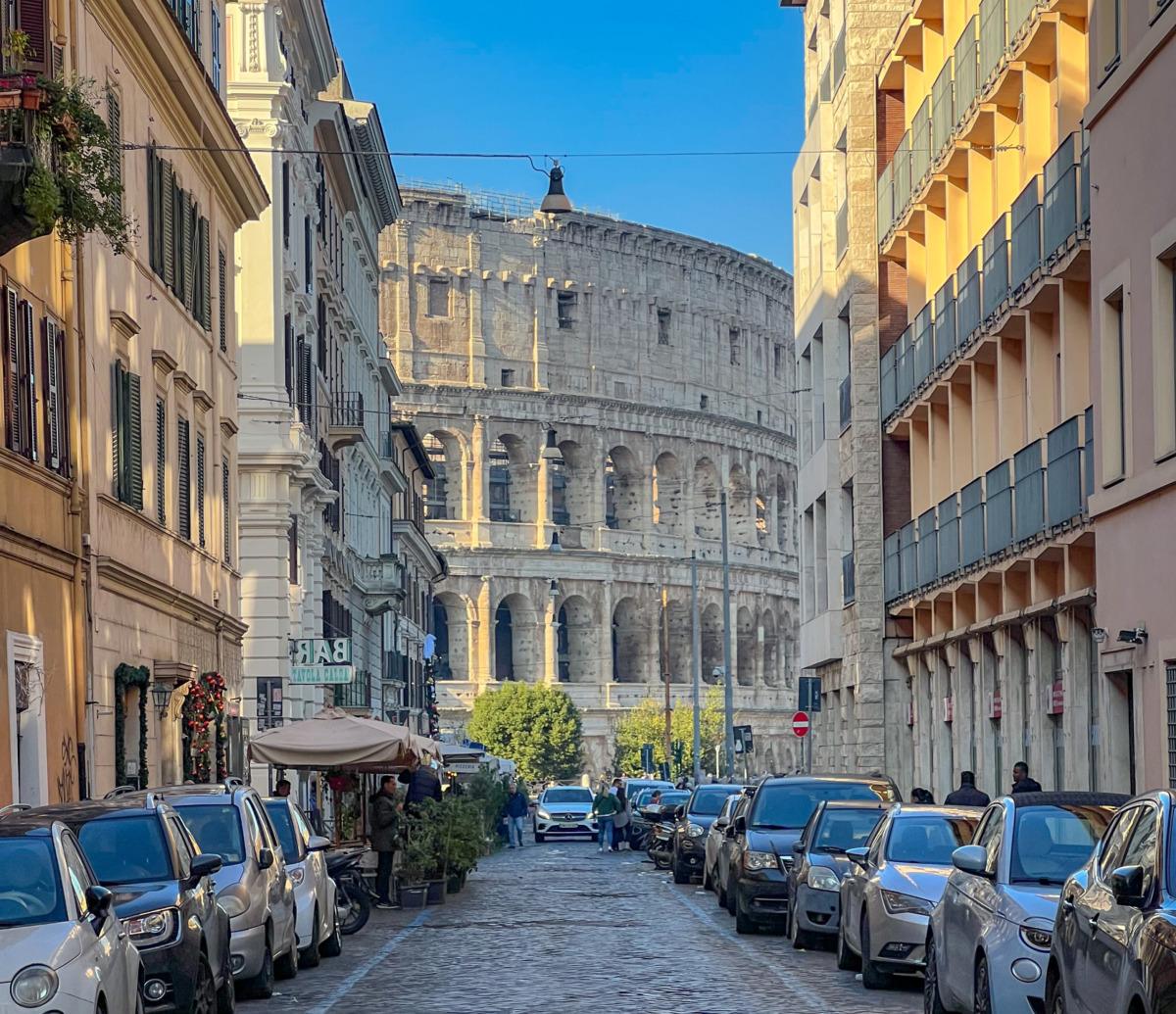
Many of the main attractions are located surprisingly close together, so the best way to explore Rome is usually on foot. However, once you start visiting places like the Colosseum, the Vatican, Trevi Fountain, and Trastevere, the kilometers add up quickly.
Rome also has a metro system, buses, trams, taxis, and trains for longer distances.
By car
Personally, I would not recommend driving in central Rome. Traffic can be stressful, parking is difficult, and Rome has strict ZTL (limited traffic zone) rules. Entering one of these restricted areas by mistake can easily result in expensive fines.
We actually learned this the hard way years ago when we accidentally drove into restricted areas and received three fines in a single day because we missed the signs.
My tip: walk as much as possible, then use public transport or taxis when needed.
If you plan to use public transport frequently, it may also be worth looking into the Roma Pass, which includes unlimited public transport for a fixed period and access to certain attractions.
Where to stay in Rome
If it’s your first visit, I recommend staying close to the historic center or near the main attractions.
However, if you’re traveling by car or want to save money, staying outside the city center is often a much better value.
Here are a few places I recommend:
Best time to visit Rome
The best time to visit Rome is usually spring and autumn, especially from April to June and September to October.
The weather is pleasant, sightseeing is more comfortable, and temperatures are usually much better for walking around the city than during the hottest summer months.
Rome can be visited year-round, and I’ve even enjoyed visiting during winter. However, July and August can be extremely hot, and since exploring Rome involves a lot of walking, the heat can make sightseeing much more tiring.
Personally, if I could choose only one period, I would visit Rome in spring or autumn.
Is Rome expensive?
Yes, Rome can be quite expensive, especially if you stay near the main attractions.
Hotels in central Rome are often among the most expensive in Italy, and prices can increase significantly during spring, summer, and major holidays.
In general, expect:
- Hotels: around €150–400+ per night for a good 3–4-star hotel in a central location
- Restaurants: around €20–40 per person for a typical meal
- Attractions: many of Rome’s most famous sights require paid tickets
- Public transport: relatively affordable
If you want to save money, I recommend staying outside the historic center and booking your accommodation as early as possible.
Best things to do in Rome
Here are some of the best things to do in Rome:
- Visit the Colosseum
- Explore the Roman Forum and Palatine Hill
- See the Vatican Museums and St. Peter’s Basilica
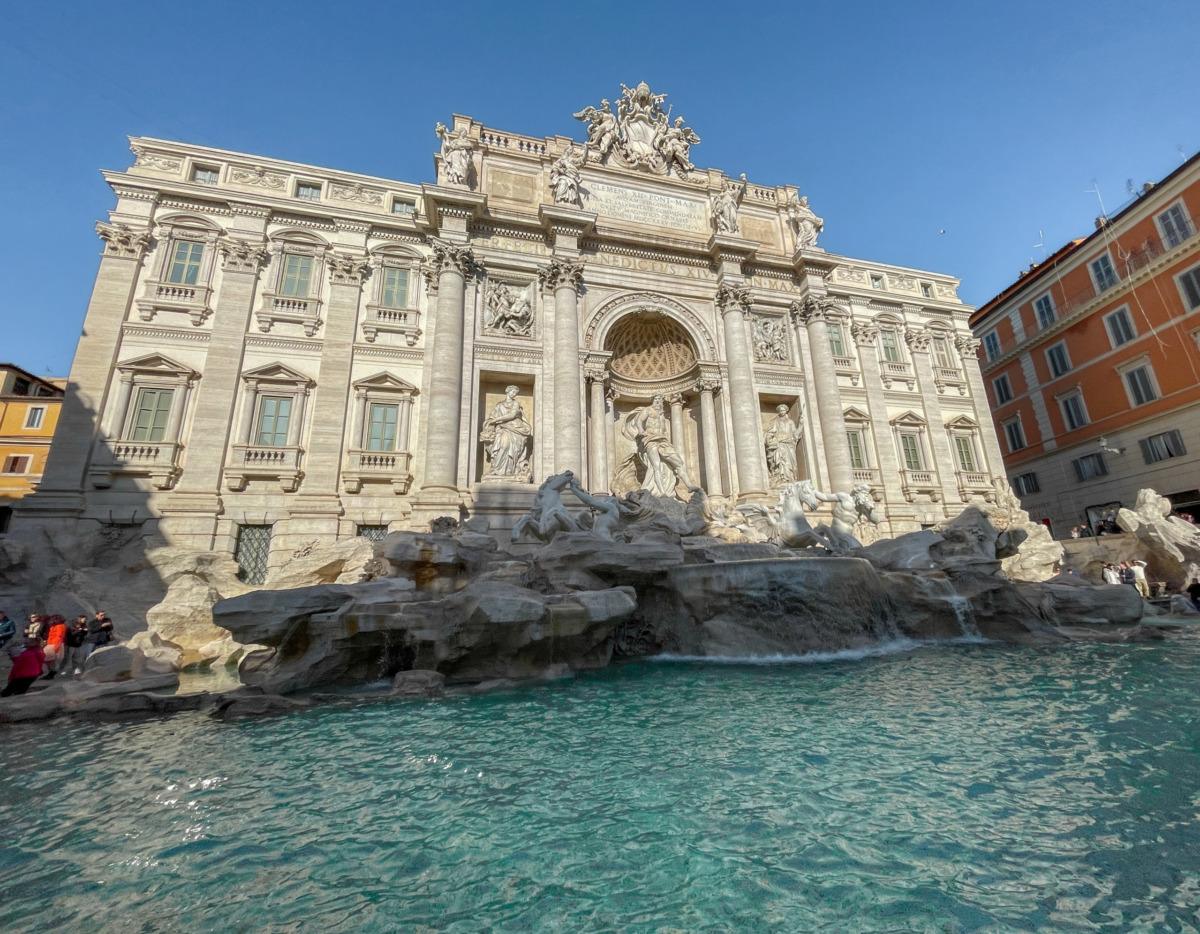
- Throw a coin into the Trevi Fountain
- Visit the Pantheon
- Walk through Trastevere
- Relax in Villa Borghese
- Explore Piazza Navona and the Spanish Steps
- Enjoy the views from Altare della Patria
- Visit Castel Sant’Angelo
After the basic questions, let’s take a look at the itineraries for each day:
How many days in Rome? Rome itinerary for 1, 2, 3, 4, and 5 days
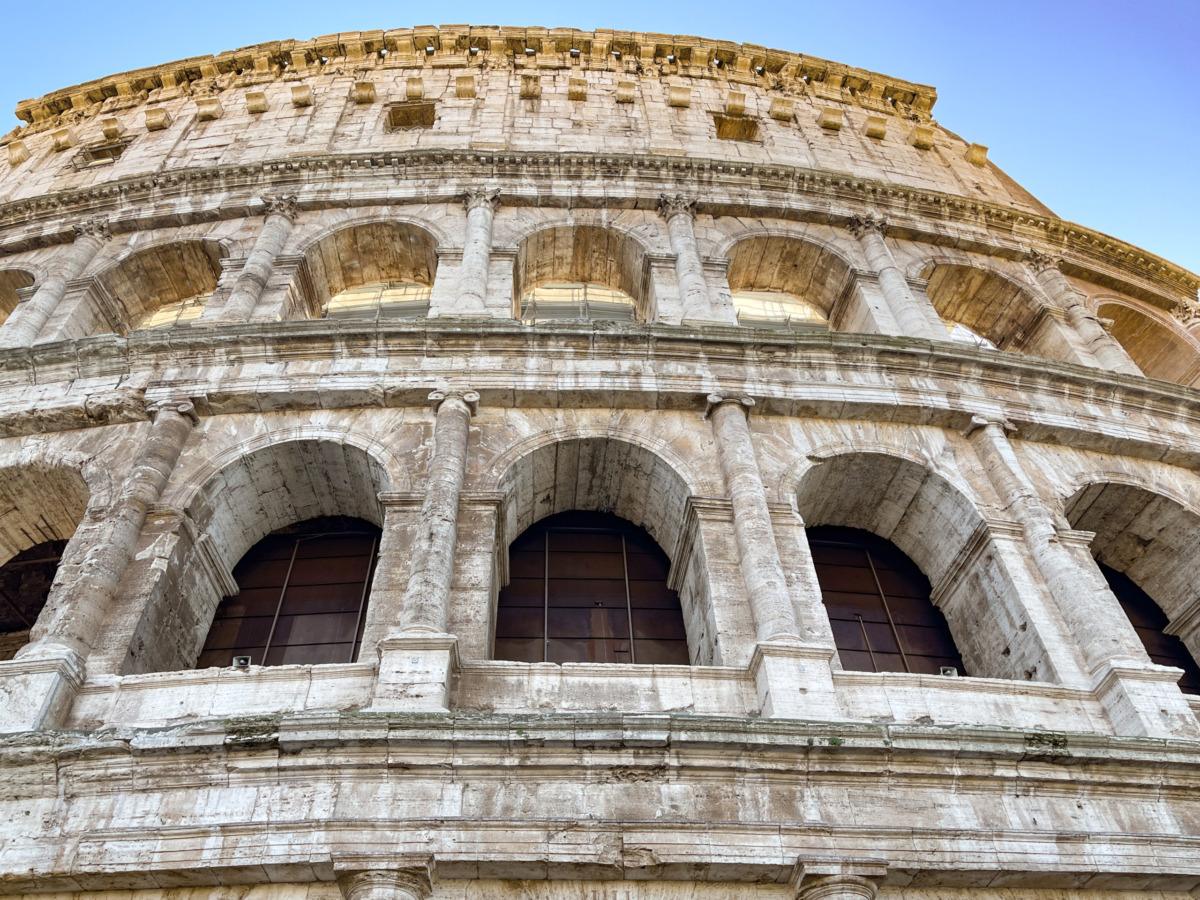
1 day in Rome: Colosseum, Roman Forum, Pantheon, Trevi Fountain, and Spanish Steps
If you only have one day in Rome, expect a very busy day.
Rome is simply too large to see properly in 24 hours, so I recommend focusing on the absolute highlights and keeping your visits relatively short.
Start your morning at the Colosseum, then take a short walk through the Roman Forum. Even a brief visit will give you a good impression of Ancient Rome.
After lunch, head into the historic center. The Pantheon, Trevi Fountain, and Spanish Steps are all located within walking distance of each other, making them easy to combine in one afternoon.
You won’t see everything, but you’ll leave with a good first impression of Rome.
2 days in Rome
Day 1: Colosseum, Roman Forum, Palatine Hill, Altare della Patria, and Vatican City
With two days in Rome, you can spend more time exploring Ancient Rome.
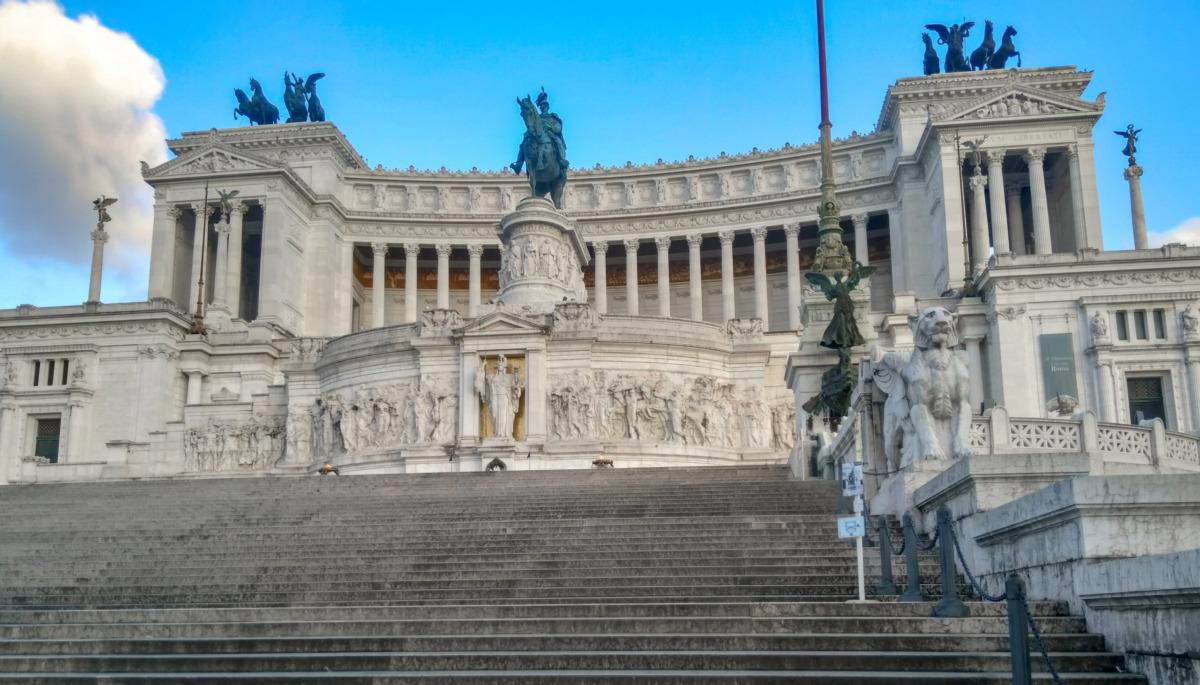
Visit the Colosseum, Roman Forum, and Palatine Hill properly, then continue to Altare della Patria. I highly recommend going up to the terrace, which offers some excellent views over the city.
Later in the day, head to Vatican City. With only two days available, I would keep this visit fairly short and focus on St. Peter’s Square and the surrounding area rather than spending hours inside the Vatican Museums.
Day 2: Pantheon, Piazza Navona, Trevi Fountain, Spanish Steps, and Villa Borghese
Spend your second day exploring the heart of Rome.
The Pantheon, Piazza Navona, Trevi Fountain, and Spanish Steps are among the city’s most famous attractions and are all easy to combine on foot.
If you still have time, finish the day in Villa Borghese. After two days of sightseeing, the park is a nice place to slow down and enjoy a different side of Rome.
3 days in Rome
If you have three days in Rome, this is where the city starts to feel much more comfortable.
Day 1: Colosseum, Roman Forum, Palatine Hill, and Altare della Patria
Use your first day to explore Ancient Rome. These are some of the most important historical sites in Italy, and they easily deserve a full day.
Day 2: Pantheon, Piazza Navona, Trevi Fountain, Spanish Steps, and Villa Borghese
Spend your second day wandering through Rome’s historic center.
One of the things I enjoy most about Rome is that some of the best moments happen between the attractions rather than at them. This is the perfect day to slow down, stop for a coffee or gelato, and enjoy the atmosphere of the city.
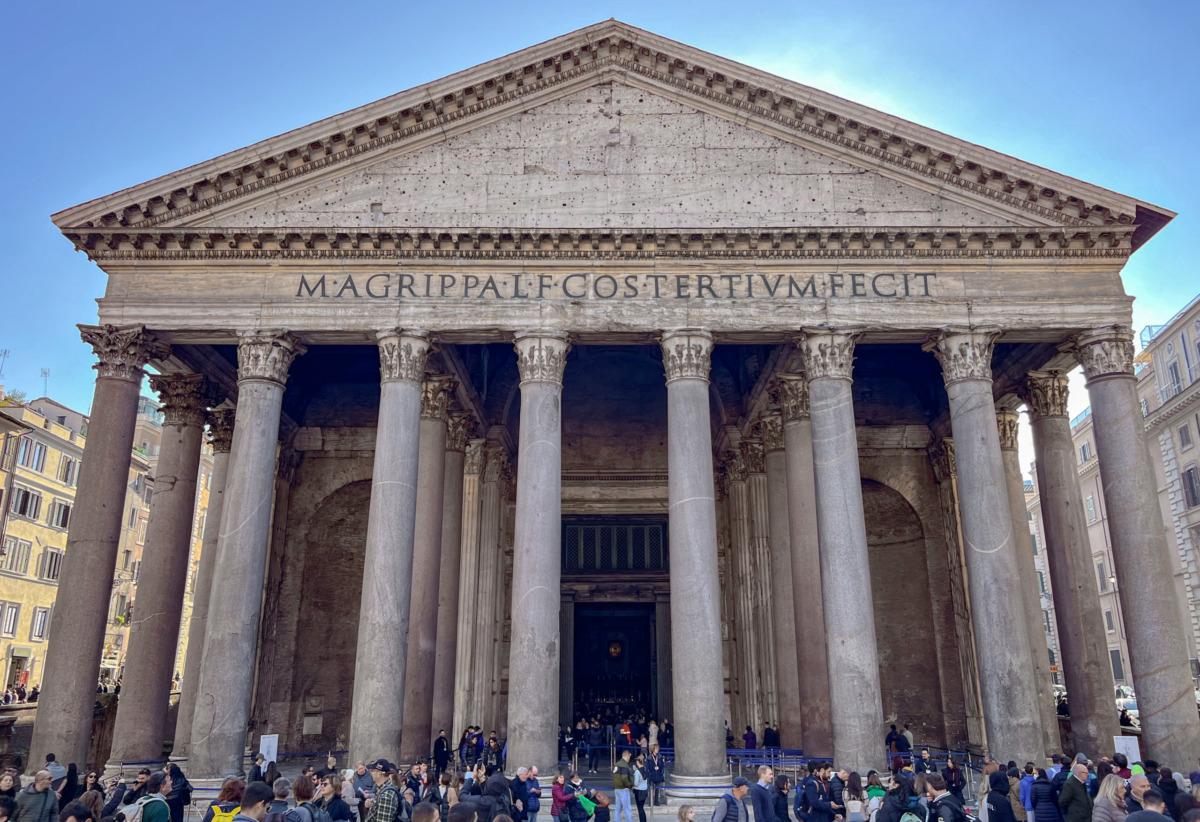
Day 3: Vatican City, St. Peter’s Basilica, the Vatican Museums, and Castel Sant’Angelo
Dedicate your third day to Vatican City and the surrounding area.
The Vatican Museums are much larger than most visitors expect, and together with St. Peter’s Basilica and Castel Sant’Angelo, they can easily fill an entire day.
Personally, I think three days is the minimum amount of time needed to properly experience Rome.
4 days in Rome
Day 1–3
Follow the itinerary above.
Day 4: Trastevere, the Catacombs, Baths of Caracalla, Piazza del Popolo, and other attractions you may have missed
A fourth day allows you to move beyond the main tourist attractions.
Start in Trastevere, one of the most atmospheric neighborhoods in Rome, before visiting places like the Catacombs or the Baths of Caracalla.
Later, head to Piazza del Popolo and Terrazza del Pincio, one of my favorite viewpoints in the city.
This is also a good day to revisit a favorite area or see attractions you didn’t have time for earlier.
5 days in Rome
Day 1–4
Follow the itinerary above.
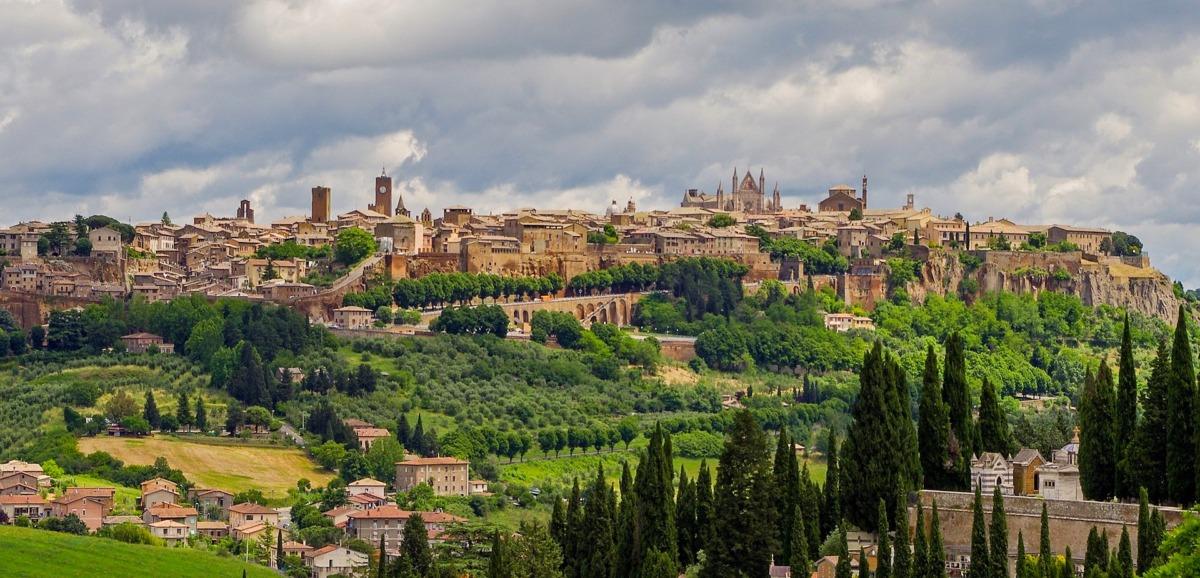
Day 5: Day trip to Tivoli or Orvieto
With five days available, I would spend one day outside Rome.
Tivoli is famous for Villa d’Este and Villa Adriana and is one of the easiest day trips from the city.
Orvieto is another excellent option, offering beautiful views, charming streets, and one of the most impressive cathedrals in Italy.
Personally, I would choose Tivoli for a first visit, but both destinations are well worth adding to your Rome itinerary.
And with that, we’ve reached the end of this 1-, 2-, 3-, 4-, and 5-day Rome itinerary.
Before the end of this guide, I just want to highlight one more thing: Rome is much more than its famous landmarks.
The Colosseum and Vatican are incredible, but some of the best experiences come from simply exploring the city, getting lost in its historic streets, and enjoying the atmosphere that makes Rome one of the most fascinating destinations in Europe.
I hope this guide gave you clear ideas and practical help to decide how many days to spend in Rome and how to make the most of your time in the city.
Whether you’re planning a quick city break or a longer Italy itinerary, Rome is one of those destinations that rarely disappoints. There is simply so much history, culture, food, and atmosphere packed into one place.
If you’re planning a bigger Italy trip, don’t miss my other Italy guides. I share my personal routes, practical tips, and the places I genuinely think are worth visiting.
And once your itinerary is ready, don’t wait too long. The best hotels, tours, and attraction tickets often sell out well in advance, especially during spring and autumn.
Book your stay, secure your tickets, and start planning your trip. Rome is one of the most fascinating cities in Europe, and it’s a place I always look forward to visiting again.

Hi, I’m Adri, the author of ItalianWanderlust.com and TravelTipZone.com. I’ve been traveling for over 10 years and have been a travel blogger since 2022.
Every year I spend several weeks exploring Italy, the country that always has a special place in my heart.
Through my travel guides and tips, I hope to inspire you to discover the authentic Italy and enjoy your own Italian adventures.


