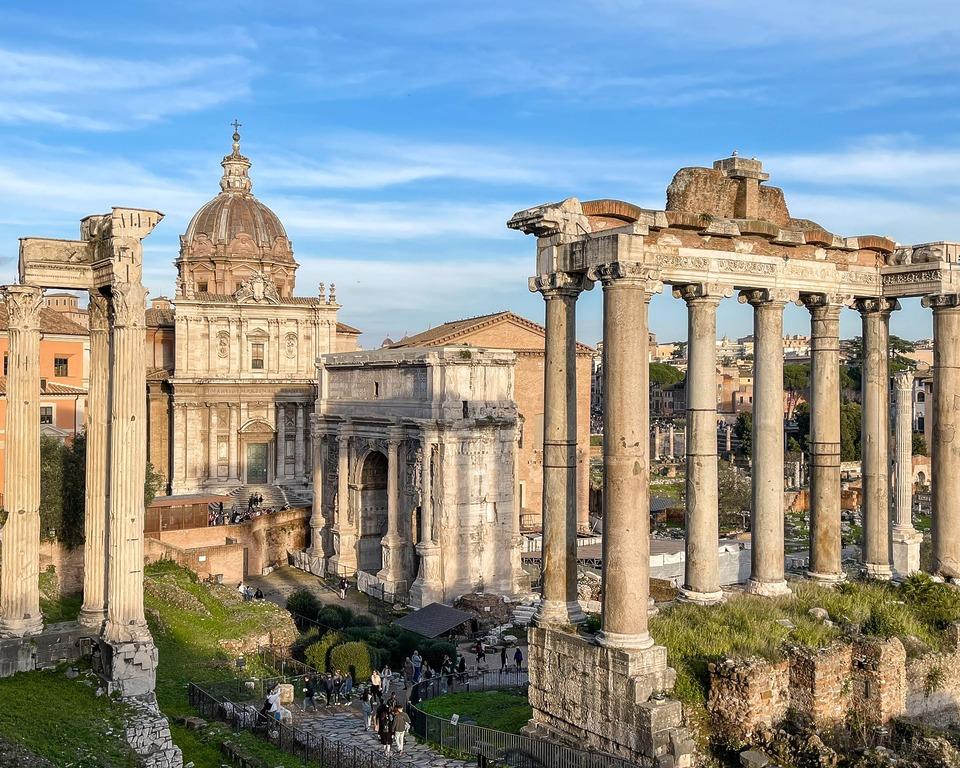

Rome is one of the most fascinating cities in Europe, and honestly, planning a Rome trip for the first time can feel a little overwhelming.
The city is busy, lively, and full of tourists, but at the same time packed with incredible history, beautiful architecture, amazing food, and unforgettable atmosphere.
And once you walk past ancient ruins on your way to dinner, throw a coin into the Trevi Fountain at sunrise, or watch the sunset over the rooftops after a long day of sightseeing, it becomes easy to understand why so many people keep coming back.
Ready to travel to Rome?
Here are a few quick tips on what I recommend booking for this trip:
Best places to stay:
Best things to do:
After several visits to Rome and exploring Italy extensively, I decided to put everything into one complete Rome travel guide with as many practical tips as possible.
In this article, you’ll find the best places to visit in Rome, things to know before visiting, travel tips, and some honest thoughts about what Rome is really like as a first-time visitor.
So let’s start with a quick overview of the most important things to know, and then go through each topic in detail.
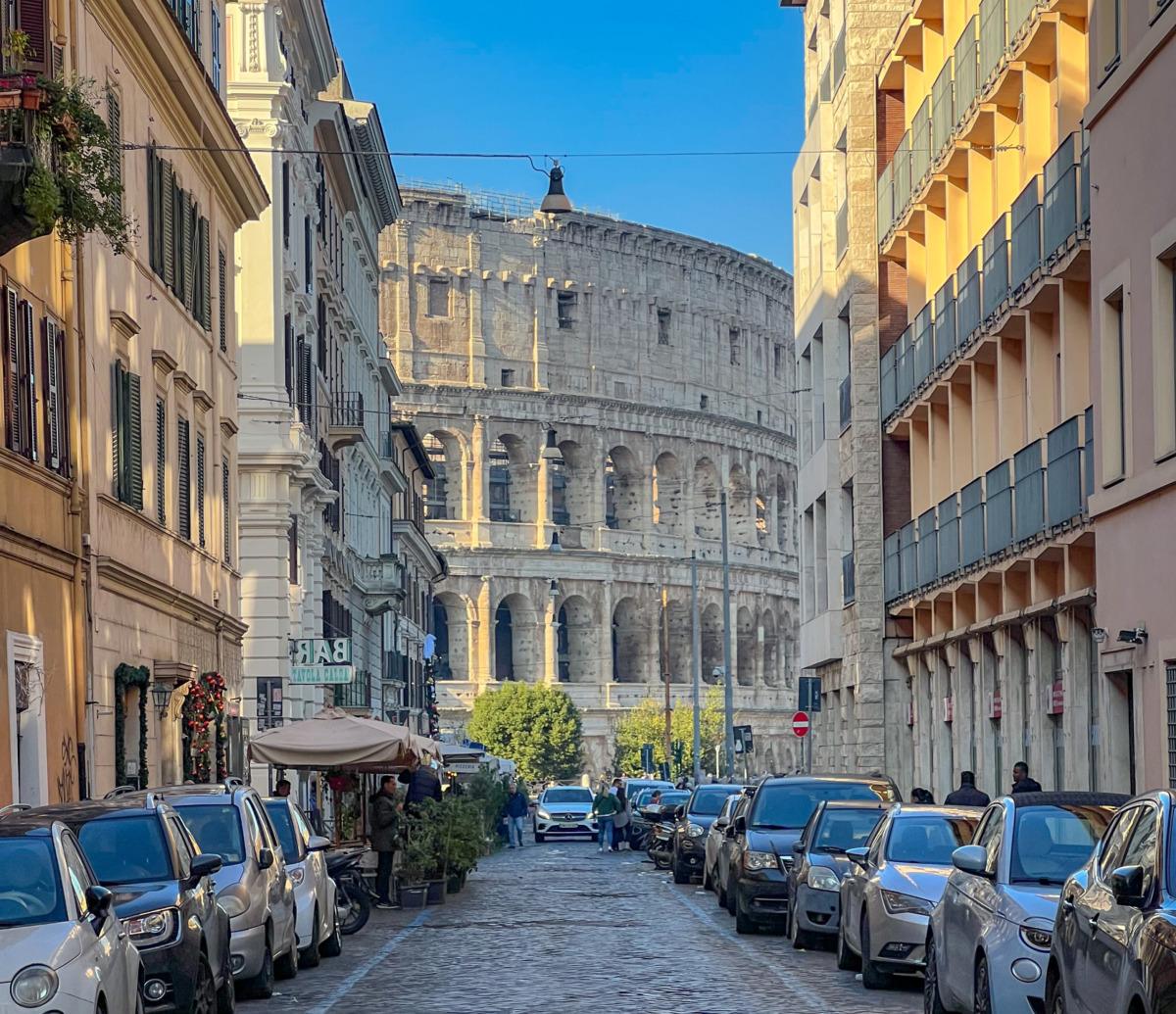
Quick overview of this Rome travel guide
Here are the short answers to the main questions about visiting Rome:
- Is Rome worth visiting?: Absolutely
- Why visit: Ancient history, iconic landmarks, amazing food, Italian atmosphere
- Best for: First-time Italy trips, history lovers, city breaks
- Best time to visit: April–June and September–October
- How many days: 3–5 days
- Closest airports: Fiumicino Airport and Ciampino Airport
- Getting around: Walking, metro, buses, taxis
- Is Rome safe?: Mostly yes, but scams and pickpocketing can happen
- Do you need a car?: Not in Rome itself
- Best day trips: Tivoli, Florence, Naples, Pompeii, Orvieto
Is Rome worth visiting?
Absolutely. Rome is one of those cities that almost everyone should visit at least once. Not only because of the famous attractions, but because of the atmosphere and the overall experience.
Few places in the world let you walk past ancient ruins, world-famous landmarks, beautiful squares, and incredible restaurants all within the same day.
At the same time, Rome is much more than just the Colosseum and the Vatican. The city is full of beautiful streets, local neighborhoods, and hidden corners that make exploring fun.
And if you have extra time, Rome also works as a great base for places like Tivoli or Orvieto.
So while Rome itself is already unforgettable, the surrounding region makes it even more special.
What is Rome really like?
Imagine a city where ancient landmarks, busy streets, and beautiful squares are all packed surprisingly close together.
Rome is busy, lively, touristy, and sometimes a little overwhelming, especially if it’s your first visit. At the same time, it’s also one of those places where history feels present almost everywhere.
You’ll find famous landmarks, beautiful churches, incredible food, charming neighborhoods, rooftop views, fountains, museums, and streets filled with both locals and tourists.
Rome is also a city where you’ll probably do a lot more walking than expected, simply because there is so much to see between the main attractions.
In short, Rome feels big, busy, and unforgettable. But if you keep reading, you’ll discover there’s much more to it than just the famous attractions.
What makes Rome special?
Rome has a completely different atmosphere compared to many other European cities, and that’s exactly what makes it so memorable.
Few places combine ancient history, famous landmarks, beautiful architecture, and everyday city life quite like Rome does. One moment you’re exploring historic sites, the next you’re sitting on a terrace with pasta or espresso.
At the same time, Rome is much more than its famous attractions. The city is full of beautiful squares, charming neighborhoods, and small streets that make exploring fun.
More than anything, Rome feels timeless. And that’s exactly why so many people fall in love with it.
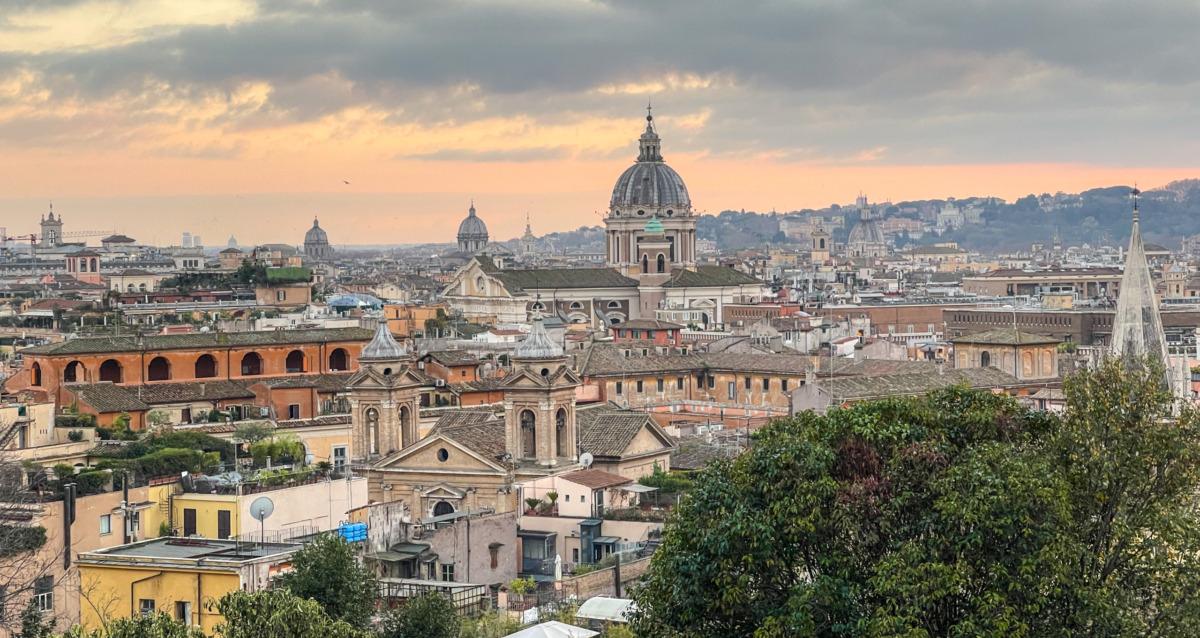
Best places to visit in Rome
These are some of the best places to visit in Rome:
Colosseum
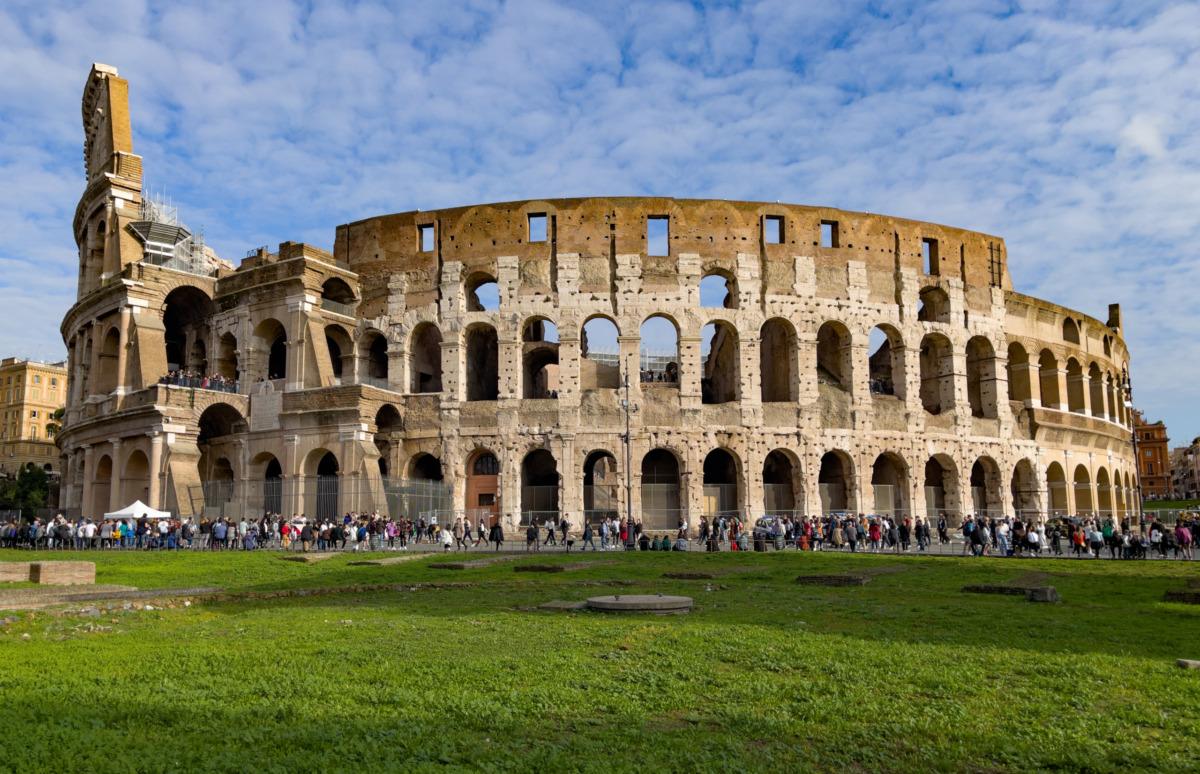
The Colosseum is the most famous attraction in Rome and one of the most iconic landmarks in the world.
This huge ancient amphitheater was once used for gladiator fights and public events, and today it’s one of the top reasons people visit Rome.
Pro tip: book your tickets online well in advance. If you want to see more areas inside, choose the Full Experience ticket with arena access.
Roman Forum & Palatine Hill
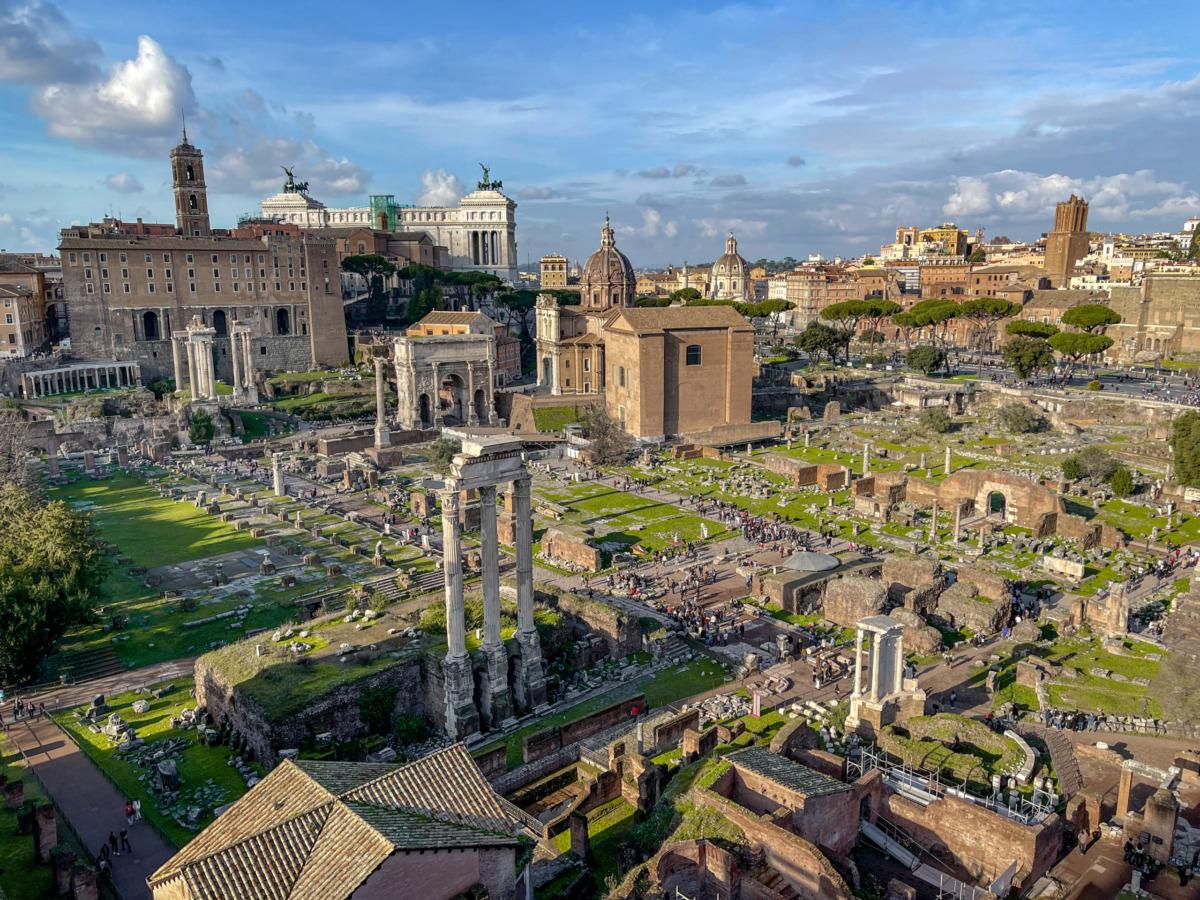
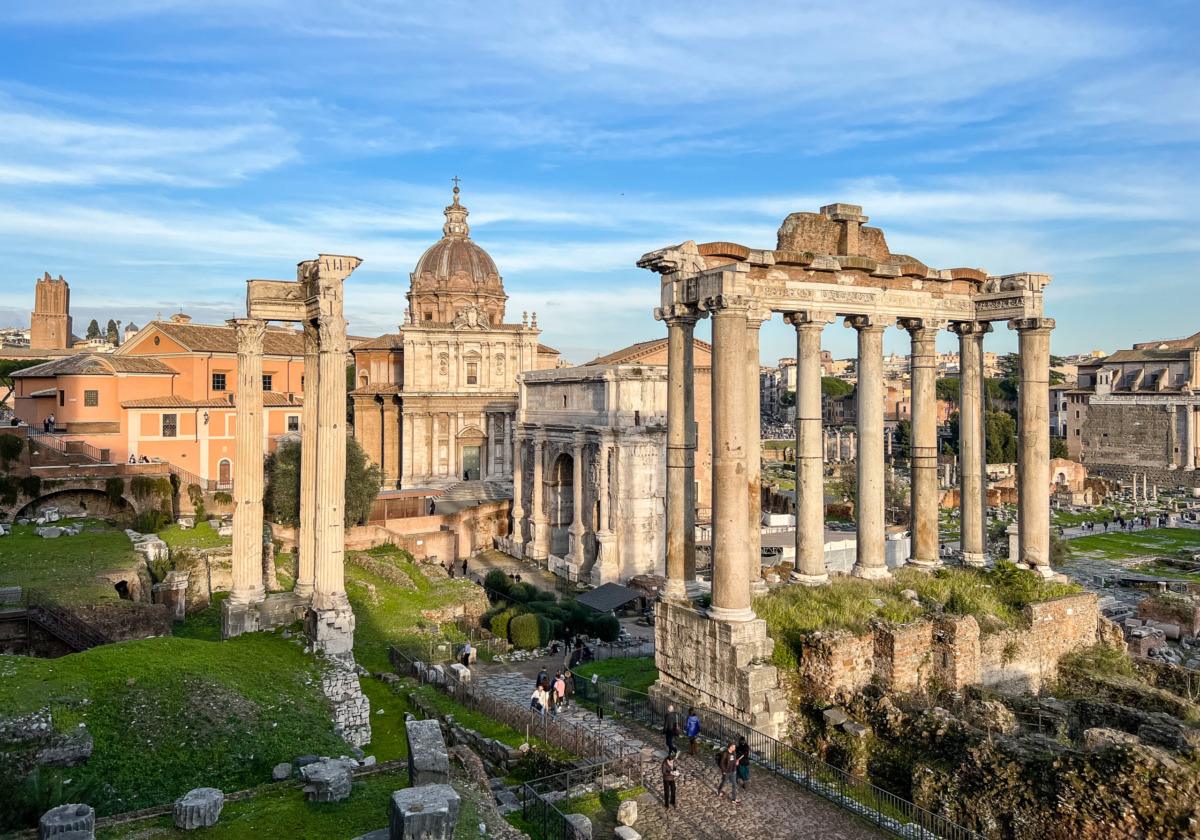
Right next to the Colosseum, you’ll find the Roman Forum and Palatine Hill, two of the most important archaeological sites in Rome.
The Roman Forum was once the center of political and everyday life in Ancient Rome, while Palatine Hill offers ruins, gardens, and beautiful views over the city.
Pro tip: these sights require much more walking than most people expect, so wear comfortable shoes.
Altare della Patria
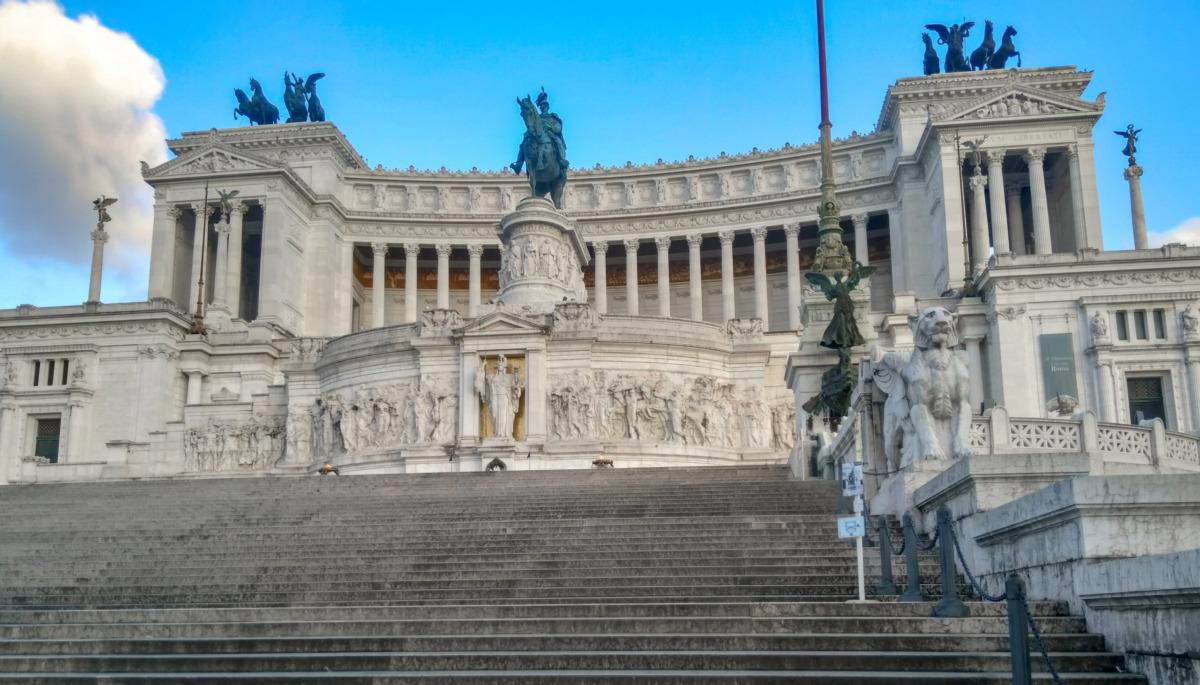
Altare della Patria, also called the Monument to Vittorio Emanuele II, is one of the most recognizable buildings in central Rome.
Even if you skip the museum inside, it’s worth visiting for the terraces and panoramic city views.
Vatican City
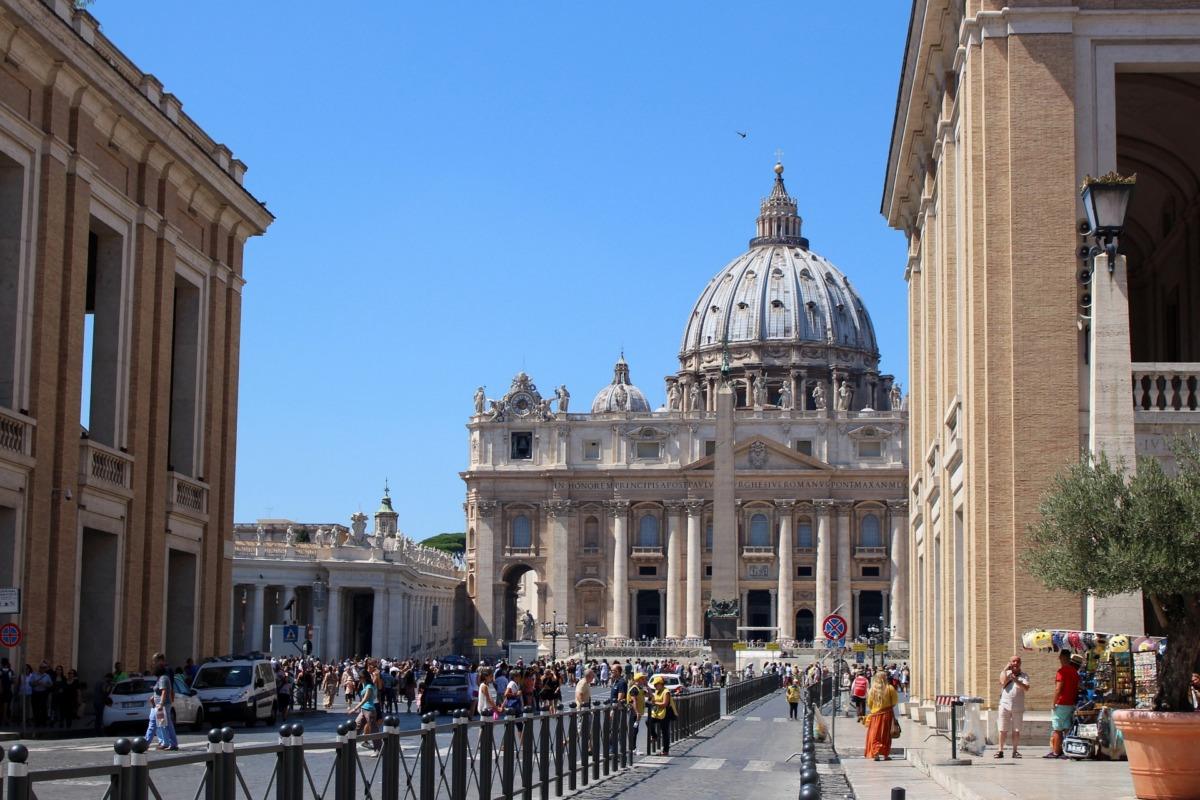
The Vatican is one of the highlights of visiting Rome.
The main attractions here are St. Peter’s Basilica and the Vatican Museums, where you can also see the Sistine Chapel.
Pro tip: book Vatican Museum tickets online early because they often sell out.
Castel Sant’Angelo
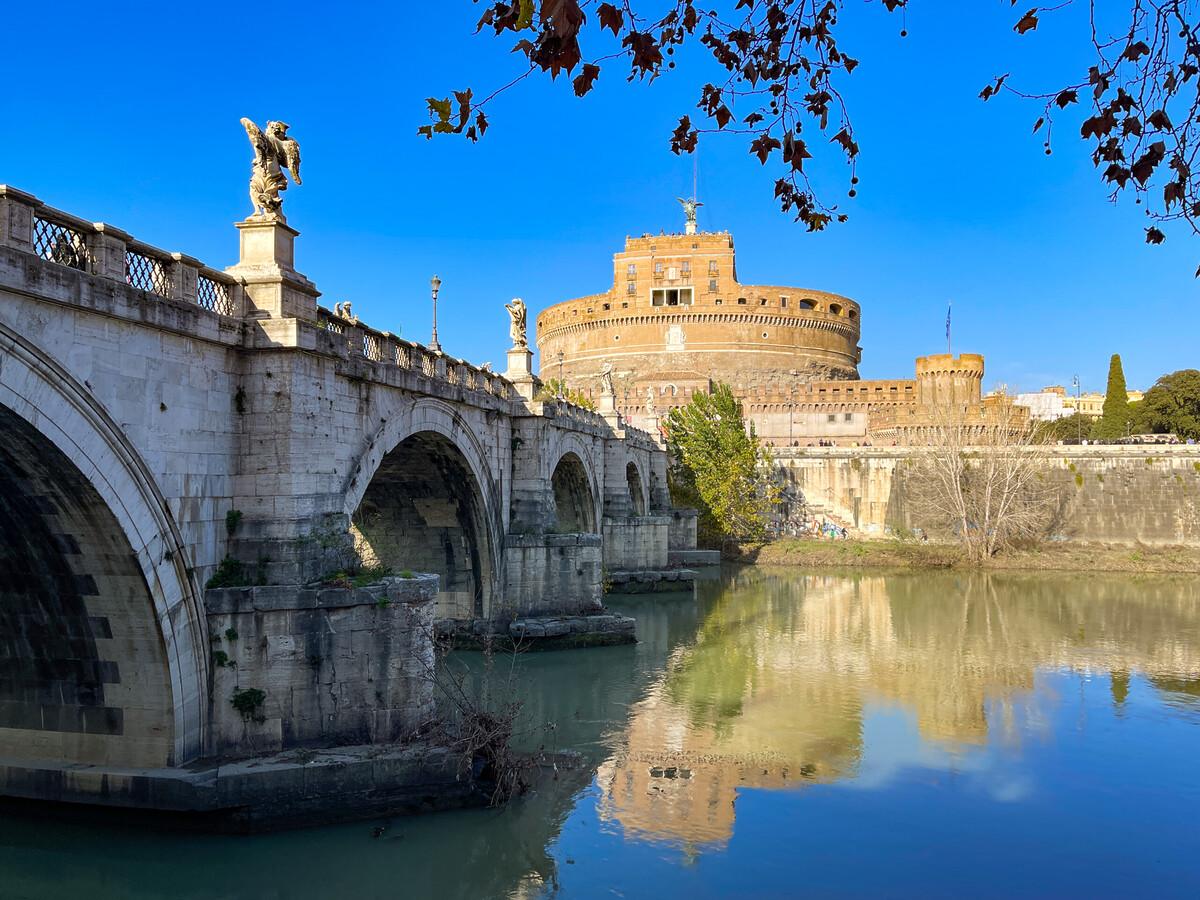
Originally built as Emperor Hadrian’s tomb, Castel Sant’Angelo later became a fortress and castle.
Today, many visitors come for the museum, the rooftop views, and the beautiful Ponte Sant’Angelo nearby.
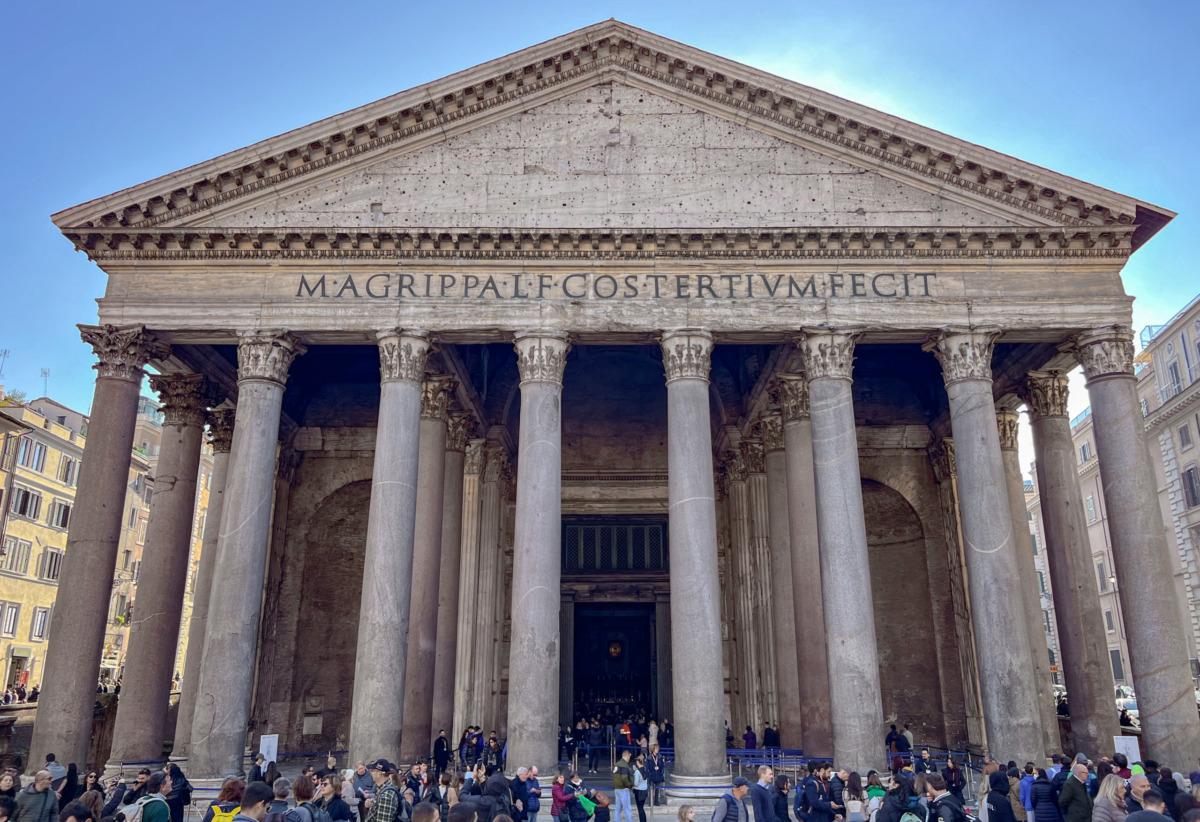
Pantheon
The Pantheon is one of the best preserved buildings from Ancient Rome and one of my favorite places in the city.
The enormous dome and impressive interior make it worth visiting, even if you only stop for a short time.
Trevi Fountain
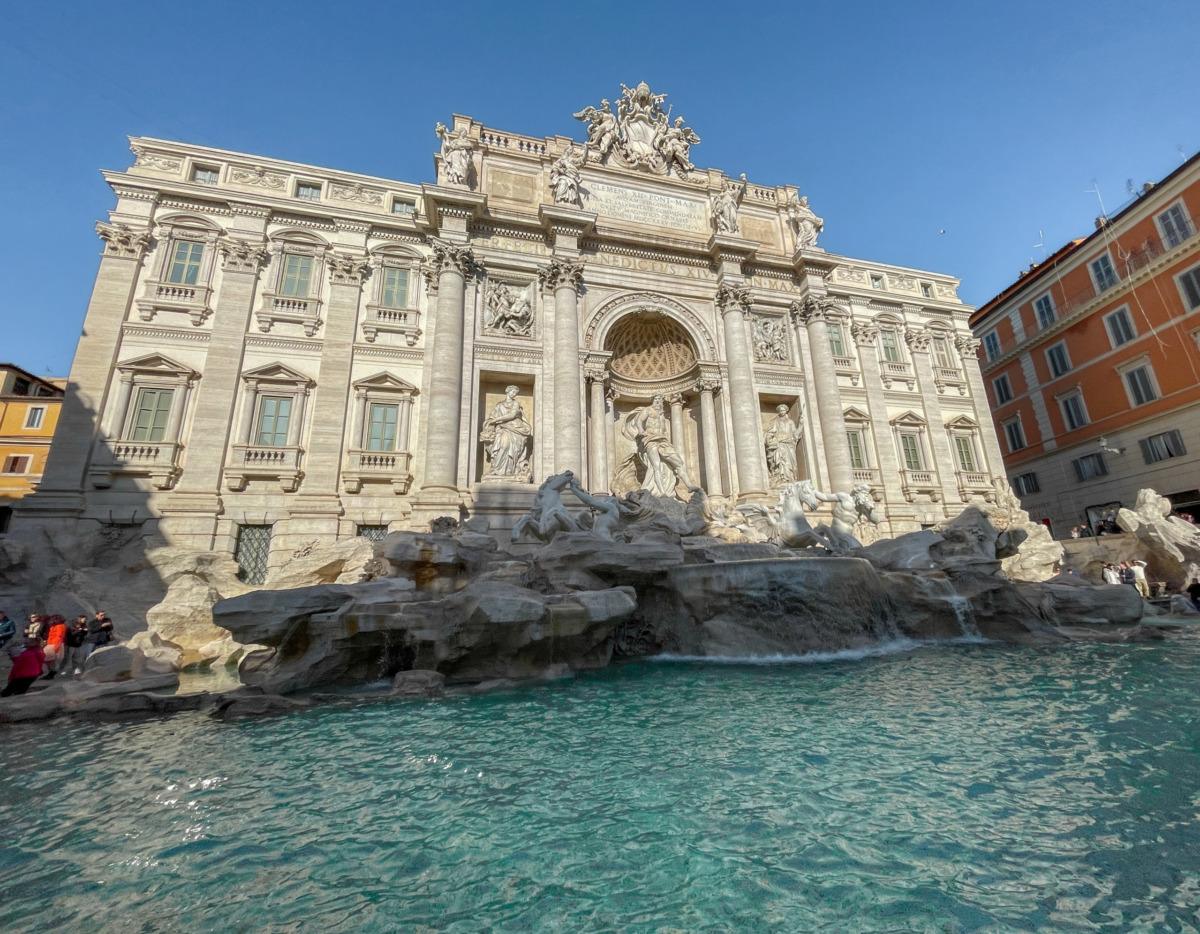
The Trevi Fountain is probably the most famous fountain in the world and one of the busiest places in Rome.
According to legend, throwing a coin into the fountain means you’ll return to Rome someday.
Pro tip: visit early in the morning if you want to avoid the biggest crowds.
Spanish Steps
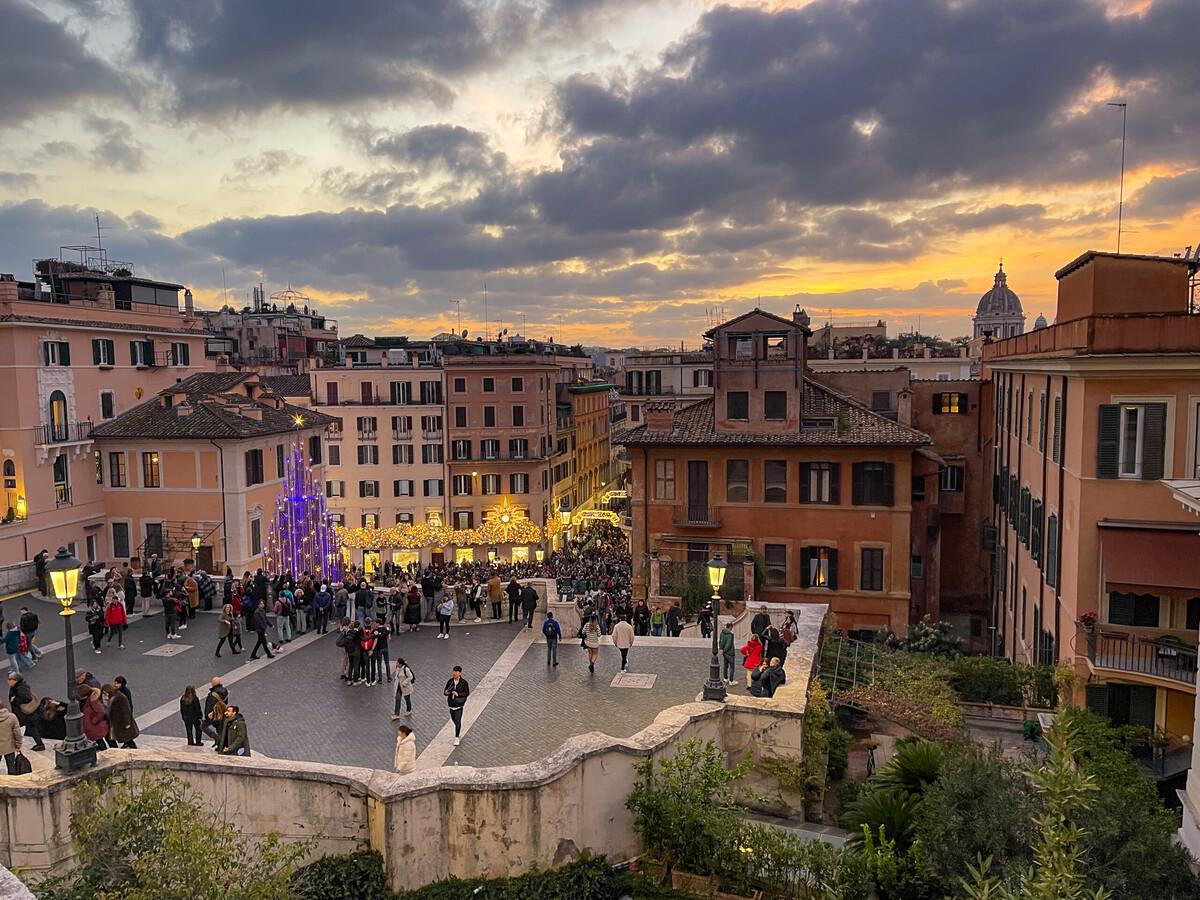
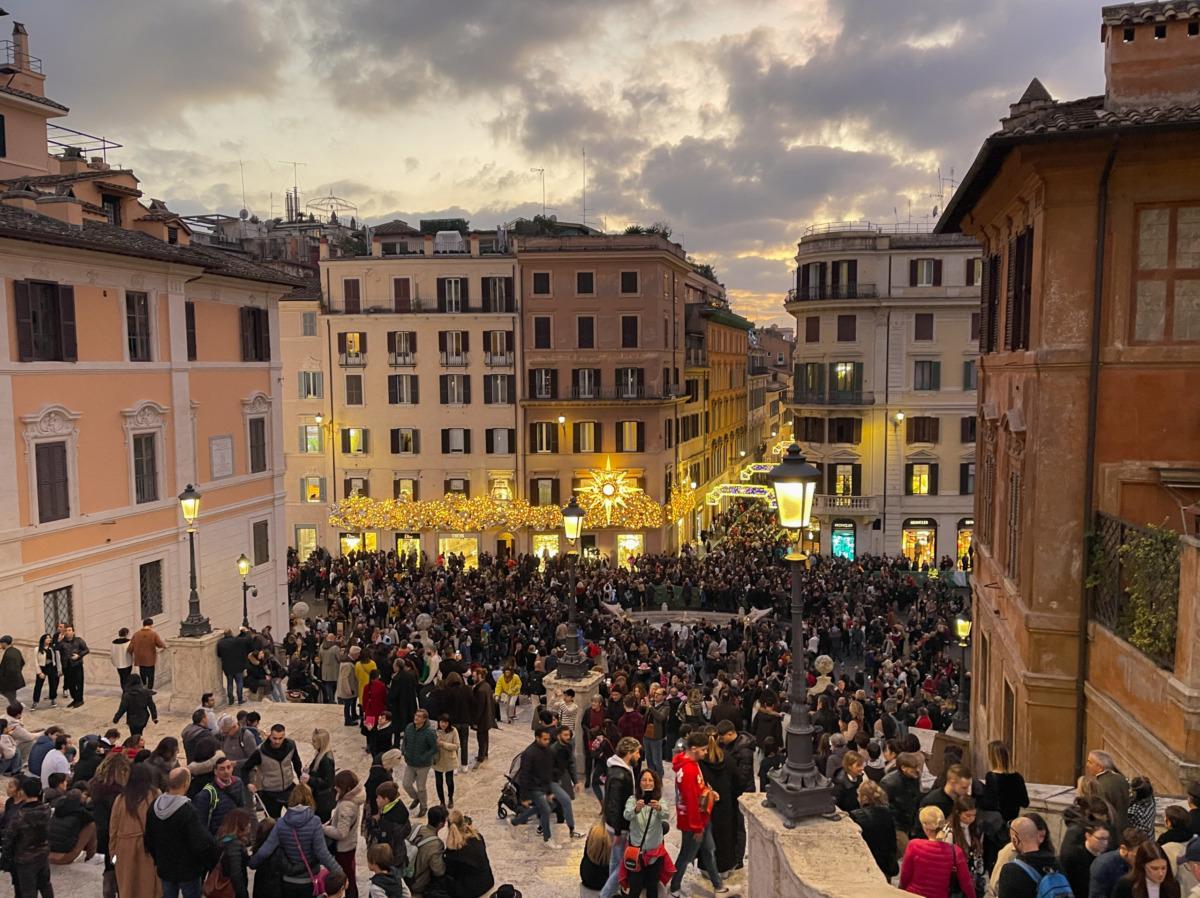
The Spanish Steps are one of the most famous meeting spots in Rome.
The area around Piazza di Spagna is perfect for walking, shopping, and taking photos, especially around sunset.
Piazza Navona
Piazza Navona is one of the most beautiful squares in Rome.
It’s famous for its fountains, cafés, street artists, and lively atmosphere. It’s also one of the best places to take a break during sightseeing.
Trastevere
Trastevere is one of the most atmospheric neighborhoods in Rome.
The area is known for narrow streets, restaurants, bars, ivy-covered buildings, and local atmosphere, especially in the evening.
Villa Borghese
Villa Borghese is one of the largest parks in Rome and a nice escape from the busy city center.
You’ll find gardens, viewpoints, walking paths, and the famous Borghese Gallery here.
Piazza del Popolo
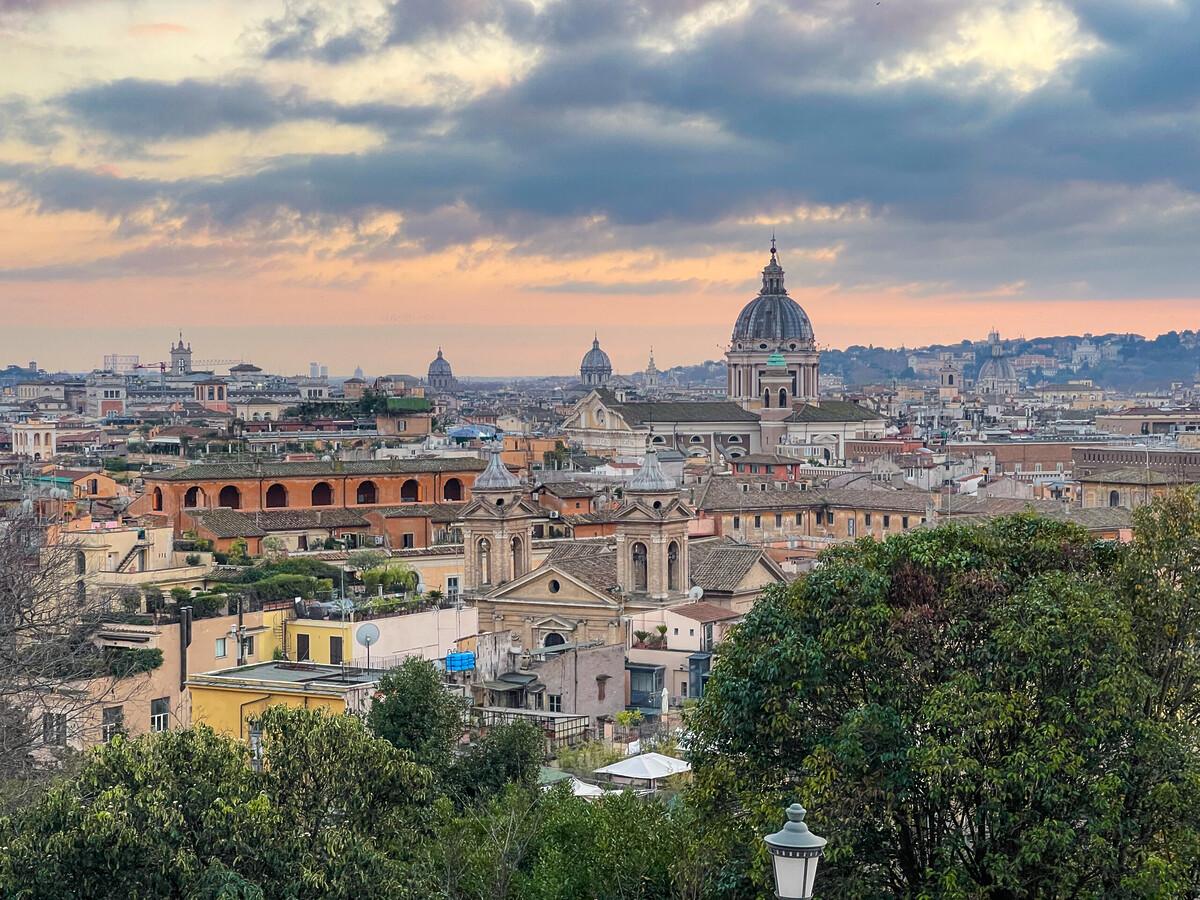
Piazza del Popolo is a large historic square surrounded by churches, monuments, and shopping streets.
From here, you can also walk up to Terrazza del Pincio for one of the best viewpoints in Rome.
Catacombs
Rome’s catacombs offer a completely different experience from the famous landmarks above ground.
These underground burial tunnels can usually only be visited on guided tours and give a fascinating look into early Roman history.
Baths of Caracalla
The Baths of Caracalla are among the largest and best-preserved Roman bath complexes.
Compared to other attractions, this area usually feels much quieter and less crowded.
Best day trips from Rome
These are some of the best places you can visit from Rome, ranging from easy train trips to longer day adventures.
Tivoli
Tivoli is one of the easiest and most popular day trips from Rome.
The town is famous for Villa d’Este and its beautiful fountains, as well as Villa Adriana, one of the largest archaeological sites near Rome.
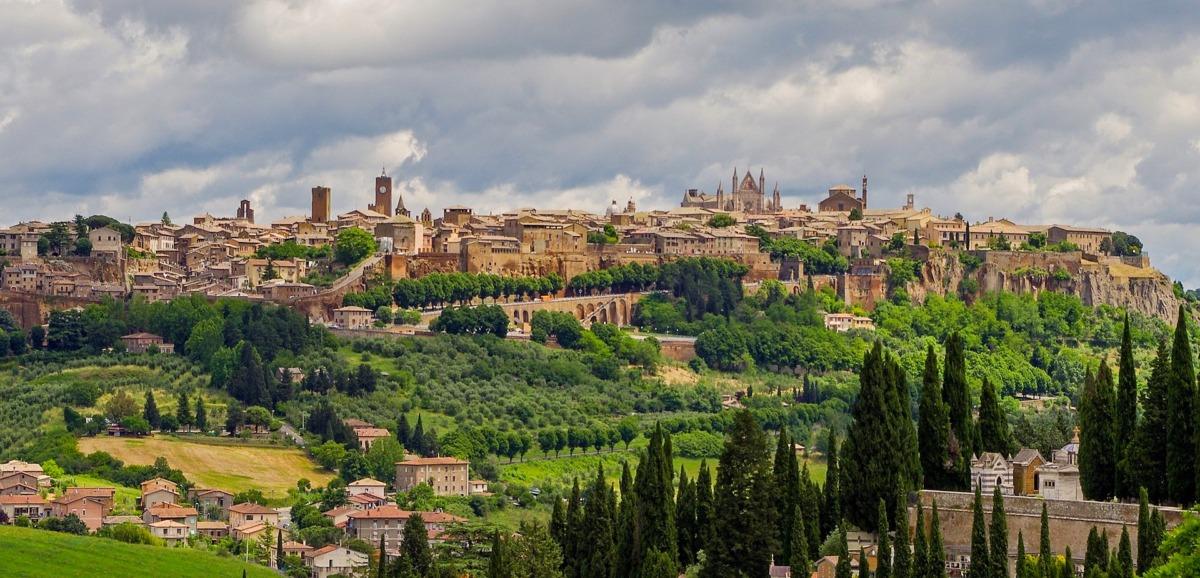
Orvieto
Orvieto is one of my favorite smaller towns near Rome.
Built dramatically on top of volcanic rock, the town offers beautiful views, charming streets, and one of the most impressive cathedrals in Italy. The cathedral’s style and colorful facade may even remind you a little of Florence.
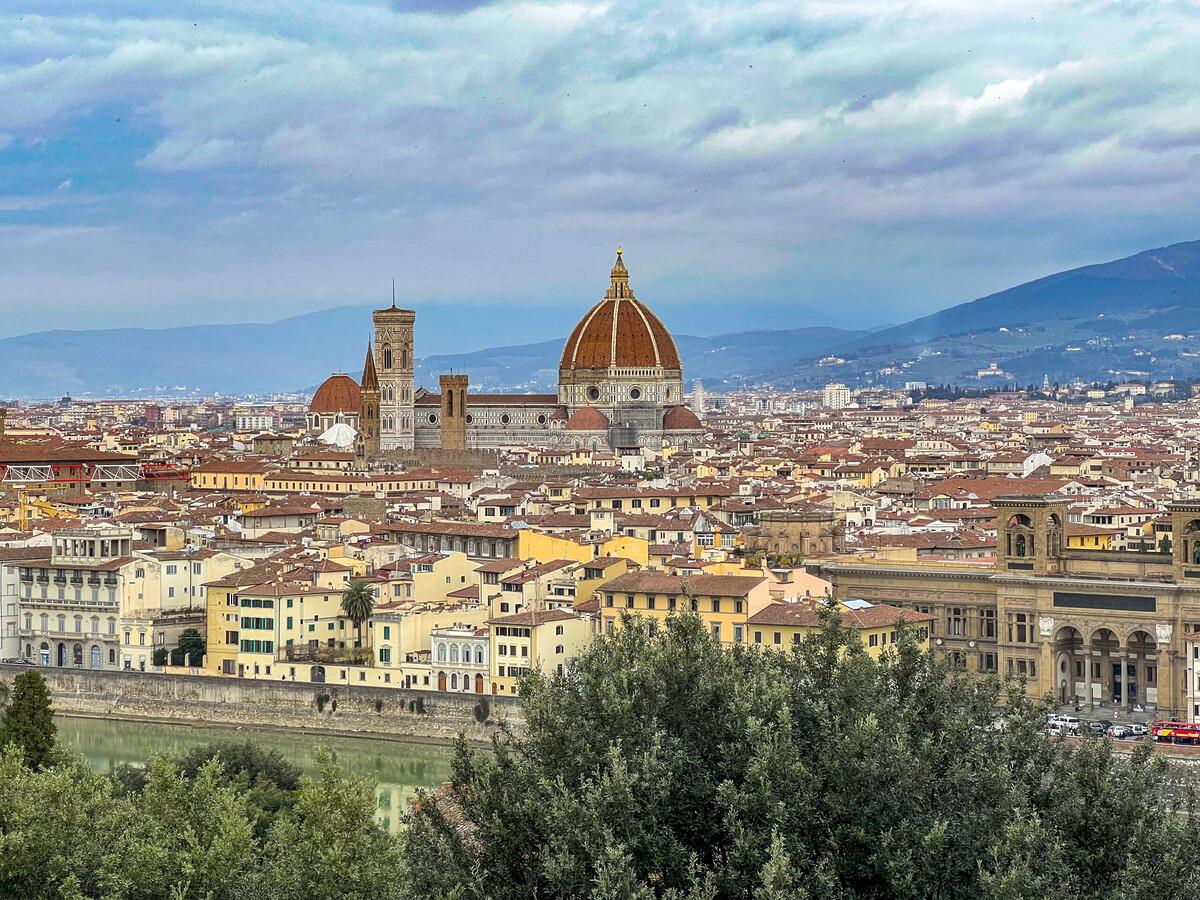
Florence
Yes, Florence is possible as a day trip from Rome thanks to the fast train network.
Personally, I think Florence deserves more time, but if you only have limited days in Italy, it’s still possible to visit the main attractions in one day.
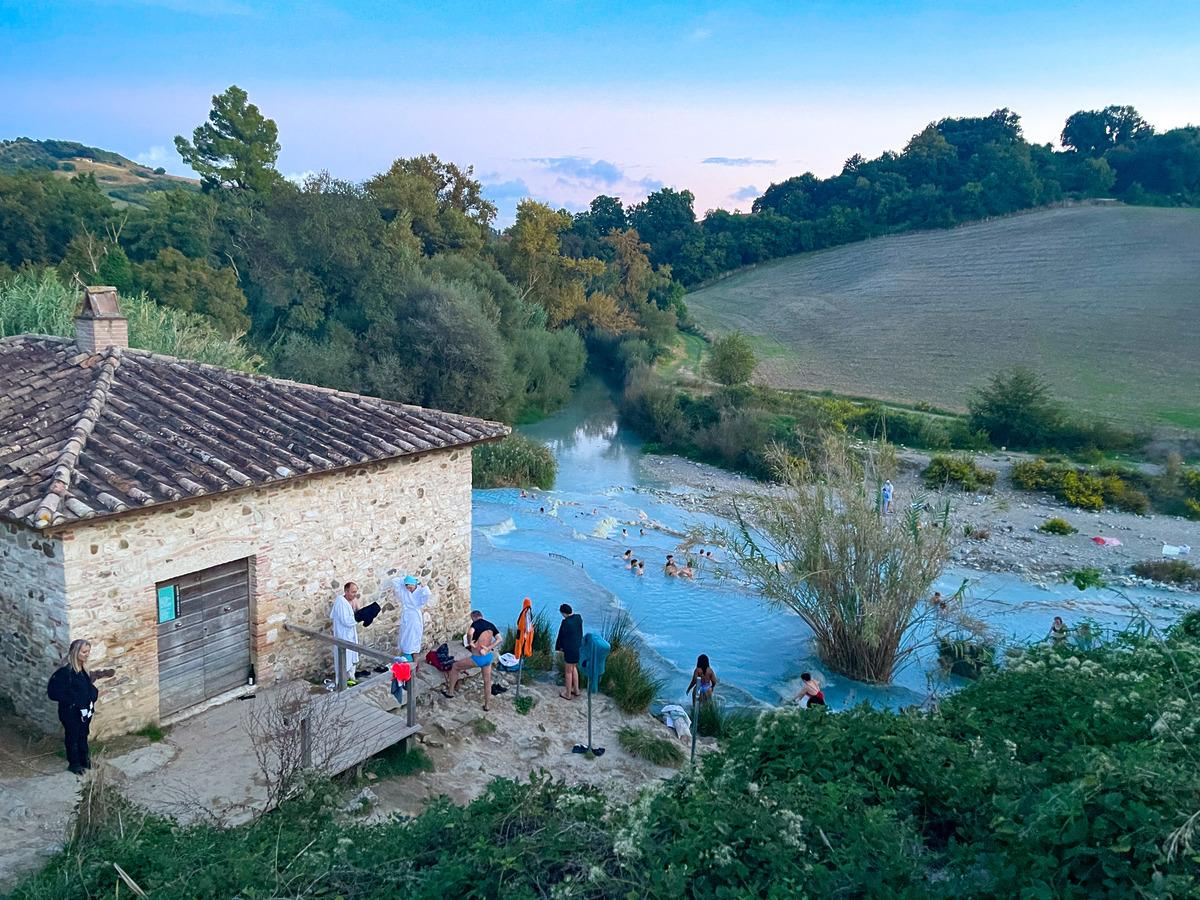
Saturnia
Saturnia is one of the most unique places you can visit from Rome.
These natural hot springs are famous for their milky blue water, strong sulfur smell, and beautiful cascading pools. The best part is that the main thermal area is completely free to visit.
By car, expect a drive of a little over 2 hours each way.
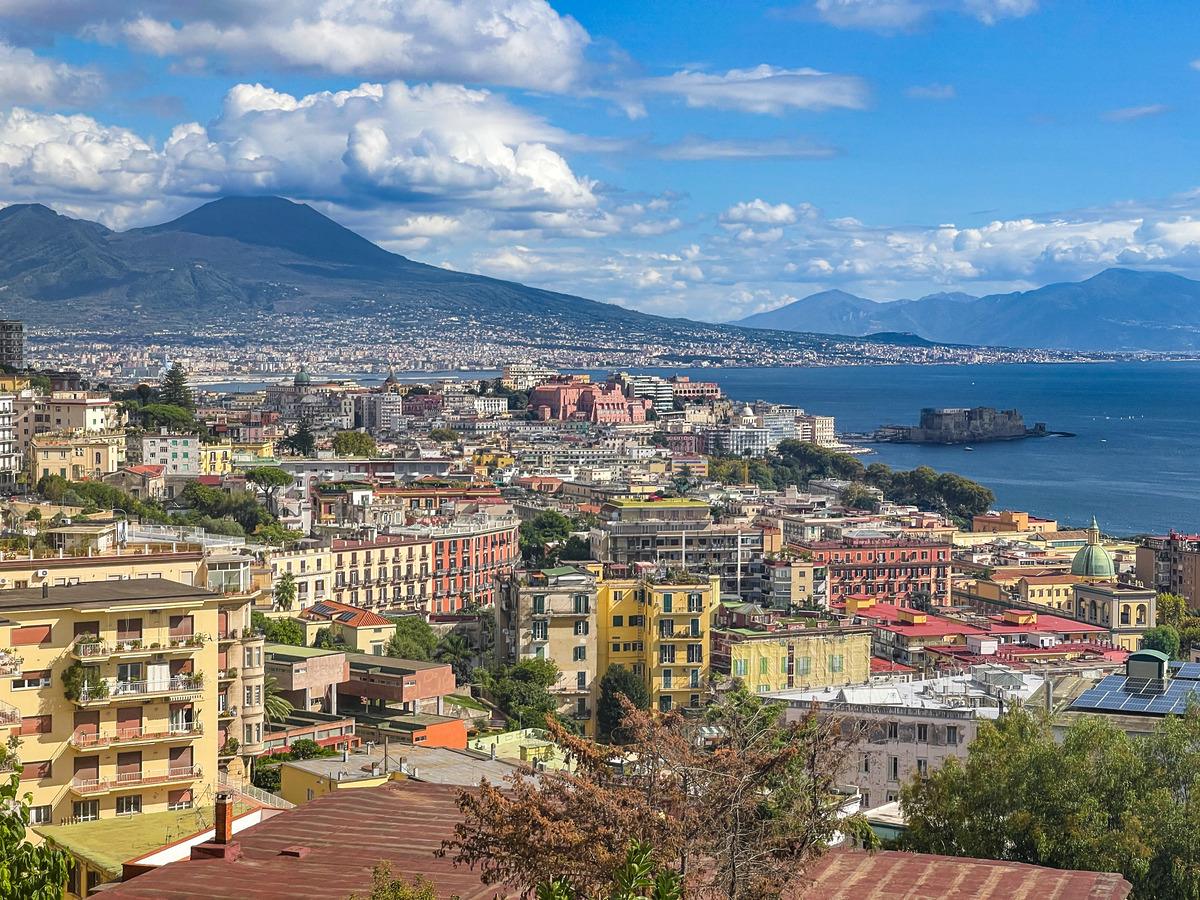
Naples
Naples is possible as a day trip from Rome, although it makes for a long day.
The high speed train takes around 1–1.5 hours, while driving usually takes much longer. If Southern Italy interests you, Naples can still be worth considering for the atmosphere, food, and historic center.
How many days should you spend in Rome?
In my opinion, 3–4 days is the ideal amount of time to spend in Rome if you want to see the main attractions without rushing too much.
If you also want to explore museums, neighborhoods, viewpoints, and take a day trip, I would recommend at least 4–5 days.
Rome is one of those cities where sightseeing often takes longer than expected. Distances may look short on the map, but you’ll probably spend a lot of time walking between attractions.
The perfect Rome itinerary
Here’s how I would personally spend 1–5 days in Rome:
- Day 1: Visit the Colosseum, Roman Forum, Palatine Hill, and Altare della Patria
- Day 2: Explore the Pantheon, Piazza Navona, Trevi Fountain, Spanish Steps, and Villa Borghese
- Day 3: Visit Vatican City, St. Peter’s Basilica, the Vatican Museums, and Castel Sant’Angelo
- Day 4: Explore some of Rome’s lesser known places, like Trastevere, the Catacombs, Baths of Caracalla, Piazza del Popolo, or other attractions you may have missed
- Day 5: Take a short day trip to places like Tivoli or Orvieto
If you have less time, simply combine some of the days, but expect a lot more walking.
If you have more time, I would also add Naples or Florence to your itinerary.
Best time to visit Rome
The best time to visit Rome is usually spring or early autumn, especially from April to June and September to October. The weather is pleasant, sightseeing is more comfortable, and the crowds are usually easier to manage than during peak summer.
Rome has relatively mild weather throughout most of the year. I’ve even visited during winter, when temperatures still felt comfortable for walking around the city.
July and August can be very hot, especially because Rome involves a lot of walking between attractions. Summer is still a great time to visit, but expect bigger crowds, longer lines, and much warmer temperatures.
Personally, I think spring and autumn offer the best overall experience for visiting Rome.
How to get to Rome
The easiest way to get to Rome is usually by plane. Rome has two airports: Fiumicino Airport, which is the main international airport, and Ciampino Airport, which is often used by budget airlines.
Both airports are located outside the city center, but trains, buses, and airport transfers make getting into Rome relatively easy.
Rome is also very well connected by train to cities like Florence, Naples, Milan, and Venice, making it easy to include in a longer Italy itinerary.
If you’re driving, Rome is connected to the rest of Italy through major highways like the A1. However, driving into central Rome is usually not recommended because of traffic, parking difficulties, and ZTL restrictions.
Rome can also be reached by cruise ships through Civitavecchia Port, which is one of the busiest cruise ports in Europe and located about an hour from the city center.
How to get around Rome
The best way to explore Rome is usually on foot. Many of the main attractions are located surprisingly close together, but expect a lot more walking than you might think.
Rome also has a metro system, buses, trams, taxis, and trains for longer distances.
Personally, I would not recommend driving in central Rome. Traffic can feel stressful, parking is difficult, and Rome has strict ZTL (limited traffic zone) rules. Entering restricted areas by mistake can easily result in expensive fines.
We actually learned this the hard way years ago when we accidentally drove into restricted areas and received three fines in a single day because we missed the signs.
The ZTL rules can feel surprisingly complicated, and restrictions often change depending on the area and time of day. Because of this, I usually recommend choosing accommodation with parking outside the historic center, leaving the car there, and exploring Rome without it.
My tip: walk as much as possible, then use buses, taxis, or public transport for longer distances.
If you plan to use public transport often, it may also be worth looking into the Roma Pass. It includes unlimited public transport for a fixed period and access to certain attractions.
Is the Roma Pass worth it?
Speaking of the Roma Pass, you might wonder if it’s worth buying at all. If you plan to use urban public transportation a lot, then it’s probably worth it. If you’re fine with the basic types of entrance tickets it offers, then it’s worth it.
Otherwise, it might not be necessary.
Where to stay in Rome
If you’re traveling to Rome, where you stay is important because the city is huge and prices depend on many factors.
If you plan to use public transport, I definitely recommend choosing accommodation close to the main attractions.
If you want to save money, are more flexible, or need a hotel with parking for your car, you can often save a lot by staying outside the city center.
These are the areas I recommend staying in Rome:
- NH Collection Roma Fori Imperiali: A five-star hotel in downtown, within walking distance of many attractions. Enjoy fantastic views from most rooms and the rooftop terrace
- Hotel St Martin by OMNIA hotels: A four-star hotel near the main train station, a bit farther from attractions but still within walking distance
- Adesso Hotel: A four-star hotel a bit farther from attractions, offering affordable prices
Is Rome safe for tourists?
Yes, Rome is generally safe for tourists, but you should pay extra attention to pickpockets, especially on public transport and around major attractions like the Trevi Fountain or the Colosseum.
You’ll often see police officers or Carabinieri around busy tourist areas, but it’s still important to stay aware of your surroundings and keep an eye on your belongings.
Personally, I never felt unsafe in Rome, but basic precautions are always recommended.
Rome travel costs
Compared to many other cities in Italy, Rome is not exactly a cheap destination. Hotels near the main attractions can be expensive, and prices increase significantly during peak season.
In general, expect:
- Hotels: around €150–350 per night for a good 3–4-star hotel
- Restaurants: around €15–30 per person for a typical meal
- Transport: public transport passes usually cost under €10 per person per day, while driving is much more expensive
Rome can still work well as a mid-range destination, but if you want to save money, staying outside the historic center usually helps a lot.
My honest experience in Rome
Rome didn’t impress me as much as some other Italian cities, but at the same time, I still think it’s one of those places everyone should visit at least once.
The restaurants are excellent, the attractions are unforgettable, and places like the Colosseum, the Trevi Fountain, or the Vatican really are bucket list experiences.
Personally, Rome is not my favorite city in Italy, yet I keep coming back. I love sitting on terraces with an Aperol, exploring the small streets, and eating my way through the city.
And one more thing: every wish I made at the Trevi Fountain somehow came true after each visit. So if you throw a coin in, be careful what you wish for!
Rome travel guide: Final thoughts
I hope this Rome travel guide helped answer your biggest questions and made planning your trip a little easier.
I tried to cover the most important things to know before visiting Rome, including the best places to visit, travel tips, transportation, safety, costs, and what to realistically expect from the city.
Rome can feel overwhelming, crowded, and exhausting at times, but it’s also one of those places that stays with you long after your trip ends.
And if Rome inspired you too, don’t overthink it too much. Book the trip, prepare for lots of walking, eat as much pasta and gelato as possible, and enjoy one of the most iconic cities in the world!

Hi, I’m Adri, the author of ItalianWanderlust.com and TravelTipZone.com. I’ve been traveling for over 10 years and have been a travel blogger since 2022.
Every year I spend several weeks exploring Italy, the country that always has a special place in my heart.
Through my travel guides and tips, I hope to inspire you to discover the authentic Italy and enjoy your own Italian adventures.


