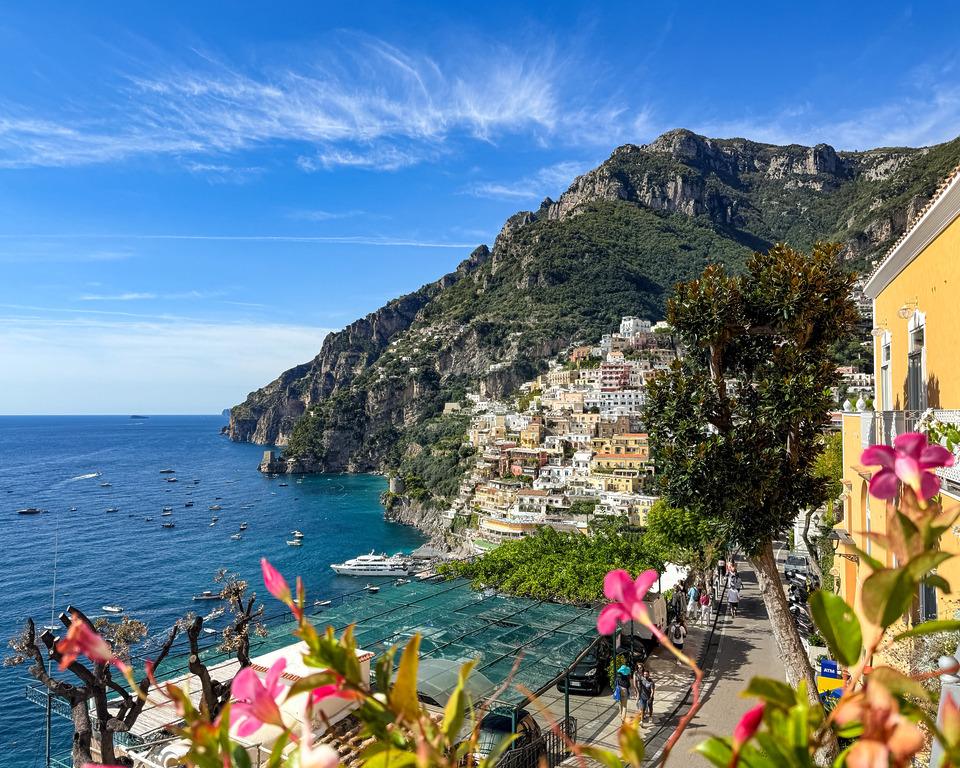

Rome and the Amalfi Coast are two of the most famous destinations in Italy, and many travelers try to combine them into one trip.
Honestly, planning this route is not always simple. Rome alone can easily fill an entire week, while the Amalfi Coast requires more planning than most people expect because of transportation, distances, crowds, and accommodation prices.
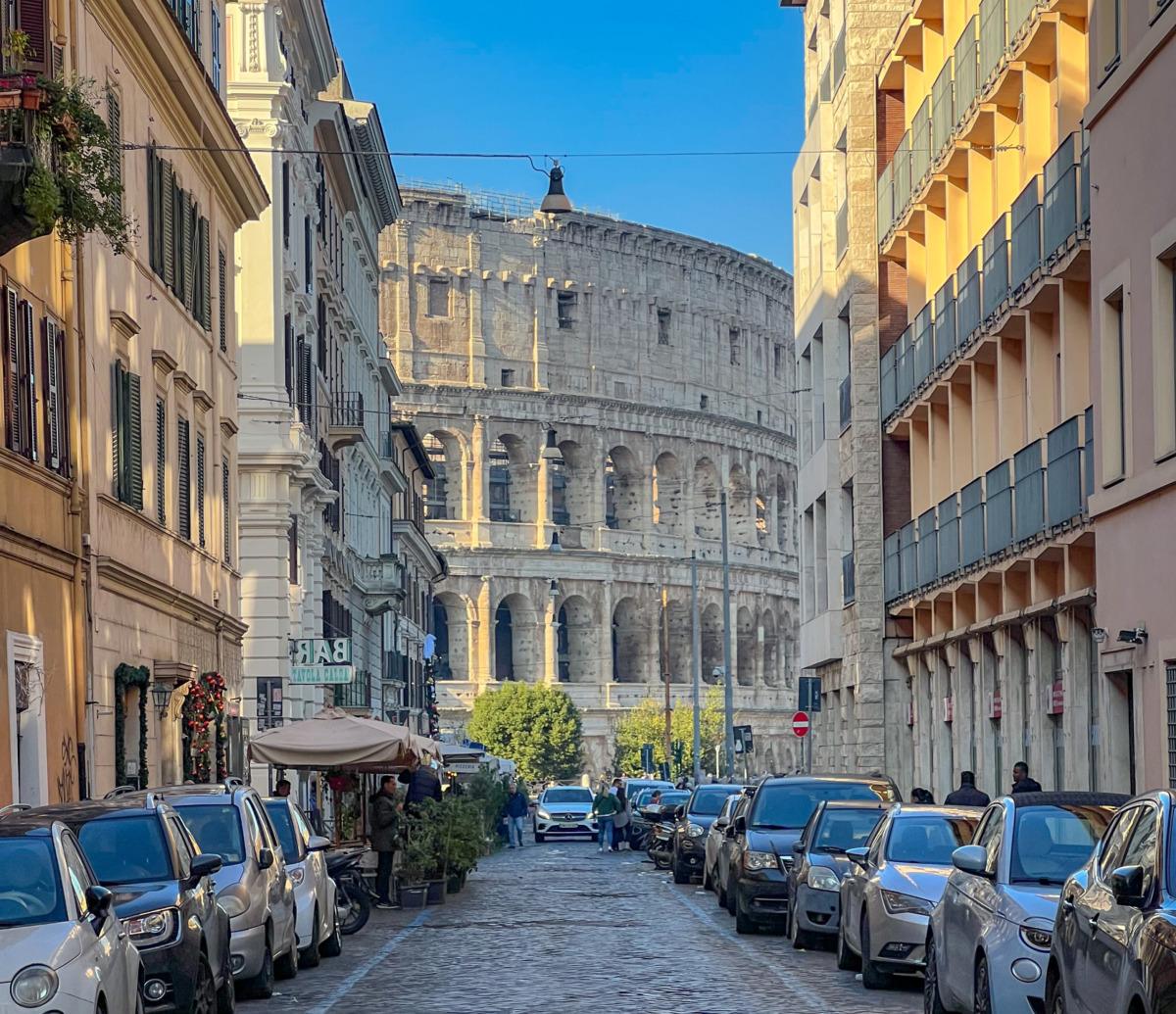
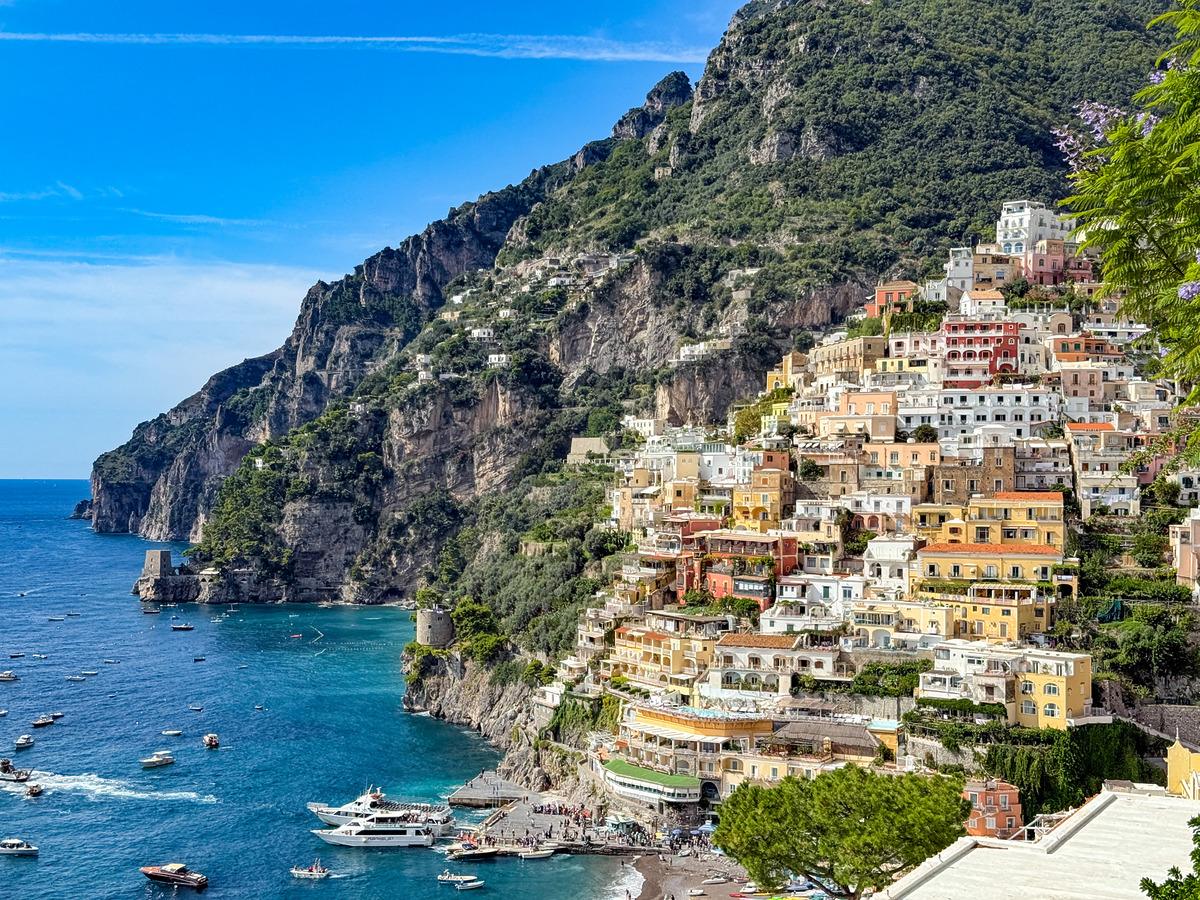
So the same questions usually come up: Is 7 days enough? Should you stay in Positano or near Naples? Do you need a car? And how much time should you spend in Rome compared to the Amalfi Coast?
I’ve visited both Rome and Southern Italy several times over the years, often combining these places into longer Italy road trips.
Ready to travel to Rome and the Amalfi Coast?
Here are a few quick tips on what I recommend booking for this trip:
Best places to stay:
- In Rome: NH Collection Roma Fori Imperiali
- On the Amalfi Coast: Tramonto d’Oro
- Near Naples: Hotel & Resort Tre Fontane Luxury
Best things to do:
In this guide, I’ll show you how I would personally divide one week between Rome and the Amalfi Coast, while keeping the route realistic and enjoyable.
First, I’ll give you a quick overview of the itinerary. Then I’ll show you the detailed route day by day, followed by practical tips to help you plan the trip more easily.
My honest opinion: Is Rome + Amalfi Coast worth it?
Yes, absolutely. Rome and the Amalfi Coast are not too far from each other, and they fit perfectly into a 7-day Italy itinerary like the one below.
Honestly, I think this is one of the best one week Italy trips you can do because it includes almost everything people love about Italy: historic landmarks, beautiful coastlines, amazing food, Italian culture, scenic views, and that special atmosphere that makes Italy so memorable.
If you only have 7 days in Italy and want to experience some of the country’s most iconic places in one trip, I highly recommend choosing this itinerary.
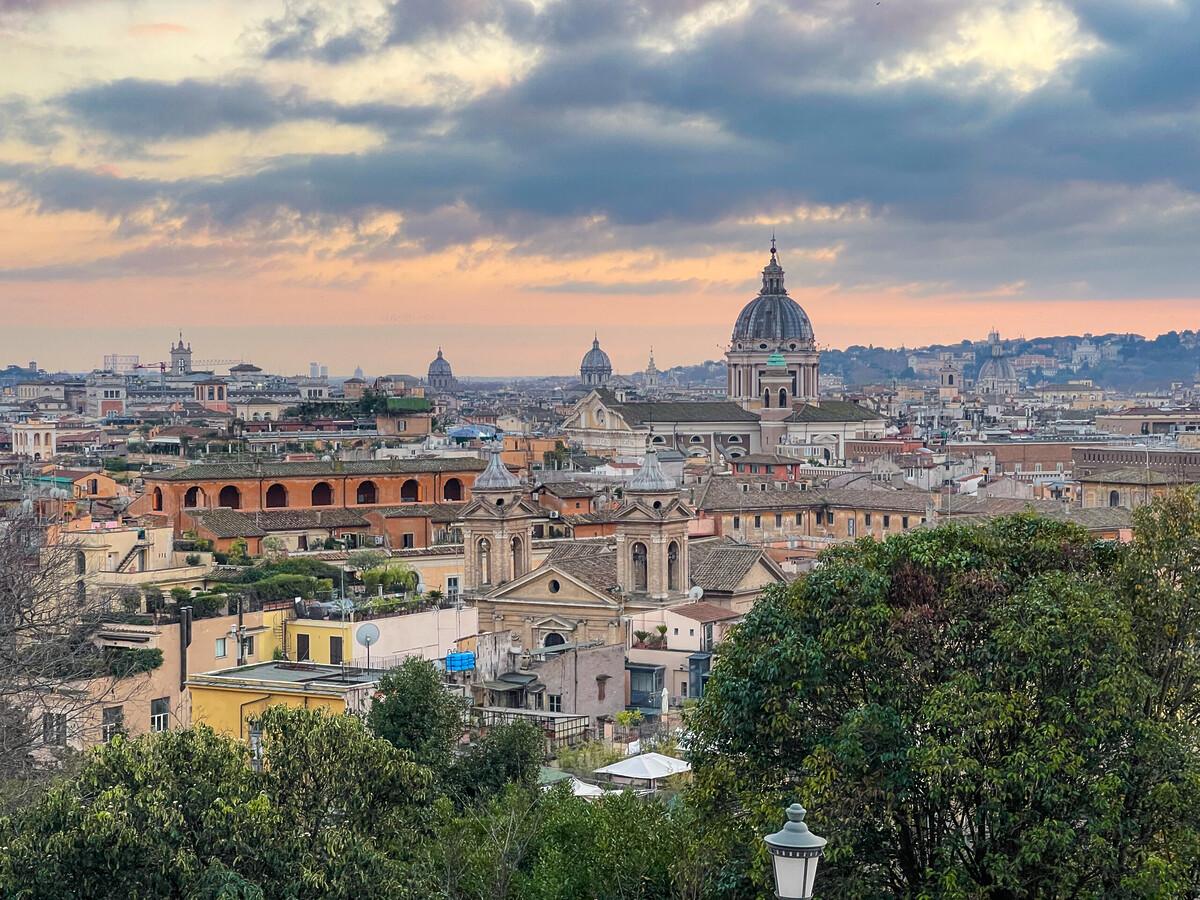
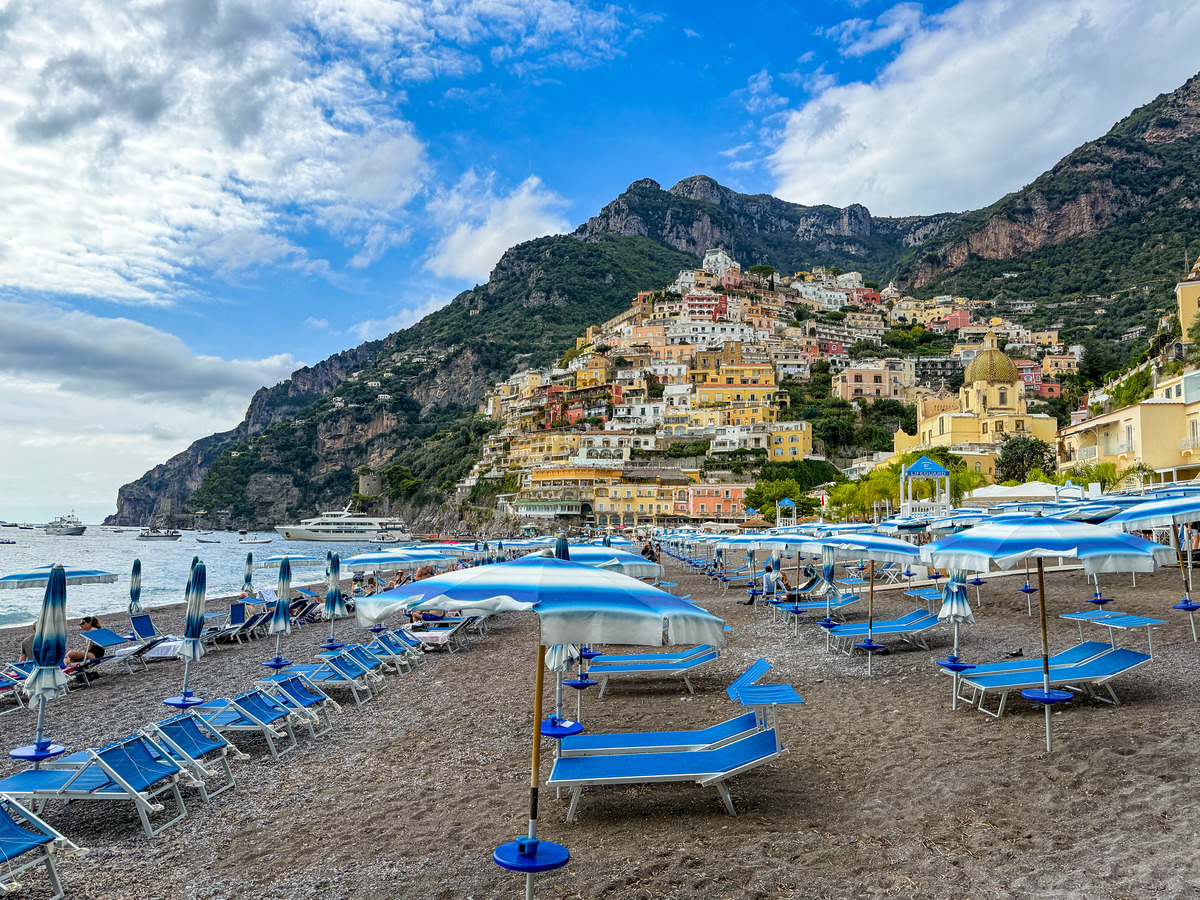
Overview of the 7-day Rome and Amalfi Coast itinerary
Here’s a quick overview of what I planned for this 7-day Rome and Amalfi Coast itinerary:
- Day 1: Rome: Colosseum, Roman Forum, Monument to Victor Emmanuel II
- Day 2: Rome: Pantheon, Trevi Fountain, Spanish Steps, Villa Borghese
- Day 3: Vatican and Castel Sant’Angelo
- Day 4: Travel to the Amalfi Coast via Naples or Pompeii
- Day 5: Positano
- Day 6: Amalfi and Ravello
- Day 7: Sorrento and return to Rome
Detailed 7-day Rome and Amalfi Coast itinerary
Now let’s see how I would spend 7 days in Rome and on the Amalfi Coast to make the most of one week in this area:
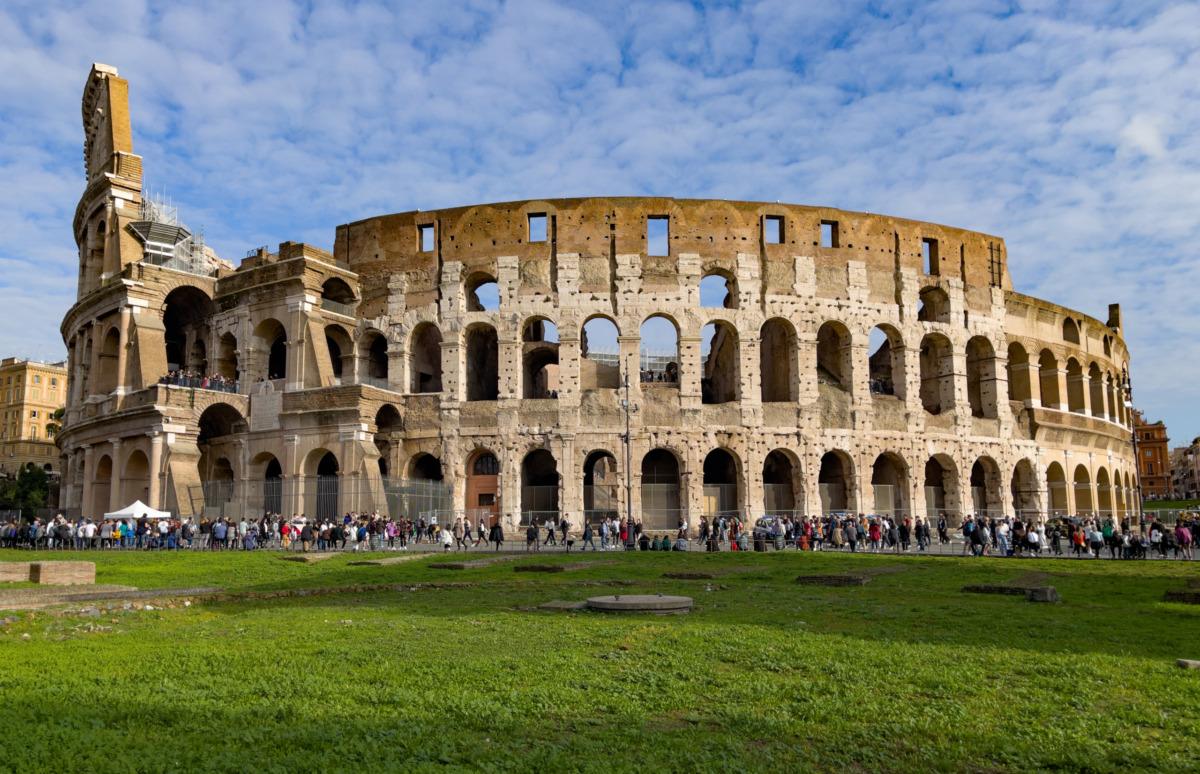
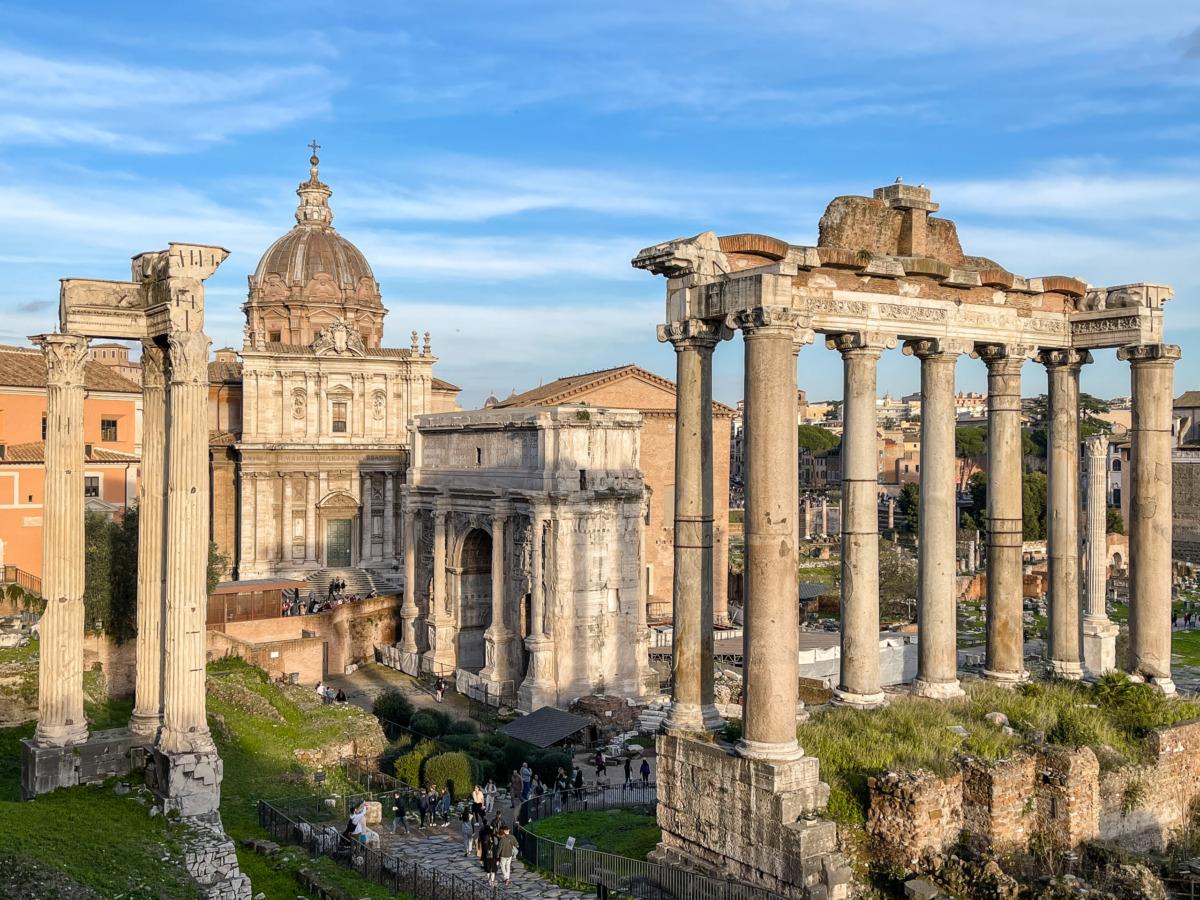
Day 1: Explore Rome: Colosseum, Roman Forum, Monument to Victor Emmanuel II
Start your first day in Rome with the city’s most famous ancient attractions. I recommend beginning early at the Colosseum because crowds become huge later in the day. If you can, choose a Full Experience ticket, because it gives access to extra parts of the monument.
After the Colosseum, continue to the Roman Forum and Palatine Hill. This area was once the center of Ancient Rome and can easily take several hours to explore properly. Expect a lot of walking here.
Later, walk toward the Monument to Victor Emmanuel II, also called Altare della Patria. Besides being one of the symbols of united Italy, it offers beautiful views over Piazza Venezia and central Rome.
Rome is exhausting, especially on the first day, so I would keep dinner simple.
If you need gluten free food, Mama Eat is still my favorite option in Rome because the selection is huge and the food is genuinely good.

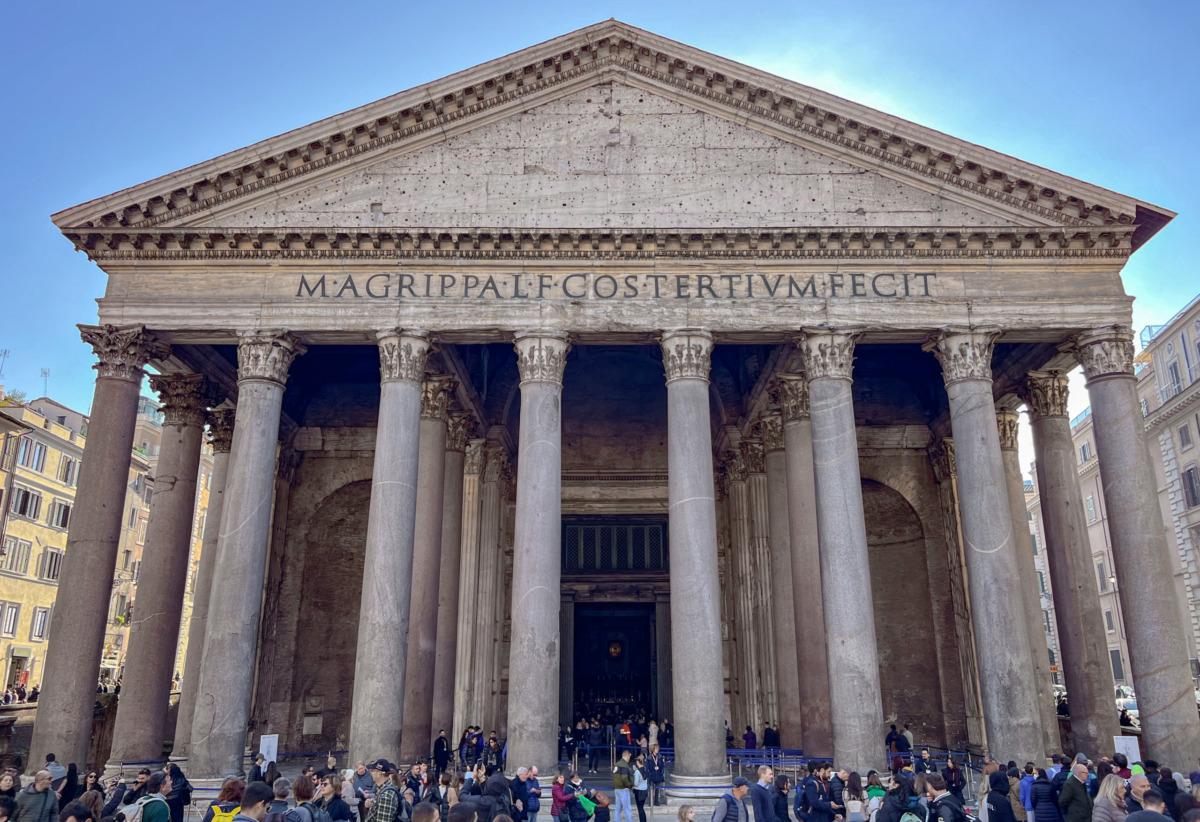
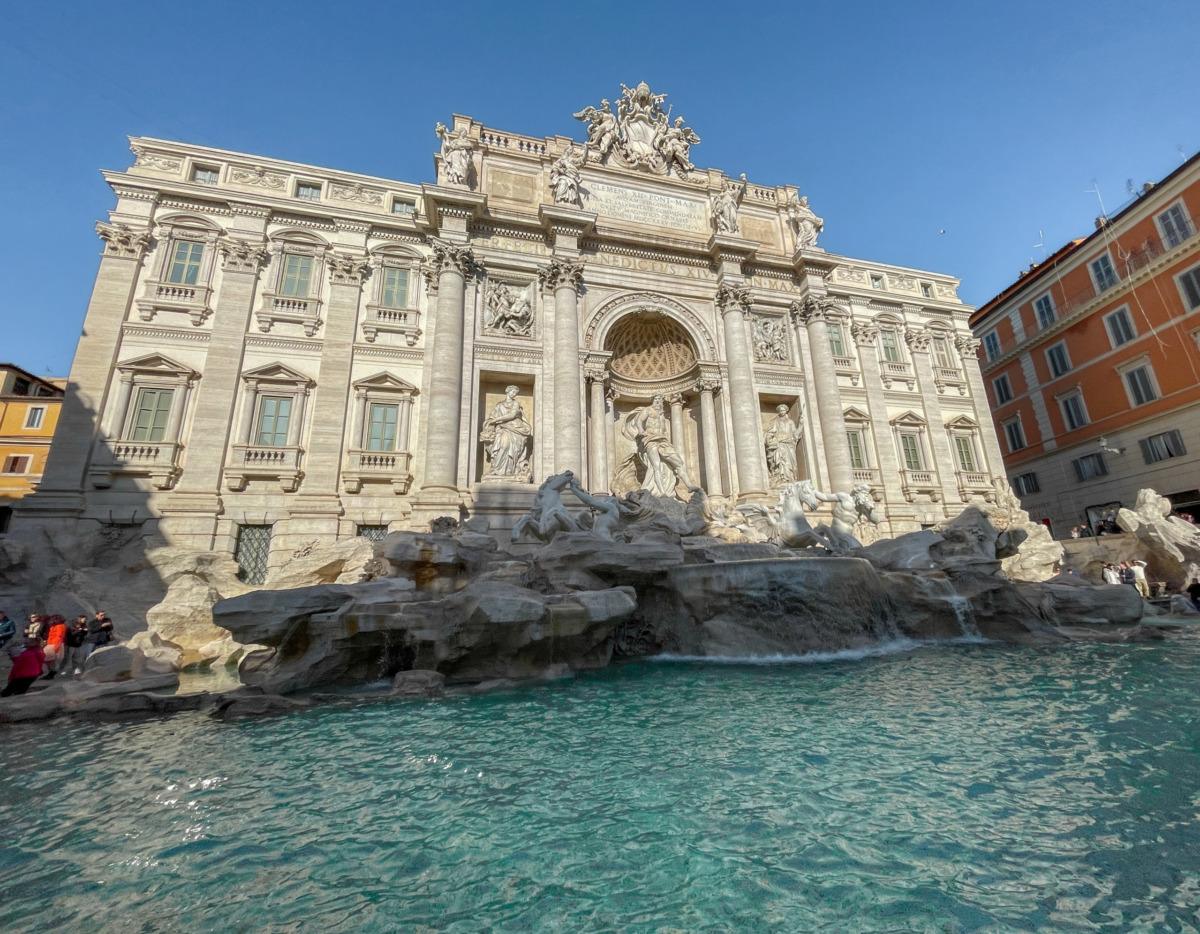
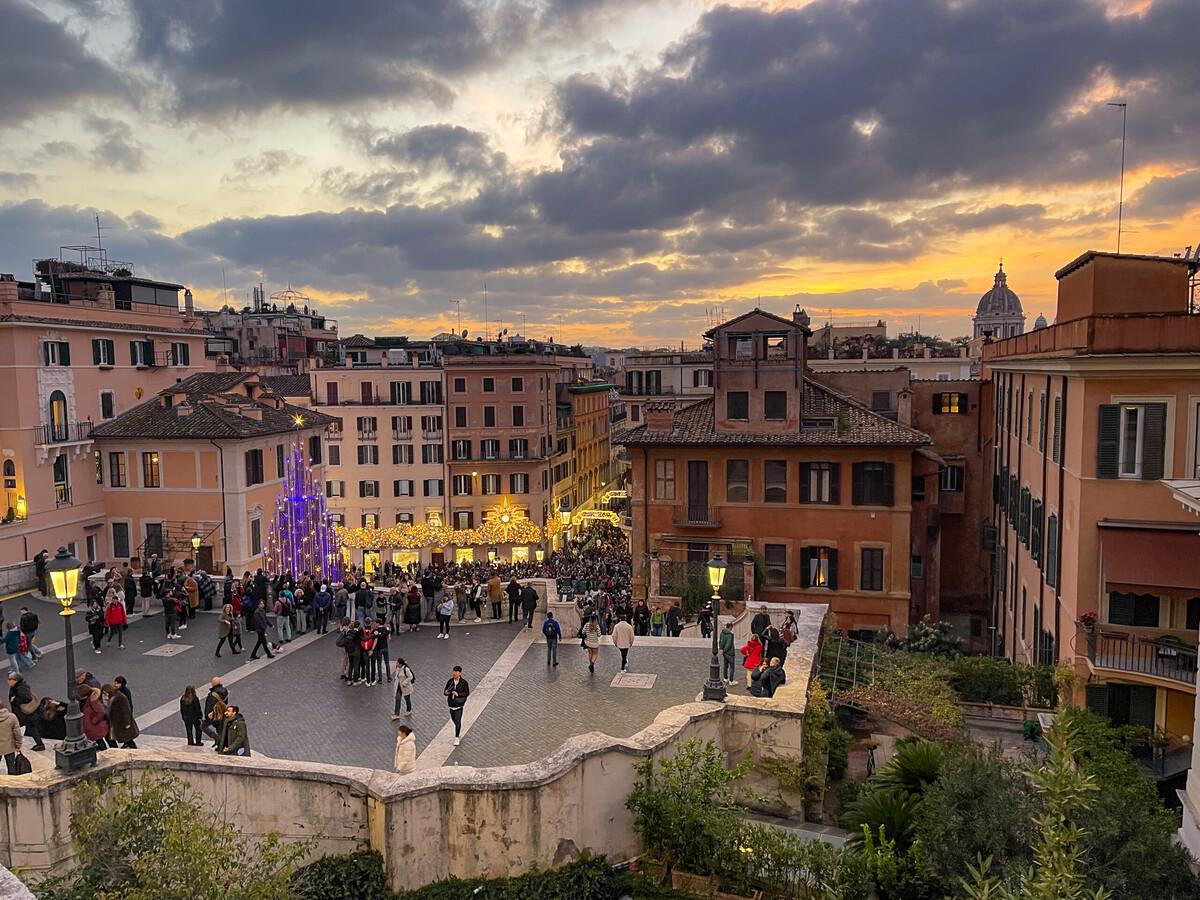
Day 2: Rome: Pantheon, Trevi Fountain, Spanish Steps, Villa Borghese
Spend your second day exploring historic Rome.
Start at the Pantheon, one of the most impressive ancient buildings still standing today. From there, continue toward the Trevi Fountain. If you want photos without hundreds of people around you, go early in the morning.
Next, walk to the Spanish Steps and Piazza di Spagna. This area is always busy, but it is one of those classic Rome experiences that most people enjoy.
Later, head toward Villa Borghese. After the crowded city center, this part of Rome feels much calmer and gives you a chance to slow down. I usually enjoy mixing busy sightseeing days with quieter places like this.
You can comfortably do this entire day on foot while stopping at cafés and restaurants along the way.
Day 3: Explore the Vatican and Castel Sant’Angelo
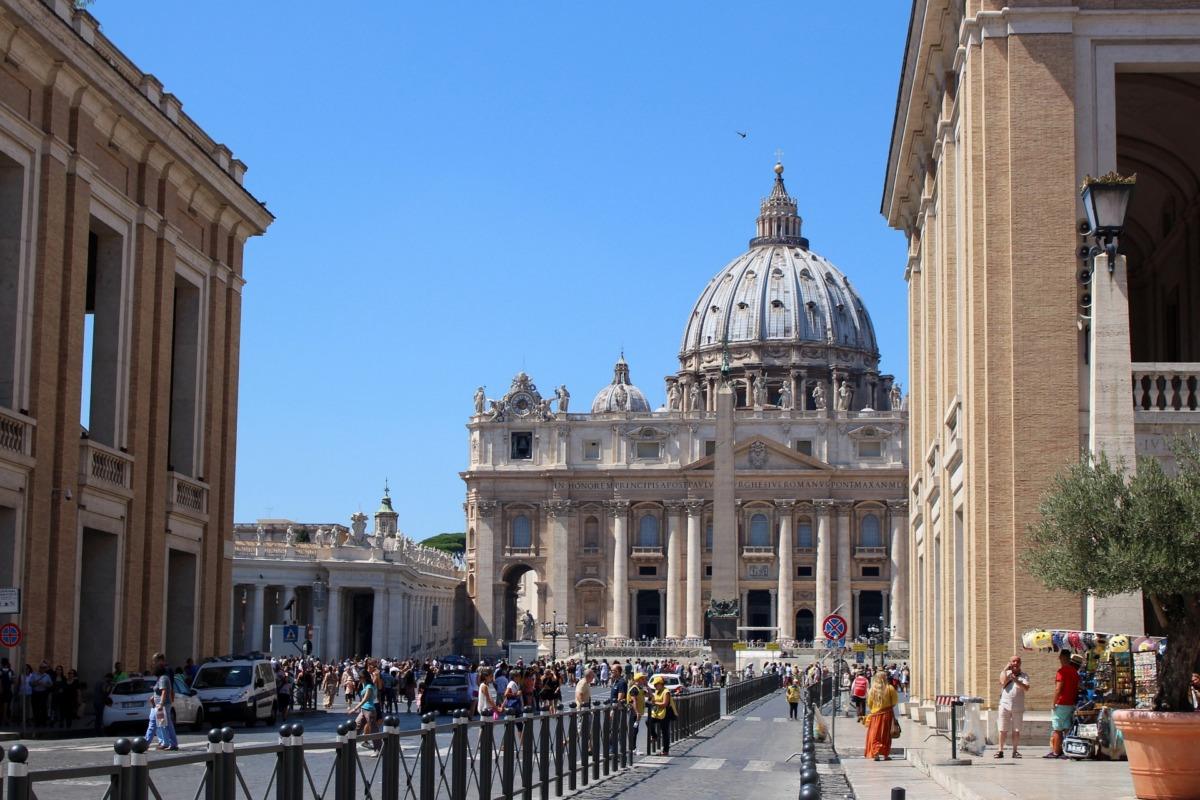
Today is all about the Vatican area.
Start with the Vatican Museums because waiting times can become extreme later in the day. Book tickets online in advance if possible. Inside, you’ll see huge art collections and the Sistine Chapel.
Afterward, continue to St. Peter’s Basilica. Entry is free, but there are security checks and dress rules, so avoid arriving with uncovered shoulders or very short clothing.
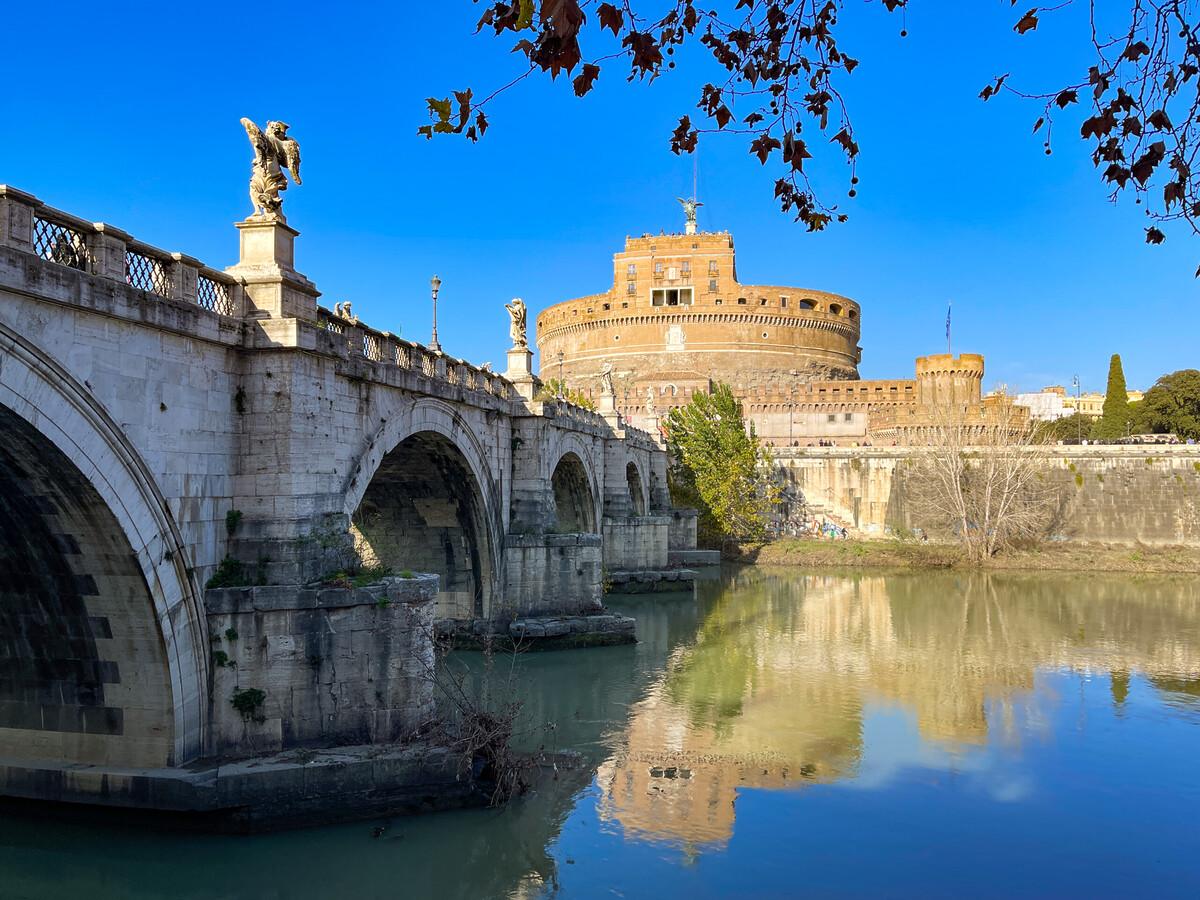
Later, walk along the river toward Castel Sant’Angelo. You can visit the museum or simply enjoy the bridge and river views outside.
This day can feel surprisingly tiring because of the crowds, so I usually recommend a slower evening and maybe a rooftop dinner somewhere around the historic center.
Day 4: Travel from Rome to the Amalfi Coast
Today is mostly a travel day, but that doesn’t mean it has to be boring.
If you travel by train, go first to Naples or Salerno and continue from there. If you drive, expect around 3.5 hours without longer stops, although traffic around Naples and the Amalfi Coast can easily add extra time.
Personally, I recommend leaving Rome early in the morning. Traffic becomes much worse later in the day, especially during summer.
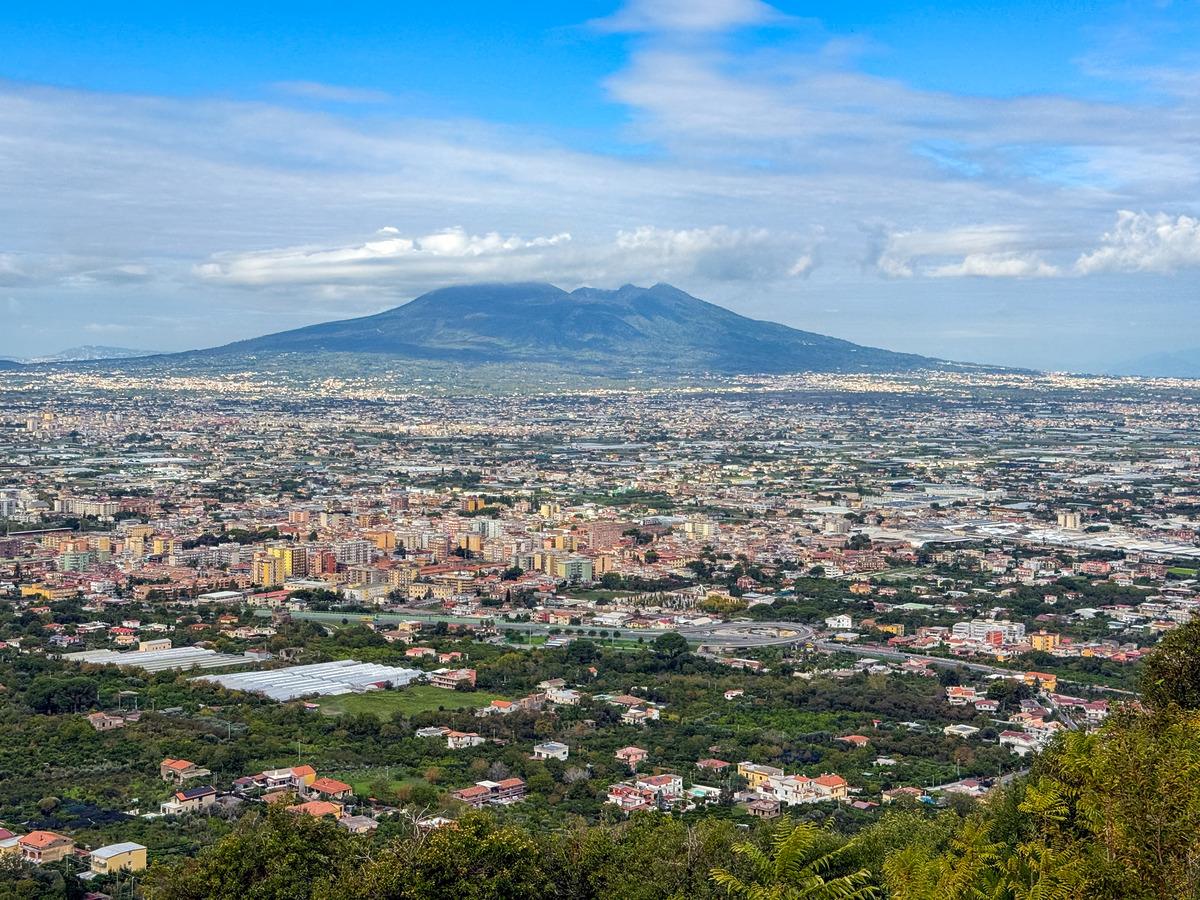
I would definitely stop either in Naples or Pompeii on the way.
Naples is a great choice if you want food, pizza, and city atmosphere. Spend a few hours exploring the historic center, try authentic Neapolitan pizza, and enjoy the chaos before continuing south.
Pompeii is the better option if you love history. This archaeological site is much larger than many people expect, so calculate at least 3–4 hours here and buy tickets online in advance.
For accommodation, I personally often stay slightly outside the expensive Amalfi Coast towns. Places around Naples, Pompeii, or Sorrento usually offer easier parking, lower prices, and better logistics.
After arriving, keep the evening relaxed. The next few days are much slower and more scenic.
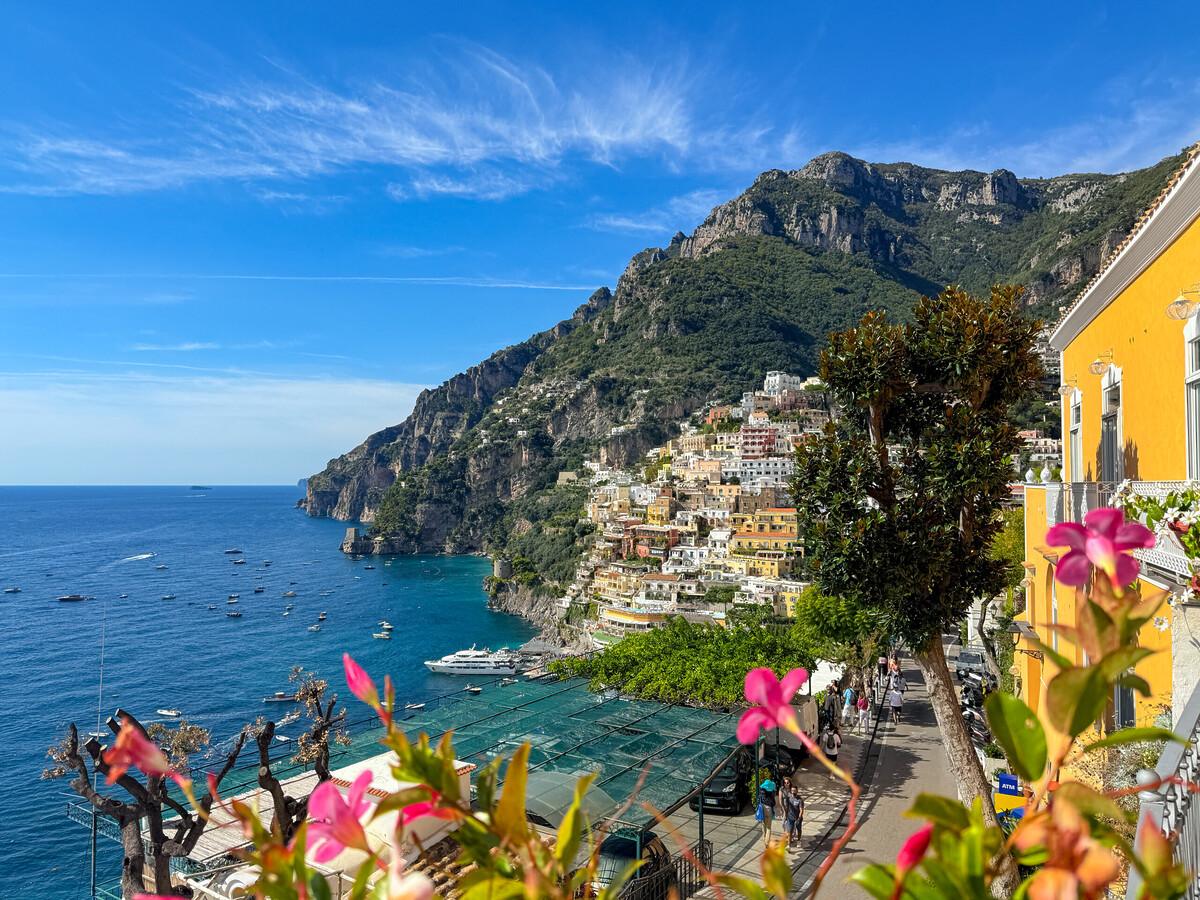
Day 5: Explore Positano
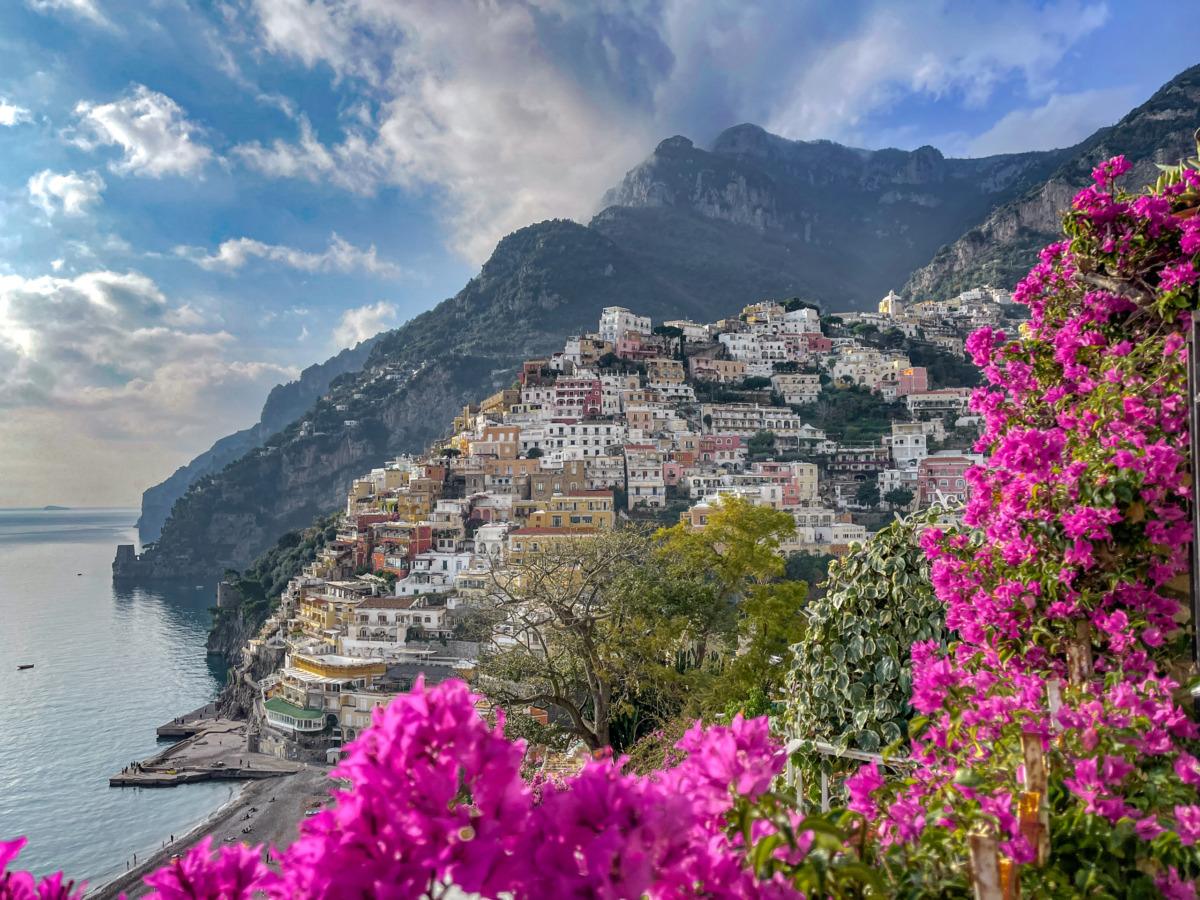
Your first full Amalfi Coast day should be dedicated to Positano.
Start by walking along Via Cristoforo Colombo because some of the most famous viewpoints are here. Then slowly walk through the narrow streets toward the beach.
Spend some time at Spiaggia Grande and visit the Church of Santa Maria Assunta with its colorful dome. Positano is not a place I would rush through.
For a snack, I recommend stopping for lemon sorbet at Collina Positano Bakery. Later, if your budget allows, have lunch or dinner somewhere with views. Rada Beach Restaurant is a good option.
In the afternoon, consider taking a boat tour because the Amalfi Coast looks completely different from the water.
Stay for sunset if possible. Positano becomes magical later in the day. Franco’s Bar is expensive, but the views are hard to beat.
Day 6: Explore Amalfi and Ravello
Start the morning in Amalfi town.
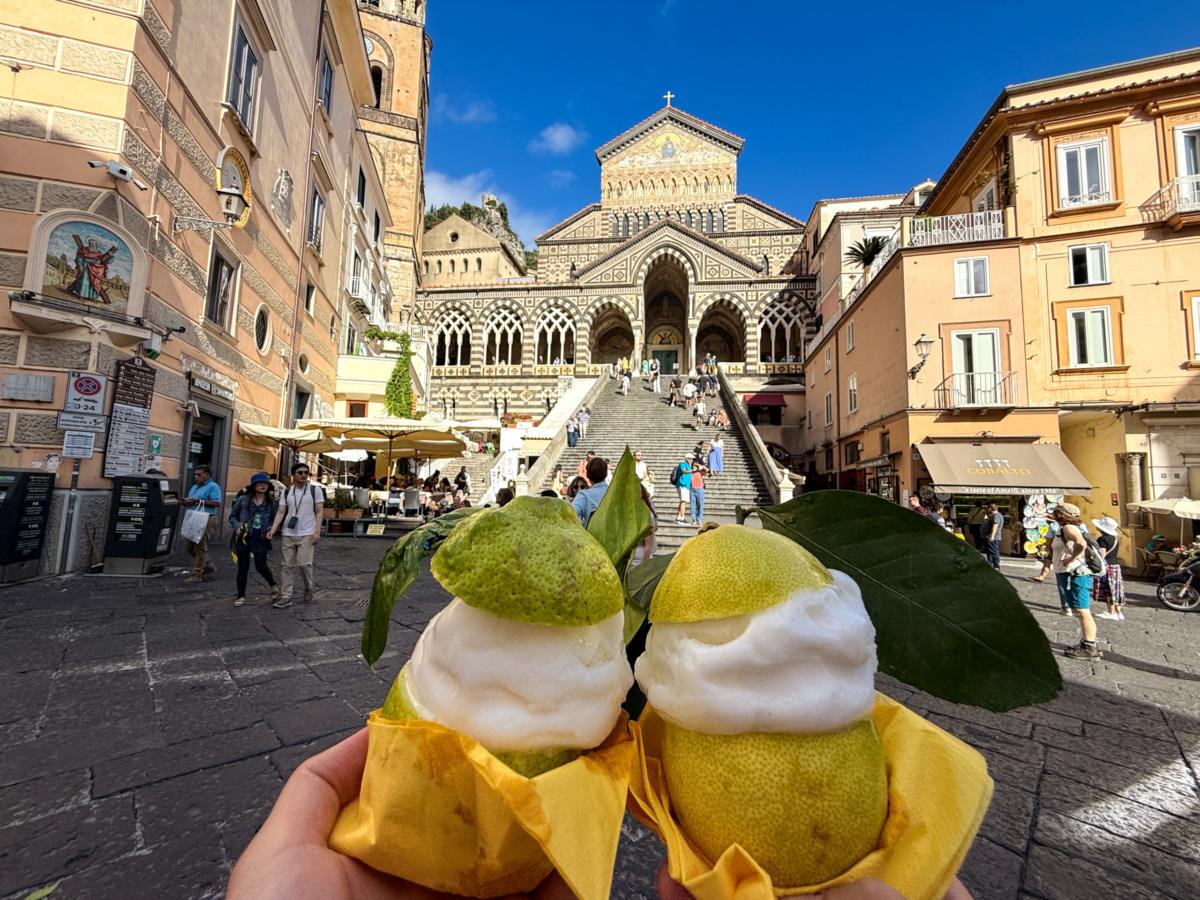
Walk around the old streets, visit the Amalfi Cathedral, and spend some time near the harbor area. Amalfi feels more practical and less vertical than Positano, so it is easier to explore.
For lunch, I would choose somewhere local like Lo Spuntino, La Preferita, or Pizzeria Donna Stella, where you can eat under lemon trees.
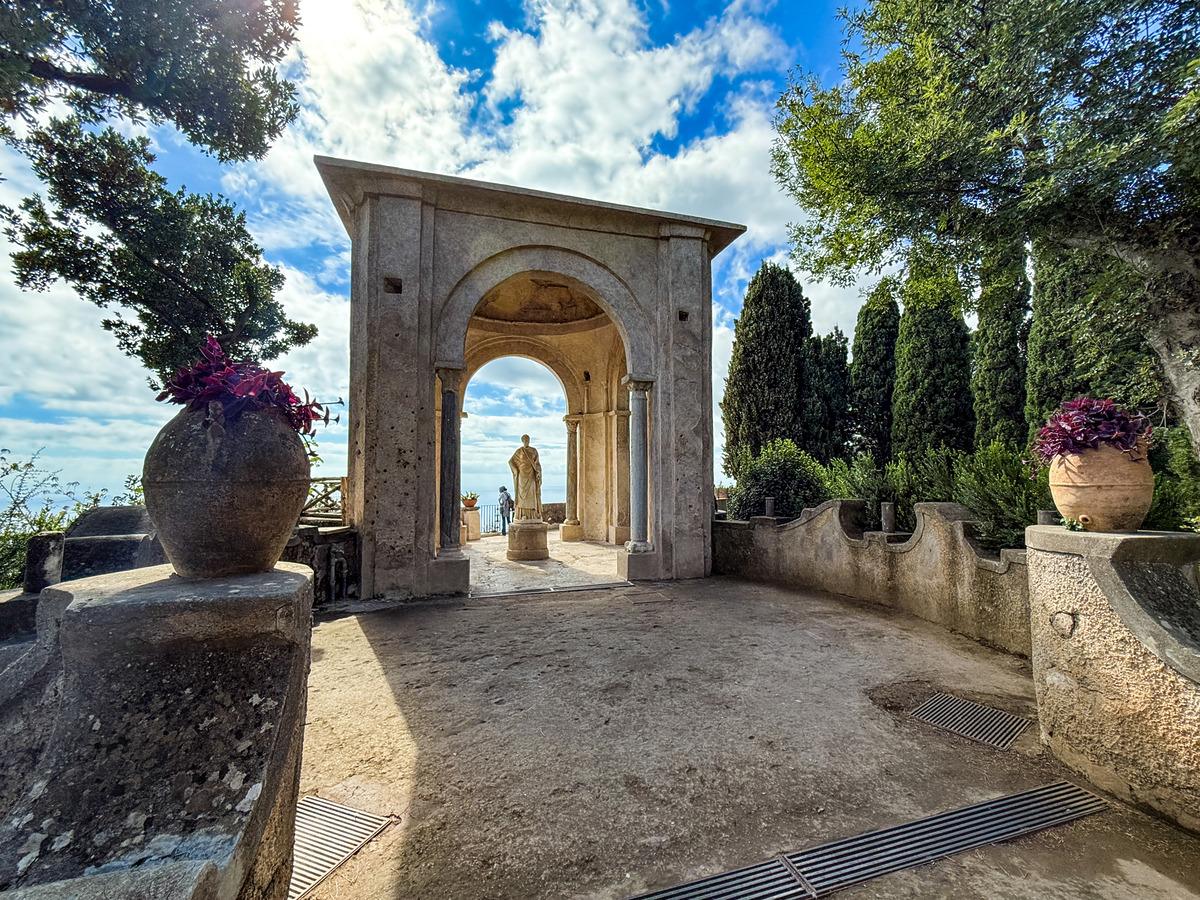
Later, continue to Ravello. Ravello sits higher above the coastline and has some of the best views in southern Italy.
Villa Cimbrone is probably the highlight because of the Terrace of Infinity. Villa Rufolo is also worth visiting for the gardens and sea views.
Before leaving Ravello, stop at one of the viewpoints and enjoy dinner with sea views if your budget allows.
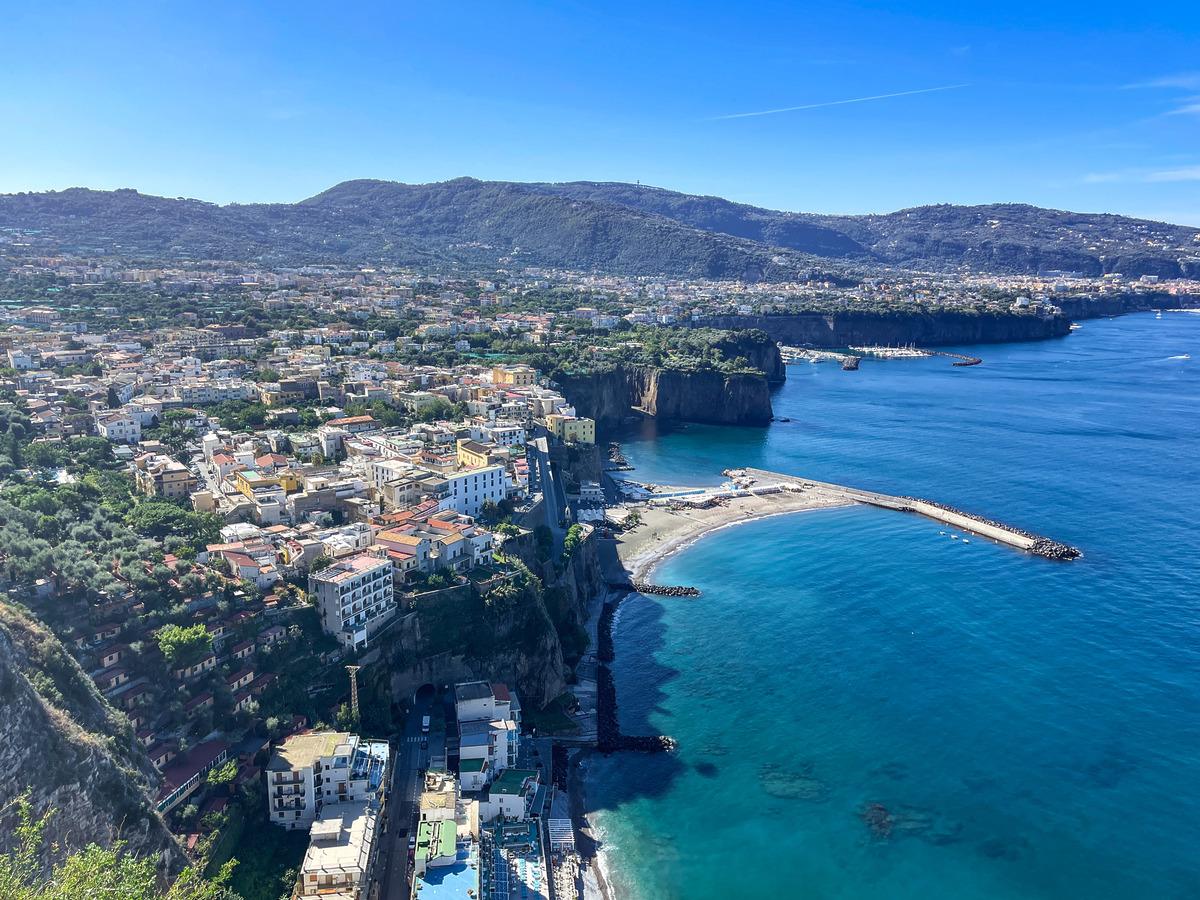
Day 7: Sorrento and return to Rome
Spend your final day exploring Sorrento before returning to Rome.
Sorrento is one of my favorite bases in Southern Italy because transportation is easier, prices are often better, and the town feels more practical than many places directly on the Amalfi Coast.
Start the day around Piazza Tasso and walk through the old streets toward Marina Grande.
Take some time for shopping, try local lemon products or limoncello, and enjoy one last slow Italian breakfast or lunch with sea views.
If you have extra time, walk along the viewpoints above the coastline because Sorrento has some beautiful views toward the Bay of Naples and Mount Vesuvius.
Later in the afternoon, return to Rome by train or car.
If your flight leaves early the next morning, I personally recommend staying near Rome or the airport instead of rushing after a long travel day.
And that’s the end of my 7-day Rome and Amalfi Coast itinerary. I hope you enjoyed this route and that it helps you plan your own trip soon.
But don’t leave yet. If you still have questions or want more practical tips, keep reading below.
How to plan your Rome and Amalfi Coast trip
If you liked this itinerary but still have questions, here are a few extra tips to help you plan your Rome and Amalfi Coast trip.
Is 7 days enough for Rome and the Amalfi Coast?
Yes, I think 7 days is enough for these two destinations. You’ll see the main attractions, have time to enjoy the atmosphere, eat in good restaurants, try local experiences, take a boat trip, and even add a few extra stops.
Seven days is not a lot of time in Italy, but for Rome and the Amalfi Coast, I think it works well.
Best time to visit Rome and the Amalfi Coast
The best time to visit both places is late spring and early autumn. Most places are open, temperatures are pleasant, and prices are usually friendlier too.
Personally, I think May and September are the best months. If you want smaller crowds, late April or early October can also work well.
I only recommend summer if you also want beach time. Otherwise, it can be very hot, crowded, and expensive.
Winter is my least favorite season here. Rome often feels grey, while the Amalfi Coast can be rainy and many places close for the season. I also wouldn’t recommend New Year’s Eve here after experiencing it myself.
How to travel between Rome and the Amalfi Coast
This is one of the biggest questions because many people are nervous about driving here.
You have several options:
By train
You can take a train from Rome to Naples or Salerno, then continue by bus to the Amalfi Coast towns.
The trip usually takes at least 3–4 hours, often more. If you choose this option, I recommend adding a stop in Naples along the way.
By car
This is the fastest and most flexible option, and honestly the one we usually choose ourselves.
Driving from Rome to the Amalfi Coast takes around 3.5 hours. Most of the route is highway, followed by mountain roads near the coast.
That said, traffic is heavy almost all the time, and parking is difficult both in Rome and on the Amalfi Coast. Rome also has strict ZTL zones.
I only recommend driving if you are comfortable with busy roads and already have parking planned.
By private transfer
Private transfers can also work well if you don’t want to drive yourself.
You’ll find many tours and transfers online. They may not follow this exact itinerary, but they can make the trip much easier.

Should I rent a car?
We almost always travel here by car, so I won’t try to talk you out of it.
But I have to admit that neither Rome nor the Amalfi Coast is easy for drivers. Parking is expensive, roads are busy, and traffic can be stressful.
At the same time, public transport is not perfect either. We’ve had buses in Rome so full that we switched back to driving. On the Amalfi Coast, ferries and buses can also be extremely crowded in summer.
I think driving is difficult here, but it’s also the most flexible and time saving option.
Where to stay in Rome
Rome has many good areas to stay in.
If you use public transport, I recommend staying close to the historic center and the main attractions.
If you drive, I suggest staying outside the center and going into the city by public transport or carefully planning around the ZTL zones.
Here are the best places I recommend:
- NH Collection Roma Fori Imperiali: A five-star hotel in downtown, within walking distance of many attractions. Enjoy fantastic views from most rooms and the rooftop terrace
- Hotel St Martin by OMNIA hotels: A four-star hotel near the main train station, a bit farther from attractions but still within walking distance
- Adesso Hotel: A four-star hotel a bit farther from attractions, offering affordable prices.
Where to stay on the Amalfi Coast
Booking accommodation on the Amalfi Coast can be difficult, so I picked places based on my own experience and repeated trips to this area:
- Anantara Convento di Amalfi Grand Hotel: A five-star luxury hotel in Amalfi, offering exquisite Amalfi views and first-class services if you’re seeking the best
- Le Sirenuse: One of Positano’s most renowned five-star luxury hotels. It offers traditional Southern Italian style and stunning views
- Tramonto d’Oro: A sleek four-star hotel in Praiano, boasting impressive sea views
- Villa Piedimonte: A four-star hotel in Ravello, blending modern and local styles with stunning views
- Hotel Le Terrazze: A three-star hotel in Conca dei Marini, a short drive from Amalfi, with seaside views and excellent ratings
- Angelina Residence: Affordable apartments in Maiori
My favorite places
Honestly, because of the prices, I often prefer staying closer to Naples or Sorrento and doing day trips to the Amalfi Coast towns instead.
So here are some more affordable options:
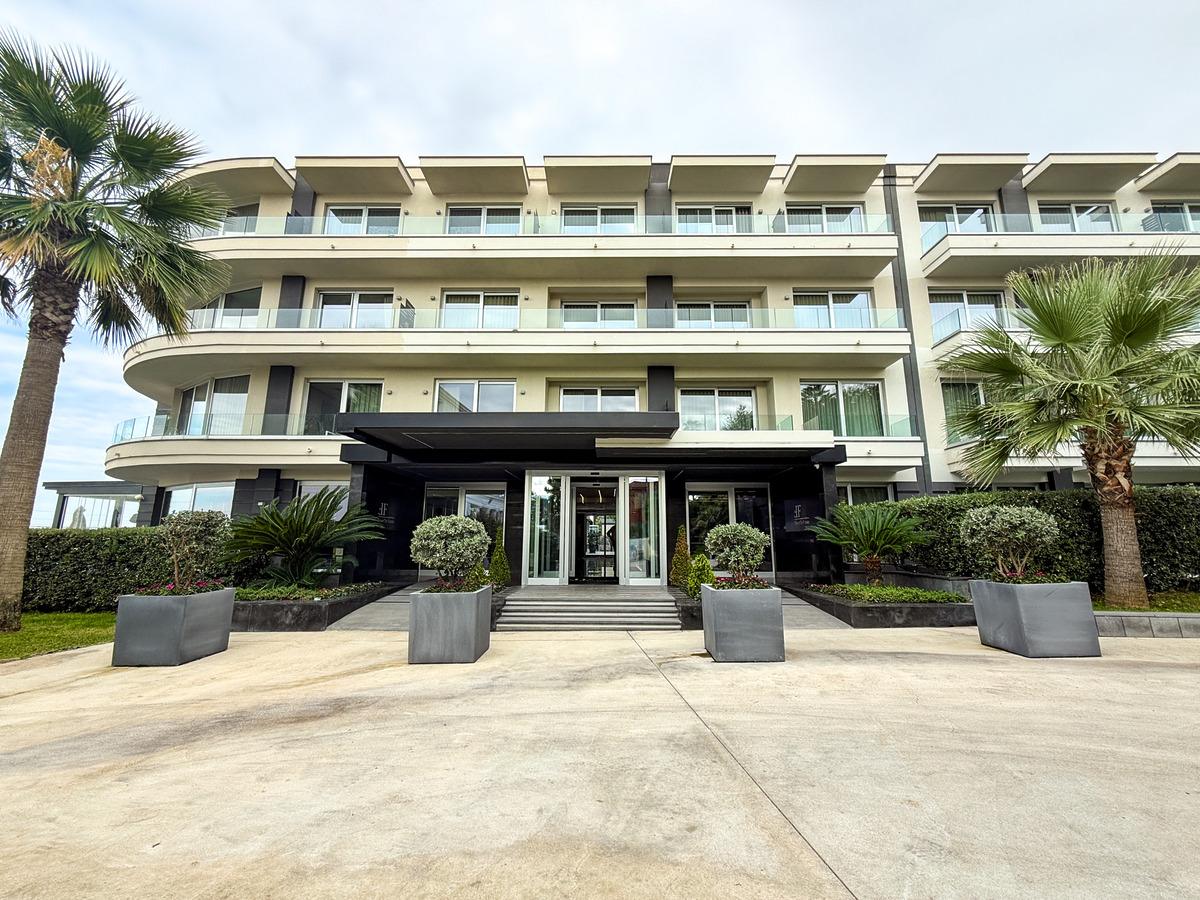
- Hotel & Resort Tre Fontane Luxury: A four-star hotel in Portici, near Naples. One of my top choices in Italy, well worth the price
- Domo 20 Hotel & Rooftop: An unrated but roughly equivalent to a four-star hotel with stunning sea views. Located in Vico Equense, south of Naples, on the way to Positano
- Gold Tower Lifestyle Hotel: A four-star hotel in Naples, offering great prices and reviews.
Cost of a Rome and Amalfi Coast trip
Since these are some of the most expensive places in Italy, budget travel is harder here.
These are the prices I would roughly expect in 2026:
- Hotels: from €150-250/night for 2 people
- Restaurant meals: from €15/person per meal
- Transport: around €10/day by public transport, or €50–100/day by car
For 2 people, I would budget at least €2,000 for a 7 day trip.
Realistically, though, I think €3,000–4,000 is more comfortable, especially if you want good hotels and restaurants.
Plus, luxury hotels can easily cost €500–1,500 per night.
Can you do the Amalfi Coast as a day trip from Rome?
Personally, I wouldn’t recommend it.
Travel time alone is around 3.5 hours one way, so you won’t have much time left for Positano, Amalfi, or the other towns.
I recommend spending at least 1–2 full days on the Amalfi Coast, but ideally 3 days like in this itinerary.
How to extend your Rome and Amalfi Coast trip
If you have a few extra days, there are several places near Naples and the Amalfi Coast that are worth adding to your itinerary.
Capri
Capri is one of the most famous islands in Italy, located less than an hour away by ferry from several towns in the area.
It’s known for places like the Blue Grotto, dramatic cliffs, luxury shops, and beautiful coastal views. You can take the cable car to Monte Solaro, explore the island by boat, or simply spend time walking around Capri town and Anacapri.
I’ve been here myself, and the views are truly impressive. But I also have to admit that Capri is one of the busiest and most expensive places in Italy.
Procida
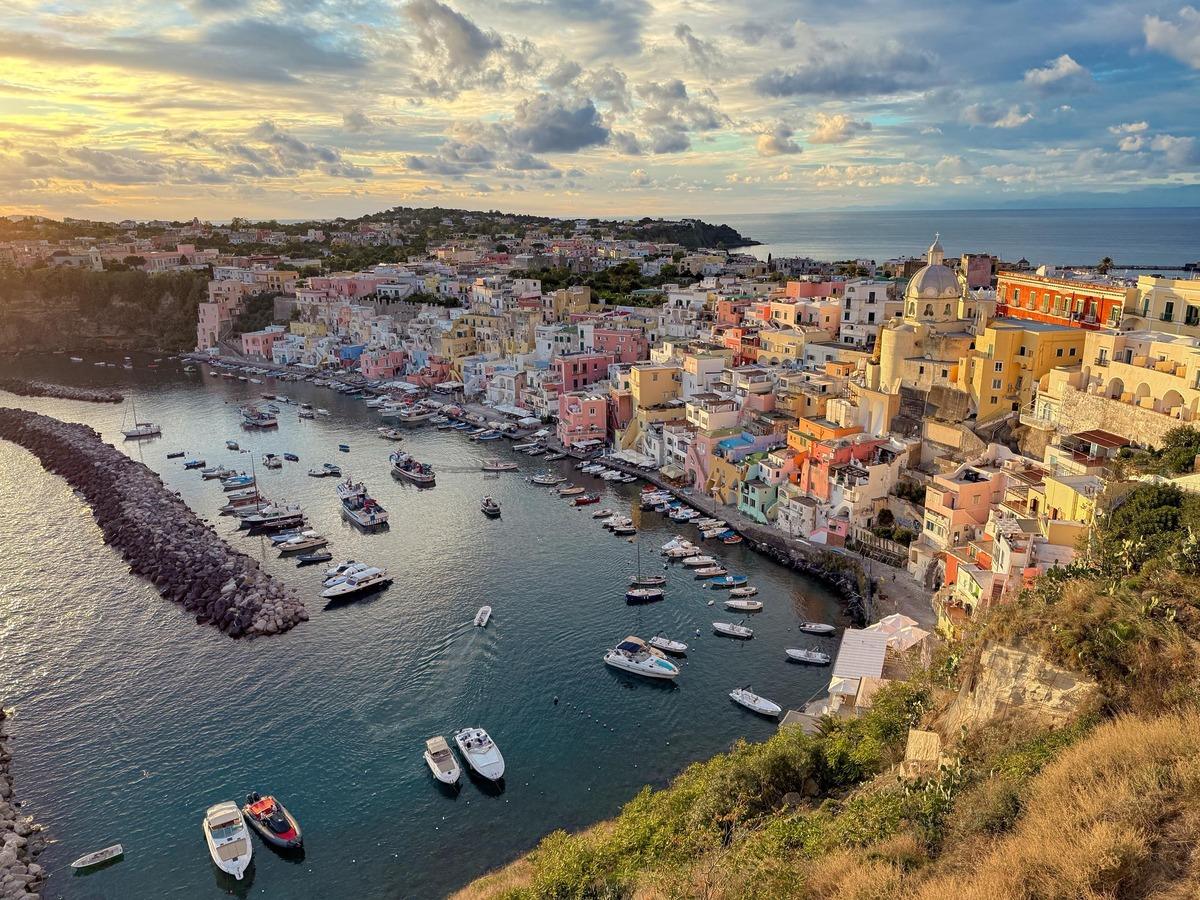
Procida is a small island near Naples and probably one of the most underrated places in Southern Italy.
Unlike Capri, Procida feels quieter, less touristy, and much more local. The colorful harbor area around Corricella is easily one of the prettiest places on the island.
For the best views, visit viewpoints like Panoramica sulla Corricella or Belvedere Corricella.
Personally, I loved how authentic and relaxed Procida felt compared to many other places nearby.
Caserta Palace
Caserta is located about 30 minutes north of Naples and is an easy extra stop if you travel between Rome and Southern Italy.
The Royal Palace of Caserta is one of the largest palaces in Europe, famous for its huge gardens, royal apartments, and enormous scale.
If you enjoy historical places and have a few extra hours, I definitely think it is worth adding to your trip.
Final thoughts
Rome and the Amalfi Coast is still one of my favorite combinations in Italy.
You get ancient history, incredible food, colorful coastal towns, beautiful viewpoints, beaches, and some of the best atmosphere in the country in just one trip.
If you only have one week in Italy, I honestly think this itinerary is hard to beat.
I hope this guide helps you plan an unforgettable trip and enjoy this beautiful part of Italy as much as I always do.

Hi, I’m Adri, the author of ItalianWanderlust.com and TravelTipZone.com. I’ve been traveling for over 10 years and have been a travel blogger since 2022.
Every year I spend several weeks exploring Italy, the country that always has a special place in my heart.
Through my travel guides and tips, I hope to inspire you to discover the authentic Italy and enjoy your own Italian adventures.


